- Company Articles
- Products and Technology
- Application Cases
- Automotive Production: Saddle Pipe Clamps for Stable Conveyor System Setups

Automotive Production: Saddle Pipe Clamps for Stable Conveyor System Setups
Related Product
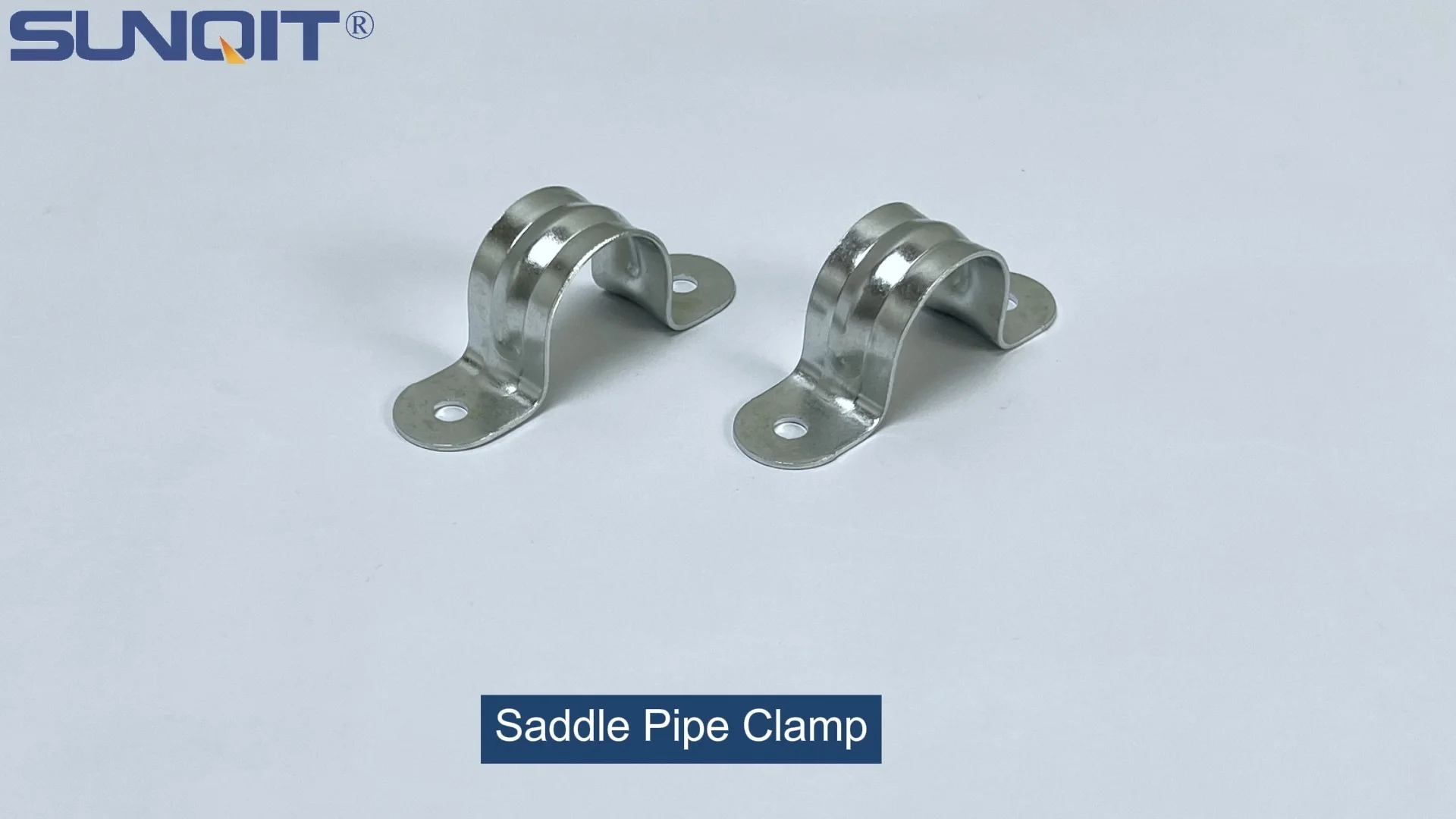
Saddle Pipe Clamp
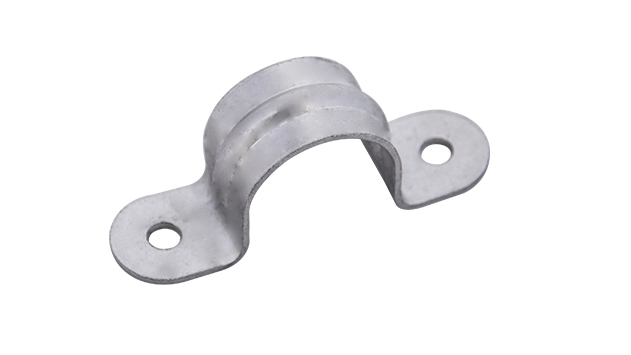
Saddle pipe clamp, used for board connect with pipe, usually for table top installation.
The hum of machinery fills the air, robots dance with precision, and every second counts—that's the rhythm of automotive production. In plants where thousands of parts come together to build a single vehicle, the conveyor system isn't just a tool; it's the lifeline that keeps the entire operation moving. From the heavy steel frames emerging from the welding shop to the delicate electronic components heading to final assembly, conveyors ensure parts arrive exactly where they need to be, exactly when they need to be there. But what happens when that lifeline stutters? A loose connection, a wobbly track, or a misaligned roller can send ripples of disruption through the line—delaying production, increasing defects, and even putting workers at risk. In this high-stakes environment, stability isn't just a nice-to-have; it's the foundation of efficiency, safety, and quality. And if conveyors are the lifeline, then saddle pipe clamps are the quiet guardians ensuring that lifeline never falters.
The Backbone of Automotive Manufacturing: Conveyor Systems in Action
Walk through any modern automotive plant, and you'll quickly realize that conveyors are everywhere. They wind through welding bays, where red-hot metal parts are fused together; glide through paint shops, carrying car bodies through layers of primer and color; and snake through assembly lines, delivering dashboards, seats, and engines to workers who piece them together with surgical precision. These systems aren't just moving belts—they're complex networks of roller tracks, aluminum profiles, and motors, all synchronized to keep pace with the demands of mass production. A single conveyor line might stretch hundreds of meters, handling parts that range from a 2kg plastic bracket to a 300kg engine block. At peak capacity, some plants produce a car every 60 seconds, meaning conveyors must operate with near-perfect reliability. Any pause, no matter how brief, can cascade into missed deadlines, overtime costs, and frustrated teams.
This is where lean system principles come into play. Automotive manufacturers live and breathe lean—constantly seeking to eliminate waste, streamline processes, and optimize flow. Conveyors are a cornerstone of this philosophy: by creating a continuous, predictable movement of parts, they reduce the need for manual handling, minimize inventory buildup, and cut down on idle time. But lean systems only work if the tools supporting them are up to the task. A conveyor that frequently jams, shifts, or breaks down becomes a source of waste itself—wasting time, energy, and resources. For lean to thrive, conveyors must be stable, durable, and adaptable. And that's where the saddle pipe clamp enters the picture.
When Stability Fails: The Cost of Overlooking the Small Stuff
Let's paint a scenario: It's 9 AM on a Tuesday at a mid-sized automotive plant. The assembly line is running at full tilt, with workers installing door panels onto chassis as they glide past on a conveyor. Suddenly, there's a loud clunk. A section of the roller track has shifted, causing a door panel to slip off its carrier. The line grinds to a halt. Mechanics rush over, spending 45 minutes realigning the track and checking for damage. In that time, 45 cars would have rolled off the line—now, those 45 cars become backlogs. The team has to stay late to catch up, overtime expenses pile up, and the day's production targets are missed. Worse, the slipped panel scraped against another part, leaving a scratch that requires rework. That's a small defect, but multiplied across dozens of similar incidents, it erodes quality and customer trust.
What caused the shift? A loose pipe clamp. The clamp holding the roller track to the aluminum profile frame had vibrated loose overnight, thanks to the constant motion of the conveyor. Over time, that looseness created play in the system, until finally, the track gave way. It's a story that repeats itself in plants around the world—one that highlights a critical truth: the stability of a conveyor system depends on the strength of its connections. Every bracket, joint, and clamp plays a role in keeping the entire structure rigid. When even one of these connections weakens, the system becomes vulnerable.
The costs go beyond downtime. Unstable conveyors can compromise safety. A wobbly track might cause parts to fall, endangering workers below. Excessive vibration can damage sensitive components, leading to premature wear on motors or electronics. And inconsistent movement can throw off the precision of automated tools—like robotic arms that rely on parts being in exactly the right position. In a industry where a millimeter of misalignment can ruin a weld or a seal, stability isn't just about efficiency; it's about protecting people and products.
Saddle Pipe Clamps: The Unsung Heroes of Conveyor Stability
So, what exactly is a saddle pipe clamp? At first glance, it's a simple device: a curved metal piece (the "saddle") that wraps around a pipe or tube, with holes for bolts to secure it to a frame or support structure. But its simplicity is deceptive. Unlike standard clamps, which might use a flat or U-shaped design, the saddle clamp's curved profile is engineered to cradle the pipe, distributing pressure evenly across its surface. This design creates a tighter, more secure grip—one that resists slipping, twisting, or loosening, even under constant vibration.
Most saddle pipe clamps are made from high-grade steel or stainless steel, chosen for their strength and resistance to corrosion. In environments like paint shops, where chemicals and moisture are present, stainless steel clamps prevent rust from weakening the connection over time. Some manufacturers also offer aluminum versions for lightweight applications, though steel remains the go-to for heavy-load scenarios. The bolts used with saddle clamps are often coated to prevent stripping, and many come with lock washers or nylon inserts to further reduce the risk of loosening due to vibration.
The real magic of saddle pipe clamps lies in their versatility. They're compatible with a wide range of components, including the aluminum profiles commonly used in conveyor frames and the roller tracks that carry parts. Whether you're securing a roller track to a vertical support, attaching a crossbeam to a main frame, or reinforcing a joint in a high-stress area, saddle clamps provide a reliable, repeatable solution. They're easy to install—requiring only basic tools—and even easier to adjust, making them ideal for plants that need to reconfigure conveyor lines to accommodate new vehicle models or production changes.

Working in Harmony: Saddle Clamps, Roller Track, and Aluminum Profile
Saddle pipe clamps don't work in isolation. They're part of a larger ecosystem of conveyor components, each relying on the others to deliver performance. Take roller track, for example. Roller tracks are the "road" that parts travel on—rows of small wheels (rollers) mounted on a frame, designed to reduce friction and allow smooth, easy movement. To function properly, roller tracks must be perfectly aligned and securely fastened to their supports. Even a tiny dip or tilt can cause parts to slow down, jam, or tip over. This is where saddle clamps shine: by firmly attaching the roller track to the underlying aluminum profile frame, they ensure the track stays level and stable, even when carrying heavy loads.
Aluminum profile is another key player here. Lightweight yet surprisingly strong, aluminum profiles are the building blocks of modern conveyor frames. They're modular, meaning plant managers can mix and match lengths, angles, and accessories to create custom layouts. But aluminum's light weight can also make it prone to flexing under stress—unless it's properly braced and secured. Saddle pipe clamps bridge this gap: they fasten the aluminum profile to other structural elements (like steel supports or crossbeams), adding rigidity and preventing unwanted movement. The combination of aluminum profile's flexibility and saddle clamps' stability results in a conveyor frame that's both adaptable and rock-solid.
Let's look at a real-world example: A plant recently upgraded its rear axle assembly line to handle a new, heavier axle design. The existing conveyor frame, made of aluminum profile, was sturdy but needed reinforcement to support the added weight. The engineering team decided to install additional crossbeams, secured with saddle pipe clamps, at 1-meter intervals along the roller track. The clamps distributed the axle's weight evenly across the frame, preventing flexing and ensuring the roller track remained aligned. After three months of operation, the line had zero instances of track shift or jamming—despite the axle being 15% heavier than the previous model. The team estimated the upgrade saved them 20 hours of maintenance time per month and reduced scrap rates by 8%. All thanks to a few well-placed saddle clamps.

Saddle Pipe Clamps vs. the Competition: A Closer Look
| Feature | Saddle Pipe Clamp | Standard U-Bolt Clamp | Bolt-On Pipe Clamp |
|---|---|---|---|
| Grip Design | Curved saddle for even pressure distribution | U-shaped; pressure at bolts | Flat plate; limited contact area |
| High; reduces loosening over time | Medium; prone to slipping under constant vibration | Medium; requires tight torque to stay secure | |
| High (up to 500kg per clamp, depending on material) | Medium (up to 300kg) | High, but bulkier design | |
| Aluminum profile, roller track, steel pipes, stainless steel | Limited to round pipes; poor fit with aluminum profile | Good with steel frames; less adaptable to aluminum | |
| Fast (5-10 minutes with basic tools) | Fast, but requires precise torque to avoid pipe damage | Slow (requires drilling holes in frame) |
As the table shows, saddle pipe clamps excel in the areas that matter most for conveyor stability: grip, vibration resistance, and compatibility. Their curved design ensures they "hug" the pipe or track, reducing the risk of slippage even under heavy loads or constant motion. Unlike U-bolt clamps, which can dig into pipes and cause damage over time, saddle clamps distribute pressure evenly, protecting both the clamp and the component it's securing. And compared to bolt-on clamps, which require drilling into frames (a time-consuming and permanent solution), saddle clamps offer flexibility—making them easy to reposition or remove when conveyor layouts change. For automotive plants prioritizing lean efficiency and long-term reliability, the choice is clear.
Beyond the Line: Saddle Clamps in Lean System Success
Lean system success isn't just about big-picture strategies; it's about the sum of small, consistent improvements. Saddle pipe clamps contribute to lean in ways that might not show up on a balance sheet immediately but add up over time. For starters, they reduce maintenance waste. A conveyor secured with saddle clamps needs fewer adjustments, repairs, and replacements—freeing up maintenance teams to focus on proactive tasks instead of reactive fixes. This aligns with lean's "preventive maintenance" mindset, which aims to stop problems before they start.
Saddle clamps also support lean's "continuous improvement" ethos. Because they're easy to install and adjust, teams can experiment with conveyor configurations without fear of damaging equipment or creating instability. Want to test a new layout for the paint shop conveyor? Saddle clamps make it simple to reposition roller tracks and supports, gather data, and refine the design. This agility allows plants to adapt quickly to changing customer demands, new vehicle models, or process innovations—all without overhauling entire systems.
Safety is another lean priority, and saddle clamps play a role here too. A stable conveyor is a safe conveyor. Loose clamps can lead to protruding parts, shifting tracks, or falling components—all hazards for workers. By keeping conveyors secure, saddle clamps reduce the risk of accidents, injuries, and workers' compensation claims. This not only protects employees but also keeps the line running smoothly: a safety incident can shut down production for hours, undoing weeks of lean progress.
Choosing the Right Saddle Pipe Clamp: What to Consider
Not all saddle pipe clamps are created equal. To get the most out of them, automotive plants need to choose the right clamp for the job. Here are key factors to consider:
Material:
Steel clamps are best for heavy loads and high-stress areas (like engine assembly lines). Stainless steel is ideal for corrosive environments (paint shops, wash stations). Aluminum clamps work well for lightweight applications where reducing frame weight is a priority.
Size:
Clamps come in various diameters to fit different pipe and profile sizes. Always match the clamp size to the pipe or roller track it will secure—too loose, and it won't grip; too tight, and it could damage the pipe.
Load Capacity:
Check the manufacturer's specs for maximum load. Overloading a clamp is a recipe for failure. When in doubt, opt for a higher capacity than you think you need—it's better to have extra strength than to cut corners.
Environmental Factors:
Consider temperature extremes, moisture, chemicals, and vibration levels. For example, clamps in welding areas need heat resistance, while those in food-grade automotive plants (yes, some components require food-safe materials) need non-toxic, easy-to-clean finishes.
Compatibility:
Ensure the clamp works with your existing components—aluminum profile, roller track, pipes, etc. Many manufacturers offer compatibility charts or sample kits to test fit before buying in bulk.
The Future of Conveyor Stability: Innovations on the Horizon
As automotive manufacturing evolves—with electric vehicles, autonomous systems, and smart factories leading the charge—conveyor systems will need to keep pace. Saddle pipe clamps are no exception. Manufacturers are already experimenting with new materials, like carbon fiber-reinforced polymers, to create clamps that are lighter, stronger, and more resistant to wear. Others are adding smart features, like embedded sensors that monitor clamp tightness and send alerts when vibration levels exceed thresholds. Imagine a conveyor system that can predict a clamp is loosening before it causes a problem—allowing maintenance teams to address it during a scheduled break instead of in the middle of a production run.
3D printing is another area of growth. Custom saddle clamps tailored to unique conveyor setups—like irregular pipe shapes or specialized aluminum profiles—could become more accessible, reducing lead times and improving fit. For small-batch automotive manufacturers or plants with highly customized lines, this could be a game-changer.
Even with these innovations, the core purpose of saddle pipe clamps will remain the same: to keep conveyors stable, reliable, and efficient. In an industry where every second and every part counts, the smallest components often make the biggest difference. The next time you see a car roll off the lot, take a moment to appreciate the unsung heroes working behind the scenes—like the saddle pipe clamp—keeping the wheels of production turning, one secure connection at a time.
Final Thoughts: The Power of Stability in a Fast-Paced World
Automotive production is a symphony of speed, precision, and teamwork. Conveyors are the conductors, ensuring every part, every worker, and every process stays in harmony. But even the best conductor needs reliable instruments. Saddle pipe clamps may not grab headlines, but they're the quiet force ensuring those instruments stay in tune. They embody the lean principle that "excellence is in the details"—proving that investing in small, high-quality components can lead to big gains in efficiency, safety, and profitability.
So, to the plant managers, engineers, and maintenance teams reading this: The next time you're troubleshooting conveyor issues, take a look at the clamps. You might be surprised by how much difference a simple upgrade can make. And to the rest of us: The next time you buckle up in a car, remember the countless small parts—like the saddle pipe clamp—that worked tirelessly to get it from the factory floor to your driveway. Stability matters, in automotive production and in life. And sometimes, the best things really do come in small packages.