- Company Articles
- Products and Technology
- Product knowledge
- Automotive Repair: Aluminum Pipe with Board Holder Uses

Automotive Repair: Aluminum Pipe with Board Holder Uses
Related Product
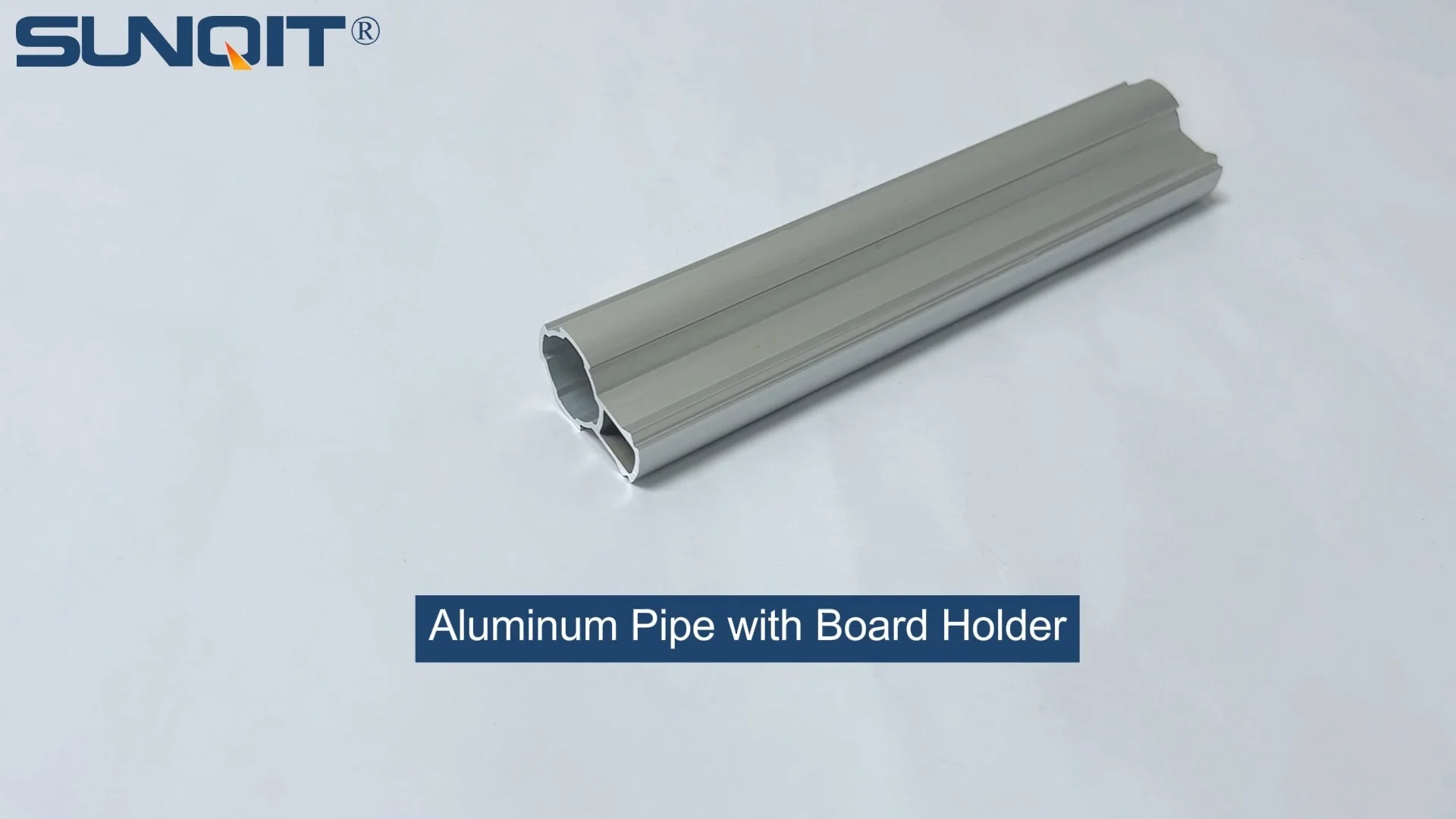
Aluminum Pipe with Board Holder
The linear rolling assembly can be arbitrarily connected in the protruding part of the card slot to increase the rigidity of the track.
Walk into any thriving automotive repair shop, and you'll quickly notice that its success isn't just about skilled mechanics or top-of-the-line tools—it's about how the workspace itself works. A shop where wrenches vanish under piles of rags, parts get misplaced between bays, and heavy components require a team lift to move isn't just chaotic; it's a productivity killer. In an industry where every minute counts—where a delayed oil change or a missed deadline can cost a customer's trust—efficiency isn't a luxury; it's the backbone of the business. That's where the unassuming yet transformative aluminum pipe with board holder comes in. More than just a collection of metal tubes and brackets, this modular system is redefining how auto shops organize, operate, and thrive. Let's dive into why it's become a must-have for modern repair bays, and how it's solving some of the biggest headaches mechanics and shop owners face daily.
What Exactly Is Aluminum Pipe with Board Holder?
At first glance, you might mistake it for a simple shelving unit, but aluminum pipe with board holder is far more versatile. Think of it as a building block system for your workspace: lightweight aluminum pipes (often part of an aluminum profile system) connected by durable joints, with integrated board holders that serve as flat, stable surfaces for tools, parts, or documentation. Unlike rigid, one-size-fits-all workbenches or shelves, this system is modular—meaning you can assemble, disassemble, and reconfigure it on the fly. Need a taller work surface for a truck engine? Add a few extra pipes. Want to mount a tool rack above your bench? Attach a board holder at eye level. It's like Legos for grown-ups, but built to withstand the rigors of a garage environment.
The magic lies in its components. The aluminum pipes themselves are typically made from high-grade aluminum extrusion profiles—strong yet lightweight, resistant to dents, and easy to clean (a big plus when oil, grease, and transmission fluid are part of your daily routine). The board holders, often made from aluminum or reinforced plastic, attach securely to the pipes, creating flat surfaces that can support anything from a laptop (for accessing repair manuals) to a 50-pound transmission part. And because it's all based on standard aluminum profile accessories —joints, brackets, clamps—you're never locked into a single design. If your shop adds a new service, like electric vehicle repairs, you can tweak the setup to fit battery testing equipment or specialized tools without buying an entirely new workstation.
Why Aluminum? The Material That Makes It Work
You might be wondering: Why aluminum? Why not steel, wood, or plastic? Let's break it down. Steel is strong, but it's heavy—try moving a steel workbench across the shop to accommodate a oversized vehicle, and you'll need a forklift. Wood is cheap, but it absorbs oil and moisture, warping over time and becoming a breeding ground for bacteria (not ideal when you're handling parts that go into engines). Plastic is lightweight, but it bends under heavy loads—imagine placing a torque wrench on a plastic shelf and watching it sag. Aluminum, though, hits the sweet spot: it's 30% lighter than steel but just as strong, corrosion-resistant (so that spilled coolant won't eat through it), and naturally non-porous (wipe it down with a rag, and it's clean). For auto shops, where durability and adaptability matter most, aluminum is the clear choice.
Another hidden benefit? Aluminum's thermal conductivity. In a shop with fluctuating temperatures—hot in summer, cold in winter—aluminum doesn't expand or contract as drastically as other materials. That means your carefully calibrated workbench won't warp, and the board holder won't shift, keeping your tools and parts stable. Plus, aluminum is recyclable, which matters if sustainability is part of your shop's values. When you eventually reconfigure your setup (and you will), you can repurpose the pipes and accessories instead of sending them to a landfill.

Key Features That Solve Auto Shop Headaches
Aluminum pipe with board holder isn't just a pretty face—it's designed to tackle the specific challenges of automotive repair. Let's look at the features that make it indispensable:
- Modularity: No two repair jobs are the same, so why should your workspace be? With this system, you can add or remove pipes, adjust board holder heights, or swap out accessories in minutes. Need a temporary parts shelf for a weekend engine rebuild? Snap on a few extra pipes and a board holder. Done with the project? Take it apart and store the components until next time.
- Durability: Auto shops are tough on equipment. Hammers get dropped, wrenches slide off benches, parts get banged around. Aluminum holds up. Unlike wood, it won't chip or splinter. Unlike plastic, it won't crack. And because the joints are made from reinforced metal, they won't loosen over time—even with daily use.
- Ergonomics: Mechanics spend hours on their feet, bending, reaching, and lifting. A poorly designed workspace leads to fatigue and injuries. Aluminum pipe with board holder lets you customize heights: set the board holder at elbow level for tool access, or knee level for parts storage, reducing strain on backs and shoulders. Some setups even integrate casters (swivel wheels with brakes), so you can roll the entire unit to the vehicle, eliminating the need to carry heavy tools across the shop.
- Compatibility: It plays well with others. Want to add a roller track to slide parts from storage to your workbench? There are aluminum profile connectors that let you attach roller tracks directly to the pipes. Need to mount a power strip for tools? Use a bracket designed to clamp onto the aluminum profile. It's a system that grows with your shop's needs, not against them.

Practical Uses: How It Transforms Day-to-Day Work
Enough theory—let's get to the good stuff: how aluminum pipe with board holder actually improves life in the shop. We'll break it down into four key areas where it shines.
1. Custom Workbenches: Your Command Center
Every mechanic needs a home base—a workbench where they prep tools, organize parts, and tackle detailed tasks like spark plug replacement or carburetor cleaning. Traditional workbenches are fixed: they're a certain height, have a set number of drawers, and if they're too small, you're out of luck. Aluminum pipe with board holder changes that. You can build a workbench that's exactly the height you need (no more hunching over a bench that's too short), with board holders at multiple levels: a lower one for parts bins, a middle one for tools, and an upper one for your laptop or parts catalog. Add a pegboard-style board holder, and you can hang wrenches, sockets, and screwdrivers in order, so you never waste time hunting for the right size.
Take, for example, a shop that specializes in classic car restorations. A mechanic working on a 1967 Mustang might need a workbench that can hold a carburetor, a set of feeler gauges, and a vintage repair manual. With aluminum pipe, they can set up a L-shaped bench: one arm for the carburetor (with a non-slip mat on the board holder), another arm for tools, and a small shelf above for the manual. When they switch to restoring a 1955 Chevy, they can reconfigure the bench to accommodate the larger engine block—no need to buy a new workbench. It's customization without the cost.
2. Tool and Part Organization: No More "Where Did I Put That?"
Lost tools are the bane of any mechanic's existence. According to a 2023 survey by the Automotive Service Association, mechanics spend an average of 45 minutes per day searching for misplaced tools—adding up to over 37 hours per month. That's time that could be spent fixing cars and making money. Aluminum pipe with board holder solves this by turning chaos into order. The board holder itself can be divided into sections with dividers (another handy aluminum profile accessory), creating dedicated spots for sockets, pliers, and specialty tools. Add a magnetic strip to the board holder, and you can stick screwdrivers and wrenches in plain sight. For smaller parts—like bolts, washers, or fuses—attach small bins to the pipes below the board holder, labeled by size or part number. Suddenly, everything has a home, and "where did I put that 10mm socket?" becomes a question of the past.
Even better, the system grows with your tool collection. As you add new tools—like a torque wrench set or a diagnostic scanner—you can add more board holders or extend the pipes upward, keeping everything within arm's reach. And because the setup is visible, it's easier to spot when a tool is missing (or when a new hire "borrows" your favorite ratchet). Some shops even use color-coded bins on the board holder: red for electrical tools, blue for engine tools, green for suspension parts. It's a simple trick that cuts down on search time and keeps the shop running smoothly.
3. Material Handling: Moving Heavy Parts Without the Strain
Auto repair isn't just about tools—it's about moving heavy, awkward parts. A transmission can weigh 200 pounds; an engine block, over 500. Lifting these by hand is a recipe for back injuries (and workers' comp claims). That's where integrating roller track with aluminum pipe with board holder becomes a game-changer. Roller track—essentially a series of wheels mounted on a track—lets you slide heavy parts across the shop with minimal effort. And because aluminum pipe systems are modular, you can attach roller track directly to your workbench setup.
Imagine this: You're replacing a transmission in a pickup truck. The transmission arrives on a pallet in the storage area. Instead of carrying it (or using a hand truck that might scratch the floor), you've installed a roller track from the storage rack to your workbench—all built with aluminum pipes and roller track accessories. You slide the transmission onto the roller track, give it a gentle push, and it glides right to your workbench, where the board holder is waiting to support it. No lifting, no straining, no injuries. It's a small change that makes a huge difference in safety and efficiency.
Roller track can also be used for staging parts. For example, if you're working on multiple cars, you can set up a roller track with board holders at the end—each labeled with a vehicle's VIN. Parts for Car A go on the first board holder, parts for Car B on the second, and so on. When the mechanic is ready for Car B's brake pads, they just slide the board holder along the roller track to their bay. It's like a conveyor belt for your shop, minus the expensive machinery.
4. Lean System Integration: Cutting Waste, Boosting Profits
In today's competitive auto repair market, every shop is looking for ways to cut waste—whether it's time, money, or resources. That's where lean system principles come in: focus on value, eliminate waste, and continuously improve. Aluminum pipe with board holder is a lean dream come true. Its modular design means you only use the space you need—no more giant, unused workbenches taking up floor space. Its adaptability lets you reconfigure on the fly, so you're never stuck with a setup that doesn't fit your current workflow. And because it's so easy to assemble, you can involve your team in designing the workspace—after all, who knows better than the mechanics what they need to be efficient?
Take the concept of "5S"—a cornerstone of lean systems: Sort, Set in Order, Shine, Standardize, Sustain. Aluminum pipe with board holder excels at every step. Sort: Use the board holder to separate essential tools from rarely used ones (store the latter on a higher shelf). Set in Order: Arrange tools by frequency of use, with the most-used ones on the board holder at eye level. Shine: Wipe down the aluminum pipes and board holder daily—no nooks or crannies for dirt to hide. Standardize: Create a template for how tools should be arranged on the board holder, so everyone knows where things go. Sustain: Because the system is so easy to maintain, your team will actually stick to the routine. The result? A shop that runs like a well-oiled machine (pun intended), with less waste and higher profits.
Traditional vs. Modern: A Side-by-Side Comparison
| Aspect | Traditional Workspace (Wood/Steel Benches) | Aluminum Pipe with Board Holder |
|---|---|---|
| Durability | Wood warps with moisture; steel rusts if not painted. | Aluminum resists corrosion, dents, and warping—lasts 10+ years. |
| Customization | Fixed design—can't adjust height or add shelves without major. | Modular: Add pipes, board holders, or roller track in minutes. |
| Weight | Steel benches weigh 200+ pounds; hard to move. | Lightweight (50-75 pounds for a basic setup); move by hand with casters. |
| Maintenance | Wood needs sanding/staining; steel requires repainting. | Wipe clean with a rag—no special treatments needed. |
| Cost Over Time | Cheap upfront, but needs replacement every 3-5 years. | Higher initial cost, but lasts decades with minimal replacement parts. |
Real-World Impact: A Shop's Success Story
Let's put this all into perspective with a real example (names changed for privacy). Joe's Auto Repair, a mid-sized shop in Ohio with 5 mechanics, was struggling with inefficiency. Their workbenches were a mix of hand-me-down wooden tables and a few old steel benches. Tools were scattered, parts got lost, and mechanics spent hours each week searching for equipment. Customer wait times were long, and Joe was losing business to a newer shop across town. In 2022, he invested in aluminum pipe with board holder systems for each bay, plus roller track between the storage area and workbenches.
The results? Within three months, tool search time dropped by 60%—mechanics were spending less time hunting and more time fixing cars. The shop went from completing 12-15 jobs per day to 18-20. Customer wait times shrank from 3 days to 1.5 days, and positive reviews spiked (customers noticed how organized the shop was). Joe even added a new service—diesel engine repairs—by reconfiguring one of the workbenches to fit larger tools. Best of all, the team morale improved: mechanics no longer dreaded coming to work in a chaotic space, and turnover dropped. "It's not just about the tools," Joe told me. "It's about giving my guys a workspace that makes their jobs easier. When they're happy, the customers are happy—and that's good for business."
Choosing the Right Setup: Tips for Your Shop
Ready to invest in aluminum pipe with board holder? Here's how to get started. First, assess your needs: What's your biggest pain point? Is it tool organization, material handling, or limited space? Focus on solving that first, then expand. Second, involve your team: Ask your mechanics what they need—do they want a taller workbench? More storage for electrical tools? Their input will ensure the setup actually gets used. Third, start small: You don't need to outfit the entire shop at once. Buy a basic kit (pipes, board holder, joints) for one bay, test it out, and adjust before rolling it out to the rest of the shop.
Don't forget the accessories. Casters are a must if you need mobility—look for heavy-duty, lockable ones that can handle the weight of your tools and parts. Roller track connectors will let you link your workbench to storage areas. And labels—invest in durable, oil-resistant labels for bins and board holder sections. Finally, buy from a reputable aluminum profile supplier —cheap knockoffs might save you money upfront, but they'll bend or break under heavy use. A quality system will pay for itself in a year or less, thanks to increased efficiency.
Conclusion: More Than a Workspace—An Investment in Success
At the end of the day, aluminum pipe with board holder isn't just about pipes and brackets. It's about creating a workspace that works for you—not against you. It's about turning chaos into order, frustration into efficiency, and wasted time into profits. In an industry where every minute and every dollar counts, it's the kind of investment that pays dividends for years to come. Whether you're a small independent shop or a large dealership service center, this system adapts to your needs, grows with your business, and helps you deliver better service to your customers.
So, the next time you walk into your shop and see tools scattered, parts misplaced, and mechanics struggling to stay on schedule, remember: there's a better way. Aluminum pipe with board holder isn't just a trend—it's the future of automotive repair workspaces. And the future starts with a single pipe, a board holder, and a vision for a more efficient shop. Your mechanics will thank you, your customers will notice, and your bottom line will reflect the difference. After all, in auto repair, as in life, the right tools make all the difference—and sometimes, the most important tool is the space you work in.