- Company Articles
- Products and Technology
- Product knowledge
- Bearing Types: Ball Bearings vs. Roller Bearings in Flat Swivel Castor Wheel with Brake

Bearing Types: Ball Bearings vs. Roller Bearings in Flat Swivel Castor Wheel with Brake
Related Product
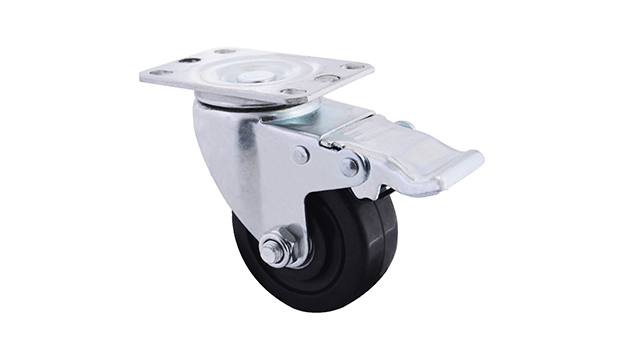
Flat Swivel Castor Wheel With Brake
Chair Casters Ball Bearing Wheels Rubber Base with brake design. Resistant to abrasion, impact and corrosion. Heavy payload can hold 70Kgs per pcs,which can make it works at a stable and smooth status.
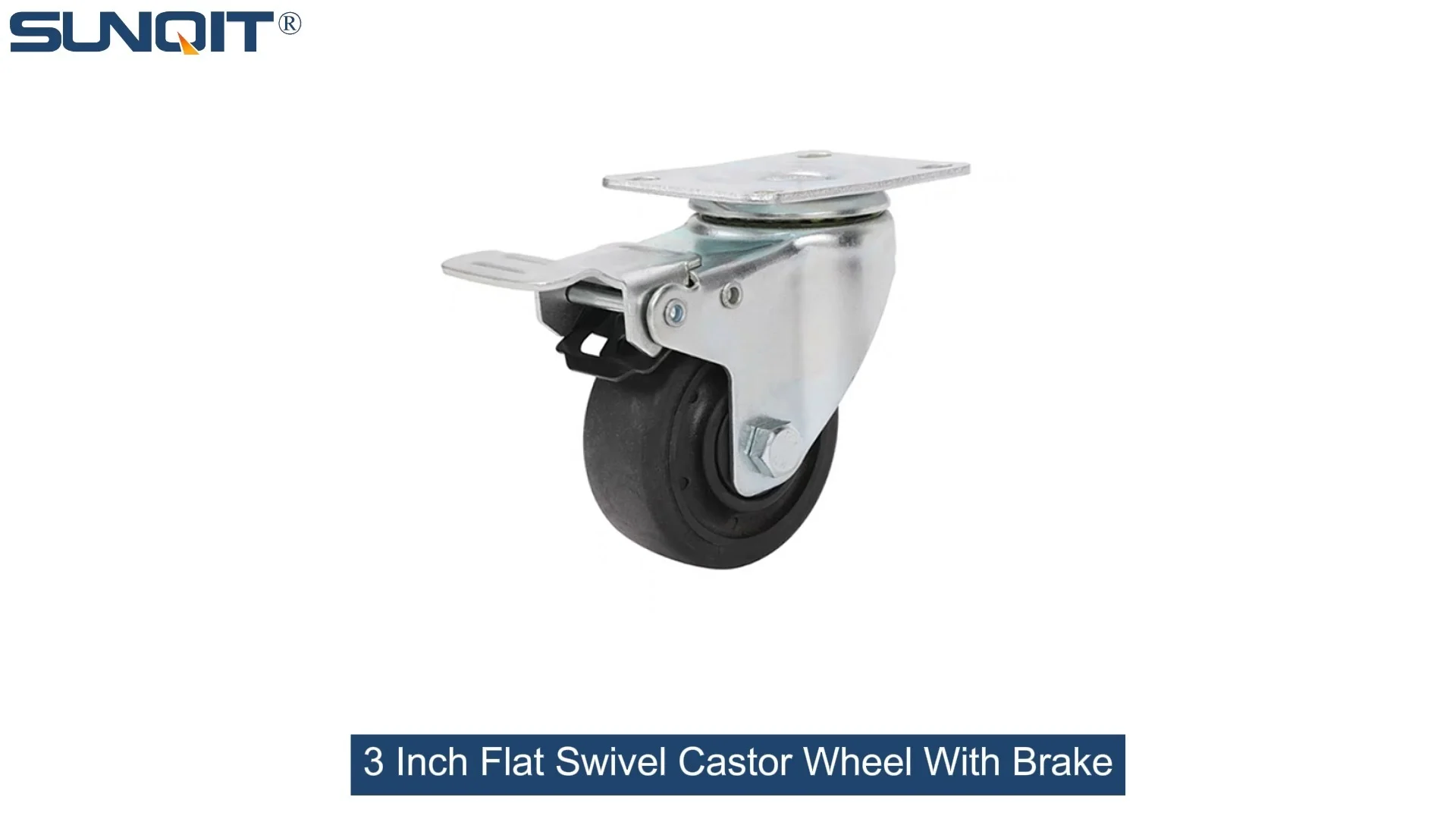
When you're pushing a loaded cart through a warehouse, adjusting a hospital bed, or even moving a heavy office cabinet, there's a small but mighty component working behind the scenes to make that movement feel effortless: the caster wheel. These unassuming wheels are the unsung heroes of efficiency, turning static objects into mobile tools that keep our workplaces, hospitals, and factories running smoothly. But within every caster wheel, there's another layer of engineering genius: the bearing. Today, we're diving deep into two of the most common bearing types found in one of the most versatile caster designs out there—the flat swivel castor wheel with brake. We'll explore how ball bearings and roller bearings stack up, and why choosing the right one can make all the difference in performance, durability, and safety.
Why Bearings Matter in Castor Wheels
Before we jump into the specifics of ball and roller bearings, let's take a moment to appreciate why bearings are so critical in caster wheels. At their core, bearings are mechanical components that reduce friction between moving parts. In a caster wheel, the bearing sits between the wheel hub and the axle, allowing the wheel to rotate freely while supporting the weight of the load above. Without a well-designed bearing, even the sturdiest caster wheel would feel clunky, require excessive force to move, and wear out quickly.
Now, when we talk about a flat swivel castor wheel with brake , the bearing's role becomes even more vital. Swivel casters need to rotate 360 degrees smoothly to allow easy maneuvering, while the brake mechanism relies on the wheel's ability to stop suddenly and hold position without slipping. A poorly chosen bearing can lead to jerky swiveling, brakes that don't engage properly, or wheels that wear unevenly—all of which can disrupt workflow, increase the risk of accidents, or drive up maintenance costs.
Meet the Contenders: Ball Bearings vs. Roller Bearings
When it comes to caster wheels, two bearing types dominate the market: ball bearings and roller bearings. Each has its own unique design, strengths, and weaknesses, making them better suited for specific applications. Let's break down how each works and what sets them apart.
Ball Bearings: The Smooth Operators
Ball bearings are the most common type of bearing you'll find in everyday caster wheels—and for good reason. Their design is elegantly simple: a set of small, spherical balls housed between two metal rings (called races). The balls roll between the inner and outer races, reducing friction as the wheel turns. This spherical shape allows the balls to distribute weight evenly and roll in multiple directions, which is why ball bearings are prized for their smooth, low-friction operation.
In caster wheels, the most common subtype of ball bearing is the deep groove ball bearing. As the name suggests, these bearings have a deep, uninterrupted groove in the races, which allows them to handle both radial loads (weight pressing down on the wheel) and axial loads (sideways pressure, like when swiveling the caster). This versatility makes deep groove ball bearings a go-to choice for light to medium-duty applications where smooth movement and maneuverability are key.
Advantages of Ball Bearings in Castor Wheels:
- Low Friction: The rolling action of the balls creates minimal friction, making ball-bearing casters easy to push even when loaded—ideal for applications where frequent movement or precise positioning is needed (think medical carts or office chairs).
- High Speed Capability: Because they generate less heat and friction, ball bearings perform well at higher speeds. This is why you'll often find them in casters used on equipment that needs to move quickly, like assembly line trolleys.
- Compact Design: Ball bearings are smaller and lighter than roller bearings, which means they can fit into slimmer wheel hubs. This is a big plus for applications where space is limited, such as under furniture or in tight industrial spaces.
- Cost-Effective: Ball bearings are generally less expensive to manufacture than roller bearings, making caster wheels equipped with them more budget-friendly for light to medium-duty use.
Disadvantages of Ball Bearings:
- Lower Load Capacity: The small contact area between the balls and races means ball bearings can't handle as much weight as roller bearings. Overloading a ball-bearing caster can cause the balls to deform or the races to crack, leading to premature failure.
- Sensitive to Misalignment: Ball bearings rely on precise alignment between the inner and outer races. If the axle is bent or the wheel hub is warped, the balls may not roll evenly, increasing friction and wear.
- Less Durable in Harsh Environments: While sealed ball bearings can protect against dust and debris, they're still more vulnerable to damage from heavy impacts or extreme temperatures compared to some roller bearing designs.
Roller Bearings: The Heavy Lifters
If ball bearings are the smooth operators, roller bearings are the heavy lifters of the bearing world. Instead of spherical balls, roller bearings use cylindrical, tapered, or spherical rollers to reduce friction. These rollers have a larger contact area with the races, which allows them to distribute weight more evenly and handle significantly heavier loads than ball bearings.
In caster wheels, cylindrical roller bearings are the most common type of roller bearing. They consist of long, thin cylindrical rollers that align parallel to the axle, providing high radial load capacity. Tapered roller bearings, which have conical rollers, are another option—they excel at handling both radial and axial loads, making them popular in heavy-duty swivel casters where stability is critical.
Advantages of Roller Bearings in Castor Wheels:
- Superior Load Capacity: The larger contact area of the rollers allows roller bearings to support much heavier loads than ball bearings. A single roller bearing can often handle two to three times the weight of a similarly sized ball bearing, making them ideal for industrial applications like warehouse trolleys, construction equipment, or machinery carts loaded with aluminum extrusion profiles or steel parts.
- Better Misalignment Tolerance: Unlike ball bearings, many roller bearings (especially spherical roller bearings) can tolerate slight misalignment between the axle and wheel hub. This makes them more durable in rugged environments where equipment may get bumped or jostled.
- Longer Lifespan Under Heavy Loads: Because they distribute weight more evenly, roller bearings experience less stress per unit area, which reduces wear and extends the life of the caster wheel—even when used daily with heavy loads.
- Stability at Low Speeds: While they may not match ball bearings for high-speed performance, roller bearings shine at low speeds, providing steady, predictable movement for heavy carts that don't need to zip around but do need to stay stable.
Disadvantages of Roller Bearings:
- Higher Friction: The larger contact area of the rollers creates more friction than ball bearings, which means roller-bearing casters can feel heavier to push, especially when unloaded. This can be a downside in applications where frequent, easy movement is prioritized over load capacity.
- Bulkier Design: Roller bearings are larger and heavier than ball bearings, which can make caster wheels bigger and harder to fit into tight spaces. This is less of an issue in industrial settings but can be a problem for consumer products or medical equipment where size matters.
- Higher Cost: The more complex manufacturing process for roller bearings makes them pricier than ball bearings. For light-duty applications, this extra cost may not be justified.
Ball vs. Roller Bearings in Flat Swivel Castor Wheel with Brake: A Head-to-Head Comparison
Now that we understand how ball and roller bearings work, let's focus on how they perform specifically in a flat swivel castor wheel with brake . This type of caster is unique because it combines three key features: a flat mounting plate (for easy attachment to carts or equipment), a swivel mechanism (for 360-degree maneuvering), and a brake (to lock the wheel in place). The bearing's design directly impacts how well each of these features works.
To make the comparison clearer, let's break down the key factors that matter most in this context:
| Factor | Ball Bearings | Roller Bearings |
|---|---|---|
| Load Capacity | Best for light to medium loads (up to ~500 lbs per caster, depending on size). | Best for heavy to extra-heavy loads (500 lbs+ per caster, with some models handling over 2,000 lbs). |
| Maneuverability | Excellent—low friction allows smooth swiveling and easy direction changes, even in tight spaces. | Good, but higher friction makes swiveling slightly harder, especially with heavy loads. |
| Brake Performance | Smooth braking—low inertia means the wheel stops quickly and evenly when the brake is applied. | Strong braking—heavier wheels and higher friction can help the brake hold more securely under heavy loads. |
| Durability | Good for clean, low-impact environments (offices, hospitals). Vulnerable to damage from heavy impacts or debris. | Excellent for rugged, high-impact environments (warehouses, construction sites). Better at handling dust, dirt, and misalignment. |
| Maintenance Needs | Low—sealed ball bearings require minimal lubrication and are easy to clean. | Moderate—may need more frequent lubrication to reduce friction, especially in dirty environments. |
| Ideal Applications | Medical carts, office furniture, light industrial trolleys, retail display units. | Heavy-duty warehouse trolleys, machinery carts, construction equipment, loading docks. |
Real-World Scenarios: Which Bearing is Right for You?
To put this comparison into context, let's look at a few real-world examples of how ball and roller bearings perform in flat swivel castor wheels with brake :
Scenario 1: A Hospital Medication Cart
A medication cart needs to be lightweight, easy to push through narrow hospital corridors, and able to stop suddenly when a nurse needs to access supplies. The loads are moderate (medications, syringes, maybe a laptop), but maneuverability and smooth braking are critical. Here, ball bearings shine: their low friction makes the cart easy to push, even for staff in scrubs, and their smooth rotation ensures the brake locks the wheel without jerking, preventing spills or accidents.
Scenario 2: A Warehouse Trolley for Aluminum Extrusion Profiles
A warehouse trolley used to transport
aluminum extrusion profiles
(which can weigh 100+ lbs each) needs to handle heavy loads daily. The trolley moves slowly but must be stable, and the brake needs to hold it in place on sloped loading docks. Roller bearings are the clear choice here: their high load capacity prevents the wheels from buckling under the weight, and their tolerance for misalignment means they'll keep working even after the trolley gets bumped into walls or racks.
Scenario 3: An Office Printer Stand
An office printer stand is moved occasionally (when reconfiguring the workspace) and needs to stay put when in use. The load is light to medium (a printer, paper trays), and the caster wheels need to be unobtrusive. Ball bearings are perfect here: they're compact, cheap, and make moving the stand a one-person job. The brake, paired with the smooth ball bearing rotation, ensures the stand won't slide around on the office carpet.

The Role of Caster Accessories in Bearing Performance
While the bearing itself is critical, it doesn't work alone. Caster accessories like seals, lubricants, and brake components can significantly impact how well a ball or roller bearing performs in a flat swivel castor wheel with brake. Let's take a closer look at a few key accessories:
Seals and Shields: These accessories protect the bearing from dust, dirt, and moisture. For ball bearings, which are more sensitive to debris, a rubber seal or metal shield can extend lifespan by preventing particles from getting between the balls and races. Roller bearings, while more rugged, still benefit from seals in dirty environments like warehouses or construction sites.
Lubricants: Both bearing types need proper lubrication to reduce friction and wear. Ball bearings typically use light oils or greases that flow easily, while roller bearings may require heavier greases to handle the higher contact pressures. Many caster manufacturers pre-lubricate bearings, but regular re-lubrication (especially in high-use or dirty settings) is key to longevity.
Brake Mechanisms: The brake on a flat swivel castor wheel with brake usually works by pressing a pad against the wheel tread or locking the axle. For ball bearings, a brake that applies even pressure is important to prevent the wheel from skidding (since ball bearings roll so smoothly). For roller bearings, a stronger brake pad may be needed to overcome the higher friction and hold heavy loads in place.

Maintenance Tips to Extend Bearing Life
No matter which bearing type you choose, proper maintenance is essential to keep your flat swivel castor wheels with brakes performing at their best. Here are some tips to extend bearing life:
- Clean Regularly: Wipe down caster wheels and bearings with a damp cloth to remove dirt, debris, or spilled liquids. For sealed bearings, this prevents buildup around the seals that could eventually cause them to fail.
- Lubricate as Needed: Check the manufacturer's guidelines for lubrication intervals. In general, ball bearings may need lubrication every 6 months to a year (depending on use), while roller bearings in heavy-duty applications may need it more often.
- Inspect for Wear: Look for signs of bearing wear, such as unusual noise (grinding or squeaking), uneven wheel wear, or play in the wheel (wobbling when spun). If you notice any of these, replace the bearing or caster wheel immediately—worn bearings can damage the axle or brake mechanism.
- Avoid Overloading: Stick to the caster's rated load capacity. Overloading is the number one cause of bearing failure, whether you're using ball or roller bearings.
- Use the Brake Properly: Don't rely on the brake to hold a load on a steep incline (casters aren't designed for that). Also, avoid slamming on the brake at high speeds—this can shock the bearing and cause premature wear.
Final Thoughts: Choosing the Right Bearing for Your Needs
At the end of the day, the choice between ball bearings and roller bearings in a flat swivel castor wheel with brake comes down to your specific needs. If you're prioritizing maneuverability, smooth movement, and cost for light to medium loads, ball bearings are the way to go. If you need to handle heavy loads, durability in rugged environments, or stability at low speeds, roller bearings are worth the investment.
Remember, there's no "one size fits all" solution. Even within ball and roller bearings, there are subtypes (like sealed vs. open, or tapered vs. cylindrical rollers) that can fine-tune performance for your application. When in doubt, consult with a caster supplier who can help you match the bearing type, wheel material, and brake design to your unique requirements.
Whether you're outfitting a hospital cart, a warehouse trolley, or an office chair, the right bearing will ensure your flat swivel castor wheel with brake works hard for you—quietly, efficiently, and reliably—for years to come.