- Company Articles
- Products and Technology
- Product knowledge
- Bearing Types for 60 Aluminum Roller Track Small Wheel: Ball Bearings vs. Sleeve Bearings

Bearing Types for 60 Aluminum Roller Track Small Wheel: Ball Bearings vs. Sleeve Bearings
Related Product
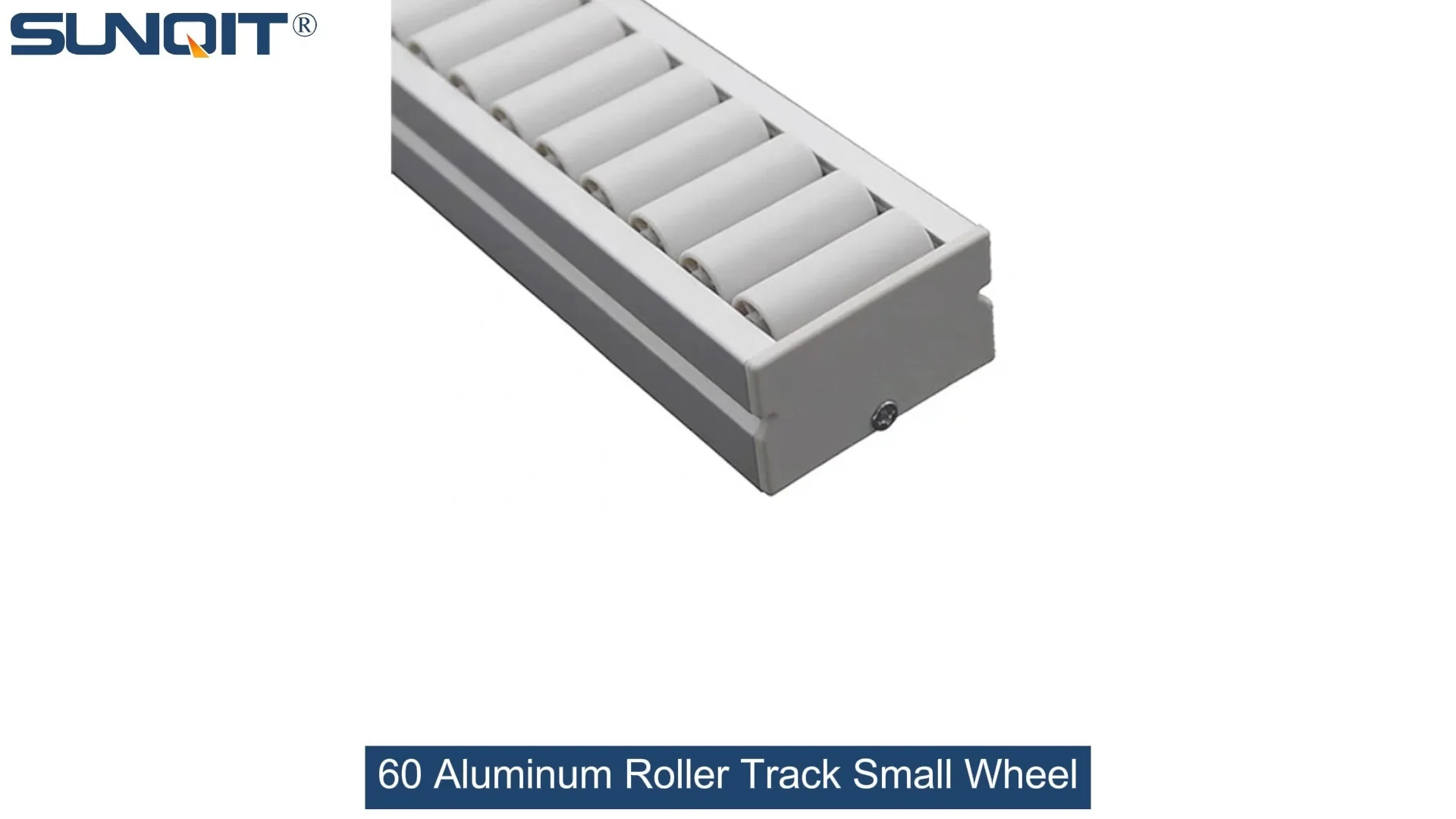
60 Aluminum Roller Track Small Wheel
Modular system roller tracks aluminum gravity roller tracks are an excellent solution for transporting materials within industrial environments, warehouses and distribution centres.
If you've ever worked with a flow rack or a lean pipe workbench, you know how every tiny component contributes to the overall efficiency of your operations. One component that often goes unnoticed but plays a critical role is the bearing inside the 60 aluminum roller track small wheel. These wheels are the backbone of many lean system setups, helping move materials smoothly across conveyors, flow racks, and workstations. Choosing the right bearing type for these wheels can mean the difference between a seamless, low-maintenance operation and one plagued by frequent breakdowns and inefficiencies. In this article, we'll take a deep dive into two of the most common bearing options—ball bearings and sleeve bearings—and help you decide which one is the best fit for your needs.
1. What Are 60 Aluminum Roller Track Small Wheels?
Before we get into bearings, let's first understand the product itself. The 60 aluminum roller track small wheel is a compact, durable wheel designed for use in roller track systems. Made from high-quality aluminum, these wheels are lightweight yet strong, making them ideal for a wide range of applications. They're commonly found in flow racks, conveyors, and lean pipe workbenches—all key components of modern lean systems.
These wheels are part of the roller track accessories offered by szsunqit.com, a leading supplier of lean system solutions. The 60 in the name refers to the diameter of the wheel (60mm), which makes it suitable for medium to light loads. Whether you're moving small parts in a 3C assembly line or storing medical devices in a flow rack, these wheels are designed to handle the job efficiently.
The performance of these wheels depends heavily on the bearings they use. Bearings reduce friction between the wheel and its axle, allowing the wheel to spin freely. Without the right bearing, even the highest-quality wheel will underperform, leading to slower material movement, increased wear and tear, and higher maintenance costs.
2. Ball Bearings for 60 Aluminum Roller Track Small Wheels: Pros, Cons & Best Use Cases
How Ball Bearings Work
Ball bearings are made up of a set of metal balls held in place by a cage (or retainer) between an inner and outer ring. When the wheel spins, the balls roll between the rings, reducing friction between the wheel and the axle. This rolling action is what makes ball bearings so efficient at minimizing resistance.
For 60 aluminum roller track small wheels, ball bearings are often sealed to protect them from dust, dirt, and moisture. Sealed ball bearings require less maintenance and last longer than unsealed ones, making them a popular choice for industrial applications.
Key Advantages of Ball Bearings
- Low Friction: The rolling action of the balls reduces friction significantly, allowing the wheel to spin quickly and smoothly. This is especially beneficial for high-speed applications like conveyors in 3C assembly lines.
- High Load Capacity: Ball bearings can handle heavier loads than sleeve bearings of the same size. This makes them ideal for moving heavy components or pallets across your lean system.
- Long Lifespan: When properly maintained, sealed ball bearings can last for years. They're resistant to wear and tear, even under constant use.
- Versatility: Ball bearings work well in a variety of environments, from dry warehouses to slightly humid production floors. Sealed versions are even suitable for dusty areas.
Key Disadvantages of Ball Bearings
- Higher Cost: Ball bearings are more expensive than sleeve bearings. If you're working with a tight budget, this might be a consideration.
- Sensitivity to Misalignment: If the wheel is not properly aligned with the axle, ball bearings can wear out faster. This requires careful installation and regular checks.
- Noise: While not extremely loud, ball bearings do produce a slight rolling noise, which might be a concern in very quiet environments like medical device manufacturing facilities.
Best Use Cases for Ball Bearings
Ball bearings are the go-to choice for applications that require high speed, heavy loads, or frequent use. Some examples include:
- Conveyors in 3C assembly lines where components move quickly and continuously.
- Flow racks for heavy parts like automotive components.
- Lean pipe workbenches used for assembly tasks that involve moving heavy tools or parts.

3. Sleeve Bearings for 60 Aluminum Roller Track Small Wheels: Pros, Cons & Best Use Cases
How Sleeve Bearings Work
Sleeve bearings (also known as plain bearings) are simpler in design than ball bearings. They consist of a cylindrical sleeve made from a low-friction material (like bronze, plastic, or rubber) that fits over the axle. When the wheel spins, the sleeve slides against the axle, reducing friction through the use of lubrication (either oil or grease).
For 60 aluminum roller track small wheels, sleeve bearings are often made from self-lubricating materials, which means they require minimal maintenance.
Key Advantages of Sleeve Bearings
- Cost-Effective: Sleeve bearings are significantly cheaper than ball bearings. This makes them a great choice for budget-conscious projects or applications where high performance isn't a top priority.
- Quiet Operation: Sleeve bearings produce almost no noise, as there are no rolling parts. This is ideal for environments where noise reduction is important, like medical device storage areas or office-based warehouses.
- Low Maintenance: Self-lubricating sleeve bearings require little to no maintenance. You don't have to worry about re-lubricating them regularly, which saves time and money.
- Resistance to Misalignment: Sleeve bearings are more forgiving of minor misalignments between the wheel and axle. This makes installation easier and reduces the risk of premature wear.
Key Disadvantages of Sleeve Bearings
- Higher Friction: Sleeve bearings have higher friction than ball bearings, which means they're not suitable for high-speed applications. The sliding action can cause the wheel to spin slower and use more energy.
- Lower Load Capacity: Sleeve bearings can't handle as much weight as ball bearings. They're best used for light to medium loads.
- Shorter Lifespan: While low-maintenance, sleeve bearings tend to wear out faster than ball bearings, especially under heavy use. This means you'll have to replace them more often.
Best Use Cases for Sleeve Bearings
Sleeve bearings are perfect for applications that require quiet operation, low cost, or light loads. Some examples include:
- Flow racks for light items like electronic components or medical supplies.
- Lean pipe workbenches used for packaging tasks where materials are moved infrequently.
- Conveyors in low-speed environments like small-scale warehouses.

4. Head-to-Head Comparison: Ball Bearings vs. Sleeve Bearings
| Bearing Type | Friction Level | Speed Range | Load Capacity | Maintenance Needs | Cost | Noise Level | Resistance to Misalignment | Ideal Applications | Lifespan |
|---|---|---|---|---|---|---|---|---|---|
| Ball Bearings | Low (rolling friction) | High (up to 1000 RPM) | High (can handle up to 50kg per wheel) | Moderate (sealed bearings require occasional checks; unsealed need lubrication) | Higher (15-20% more expensive than sleeve bearings) | Low to moderate (rolling noise) | Low (sensitive to misalignment) | High-speed conveyors, heavy-load flow racks, industrial lean pipe workbenches | Long (2-5 years with proper maintenance) |
| Sleeve Bearings | Moderate (sliding friction) | Low (up to 300 RPM) | Medium (up to 25kg per wheel) | Low (self-lubricating; minimal checks needed) | Lower (budget-friendly option) | Very low (almost silent) | High (forgiving of minor misalignment) | Quiet environments, light-load flow racks, low-speed conveyors | Medium (1-3 years depending on use) |

5. How to Choose the Right Bearing for Your Needs
Choosing between ball bearings and sleeve bearings for your 60 aluminum roller track small wheels depends on several key factors. Here's a step-by-step guide to help you make the right decision:
Factor 1: Load Capacity
First, consider the weight of the materials you'll be moving. If you're handling heavy items (like automotive parts or large pallets), ball bearings are the better choice. For light to medium loads (like electronic components or small boxes), sleeve bearings will work just fine.
Factor 2: Speed Requirements
Next, think about how fast you need the wheels to spin. If your application requires high-speed movement (like a conveyor in a 3C assembly line), ball bearings are the way to go. For low-speed applications (like a flow rack where items are moved manually), sleeve bearings are more than sufficient.
Factor 3: Budget
Budget is always a consideration. If you're working with a tight budget, sleeve bearings are the more cost-effective option. However, keep in mind that ball bearings have a longer lifespan, so they might save you money in the long run by reducing replacement costs.
Factor 4: Environment
The environment where your wheels will be used also plays a role. If your workspace is dusty or humid, sealed ball bearings are a good choice because they're resistant to contamination. For quiet environments (like medical device manufacturing), sleeve bearings are better due to their silent operation.
Factor 5: Maintenance
If you don't have the time or resources for regular maintenance, sleeve bearings are the better option. They require minimal upkeep, whereas ball bearings need occasional checks to ensure they're properly lubricated and aligned.
6. Real-World Applications in Lean Systems
Use Case 1: 3C Assembly Line
A leading 3C manufacturer needed a conveyor system to move smartphone components across their assembly line. They chose 60 aluminum roller track small wheels with ball bearings from szsunqit.com. The ball bearings allowed the components to move quickly and smoothly, reducing bottlenecks and increasing productivity. The high load capacity of the ball bearings also meant they could handle the weight of the component trays without any issues.
Use Case 2: Medical Device Storage
A medical device company needed a flow rack system to store small, delicate components. They opted for 60 aluminum roller track small wheels with sleeve bearings. The sleeve bearings provided quiet operation, which was essential in their low-noise facility. The cost-effectiveness of the sleeve bearings also helped them stay within their budget while still getting a high-quality solution.
Use Case 3: Warehouse Logistics
A warehouse needed a mixed system of conveyors and flow racks. For their high-speed conveyors, they used ball bearings, and for their light-load flow racks, they used sleeve bearings. Szsunqit.com's roller track accessories made it easy to mix and match, allowing the warehouse to optimize their operations for both speed and cost.
7. Why Quality Bearings Matter for Your Lean Operations
In a lean system, every bit of waste is a problem. Frequent breakdowns, slow material movement, and high maintenance costs are all forms of waste that can eat into your profits. Choosing high-quality bearings for your 60 aluminum roller track small wheels is an investment in reducing these wastes.
Szsunqit.com's roller track accessories are made with top-quality bearings that are designed to last. Their ball bearings are sealed to prevent contamination, and their sleeve bearings are self-lubricating to reduce maintenance. By choosing these high-quality components, you can ensure that your lean system runs smoothly, with minimal downtime and maximum efficiency.
Remember, the right bearing choice is not just about cost—it's about finding the balance between performance, durability, and budget that works for your specific application. Whether you choose ball bearings or sleeve bearings, szsunqit.com has the right solution for you.
Conclusion
The 60 aluminum roller track small wheel is a critical component of many lean system setups, and the bearing inside it plays a key role in its performance. Ball bearings are ideal for high-speed, heavy-load applications, while sleeve bearings are perfect for low-speed, light-load, and quiet environments.
When choosing between the two, consider factors like load capacity, speed requirements, budget, environment, and maintenance needs. Szsunqit.com offers both options as part of their roller track accessories, so you can find the perfect fit for your operations.
By choosing the right bearing, you can optimize your lean system for efficiency, reduce waste, and increase productivity. Whether you're setting up a new flow rack, conveyor, or lean pipe workbench, the right bearing choice will help you get the most out of your investment.