- Company Articles
- Products and Technology
- Product knowledge
- Beginner's Guide to Turning Angle Code 2020 for Lean Tube System Beginners

Beginner's Guide to Turning Angle Code 2020 for Lean Tube System Beginners
Related Product
Urning Angle Code 2020
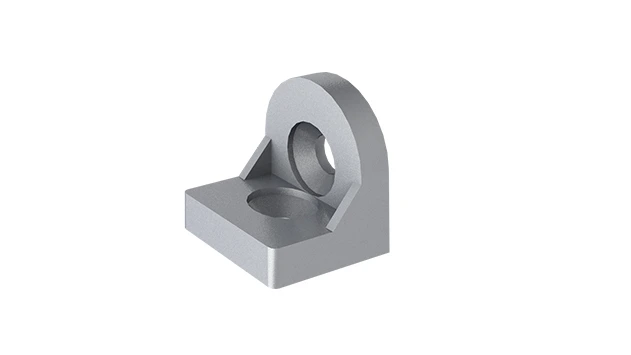
The turning angle aluminum profile connector provides a 90 degree hidden corner connection. 2020 it is means this size is used for 20 series aluminum profile.The corner code comes with set screws that allow for quick, easy connections.
Introduction: Demystifying the Lean Tube System
If you're new to the world of lean manufacturing or workshop organization, the term "lean tube system" might sound like industry jargon. But here's the truth: it's one of the most versatile, cost-effective tools you'll ever encounter for building everything from workbenches to material racks. At its core, a lean tube system is a modular framework made of tubes, joints, and accessories that lets you design and assemble custom structures tailored to your needs—no welding or complex tools required.
As a beginner, you'll quickly realize that the magic of these systems lies in their components. From the tubes themselves (often aluminum or steel) to the joints that connect them, every part plays a role. And today, we're zooming in on one component that's easy to overlook but absolutely critical: the Turning Angle Code 2020. By the end of this guide, you'll understand what it is, how it works, and why it's a game-changer for anyone building with lean tube systems.
The Basics: What Even Is a Turning Angle Code?
Let's start with the basics. In any modular system, angles matter. When you're connecting two tubes or profiles at a corner—say, the legs of a workbench to its top frame—you need a component that holds them firmly at the right angle (usually 90 degrees) while keeping the structure stable. That's where angle codes come in. Think of them as the "cornerstones" of your assembly.
Now, the "2020" in Turning Angle Code 2020 refers to its size, specifically designed to fit 20x20mm aluminum profiles. Aluminum profile is the backbone of many modern lean tube systems; it's lightweight, durable, and comes with pre-cut slots (called T-slots) that make attaching accessories a breeze. The Turning Angle Code 2020 is engineered to slide into these T-slots, creating a secure connection between two 20x20mm profiles at a 90-degree angle. Simple, right? But don't let its simplicity fool you—this small component can make or break the stability of your entire project.

Turning Angle Code 2020 vs. Other Angle Codes: A Quick Comparison
Before we dive deeper into the 2020 model, let's clarify how it stacks up against other common angle codes. You might encounter codes like 3030 or 4040, which fit 30x30mm and 40x40mm aluminum profiles, respectively. Choosing the right one depends on your project's size and load requirements. To help you visualize, here's a quick comparison:
| Angle Code Type | Profile Size (mm) | Typical Material | Max Load Capacity (Approx.) | Common Applications |
|---|---|---|---|---|
| Turning Angle Code 2020 | 20x20 | Aluminum/Steel | 50-80 kg per joint | Small workbenches, light-duty material racks, turnover trolleys |
| Turning Angle Code 3030 | 30x30 | Aluminum/Steel | 100-150 kg per joint | Medium workbenches, tool racks, assembly line stations |
| Turning Angle Code 4040 | 40x40 | Steel/Heavy-Duty Aluminum | 200-300 kg per joint | Heavy-duty material racks, industrial workbenches, conveyor supports |
Notice the pattern? Smaller profiles (like 20x20) and their matching angle codes are ideal for lighter, more compact projects. If you're building a workbench for a home workshop or a small assembly station, Turning Angle Code 2020 is likely your best bet. It's lightweight, easy to handle, and affordable—perfect for beginners still getting the hang of assembly.

Anatomy of Turning Angle Code 2020: What Makes It Tick?
Let's get up close and personal with the Turning Angle Code 2020. At first glance, it looks like a small, L-shaped bracket with holes or slots for screws. But its design is surprisingly thoughtful, with features that make assembly smooth even for first-timers.
Most Turning Angle Code 2020 components are made of aluminum or steel. Aluminum is popular for its lightweight and rust-resistant properties, while steel is better for heavier loads. The "L" shape is precision-cut to form a perfect 90-degree angle, ensuring your profiles align straight. On each arm of the "L," you'll find T-slot compatible holes—these are where screws or bolts slide into the aluminum profile's T-slots, locking the angle code in place.
Some models also include reinforcement ribs on the back of the "L" to boost strength without adding extra weight. Others might have rounded edges to prevent scratches during assembly (a small detail that makes a big difference when you're handling parts for hours). And if you're working in an ESD-sensitive environment (like electronics manufacturing), you might even find ESD-safe versions coated in conductive materials—though these are less common for the 2020 size, which is typically used in non-critical settings.
Why Turning Angle Code 2020 Matters for Your Lean Tube System
You might be wondering: "Can't I just use any bracket to connect two profiles?" Technically, yes—but you'll regret it. Here's why Turning Angle Code 2020 is non-negotiable for a reliable lean tube system:
- Precision Alignment: Unlike generic brackets, Turning Angle Code 2020 is engineered to fit 20x20mm aluminum profiles perfectly. This means no gaps, no wobbly connections, and a structure that stays square over time.
- Modularity: Lean tube systems are all about adaptability. If you need to reconfigure your workbench later, you can easily unscrew the angle code, adjust the profile, and reattach it—no damage to the components.
- Load Distribution: A poorly connected corner is a weak point. The Turning Angle Code 2020 distributes weight evenly across the joint, preventing stress cracks or bending in the profile. This is especially important if you're placing tools, parts, or equipment on your structure.
- Cost-Effectiveness: Buying purpose-built angle codes might seem like an extra expense, but they save you money in the long run. Generic brackets often fail, leading to replacement costs or even accidents. Turning Angle Code 2020 is durable enough to last for years, even with regular use.
Step-by-Step: How to Install Turning Angle Code 2020
Enough theory—let's get hands-on. Installing Turning Angle Code 2020 is easier than you think, but there are a few tips to ensure a secure fit. Here's a step-by-step guide:
Tools You'll Need
Before you start, gather these tools: a hex key (most angle codes use M5 or M6 screws), a measuring tape, a level, and a rubber mallet (optional, for gently tapping profiles into place).
Step 1: Prepare Your Aluminum Profiles
Start by cutting your 20x20mm aluminum profiles to the desired length (if they aren't pre-cut). Use a fine-tooth saw for clean edges, and deburr the ends with sandpaper to avoid sharp edges. Lay the profiles on a flat surface where you'll assemble them—this could be a table or even the floor (just put down a cloth to protect the profiles).
Step 2: Position the Turning Angle Code
Take your Turning Angle Code 2020 and hold it against the end of one profile. Align the holes in the angle code with the T-slots in the profile. The angle code's "L" shape should point toward where the second profile will connect—for example, if you're building a square frame, the angle code will sit at the corner, with one arm on the horizontal profile and the other on the vertical profile.
Step 3: Secure with Screws
insert T-slot screws into the angle code's holes and tighten them with the hex key. Don't over-tighten yet—you'll want to adjust the alignment later. Repeat this for the second profile, sliding it into the other arm of the angle code and securing it with screws.
Step 4: Check Alignment with a Level
Now, use the level to ensure the corner is square (90 degrees). If it's off, loosen the screws slightly, adjust the profiles, and retighten. This step is crucial—even a small misalignment can make the entire structure wobbly.
Step 5: Final Tightening
Once everything is square, fully tighten the screws. Aim for a firm fit—you should feel resistance, but the screw heads shouldn't strip the aluminum. If you're using steel angle codes, you might need a bit more force, but aluminum ones require a gentle touch to avoid damaging the threads.
Pro Tip:
If you're assembling multiple corners (like for a workbench frame), do a "dry fit" first. Connect all the profiles and angle codes loosely, check the overall structure for squareness, then tighten the screws. This saves you from disassembling and reassembling if one corner is off.
Real-World Applications: Where You'll Use Turning Angle Code 2020
Still not sure when to reach for Turning Angle Code 2020? Let's look at some common beginner projects where it shines:
1. Small Workbenches
A basic workbench—like "Workbench E (single deck-without caster)" from many lean pipe suppliers—is a classic project for beginners. The frame is typically a rectangle made of 20x20mm aluminum profiles, with Turning Angle Code 2020 at each of the four corners. The angle codes ensure the legs stay perpendicular to the top frame, so your workbench doesn't rock when you're using tools.
2. Light-Duty Material Racks
Need a place to store small parts or tools? A simple material rack with 2-3 shelves can be built with 20x20mm profiles and Turning Angle Code 2020 at the vertical corners. The angle codes connect the upright posts to the horizontal shelf supports, keeping the shelves level and stable.
3. Turnover Trolleys
Turnover trolleys are great for moving parts around a workshop. Their frames are often compact, making 20x20mm profiles ideal. Turning Angle Code 2020 connects the trolley's sides to its base, ensuring it can handle the weight of parts without bending.
4. Assembly Line Stations
Even in small-scale manufacturing, assembly line stations need to be sturdy but flexible. A simple station with a tabletop and a few tool hooks can be built with 20x20mm profiles and Turning Angle Code 2020, allowing you to adjust the height or add accessories later.
Common Mistakes Beginners Make (and How to Avoid Them)
Even with a simple component like Turning Angle Code 2020, beginners can run into issues. Here are the most common mistakes and how to steer clear of them:
Mistake 1: Using the Wrong Profile Size
Turning Angle Code 2020 is designed for 20x20mm profiles. If you accidentally use a 30x30mm profile, the angle code won't fit, and you'll end up with a loose connection. Always double-check the profile dimensions before buying angle codes—most lean pipe suppliers list both the profile size and compatible accessories.
Mistake 2: Over-Tightening Screws
It's tempting to crank down on the hex key to "make sure it's tight," but aluminum profiles are soft. Over-tightening can strip the T-slots or crack the angle code, ruining both components. Tighten until you feel resistance, then stop—you can always check and retighten later if needed.
Mistake 3: Ignoring Load Limits
Remember the load capacity we mentioned earlier? Turning Angle Code 2020 can handle 50-80 kg per joint, but that's a maximum. If you're building a shelf to hold heavy tools, don't skimp on angle codes—upgrade to a 3030 or 4040 system instead. Overloading a 2020 joint will bend the profile or break the angle code, leading to a collapse.
Mistake 4: Skipping the Level Check
"Eye-balling" the angle might seem fine, but a slightly off-kilter corner will throw off the entire structure. Take the time to use a level—your back (and your projects) will thank you when the workbench doesn't wobble every time you lean on it.
Choosing the Right Turning Angle Code 2020: What to Look For
Not all Turning Angle Code 2020 components are created equal. When shopping, keep these factors in mind to ensure you get a quality product:
Material
Aluminum angle codes are lightweight and rust-resistant, making them great for indoor use. Steel angle codes are stronger but heavier and prone to rust if not coated—save them for outdoor or heavy-duty projects. Most beginners will do fine with aluminum.
Finish
Look for a smooth, burr-free finish. Rough edges can scratch profiles or your hands during assembly. Anodized aluminum angle codes are a good choice—they're durable and have a clean, professional look.
Compatibility with Accessories
Some angle codes come with extra holes or slots for attaching accessories like shelves or hooks. If you think you might add accessories later, choose a model with these features. And don't forget to check if the angle code works with your aluminum profile accessories—like end caps or T-slot nuts.
Supplier Reputation
Not all lean pipe suppliers are reliable. Cheap, low-quality angle codes might bend or break after minimal use. Look for suppliers with good reviews, clear product specifications, and responsive customer service. A reputable supplier will also help you confirm that the angle code is compatible with your profiles—don't hesitate to ask questions!
Advanced Tips: Taking Your Turning Angle Code 2020 Skills to the Next Level
Once you've mastered the basics, there are ways to get even more out of your Turning Angle Code 2020. Here are some advanced tips:
Custom Angles (Beyond 90 Degrees)
While Turning Angle Code 2020 is designed for 90-degree connections, some models have slotted holes that let you adjust the angle slightly (e.g., 85 or 95 degrees) for non-square structures. If you need a custom angle, look for "adjustable" Turning Angle Code 2020 variants—they're a bit pricier but worth it for unique projects.
Reinforcing Joints for Heavy Loads
For projects that need extra strength (like a workbench that will hold heavy machinery), add a gusset plate alongside the Turning Angle Code 2020. A gusset is a small metal plate that sits diagonally across the corner, distributing weight even further. Most aluminum profile accessories kits include gussets, so check with your supplier.
Painting or Labeling Angle Codes
If you're building multiple structures or working in a team, paint or label your Turning Angle Code 2020 components by project. This saves time when disassembling and reassembling, especially if you have similar-looking parts.
Maintenance Checks
Over time, screws can loosen from vibration or use. Every few months, give your structure a quick once-over with a hex key to tighten any loose Turning Angle Code 2020 screws. This simple step will extend the life of your lean tube system.
Conclusion: Your Journey to Lean Tube Mastery Starts Here
Turning Angle Code 2020 might seem like a small part of the lean tube system puzzle, but it's a critical one. By understanding how it works, how to install it, and how to avoid common mistakes, you're already well on your way to building sturdy, functional structures that meet your needs.
Remember, the best way to learn is by doing. Start with a simple project—a small workbench or material rack—and practice using Turning Angle Code 2020. As you gain confidence, you'll find that this modular system lets you unleash your creativity, designing custom solutions that make your workshop more efficient, organized, and productive.
So go ahead—grab your aluminum profiles, your angle codes, and your hex key. The world of lean tube systems is waiting, and you've just taken your first step toward mastering it.