- Company Articles
- Products and Technology
- Product knowledge
- Benefits of 4080 Aluminum Profile End Caps for Modular Workstations

Benefits of 4080 Aluminum Profile End Caps for Modular Workstations
Related Product
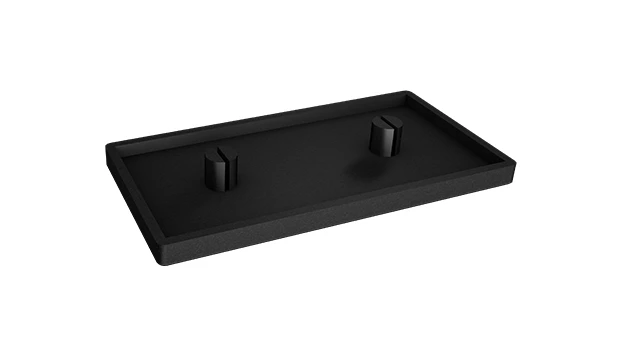
4080 Aluminum Profile End Cap
The aluminum profile end cap adds a finishing touch to your project and closes off profile ends to limit dust and debris buildup, also it can avaid some scratch for material and labor during the assemble work.
Walk into any modern factory, warehouse, or assembly line, and you'll likely notice a common thread: modular workstations. These flexible, customizable setups are the backbone of efficient production, adapting to everything from electronics manufacturing to automotive assembly. At the heart of these workstations lies a quiet hero: the aluminum extrusion profile. Lightweight yet strong, corrosion-resistant, and infinitely configurable, aluminum profiles like the 4080 series form the "skeleton" of workbenches, material racks, and conveyor systems. But even the sturdiest skeleton needs finishing touches—and that's where 4080 aluminum profile end caps come in. Often overlooked, these small accessories play a huge role in turning a basic frame into a safe, durable, and professional workstation. In this article, we'll dive into why these unassuming caps matter, exploring their benefits for workers, businesses, and the longevity of modular setups.
The Backbone of Modular Workstations: Aluminum Extrusion Profiles
Before we zoom in on end caps, let's set the stage with the star of the show: aluminum extrusion profiles. These are not your average metal tubes. Aluminum extrusion profiles are created by forcing heated aluminum through a die, shaping it into precise cross-sections—like the 4080 series, which measures 40mm by 80mm. This process results in profiles with consistent strength, hollow cores for weight reduction, and T-slots along their length. Those T-slots are game-changers: they let you attach accessories like brackets, shelves, and lighting without drilling or welding, making reconfiguration a breeze. It's why industries worldwide rely on aluminum profiles to build workstations that grow with their needs.
Take a typical workbench in an electronics plant, for example. Its frame might be built from 4080 aluminum profiles, with shelves, tool holders, and ESD mats attached via T-slot accessories. Or consider a material rack in a warehouse: 4080 profiles form the uprights and beams, supporting heavy loads while staying lightweight enough to reposition if workflows change. In short, aluminum extrusion profiles are the "building blocks" of modular design, offering the strength of steel with the flexibility of a modular system.
What Are 4080 Aluminum Profile End Caps?
Now, imagine assembling a workstation with 4080 profiles. You cut the profiles to length, connect them with joints, and add shelves—all straightforward. But what about the raw, cut ends of the profiles? Left uncovered, they're sharp, unfinished, and prone to collecting dust or moisture. That's where 4080 aluminum profile end caps step in. These are small, usually plastic or rubber covers designed to snap or press-fit into the open ends of 4080 profiles. Think of them as the "caps" on a marker: simple, but essential for keeping the inside clean and the outside safe.
End caps come in various materials, from rigid plastic for general use to soft rubber for noise reduction or ESD (electrostatic discharge) safe versions for sensitive environments like semiconductor labs. Some are plain, while others have subtle designs to match the profile's aesthetics. But regardless of style, their core job is the same: to finish the profile, protect it, and enhance the workstation's functionality.

Why End Caps Matter: Key Benefits for Modular Workstations
1. Safety First: Eliminating Hazards for Workers
Let's start with the most critical benefit: safety. Raw aluminum profile ends are sharp. Even a slight bump from a worker reaching for a tool or moving a part could result in a cut. In fast-paced environments like assembly lines, where every second counts, the last thing anyone needs is a preventable injury. End caps blunt these edges, turning a potential hazard into a smooth, safe surface.
Consider a scenario in an automotive parts factory. Workers spend hours a day leaning over a 4080 profile workbench, attaching components to car doors. Without end caps, the edge of the profile frame could catch on their sleeves, scratch their arms, or even tear gloves—creating distractions and safety risks. With end caps, the edges are rounded and soft, reducing the chance of accidents. It's a small change, but it adds up to fewer injuries, lower workers' compensation claims, and a more trusting team environment.
ESD-safe end caps take this a step further. In electronics manufacturing, static electricity can damage sensitive components like circuit boards. Rubber or conductive plastic end caps prevent static buildup, ensuring that even accidental contact with the workstation frame doesn't ruin expensive parts. For workers in cleanrooms or labs, this isn't just a convenience—it's a requirement.
2. Durability: Protecting Profiles from Wear and Tear
Aluminum profiles are tough, but they're not invincible. The open ends of a profile act like a magnet for dust, dirt, and moisture. Over time, debris can build up inside, clogging T-slots and making it harder to attach accessories. Moisture, especially in humid warehouses or outdoor settings, can lead to internal corrosion, weakening the profile from the inside out.
End caps seal these ends, creating a barrier against the elements. Think of them as a raincoat for your profile: they keep out the bad stuff while letting the profile do its job. In a busy warehouse, where profiles might be exposed to spills, dust, or even forklift fumes, this protection extends the profile's lifespan by years. Instead of replacing a corroded profile, you simply clean or replace the end cap—saving time and money in the long run.
Impact resistance is another plus. Workstations take a beating: parts get dropped, tools get knocked over, and carts bump into frames. An uncovered profile end can dent or bend on impact, warping the T-slot and making accessories hard to attach. End caps absorb some of that shock, acting as a buffer. A plastic end cap might crack on a hard hit, but replacing it costs a fraction of repairing the profile itself.
3. Aesthetics: Polishing the Workstation's Look
First impressions matter—even in factories. A workstation with raw, unfinished profile ends looks unprofessional, like a project left half-done. This might seem trivial, but studies show that clean, organized workspaces boost employee morale and productivity. Workers take more pride in their tasks when their environment feels intentional and well-maintained.
End caps give workstations a polished, cohesive look. Whether they're color-matched to the profile (think silver caps on aluminum frames) or subtly contrasting (black caps for a modern touch), they hide the rough edges and create a uniform appearance. This is especially important for businesses that host clients or auditors. A neat, professional workstation signals attention to detail—something that builds trust with partners and customers.
In industries like food processing or pharmaceuticals, where cleanliness is regulated, aesthetics and hygiene go hand in hand. Smooth, covered profile ends are easier to clean than raw, crevice-filled ends, reducing the risk of bacterial growth. End caps here aren't just about looks—they're about compliance.
4. Functionality: Keeping Workstations Running Smoothly
Beyond safety and looks, end caps enhance functionality. Let's start with cable management. Many modular workstations have wires for tools, lights, or sensors running through the hollow cores of aluminum profiles. Without end caps, dust and debris can enter the profile, clogging the space and making it harder to route cables. End caps keep the interior clean, ensuring wires slide through easily during setup or reconfiguration.
Some end caps even come with built-in features to boost functionality. For example, vented end caps allow air circulation, preventing heat buildup in profiles used to house electronics. Others have small notches for cable exits, turning the profile into a built-in cable raceway. These little design tweaks might seem minor, but they reduce the need for extra accessories like cable ties or external raceways, keeping the workstation clutter-free.
5. Cost-Effectiveness: Saving Money in the Long Run
At first glance, end caps might seem like an unnecessary expense. Why spend money on small plastic pieces when the profile works without them? But this is a classic case of "pay now or pay later." Let's break down the costs:
- Injury costs: A single cut from a sharp profile end could lead to medical bills, lost work hours, or even legal fees. End caps cost pennies compared to these expenses.
- Profile replacement: A corroded or dented profile end might require cutting the profile shorter or replacing it entirely. 4080 aluminum profiles aren't cheap—end caps protect this investment.
- Maintenance time: Cleaning debris out of open profile ends takes time. With end caps, you spend less time on upkeep and more time on productive work.
Over the lifespan of a workstation, end caps pay for themselves many times over. They're a low-cost insurance policy for your modular setup.
6. Compatibility: Fitting Seamlessly with Other Accessories
Modular workstations thrive on compatibility. Your 4080 profile needs to work with joints, brackets, shelves, and more. End caps are designed to play nice with these accessories, ensuring they don't interfere with the profile's T-slots or connection points.
For example, if you're attaching a side bracket to a 4080 profile, the end cap sits flush inside the profile, leaving the T-slot fully accessible. Some end caps even have recessed edges to accommodate corner joints, ensuring a tight, secure fit between profiles. This compatibility means you can mix and match accessories without worrying about the end caps getting in the way.

End Cap Options: A Comparison Guide
| End Cap Material | Key Features | Best For | Price Range (Per Unit) | Durability Rating (1-5) |
|---|---|---|---|---|
| Standard Plastic | Rigid, lightweight, easy to install | General-purpose workstations, dry environments | $0.50–$1.50 | 3/5 |
| Rubber | Soft, noise-dampening, non-slip | Workstations with frequent impacts, ESD-sensitive areas | $1.00–$2.50 | 4/5 |
| ESD-Safe Plastic | Conductive, prevents static buildup | Electronics manufacturing, cleanrooms | $2.00–$4.00 | 3/5 |
| Metal (Aluminum/Stainless Steel) | Heavy-duty, corrosion-resistant | Outdoor use, high-impact industrial settings | $3.00–$6.00 | 5/5 |
Real-World Impact: How End Caps Transform Workstations
Example 1: Automotive Assembly Line Workbench
A major automotive manufacturer was struggling with frequent minor injuries on their assembly line. Workers assembling car door panels were bumping into the raw ends of 4080 profile workbenches, leading to cuts and scrapes. After installing rubber end caps, injury reports dropped by 70% in three months. The soft rubber also reduced noise from tools being set down, making the line quieter and less stressful for workers.
Example 2: Semiconductor Cleanroom
A semiconductor lab needed ESD-safe workstations to handle microchips. Their 4080 aluminum profiles were causing static buildup, which could damage sensitive components. Switching to ESD-safe plastic end caps grounded the profiles, eliminating static discharge. The clean, uniform look of the caps also helped the lab pass a critical ISO audit, as auditors noted the attention to contamination control.
Example 3: Warehouse Material Rack
A logistics company was replacing 4080 profiles on their material racks every 2–3 years due to corrosion from warehouse humidity. After adding plastic end caps to seal the profile ends, the racks lasted 5+ years without signs of internal rust. The company saved over $10,000 in replacement costs in the first year alone.
Choosing the Right End Caps: Tips for Buyers
Not all end caps are created equal. Here's how to pick the best ones for your workstation:
- Assess your environment: Indoor, dry workstations can use standard plastic caps. Outdoor or humid areas need rubber or metal for moisture resistance. ESD-sensitive spaces require conductive materials.
- Consider usage: Workstations with heavy tools or frequent impacts need durable rubber or metal caps. Light-duty setups (like office workbenches) can get by with standard plastic.
- Check compatibility: Ensure the end caps are designed for 4080 aluminum profiles specifically. Sizes vary (e.g., 2020, 3030), and a poor fit will compromise protection.
- Buy in bulk: End caps are cheap, but buying in bulk saves on shipping and ensures you have spares for replacements. Most suppliers offer discounts for orders over 100 units.
- Test first: Order a small sample pack to test installation ease and durability before committing to a large order. A cap that's hard to install will slow down workstation assembly.
Conclusion: Small Parts, Big Results
4080 aluminum profile end caps might not be the most glamorous part of a modular workstation, but they're undeniably essential. From keeping workers safe to protecting profiles from damage, enhancing aesthetics to boosting functionality, these small accessories deliver outsized benefits. They're a reminder that in modular design, every detail counts—even the ones you might not notice at first glance.
So, the next time you're building or upgrading a workstation, don't skip the end caps. They're a low-cost, high-impact investment in safety, durability, and professionalism. After all, a workstation is only as strong as its weakest link—and with end caps, that link just got a whole lot stronger.