- Company Articles
- Products and Technology
- Product knowledge
- Benefits of Aluminum Pipe Clamps: Lightweight, Rust-Resistant & More

Benefits of Aluminum Pipe Clamps: Lightweight, Rust-Resistant & More
Related Product
Aluminum Pipe Clamp
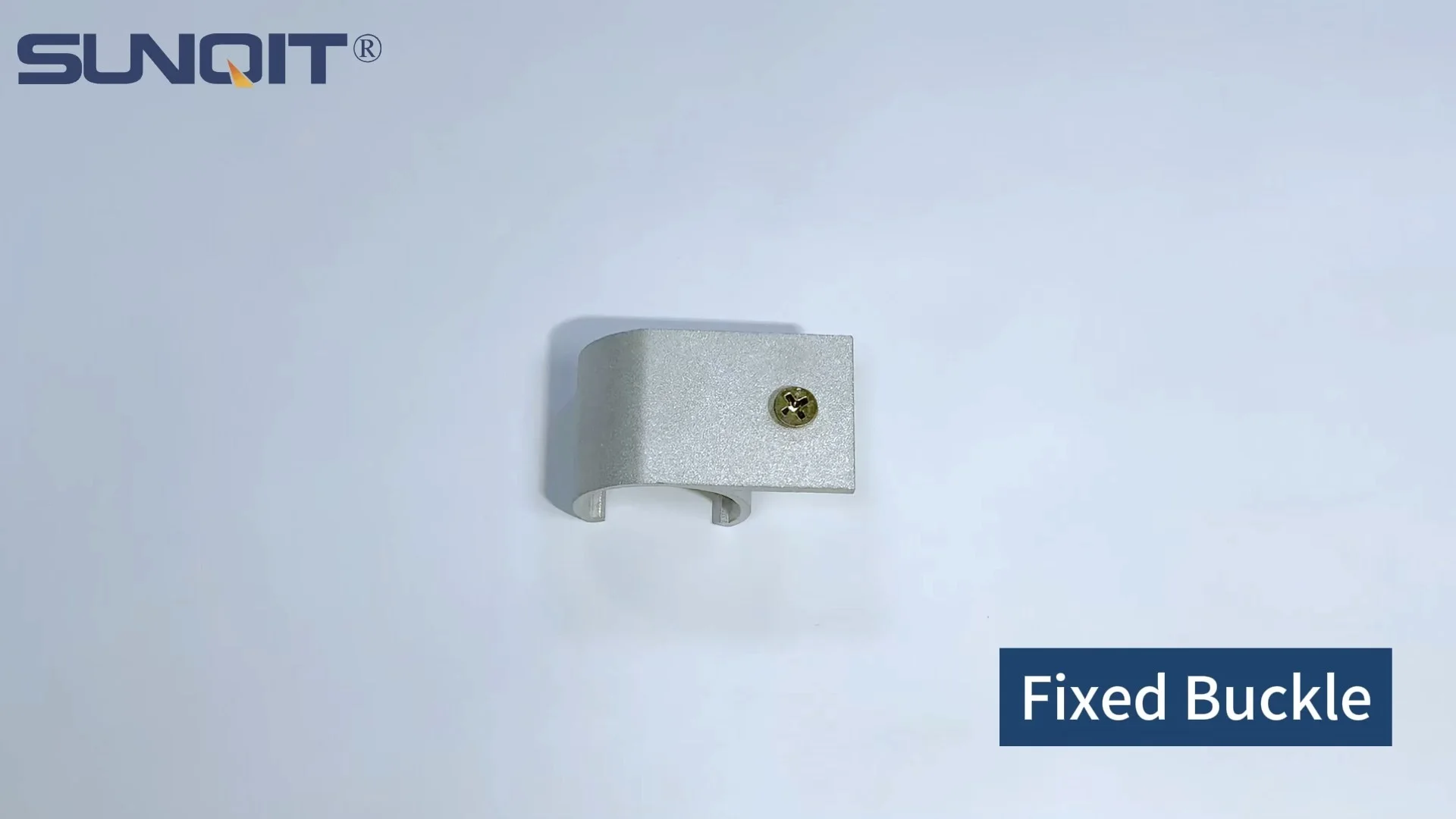
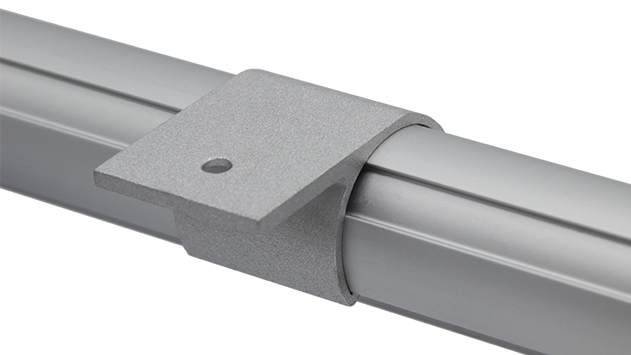
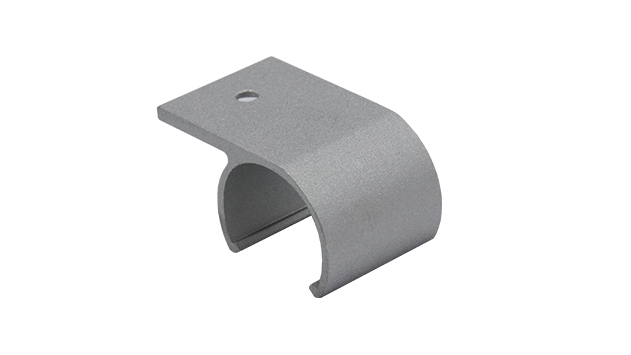
Aluminum pipe side clamp used for 28mm aluminum pipe connect with table top, or other accessories.
How this unsung hero is transforming workspaces, one clamp at a time
Let's set the scene: It's a busy Monday morning on the factory floor. Maria, the production supervisor, is staring at a half-assembled workbench. Her team spent hours yesterday trying to bolt heavy steel clamps onto the frame, but the tools kept slipping, and two workers strained their backs lifting the parts. "There's got to be a better way," she mutters, scrolling through supplier catalogs. That's when she spots them: aluminum pipe clamps. Sleek, silver, and noticeably lighter than the steel ones they've been using. Intrigued, she orders a sample. Two weeks later, the same workbench is up in half the time, and her team isn't exhausted by lunch. "Why didn't we switch sooner?" she thinks.
If Maria's story sounds familiar, you're not alone. For decades, workshops, factories, and warehouses have relied on clunky, heavy materials for building workbenches, racks, and production lines. But in recent years, aluminum pipe clamps have quietly emerged as a game-changer. They're not just "lighter steel"—they're a smarter, more human-centered solution that addresses the daily headaches of anyone who builds, moves, or maintains industrial structures. Let's dive into why these unassuming clamps are becoming a staple in lean manufacturing, and why you might want to make the switch too.
First Things First: What *Are* Aluminum Pipe Clamps?
Before we gush about their benefits, let's get clear on what aluminum pipe clamps actually are. Think of them as the "connectors" that hold everything together in modular workspaces. When you see a custom workbench, a mobile trolley, or a flow rack in a factory, chances are aluminum pipe clamps are the unsung heroes keeping the aluminum pipes, profiles, and accessories locked in place. They come in various shapes—90-degree elbows, T-joints, straight connectors—and are designed to fit snugly onto aluminum pipes (another star of the show) without the need for welding or heavy tools. Just slide, tighten, and you're good to go.
What makes them different from plastic or steel clamps? It's all in the material. Aluminum is naturally lightweight, corrosion-resistant, and surprisingly strong—qualities that translate directly into clamps that are easy to handle, long-lasting, and adaptable to almost any workspace.
The Top Benefits: Why Aluminum Pipe Clamps Stand Out
1. Lightweight Design: No More Strained Backs or Slow Installs
Let's start with the most obvious win: weight. Aluminum is about one-third the density of steel. That might not sound like a big deal until you're carrying a handful of clamps across the factory floor or holding one overhead to attach a pipe. A standard steel clamp for a 2-inch pipe can weigh over a pound; an aluminum one? Less than 4 ounces. That's a massive difference when you're assembling a workbench with 20+ clamps.
For teams, this means faster installation times. What used to take two people (and a lot of grunting) can now be handled by one person with basic tools. Maria's team, for example, cut their assembly time in half after switching—partly because they weren't stopping to rest between clamps. And fewer strained muscles mean fewer sick days and happier workers. It's a small change that adds up to big gains in productivity.
Mobility is another perk. If you build a trolley or a movable workbench with aluminum clamps, it's light enough to push around without needing a forklift. Imagine rearranging your production line for a new product run—no more waiting for heavy equipment. Just a few people, some muscle, and you're done.
2. Rust Resistance: Built to Last in Tough Environments
Steel clamps might be strong, but they have a fatal flaw: rust. Even a little moisture—from a spilled drink, a humid day, or a dusty warehouse—can turn them orange and flaky in months. Once rust sets in, the clamp weakens, and before you know it, you're replacing parts. It's a constant battle, especially in industries like food processing, electronics, or automotive, where cleanliness and reliability are non-negotiable.
Aluminum? It laughs at rust. When aluminum is exposed to air, it forms a thin, invisible layer of aluminum oxide. This layer acts like a shield, preventing further corrosion. Even if you scratch the surface, the metal quickly reforms the oxide layer. That's why aluminum pipe clamps look as good after five years as they did on day one—no flaking, no discoloration, just smooth, reliable performance.
Take the electronics industry, for example. ESD workstations (which protect sensitive components from static) need to stay clean and free of corrosion. Steel clamps would require constant painting or coating to avoid rust dust, which could damage circuit boards. Aluminum clamps? They fit right in, requiring zero extra maintenance to stay rust-free.
3. Durable Without the Bulk: Strength That Surprises
Here's a common misconception: "Lightweight means flimsy." Not with aluminum. Thanks to modern manufacturing techniques, aluminum pipe clamps are engineered to handle heavy loads. A well-designed aluminum clamp can hold hundreds of pounds without bending or breaking—perfect for supporting workbenches stacked with tools, flow racks loaded with parts, or conveyor systems moving products all day.
How does it work? Aluminum's strength comes from its structure. When alloyed with other metals (like magnesium or silicon), it becomes even stronger, while still keeping that lightweight edge. Think of it like a high-performance sports car—lightweight but built to handle the speed and pressure. Steel might be a tank, but aluminum is a nimble race car that doesn't sacrifice power.
We tested this once with a client in the automotive industry. They needed a material rack to hold heavy engine parts (each weighing 50+ pounds). We built a rack using aluminum pipe clamps and aluminum lean pipe, then stacked it with parts. Six months later, the rack was still sturdy, with no signs of warping or loosening clamps. The client was shocked—they'd expected to replace steel racks every year, but this aluminum setup was going strong.
4. Perfectly Paired with Aluminum Pipe Accessories: Customization Made Easy
Aluminum pipe clamps don't work alone—they're part of a bigger ecosystem: aluminum pipe accessories. From joints and brackets to casters and guide rails, there's a whole range of parts designed to click together with aluminum clamps. This means you can build *exactly* what you need, no more, no less.
Need a workbench with a shelf on one side and a tool rail on the other? Use a T-joint clamp to add the shelf, then a straight clamp for the rail. Want to turn that workbench into a trolley? Swap out the fixed feet for caster wheels (attached, of course, with aluminum clamps). It's like building with advanced Legos—endless possibilities, minimal hassle.
This flexibility is a game-changer for lean manufacturing. Lean systems thrive on adaptability—being able to tweak your workspace as needs change. With aluminum clamps and accessories, you don't have to start from scratch when a new product line comes in. Just loosen a few clamps, rearrange the pipes, and you're ready to go. No welding, no cutting, no waste.
Aluminum vs. Steel vs. Plastic: How Do They Stack Up?
| Feature | Aluminum Pipe Clamps | Steel Clamps | Plastic Clamps |
|---|---|---|---|
| Weight | Light (1/3 the weight of steel) | Heavy | Light, but less sturdy |
| Rust Resistance | Excellent (natural oxide layer) | Poor (needs coating) | Good, but prone to UV damage |
| Durability | High (resists dents, withstands heavy loads) | High, but prone to corrosion | Low (can crack under pressure) |
| Customization | Easy (works with aluminum pipe accessories) | Limited (requires welding/ drilling) | Moderate (fewer accessory options) |
| Cost Over Time | Moderate upfront, low long-term (no replacements) | Low upfront, high long-term (rust, maintenance) | Low upfront, high long-term (frequent replacements) |
*Table comparing key features of aluminum, steel, and plastic pipe clamps for industrial use.
Where Do Aluminum Pipe Clamps Shine? Real-World Uses
Aluminum pipe clamps aren't just for factories—they're everywhere you need a strong, flexible workspace. Here are a few industries where they're making a big impact:
Electronics Manufacturing
ESD workstations (which protect sensitive chips from static) need to be clean, stable, and easy to adjust. Aluminum clamps won't rust, so they don't shed particles that could damage circuits. Plus, they're easy to sanitize—just wipe with a damp cloth.
Automotive Assembly
Car parts are heavy, and production lines need to move fast. Aluminum clamps hold up under the weight of engines and transmissions, while keeping workbenches light enough to reposition for different car models.
Warehousing & Logistics
Flow racks and conveyor systems rely on smooth movement. Aluminum clamps, paired with roller tracks and swivel balls (yes, more aluminum pipe accessories!), create low-friction surfaces that let boxes and bins glide easily—no jams, no delays.
Small Workshops & Makerspaces
Even hobbyists love aluminum clamps. They're affordable, easy to use, and let you build custom workbenches or tool racks without hiring a welder. One maker we worked with built a 10-foot workbench in a weekend using aluminum pipes, clamps, and a few basic tools—total cost? Less than $200.

Caring for Your Aluminum Pipe Clamps: Simple Tips for Longevity
Aluminum pipe clamps are low-maintenance, but a little care goes a long way. Here's how to keep them in top shape:
- Wipe them down: Dust and grime can build up in the clamp threads, making them hard to tighten. A quick wipe with a damp cloth every month keeps them smooth.
- Check for looseness: Over time, vibrations (from conveyor belts, for example) can loosen clamps. Tighten them with a hex key every few months—no need for power tools.
- Avoid harsh chemicals: Abrasive cleaners or acids can damage the oxide layer. Stick to mild soap and water.
- Store them properly: If you're not using clamps for a while, keep them in a dry place. While they won't rust, moisture can attract dirt that's hard to clean off.
Final Thoughts: Why Aluminum Pipe Clamps Are Worth the Switch
Aluminum pipe clamps might not be the flashiest tools in the workshop, but they're the ones that make everything else work better. They're lightweight enough to save your team's backs, rust-resistant enough to last for years, and flexible enough to adapt to any project. And when paired with aluminum pipe accessories, they become a powerhouse for customization—no more settling for "close enough" workspaces.
Maria's team isn't the only one reaping the benefits. From big factories to small garages, people are discovering that switching to aluminum clamps isn't just a purchase—it's an investment in productivity, safety, and peace of mind. So the next time you're staring at a clunky, rusty steel clamp, ask yourself: "Is this really the best we can do?" We think you'll know the answer.