- Company Articles
- Products and Technology
- Product knowledge
- Benefits of Chrome-Plated Parallel Lean Pipe Joints: Corrosion Resistance & Durability

Benefits of Chrome-Plated Parallel Lean Pipe Joints: Corrosion Resistance & Durability
Related Product
Parallel Lean Pipe Joint
Parallel lean pipe joint used for 2 pcs 28MM lean pipe connection in parallel direction to enhance frame structure, usually for heavy payload requirement for workbench. flow rack, hand trolley.
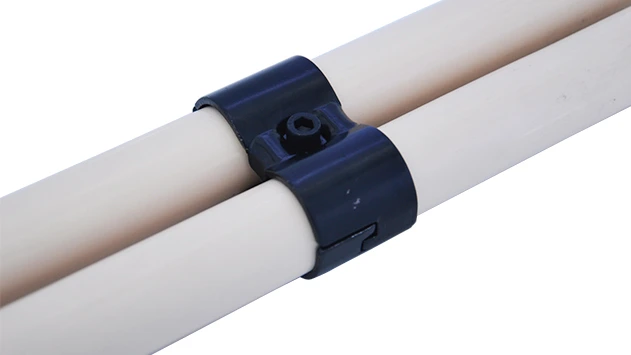
In the fast-paced world of manufacturing and production, every component in your workflow matters. From the workbench where your team assembles products to the roller tracks that move materials across the floor, the right tools and parts can mean the difference between a smooth, efficient operation and one plagued by delays, repairs, and frustration. Today, we're diving into a small but mighty component that plays a huge role in keeping lean systems running strong: the chrome-plated parallel lean pipe joint . If you've ever struggled with wobbly structures, rusted connections, or joints that wear out after a few months, this one's for you. Let's break down why these joints are becoming a go-to choice for factories, warehouses, and workshops—and how they deliver two game-changing benefits: unbeatable corrosion resistance and long-lasting durability.
First Things First: What Even Are Lean Pipe Joints?
Before we get into the specifics of chrome-plated parallel joints, let's make sure we're all on the same page about lean pipe joints in general. If you're familiar with lean manufacturing, you know the focus is on minimizing waste, maximizing efficiency, and staying flexible. Lean pipes (also called "lean tubes") are the backbone of this system—lightweight, modular tubes that can be combined with joints, casters, and other accessories to build everything from workbenches and flow racks to turnover trolleys and material racks. And the joints? They're the "glue" that holds it all together. Without strong, reliable joints, your carefully designed lean structure is just a pile of tubes waiting to collapse.
Lean pipe joints come in all shapes and sizes: fixed angles, rotating, crossing, and more. But today, we're zooming in on parallel lean pipe joints —the ones designed to connect two pipes side by side, creating stable, parallel structures. Think of the horizontal supports under a workbench or the rails on a flow rack—those are often held together by parallel joints. Now, add a chrome plating to that, and you've got a joint that's not just functional, but built to withstand the tough conditions of a busy production floor.
The Lowdown on Chrome-Plated Parallel Lean Pipe Joints
So, what makes these joints different? Let's start with the basics. Chrome-plated parallel lean pipe joints are typically made from high-quality steel (sometimes with a base of iron) that's then coated with a layer of chromium via electroplating. This process isn't just for looks—though the shiny, silver finish does give them a clean, professional appearance. The real magic is in what that chrome layer does: it acts as a shield, protecting the underlying metal from the elements, chemicals, and wear that can take a toll over time.
But it's not just the plating that matters. The "parallel" design is key, too. Unlike some joints that connect pipes at angles (like 45° or 90°), parallel joints are engineered to keep two pipes perfectly aligned side by side. This creates a stronger, more stable base for structures that need to support weight—think of a workbench loaded with tools or a flow rack stacked with heavy components. When pipes are parallel and securely joined, the weight is distributed evenly, reducing stress on individual joints and extending the life of the entire structure.

Benefit #1: Corrosion Resistance—Fighting Rust in Tough Environments
Let's talk about the first big benefit: corrosion resistance. If you've ever worked in a factory or warehouse, you know the environment can be harsh. Maybe your facility has high humidity, especially if you're near a coast or in a region with wet seasons. Or perhaps you're dealing with oils, coolants, or cleaning chemicals that spill or splash onto your equipment. Even something as simple as regular mopping or condensation from temperature changes can introduce moisture to your lean structures. And where there's moisture, there's rust—and rust is the enemy of any metal component.
Unplated steel joints or even basic painted joints might hold up for a few months, but over time, that moisture seeps in, and you'll start to see orange-brown spots. At first, it's just unsightly. But then, the rust weakens the metal. A joint that once held firm starts to loosen. Your workbench wobbles when you lean on it. The flow rack sags under the weight of materials. Before you know it, you're replacing joints every few months, which means downtime, extra costs, and the hassle of disassembling and rebuilding structures. Not exactly "lean," right?
This is where chrome plating shines. Chromium is naturally resistant to corrosion because it forms a thin, invisible layer of chromium oxide on its surface when exposed to air. This layer acts like a protective barrier, preventing moisture, oxygen, and chemicals from reaching the steel underneath. Even if the plating gets a small scratch (which can happen with heavy use), that oxide layer self-heals over time, continuing to protect the joint. Compare that to a painted joint, where a scratch exposes the steel directly to the elements—and rust sets in fast.
I recently spoke with a production manager at a small electronics factory in Ohio who switched to chrome-plated parallel joints after struggling with rust issues. Their facility uses water-based cleaning solutions to keep workbenches sterile, and within six months, their old unplated joints were rusting so badly that the workbenches became unstable. "We were replacing joints every quarter," he told me. "It was a constant headache. After switching to chrome-plated, we haven't had a single rusted joint in two years. The workbenches still look new, and the team doesn't have to worry about wobbling while they're soldering tiny components. It's been a game-changer."

Benefit #2: Durability—Built to Last Through the Grind
Corrosion resistance is a big win, but what about durability? Let's face it: lean structures take a beating. Your team is constantly adjusting the height of a workbench, moving a turnover trolley loaded with parts, or sliding materials along a roller track. Every time someone bumps into a rack, tightens a joint, or rearranges a structure, that joint is under stress. A flimsy joint will bend, crack, or wear out quickly under that kind of pressure. But chrome-plated parallel lean pipe joints? They're built to take it.
First, the base material matters. Most high-quality chrome-plated joints start with a solid steel core—strong enough to handle the weight and stress of daily use. Then, the chrome plating adds an extra layer of hardness. Chromium is harder than steel, so the plating acts like a armor, resisting scratches, dents, and wear from friction. Think about how often you connect and disconnect joints when reconfiguring a structure. With unplated joints, the threads or clamping surfaces can wear down over time, making them loose or impossible to tighten properly. Chrome plating reduces that wear, so the joint stays tight and secure, even after dozens of reassemblies.
Another factor is the design of the parallel joint itself. By distributing weight evenly between two parallel pipes, these joints reduce the load on any single point. For example, if you have a workbench with a parallel joint supporting the front rail, the weight of tools, parts, and workers is spread across both pipes, not on one. This reduces stress on the joint and the pipes, extending the life of the entire structure. Compare that to a single-pipe joint, which has to bear all the weight alone—and is much more likely to bend or fail under pressure.
Let's take a real-world example. A warehouse in Texas that handles automotive parts uses chrome-plated parallel joints on their material racks (the kind that hold heavy engine components). They told me that before switching, they were replacing joints every 8-10 months because the constant loading and unloading of heavy parts would bend or crack the old joints. "We have forklifts moving in and out all day, and sometimes the racks get bumped," the warehouse supervisor explained. "With the chrome-plated joints, we've had the same racks for over three years, and the joints still look and function like new. We don't even think about them anymore—they just work."
More Than Just Corrosion and Durability: Compatibility and Ease of Use
While corrosion resistance and durability are the stars here, it's worth mentioning two more perks that make chrome-plated parallel lean pipe joints a standout choice: compatibility and ease of use. These joints are designed to work seamlessly with standard lean pipes (whether steel, aluminum, or even stainless steel pipe series ), as well as a wide range of lean pipe and accessories like casters, roller tracks, and workbench surfaces. That means you don't have to overhaul your entire system to switch to these joints—you can mix and match them with the components you already have, keeping costs low and minimizing disruption.
Installation is a breeze, too. Unlike welded joints (which require special tools and skills) or glued joints (which are permanent and messy), chrome-plated parallel joints typically use a clamping mechanism. You slide the pipe into the joint, tighten a screw or bolt, and you're done. No welding, no glue, no hassle. This makes it easy for your team to reconfigure structures on the fly—whether you need to adjust a workbench height for a new project or build a temporary flow rack for a rush order. And because the joints are reusable, you can take apart old structures and rebuild them with minimal waste—a core principle of lean manufacturing.
How Do They Stack Up Against Other Joints? A Quick Comparison
You might be wondering: are chrome-plated parallel joints the only option? Of course not. There are plastic joints, unplated steel joints, and even stainless steel joints out there. To help you see why chrome-plated parallel joints stand out, let's put them head-to-head with a few common alternatives in a quick comparison table:
| Joint Type | Corrosion Resistance | Durability (Wear & Tear) | Load Capacity | Best For |
|---|---|---|---|---|
| Chrome-Plated Parallel Lean Pipe Joint | Excellent (chrome oxide barrier resists moisture/chemicals) | High (hard chrome plating resists scratches; steel core handles stress) | High (even weight distribution across parallel pipes) | Humid environments, heavy use, structures needing frequent reconfiguration |
| Unplated Steel Joint | Poor (rusts easily in moisture/chemicals) | Medium (steel core is strong but wears quickly without plating) | Medium-High (depends on steel thickness) | Dry, low-moisture environments with light use |
| Plastic Joint | Good (resists moisture but not harsh chemicals) | Low (prone to cracking under heavy weight or impact) | Low (not ideal for heavy loads) | Light-duty structures, temporary setups, dry environments |
| Stainless Steel Joint (from stainless steel pipe series ) | Excellent (naturally corrosion-resistant) | High (stainless steel is strong and wear-resistant) | Very High (stainless steel has high tensile strength) | Extreme environments (acids, saltwater); heavy industrial use |
As you can see, stainless steel joints (from the stainless steel pipe series ) also offer great corrosion resistance and durability, but they're often more expensive and heavier, which can make them overkill for smaller operations or structures that need to be moved frequently. Chrome-plated parallel joints hit that sweet spot: they're affordable, lightweight, and tough enough for most manufacturing and warehouse needs—without the premium price tag of stainless steel.
Real-World Applications: Where Chrome-Plated Parallel Joints Shine
Now that we've covered the benefits, let's talk about where these joints really make a difference. Here are a few common applications where chrome-plated parallel lean pipe joints are a standout choice:
Workbenches: Whether it's a single-deck workbench without casters or a heavy-duty assembly station, parallel joints are used to support the tabletop, shelves, and tool racks. With chrome plating, they resist spills, cleaning chemicals, and moisture—keeping the workbench stable and safe for years.
Flow Racks & Roller Tracks: These structures rely on smooth, stable rails to move materials. Parallel joints keep the roller tracks aligned, preventing jams and ensuring materials glide smoothly. The durability of chrome-plated joints means the tracks stay level even with constant use.
Turnover Trolleys: Trolleys are constantly on the move, bumping into walls, doors, and other equipment. Chrome-plated parallel joints stand up to the impact, keeping the trolley frame from bending or breaking—even when loaded with heavy parts.
Material Racks: Racks holding boxes, bins, or components need to support significant weight. Parallel joints distribute that weight evenly, and the corrosion resistance ensures the racks don't weaken over time—even in humid warehouses.
Tips for Getting the Most Out of Your Chrome-Plated Parallel Lean Pipe Joints
To make sure your chrome-plated parallel lean pipe joints last as long as possible, a little maintenance goes a long way. Here are a few simple tips:
Keep Them Clean: Wipe down joints periodically with a damp cloth to remove dust, dirt, or chemicals. This prevents buildup that could scratch the plating over time.
Tighten When Needed: With heavy use, joints can loosen slightly. Check them every few months and tighten the screws or bolts as needed—this prevents unnecessary stress on the joint and pipes.
Avoid Harsh Chemicals: While chrome plating is resistant to most common factory chemicals, extremely acidic or alkaline solutions can damage the plating. If you're using strong cleaners, test them on a small, hidden part of the joint first.
Store Spare Joints Properly: If you have extra joints in storage, keep them in a dry, cool place. Avoid leaving them on concrete floors or in areas with standing water—even though they're corrosion-resistant, prolonged exposure to extreme moisture isn't ideal.
Final Thoughts: Why Chrome-Plated Parallel Lean Pipe Joints Are Worth the Investment
At the end of the day, lean manufacturing is all about efficiency—and efficiency starts with reliable tools. Chrome-plated parallel lean pipe joints might seem like a small detail, but they deliver big results: corrosion resistance that keeps your structures looking and functioning like new, durability that stands up to the daily grind of production, and compatibility that fits seamlessly with your existing lean pipe and accessories . Whether you're building a new lean system from scratch or upgrading an old one, these joints are an investment that pays off in less downtime, fewer repairs, and a workflow that stays strong for years.
So, if you're tired of replacing rusted, worn-out joints or dealing with wobbly structures, give chrome-plated parallel lean pipe joints a try. Your team will thank you for the stable workbench, your budget will thank you for the reduced replacement costs, and your entire operation will run a little smoother—one strong joint at a time.