- Company Articles
- Products and Technology
- Product knowledge
- Benefits of Chrome-Plated Parallel Rotatory Lean Pipe Joints in Manufacturing

Benefits of Chrome-Plated Parallel Rotatory Lean Pipe Joints in Manufacturing
Related Product
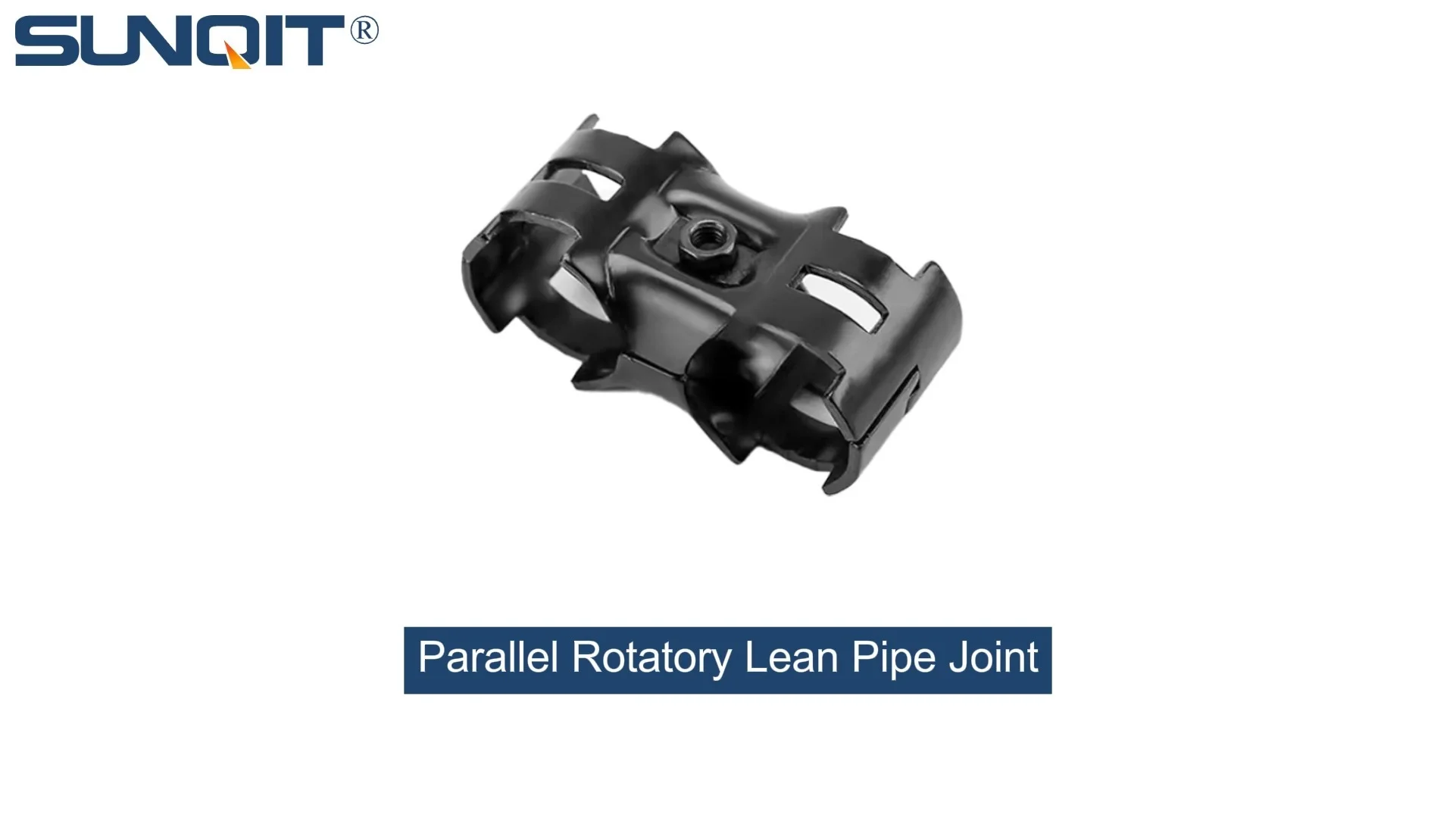
Parallel Rotatory Lean Pipe Joint
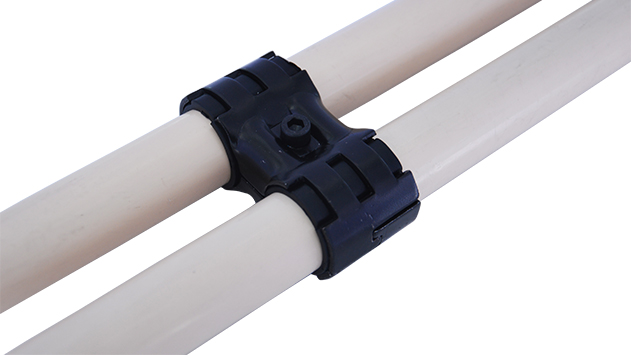
Parallel rotatory lean pipe joint, for 2 pcs pipe conenction in parallel direction with rotatory function.
In the fast-paced world of modern manufacturing, where every second counts and adaptability is key to staying competitive, the difference between success and stagnation often lies in the smallest components. Think about it: a production line that can't adjust to new product specs wastes hours reconfiguring workstations. A material rack that rusts after a few months of use eats into your budget with constant replacements. A joint that seizes up mid-operation brings an entire assembly process to a halt. These aren't just minor inconveniences—they're roadblocks to efficiency, profitability, and growth. That's where lean systems come in, designed to eliminate waste and streamline workflows. But even the best lean strategies rely on the right tools. Today, we're shining a spotlight on a component that's quietly revolutionizing factory floors worldwide: the chrome-plated parallel rotatory lean pipe joint. Small in size but massive in impact, these unassuming connectors are redefining how manufacturers build, adapt, and thrive.
What Are Chrome-Plated Parallel Rotatory Lean Pipe Joints?
Before diving into their benefits, let's get clear on what these joints actually are. At their core, lean pipe joints are the "building blocks" of modular manufacturing structures—think workbenches, material racks, turnover trolleys, and conveyor systems. They connect lean pipes (typically made of aluminum, steel, or plastic-coated steel) to form sturdy, customizable frameworks. But not all joints are created equal. Chrome-plated parallel rotatory lean pipe joints stand out for two key features: their chrome plating and their parallel rotatory mechanism .
The chrome plating isn't just for shine—it's a protective shield. Applied through an electroplating process, this thin layer (usually 0.05mm to 0.1mm thick) forms a barrier against corrosion, scratches, and chemical damage, making the joints ideal for harsh factory environments where oil, moisture, and daily wear are constants. Then there's the "parallel rotatory" design: unlike fixed joints that lock pipes into a single angle, these joints feature a rotating mechanism that allows connected pipes to pivot smoothly along a parallel axis. Imagine a joint that lets you adjust a shelf from 90 degrees (vertical) to 45 degrees (angled) with a simple twist, no tools required. That's the flexibility we're talking about. This combination of durability and adaptability makes them a cornerstone of modern lean manufacturing setups.
Why These Joints Matter: 5 Game-Changing Benefits
Now, let's break down why chrome-plated parallel rotatory lean pipe joints are more than just a upgrade from traditional connectors. From saving time to reducing costs, their benefits ripple through every stage of production assemble.
1. Unmatched Flexibility for Agile Production Lines
In manufacturing, change is the only constant. A factory might produce small circuit boards one week and larger automotive parts the next. A seasonal product line could require doubling shelf space overnight. Traditional fixed joints, which lock pipes into rigid angles, turn these transitions into logistical nightmares. To adjust a workstation, you'd need to disassemble the entire structure, swap out joints, and rebuild—wasting hours (or even days) of valuable production time. Chrome-plated parallel rotatory joints eliminate this hassle.
Their parallel rotatory design allows for on-the-fly adjustments. Need to tilt a roller track to speed up material flow? Loosen the joint, rotate the pipe to the desired angle, and tighten it back down—done in under a minute. Want to lower a workbench surface to accommodate a shorter worker? Adjust the height by rotating the supporting pipes, no disassembly needed. This flexibility isn't just convenient; it's a lifeline for lean systems, which thrive on minimizing waste (including time wasted on reconfiguration). In fact, manufacturers report cutting setup times for new product runs by up to 70% after switching to these joints. For a production line that handles 10+ product changes monthly, that's hundreds of hours saved annually—time that can be redirected to actual production, boosting output and meeting tight deadlines.
2. Superior Durability That Stands the Test of Time
Factory floors are unforgiving. Daily use, heavy loads, exposure to oils and cleaning chemicals, and even accidental bumps from forklifts can take a toll on equipment. Traditional plastic joints crack under pressure, unplated steel joints rust within months, and low-quality metal joints wear down at the pivot points, leading to wobbly structures and safety risks. Chrome-plated parallel rotatory joints, however, are built to last.
The chrome plating acts as a first line of defense against corrosion. In salt spray tests (a common method to measure rust resistance), these joints often withstand 500+ hours without showing signs of degradation—far more than the 200-hour average for unplated alternatives. The rotatory mechanism itself is engineered for longevity, too. High-quality joints use precision-machined steel components and smooth ball bearings (or polymer pivot points) that minimize friction, ensuring the rotation stays smooth even after thousands of adjustments. This durability translates to fewer replacements. While traditional joints might need swapping out every 6–12 months, chrome-plated parallel rotatory joints can last 3–5 years with minimal maintenance. For a factory with 50 workbenches and 20 material racks, that's a 70% reduction in replacement costs over a decade—not to mention the labor saved from not constantly repairing wobbly structures.
3. Cost-Effectiveness That Boosts Your Bottom Line
At first glance, chrome-plated parallel rotatory lean pipe joints might cost slightly more than basic plastic or unplated steel joints. But true cost-effectiveness isn't about the upfront price—it's about the total cost of ownership (TCO). Let's crunch the numbers. Suppose a basic plastic joint costs $2, while a chrome-plated parallel rotatory joint costs $5. On paper, the plastic joint seems cheaper. But if the plastic joint breaks after 6 months and needs replacement (plus labor to install), you're spending $4/year per joint. The chrome-plated joint, lasting 5 years, costs $1/year. Over a decade, that's $40 vs. $10 per joint—a 75% savings. Multiply that by hundreds of joints across your facility, and the savings add up fast.
But the savings don't stop there. Their flexibility reduces the need for custom-built structures. Instead of buying a new workbench for every product size, you can reconfigure an existing one using the same joints and pipes. This "build once, adapt forever" model cuts down on capital expenses for new equipment. Additionally, their durability means fewer production disruptions. A seized joint or collapsed shelf can halt a production line for hours, costing thousands in lost output. With reliable joints, those disruptions become rare, keeping your team productive and your orders on track.
4. Enhanced Safety for Your Most Valuable Asset: Your Team
Safety is non-negotiable in manufacturing. A wobbly workbench, a rusted joint that snaps under load, or a sharp edge from a cracked plastic joint can lead to injuries, workers' compensation claims, and damaged morale. Chrome-plated parallel rotatory joints prioritize safety in every design detail.
First, their secure grip. The rotatory mechanism locks tightly when tightened, ensuring pipes don't slip or shift under heavy loads (many models support up to 50kg per joint). This stability prevents structures like workbenches or turnover trolleys from wobbling, reducing the risk of tools or materials falling. Second, the chrome plating eliminates sharp edges. Unlike plastic joints that can crack and leave jagged edges, or unplated steel that rusts and flakes, the smooth chrome finish is gentle on hands—important for workers who adjust or handle these structures daily. Third, corrosion resistance means joints maintain their integrity over time, avoiding sudden failures. OSHA guidelines emphasize the importance of "maintaining equipment in a safe condition," and these joints make compliance easier by reducing the risk of structural failures due to wear or rust.
5. Seamless Integration with Lean Systems
Lean manufacturing isn't just a buzzword—it's a philosophy centered on continuous improvement, waste reduction, and customer value. Chrome-plated parallel rotatory lean pipe joints aren't just components; they're enablers of lean principles. Let's see how:
- Eliminating Waste (Muda): By allowing quick reconfiguration, these joints reduce "waiting waste" (time spent waiting for setup changes) and "inventory waste" (storing unused custom structures).
- Flexibility for Kaizen (Continuous Improvement): Kaizen relies on small, frequent changes to improve processes. With these joints, teams can test new workstation layouts or material flow paths in minutes, making experimentation easy and risk-free.
- Standardization with Adaptability: Lean systems thrive on standardization, but standardization shouldn't mean rigidity. These joints let you standardize on a single set of pipes and joints while adapting them to different tasks—keeping processes consistent but flexible.
| Feature | Traditional Fixed Joints | Chrome-Plated Parallel Rotatory Lean Pipe Joints |
|---|---|---|
| Adjustability | Fixed angles only; requires disassembly to reconfigure | 360° parallel rotation; on-the-fly adjustments without tools |
| Durability | Plastic: 6–12 months; Unplated steel: 1–2 years (prone to rust) | 3–5 years; chrome plating resists corrosion and wear |
| Setup Time | 1–2 hours per structure reconfiguration | 5–15 minutes per structure reconfiguration |
| Safety | Risk of cracking (plastic) or rust weakening (steel); sharp edges when damaged | Smooth chrome finish; stable grip; corrosion-resistant (reduces failure risk) |
| Ideal Applications | Static structures with rare changes (e.g., permanent storage racks) | Dynamic environments (e.g., production assemble lines, workbenches, turnover trolleys) |
Real-World Applications: Where These Joints Shine
To truly understand the impact of chrome-plated parallel rotatory lean pipe joints, let's look at how they're transforming everyday manufacturing structures.
Workbenches: Ergonomic, Adaptable, and Built for Teams
Workbenches are the heart of any production assemble line—where workers spend hours assembling, testing, or packaging products. One size doesn't fit all here: a tall worker needs a higher bench, a detailed assembly task might require a tilted surface, and a team switching between small and large components needs adjustable shelving. Chrome-plated parallel rotatory joints make this customization possible. For example, the "Workbench E (single deck-without caster)" model, a popular choice in electronics manufacturing, uses these joints to connect aluminum pipes into a sturdy frame. The rotatory joints allow the main work surface to tilt from 0° (flat) to 30° (angled), reducing neck strain for workers soldering small components. Side shelves, used for tools or parts bins, can be rotated out of the way when not needed, freeing up space. Even the height can be adjusted by rotating the leg pipes up or down, ensuring every team member works comfortably—no more one-size-fits-all discomfort.
Turnover Trolley and Rack: Mobile, Sturdy, and Space-Saving
Turnover trolleys and racks are essential for moving materials across the factory floor—from raw parts to finished products. But traditional trolleys often have fixed shelves, making them useless for oddly shaped items or varying load sizes. Chrome-plated parallel rotatory joints solve this by letting you adjust shelf heights and angles on the go. Imagine a "Hand Trolley B" loaded with boxes of different heights. With fixed shelves, you'd need to stack boxes precariously or make multiple trips. With rotatory joints, you can lower a shelf by 10cm to fit a taller box, then raise it back up for the next load—all without stopping. When the trolley isn't in use, the joints let you fold the shelves flat, reducing storage space by 50%. For warehouses tight on space, this is a game-changer.
Material Racks: From Static to Smart Storage
Material racks, like "Material Rack B (3 row and 3 floor)" models, are workhorses for storing inventory. But static racks struggle with changing inventory sizes—think seasonal products or new packaging designs. Chrome-plated parallel rotatory joints turn these racks into dynamic storage solutions. Need to store taller bins? Rotate the crossbars to increase vertical spacing. Switching to smaller parts? Lower the shelves to maximize density. Some manufacturers even use the rotatory feature to angle shelves slightly, letting gravity assist in feeding parts to the production line (a lean technique called "flow racking"). This not only saves space but also reduces the time workers spend reaching for materials—cutting down on fatigue and boosting efficiency.
Case Study: How XYZ Electronics Cut Costs by 30% with Rotatory Joints
The Challenge: XYZ Electronics, a mid-sized manufacturer of smartphone components, was struggling with frequent product changes. Their production line had 12 dedicated workbenches—one for each component type. When a new component design was introduced, the team spent 4–6 hours disassembling and rebuilding the workbench to fit the new specs. With 8 product changes monthly, this meant 48+ hours of downtime—time that could have been spent producing goods. Additionally, their plastic joints were cracking under the weight of tools and parts, leading to 2–3 shelf collapses per month, risking injuries and damaged inventory.
The Solution: XYZ invested in chrome-plated parallel rotatory lean pipe joints, retrofitting all 12 workbenches and 8 material racks. They also standardized on aluminum lean pipes, compatible with the new joints.
The Results:
•
Setup Time:
Product changeovers dropped from 4–6 hours to 30–45 minutes—saving 40+ hours monthly. Over a year, that's 480 hours redirected to production, increasing output by 18%.
•
Maintenance Costs:
Joint replacements fell from 20+/month to 1–2/year, cutting maintenance spending by $3,000 annually.
•
Safety Incidents:
Zero shelf collapses in the first 6 months, reducing workers' compensation claims and boosting team morale.
•
ROI:
The total investment in joints and retrofitting was $15,000. Savings from downtime, maintenance, and increased output hit $45,000 in the first year—an ROI of 300%.

Conclusion: Small Joints, Big Impact
In the grand scheme of manufacturing, chrome-plated parallel rotatory lean pipe joints might seem like small players. But as we've explored, their impact is anything but minor. They're the unsung heroes of lean systems, turning rigid structures into adaptable tools that grow with your business. They're the guardians of durability, standing up to the toughest factory conditions so your team can focus on production, not repairs. They're the silent cost-cutters, reducing waste, downtime, and long-term expenses. And most importantly, they're enablers of agility—giving manufacturers the freedom to pivot, innovate, and thrive in an ever-changing market.
So, the next time you walk through your factory floor, take a closer look at the joints holding your workbenches, trolleys, and racks together. Are they holding you back, or propelling you forward? For manufacturers ready to embrace lean principles, boost efficiency, and future-proof their operations, chrome-plated parallel rotatory lean pipe joints aren't just an upgrade—they're a necessity. After all, in manufacturing, the smallest components often make the biggest difference.