- Company Articles
- Products and Technology
- Product knowledge
- Benefits of End Support for Roller Track Placon Mount with Stop in Lean Manufacturing Systems

Benefits of End Support for Roller Track Placon Mount with Stop in Lean Manufacturing Systems
Related Product
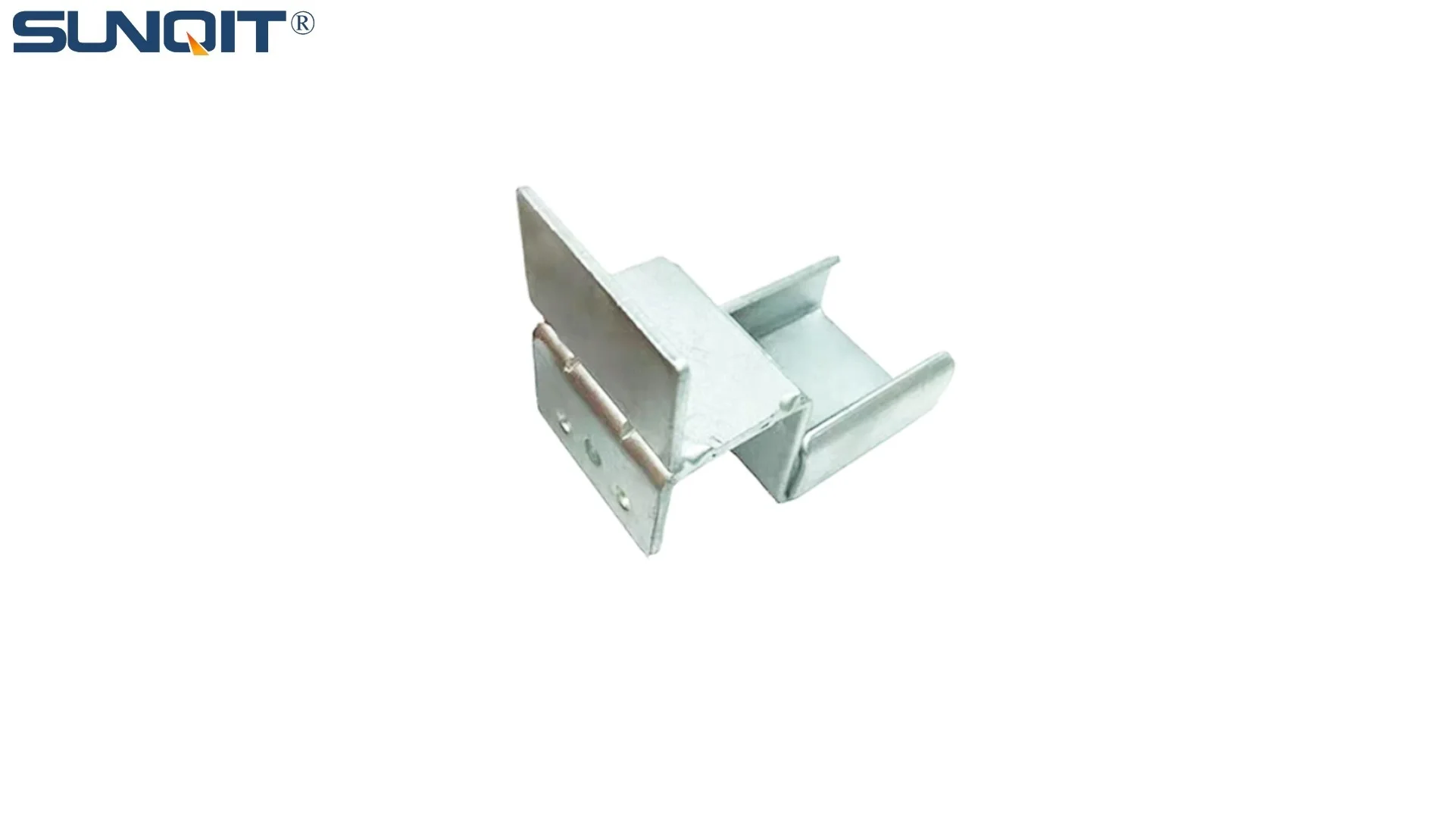
End Support for Roller Track Placon Mount with Stop
Roller track placon mount work as a connector for roller track and pipe or aluminum profile in rack syetem, it is a necessary parts in rack system which widely used in industrial plant and logistic,warehouse storage.
In the fast-paced world of manufacturing, where every second counts and efficiency is the backbone of success, lean manufacturing systems have become more than just a trend—they're a necessity. At the heart of these systems lies the relentless pursuit of minimizing waste, maximizing productivity, and ensuring every component works in harmony. Today, we're diving into a small but mighty component that plays a big role in this harmony: the end support for roller track placon mount with stop. Often overlooked, this unassuming part is a silent hero in keeping production lines smooth, safe, and aligned with lean principles. Let's explore why it deserves a spot in the spotlight.
Lean Manufacturing: Where Details Make All the Difference
Lean manufacturing isn't just about cutting costs or speeding up production—it's about creating a system where every element serves a purpose, and waste is eliminated at every turn. From the layout of the factory floor to the design of each workstation, lean thinking demands precision. And when it comes to material handling, roller tracks are the unsung workhorses. They move components from point A to point B, keeping workflows uninterrupted and reducing the need for manual lifting. But even the best roller track can falter without the right support—especially at the critical endpoints where momentum and alignment matter most.
Imagine a production line where small electronic parts glide along a roller track toward an assembly station. Without proper end support, those parts might slide off the track, get damaged, or even cause jams. Suddenly, what should take seconds turns into minutes of cleanup and rework. That's where the end support with stop comes in: it's the guardian of your material flow, ensuring every component stays on track, stops exactly where it needs to, and keeps your lean system running like a well-oiled machine.
The Role of Roller Tracks in Lean Systems
Before we dive into the specifics of end supports, let's take a step back and appreciate why roller tracks are so vital in lean systems. In industries like 3C assembly, medical device manufacturing, and automotive production, material flow is the lifeblood of operations. Roller tracks, whether they're steel wheel, aluminum, or plastic, create a friction-free path for parts, bins, and even entire subassemblies. They reduce physical strain on workers, cut down on transport time, and make it easier to implement just-in-time (JIT) production—all core pillars of lean methodology.
But here's the thing: a roller track is only as reliable as its weakest link. If the tracks aren't properly supported, they can sag under heavy loads. If there's no way to control the speed or stop of materials, you risk collisions or misplacement. That's why components like placon mounts, connectors, and end supports aren't afterthoughts—they're essential for turning a basic track into a precision tool that aligns with your lean goals of efficiency, safety, and continuous improvement.

End Support with Stop: Design That Puts Lean Principles First
The end support for roller track placon mount with stop isn't just a metal bracket with a stopper. It's a thoughtfully engineered solution designed to address the unique challenges of modern manufacturing. Let's break down its key design elements and how they tie into lean benefits:
- Integrated Stop Mechanism : Unlike basic end supports, this design includes a built-in stop—usually a raised lip or a spring-loaded pad—that gently halts materials as they reach the end of the track. No more parts sliding off or crashing into workstations.
- Placon Mount Compatibility : Placon mounts are known for their versatility, allowing easy attachment to aluminum profiles or lean pipes. This means the end support can be quickly installed or repositioned, supporting the lean principle of "sustainable improvement" as your production needs change.
- Durable Materials : Typically made from high-grade aluminum or steel, these supports are built to withstand the wear and tear of 24/7 operations. They resist corrosion, handle heavy loads, and maintain their shape over time—reducing the need for frequent replacements.
- Adjustable Design : Many models offer height or angle adjustments, ensuring a perfect fit with different roller track types (like 40 steel roller track, 85 staggered roller track, or mini aluminum roller track) and floor conditions.

5 Core Benefits That Transform Your Lean System
Now, let's get to the heart of the matter: how does this end support actually make your lean manufacturing system better? Here are five key advantages that go beyond "just stopping parts":
1. Precision Material Control = Less Waste
In lean manufacturing, "waste" includes defects, overproduction, and unnecessary motion. When materials slide past their intended stop point on a roller track, workers have to spend time retrieving or repositioning them—wasted motion. The integrated stop on the end support eliminates this by ensuring parts land exactly where they need to be, every single time. For example, in a 3C assembly line, where tiny circuit boards are moving between stations, even a 1cm misalignment can lead to defects during soldering or testing. With a reliable stop, you cut down on rework, scrap, and the frustration of constant adjustments.
2. Enhanced Safety = Happier, More Productive Teams
A safe workplace is a productive workplace—and lean systems prioritize both. Without a stop, heavy bins or components can gain momentum on a downward-sloping roller track, posing collision risks for workers or damage to equipment. The end support's stop acts as a buffer, gently decelerating materials and preventing unexpected movement. This isn't just about avoiding accidents; it's about building trust. When employees know the equipment they work with is designed to protect them, they focus more on their tasks and less on worrying about mishaps. Over time, this boosts morale and reduces downtime from injuries or near-misses.
3. Flexible Integration = Adaptable to Changing Needs
Lean manufacturing isn't static—it's about continuous improvement, which means your production line might need to reconfigure as product designs change or demand shifts. The end support's placon mount design makes it easy to install, remove, or relocate. Whether you're adding a new workbench E to your line, expanding a material rack B, or reconfiguring a conveyor system, this end support adapts without requiring major overhauls. For instance, a medical device manufacturer switching from small tools to larger equipment can adjust the end support's height or swap it between a plastic roller track (for lightweight parts) and a steel roller track (for heavier loads)—all without disrupting production for hours.
4. Reduced Maintenance = Lower Total Cost of Ownership
Lean isn't just about efficiency in production—it's about efficiency in resource use, including maintenance costs. The end support's durable materials (like aluminum or steel) and robust design mean it can handle daily use without wearing out quickly. Unlike flimsy plastic stops that crack or loose brackets that need constant tightening, this support stays secure, reducing the need for frequent repairs. For a manufacturer running three shifts, even an hour of downtime for fixing a broken end support translates to lost production. With this component, you spend less on replacements and more on growing your business.
5. Seamless Alignment with Lean Pipe Systems
Many lean systems rely on lean pipe (or aluminum lean pipe) structures for workstations, material racks, and flow racks. The end support with stop is designed to integrate smoothly with these systems. Its placon mount can attach directly to aluminum profiles or lean pipe joints, creating a unified material handling ecosystem. For example, in an automotive parts warehouse, a roller track with end supports can connect to a lean pipe workbench, allowing parts to roll directly from the rack to the assembly station—eliminating the need for intermediate carts. This seamless flow reduces handling steps, speeds up production, and embodies the "continuous flow" principle of lean manufacturing.

Real-World Impact: Use Cases Across Industries
To truly understand the value of this end support, let's look at how it performs in the industries where lean manufacturing matters most:
3C Electronics Assembly
In factories producing smartphones or laptops, precision is non-negotiable. Tiny components like microchips or camera modules move along mini aluminum roller tracks. Without a reliable end support with stop, these delicate parts could slide off, get scratched, or misalign with pick-and-place machines. By installing this component, manufacturers report a 20% reduction in component damage and a 15% faster assembly cycle—directly contributing to lean goals of quality and speed.
Medical Device Manufacturing
Medical device production demands strict adherence to cleanliness and safety standards. Roller tracks in cleanrooms often use plastic roller track guide rails (yellow or grey) to avoid contamination. The end support with stop, made from non-corrosive materials, ensures that sterile parts stop precisely at the assembly workbench without jostling—critical for avoiding contamination from dropped components. It also supports lean's focus on compliance by reducing the risk of errors that could lead to regulatory issues.
Automotive Parts Warehousing
Automotive warehouses handle heavy, bulky parts like engine components or door panels. Here, 85 steel roller tracks or 40 steel roller track with yellow wheels are common. The end support with stop's heavy-duty design can handle these loads, preventing parts from crashing into material rack B shelves. This not only reduces damage but also speeds up order picking—since workers know exactly where each part will stop, they can load/unload faster, cutting down on lead times.
End Support with Stop vs. Traditional End Supports: A Quick Comparison
| Feature | Traditional End Supports | End Support with Stop (Placon Mount) |
|---|---|---|
| Material Control | No built-in stop; parts may slide off | Precision stop prevents overshooting |
| Safety | Risk of collisions from uncontrolled movement | Gentle deceleration reduces accident risk |
| Integration | Limited compatibility with lean pipe systems | Works with lean pipe, aluminum profiles, and roller tracks |
| Maintenance | Frequent tightening or replacement needed | Durable design minimizes upkeep |
| Lean Alignment | May introduce waste (rework, motion) | Reduces waste, supports continuous flow |
Choosing the Right End Support: Key Considerations
Not all end supports are created equal. To get the most out of your investment, keep these factors in mind when selecting an end support with stop for your roller track:
- Roller Track Type : Match the support to your track (e.g., 40 steel roller track, mini aluminum roller track) for a snug fit.
- Load Capacity : Ensure it can handle your heaviest materials—check specs for weight limits.
- Environment : For cleanrooms or wet areas, choose corrosion-resistant materials like aluminum or stainless steel.
- Adjustability : Look for height/angle adjustments to adapt to uneven floors or custom layouts.
- Supplier Reliability : Work with a lean pipe supplier that offers consistent quality and technical support—after all, your lean system is only as strong as its components.
Conclusion: Small Component, Big Lean Impact
In the world of lean manufacturing, success lies in the details. The end support for roller track placon mount with stop might seem like a small part of your overall system, but its impact is anything but minor. By ensuring precision material control, enhancing safety, supporting flexibility, reducing maintenance, and integrating seamlessly with lean pipe systems, it becomes a catalyst for the efficiency and waste reduction that lean is all about.
Whether you're running a 3C assembly line, a medical device workshop, or a busy warehouse, this component isn't just an add-on—it's an investment in your lean journey. It's about building a system where every part works together to create value, minimize waste, and keep your team moving forward. After all, in lean manufacturing, the best results come from making every detail count.