- Company Articles
- Products and Technology
- Product knowledge
- Benefits of Mini Aluminum Roller Track Black for Space-Constrained Factories

Benefits of Mini Aluminum Roller Track Black for Space-Constrained Factories
Related Product
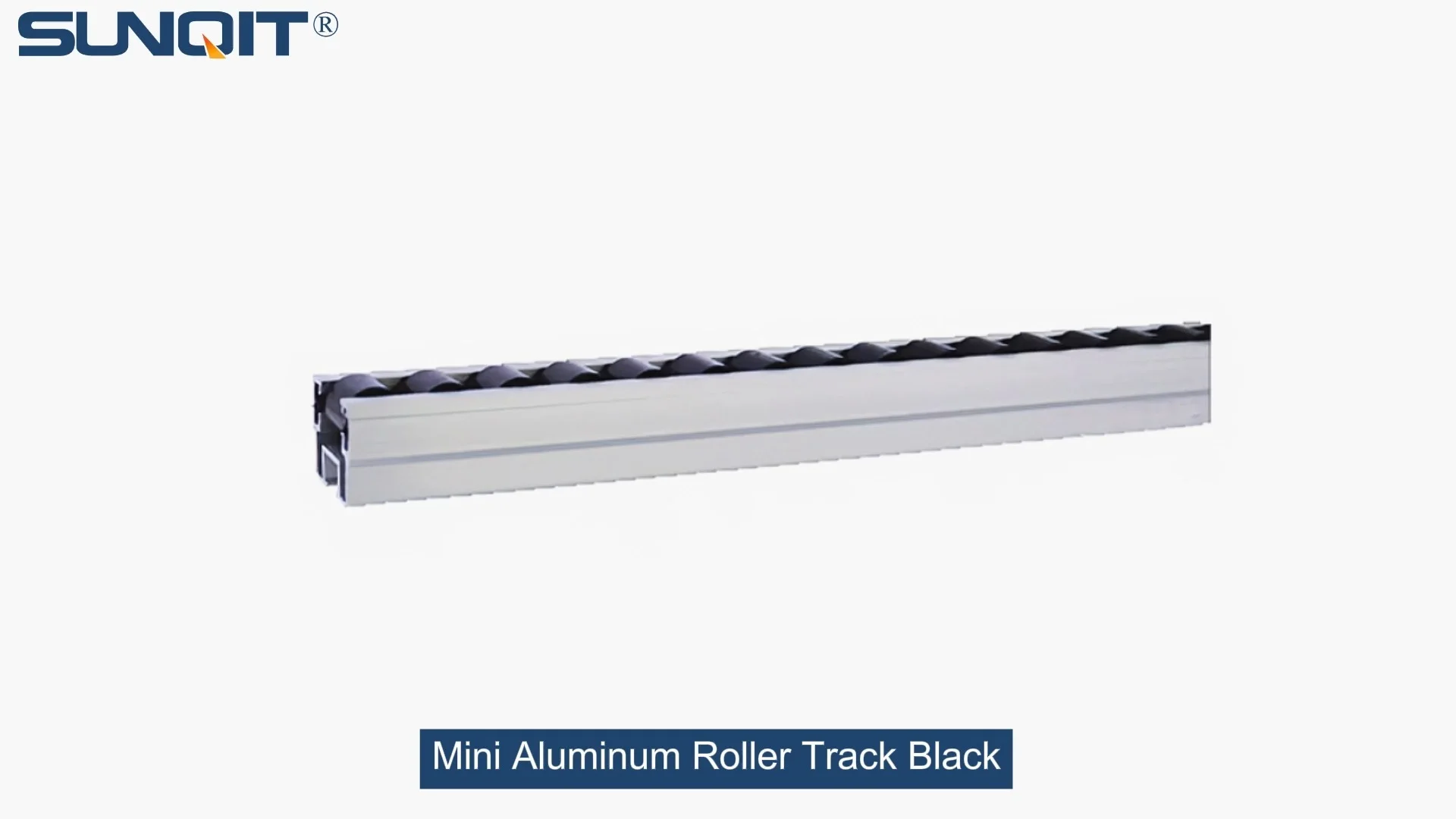
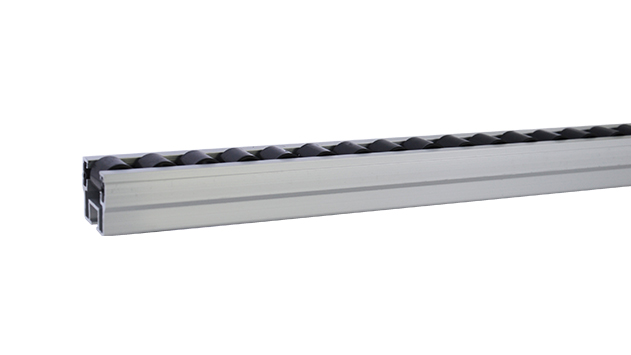
Mini Aluminum Roller Track Black
Mini aluminum roller track black for modular system, lean solution.Durable and smooth-running modular roller rails. The system is fully assembled. The roller rail profile contains plastic rollers mounted on steel axles.
If you've ever walked through a small-scale 3C assembly line or a compact medical device workshop, you know the struggle: every square inch counts. Machines, workstations, and storage racks jostle for space, leaving little room for efficient material flow. That's where solutions like the mini aluminum roller track black come in—small in size but big on impact, this tool is a game-changer for factories fighting to maximize every corner without sacrificing productivity.
In this article, we'll dive deep into what makes this roller track stand out, how it solves space-related pain points, and why it's becoming a go-to choice for industries like 3C assembly, medical equipment manufacturing, and small-part warehousing. We'll also look at real-world examples and practical tips for integrating it into your existing setup.
What Exactly Is Mini Aluminum Roller Track Black?
Before we talk about benefits, let's get clear on what this product is. The mini aluminum roller track black is a compact, lightweight material handling component made from high-quality aluminum with a sleek black finish. Unlike standard roller tracks, its mini design means it has a narrower width and shorter length options, making it perfect for moving small parts (like 3C components or medical device parts) in tight spaces.
Key features include:
- Narrow profile (typically 20-30mm wide, depending on the model) to fit between workstations or in small gaps.
- Black anodized finish that resists scratches, corrosion, and fingerprints—ideal for clean environments like medical workshops.
- Smooth-rolling mini rollers that reduce friction, ensuring parts glide easily without getting stuck.
- Compatibility with aluminum profile accessories—so you can attach it to existing workstations or flow racks without extra tools.
Top Benefits for Space-Constrained Factories
1. Unbeatable Space Optimization
The biggest selling point of the mini aluminum roller track black is its ability to turn unused small spaces into functional material flow paths. Let's say you have a gap of 15cm between two workstations in your 3C assembly line—most standard roller tracks are too wide to fit here, but the mini version slides right in. You can use it to transfer small parts (like phone screens or battery components) from one station to the next without taking up valuable floor space.
Another example: in a compact warehouse picking area, you can install this roller track on the side of a flow rack to direct small items to the picking bin. This eliminates the need for extra carts or manual carrying, saving both space and time.
Compared to bulkier material handling tools, the mini roller track's footprint is minimal. A 1-meter length takes up less than 0.03 square meters—way less than a small conveyor or a cart.
2. Flexibility That Fits Lean System Principles
Factories today need to adapt quickly to changing production needs—especially in industries like 3C where product cycles are short. The mini aluminum roller track black aligns perfectly with lean system values of reusability and adaptability.
Here's how:
- Easy to reconfigure: You can cut it to custom lengths (with simple tools) and reattach it to different parts of your line as your production needs change. For example, if you switch from assembling phone cases to charging cables, you can move the roller track to a new station in minutes.
- Works with other lean components: It pairs seamlessly with flow racks, workstations, and even small conveyors. For instance, you can connect a mini roller track to the end of a mini conveyor to direct parts into a tight space.
- Reusable: Unlike plastic or wooden tracks that break easily, the aluminum construction means it can be reused for years, even if you rearrange your line multiple times. This reduces waste and saves money in the long run.
3. Ease of Integration with Existing Equipment
One of the biggest headaches of adding new equipment is making it work with what you already have. But the mini aluminum roller track black is designed to play well with your current setup. Thanks to its compatibility with aluminum profile accessories, you can attach it to:
- Flow racks: Mount it on the front of a flow rack to let parts slide directly to the picking area.
- Workstations: Attach it to the edge of a workstation to transfer finished parts to the next station without manual lifting.
- Small conveyors: Connect it to the end of a mini conveyor to extend the material flow path into a tight space.
For example, a 3C assembly factory might have a workstation where workers attach camera lenses to phone bodies. By adding a mini aluminum roller track black to the side of the workstation, they can slide the finished phone modules to the next station (which is only 10cm away) without having to reach across or use a cart. This not only saves space but also reduces the risk of dropping parts.
4. Durability & Low Maintenance
Space-constrained factories can't afford downtime—every minute a tool is broken, production slows down. The mini aluminum roller track black is built to last, so you don't have to worry about frequent replacements.
The aluminum material is strong enough to handle small parts (up to 5kg per meter, depending on the model) without bending or warping. The black anodized finish adds an extra layer of protection against scratches and corrosion—important for factories that use cleaning agents or have humid environments.
Maintenance is also a breeze: since the rollers are sealed, you don't need to lubricate them often. A quick wipe with a damp cloth every week is enough to keep them running smoothly. This means less time spent on repairs and more time on production.
5. Cost-Effectiveness for Small Factories
Small factories often have tight budgets, so cost is a big factor. The mini aluminum roller track black is an affordable solution that delivers long-term value.
Let's break down the costs:
- Initial cost: It's cheaper than standard roller tracks or small conveyors. A 1-meter length costs a fraction of what you'd pay for a full-sized conveyor.
- Long lifespan: Since it's made of aluminum, it can last 5-10 years (or more) with proper care—way longer than plastic alternatives.
- Reduced labor costs: By automating small material transfers, you cut down on the time workers spend carrying parts. For example, if a worker spends 10 minutes per hour carrying parts, a mini roller track can eliminate that time, increasing productivity by 16%.
- Less waste: Reusability means you don't have to throw it away when you rearrange your line—saving money on new equipment.
Real-World Applications in Space-Constrained Factories
To understand how this roller track works in practice, let's look at three examples from industries that the company serves:
Example 1: 3C Assembly Line
A small 3C factory in Shenzhen assembles wireless earbuds. Their assembly line is only 5 meters long, with 4 workstations packed closely together. Before using the mini aluminum roller track black, workers had to pass earbud components from one station to the next by hand—slow and prone to errors.
They installed 0.5-meter mini roller tracks between each workstation. Now, components slide smoothly from station 1 (earbud casing) to station 2 (speaker installation) to station3 (battery insertion) to station4 (packaging). The result? Production speed increased by 20%, and error rates dropped by 15% (since parts are no longer dropped).
Example 2: Medical Device Workshop
A medical device factory makes small surgical tools. Their workshop is required to be clean and organized, with minimal clutter. They needed a way to transfer tool parts from the machining area to the sterilization area without using carts (which take up space).
They used mini aluminum roller tracks black to create a narrow path along the wall between the two areas. The black finish blends with the workshop's clean aesthetic, and the compact size fits perfectly in the 20cm gap between the wall and the machining station. Now, parts are transferred quickly and safely, with no extra space used.
Example3: Small Warehouse Picking Area
A small warehouse that stores 3C spare parts has limited space for picking. They had flow racks but no easy way to get parts from the rack to the packing table (which was only 15cm away).
They attached mini aluminum roller tracks black to the front of the flow racks. Now, when a worker picks a part, they slide it down the track directly to the packing table. This eliminated the need for a small cart, saving 0.5 square meters of space per rack.

How to Implement Mini Aluminum Roller Track Black in Your Factory
Ready to try this tool? Here are 5 steps to implement it effectively:
Step1: Assess Your Space & Needs
First, identify the tight spaces where material flow is a problem. For example:
- Gaps between workstations.
- Small areas next to flow racks.
- Paths between machines where carts can't fit.
Also, consider the size and weight of the parts you need to transfer. The mini roller track is best for parts under 5kg—if you have heavier parts, you might need a sturdier model.
Step2: Design a Custom Layout
Work with a custom solution provider to design a layout that fits your space. They can help you choose the right length and width of the roller track, and suggest how to attach it to your existing equipment.
For example, if you have a 12cm gap between two workstations, they might recommend a 10cm wide mini roller track with aluminum profile accessories to attach it to both workstations.
Step3: Integrate with Existing Lean Equipment
Once you have the layout, install the roller track using aluminum profile accessories. Most models come with pre-drilled holes, so you can attach them with screws or clips without extra tools.
Don't forget to test the flow: place a few parts on the track and see if they slide smoothly. Adjust the angle (slight incline) if needed to ensure parts move at the right speed.
Step4: Train Your Staff
Teach your workers how to use the roller track properly. For example:
- Don't overload the track (stick to the weight limit).
- Keep the track clean to prevent parts from getting stuck.
- How to reconfigure the track if production needs change.
Step5: Monitor & Optimize
After installation, monitor how the roller track is working. Are there any bottlenecks? Is the track in the right place? Make adjustments as needed. For example, if you find that parts are sliding too fast, you can add a small brake (using aluminum profile accessories) to slow them down.

Comparison: Mini Aluminum Roller Track Black vs. Standard Roller Track
To help you see the difference, here's a comparison table:
| Feature | Mini Aluminum Roller Track Black | Standard Roller Track |
|---|---|---|
| Width | 20-30mm | 50-100mm |
| Weight Capacity | Up to5kg/m | Up to20kg/m |
| Space Footprint | Minimal (fits tight gaps) | Large (needs open space) |
| Compatibility with Aluminum Profile Accessories | Yes | Sometimes (depends on model) |
| Best For | Small parts, tight spaces | Large parts, open areas |
| Cost | Lower | Higher |
Common Mistakes to Avoid When Using Mini Aluminum Roller Track Black
While this tool is easy to use, there are some common mistakes that can reduce its effectiveness. Here are a few to watch out for:
Mistake1: Overloading the Track
Even though the track is durable, it has a weight limit. Overloading it (e.g., putting a10kg part on a track that can handle only5kg) will cause the rollers to bend or break. Always check the weight limit before using the track.
Mistake2: Ignoring the Angle
The track needs a slight incline to make parts slide. If it's perfectly flat, parts won't move. A5-10 degree incline is ideal for most small parts. If parts are sliding too fast, you can add a small rubber stopper (using aluminum profile accessories) to slow them down.
Mistake3: Not Cleaning the Track Regularly
Dust and debris can get stuck in the rollers, causing parts to jam. Make sure to clean the track at least once a week with a damp cloth. For clean environments like medical workshops, you can use a mild cleaning agent to keep it sterile.
Mistake4: Using It for Large Parts
The mini track is designed for small parts. If you try to move large parts (like car components), it will not work. For large parts, use a standard roller track or a conveyor.
Another Real-World Example: Automotive Small Parts Assembly
Let's take an automotive parts factory that makes small components like door handles. Their assembly line is in a compact space, with workstations arranged in a U-shape. They needed a way to transfer the door handles from the painting station to the packaging station, which was only15cm away.
They installed a1-meter mini aluminum roller track black between the two stations. The black finish matched the factory's industrial aesthetic, and the narrow profile fit perfectly in the gap. Now, the painted door handles slide directly to the packaging station, saving workers from having to carry them. The result? Production time per handle reduced by 10 seconds, and the factory was able to increase output by12% in a month.
Final Thoughts
The mini aluminum roller track black is more than just a small tool—it's a solution that helps space-constrained factories work smarter, not harder. Its ability to fit in tight spaces, integrate with existing equipment, and deliver long-term value makes it an essential part of any modern lean manufacturing setup.
Whether you're a small 3C factory or a compact medical workshop, this tool can help you overcome space challenges and boost productivity. So why wait? Start exploring how the mini aluminum roller track black can transform your factory today.