- Company Articles
- Products and Technology
- Product knowledge
- Benefits of Parallel Rotatory Lean Pipe Joint Chrome for Rapid Prototyping

Benefits of Parallel Rotatory Lean Pipe Joint Chrome for Rapid Prototyping
Related Product
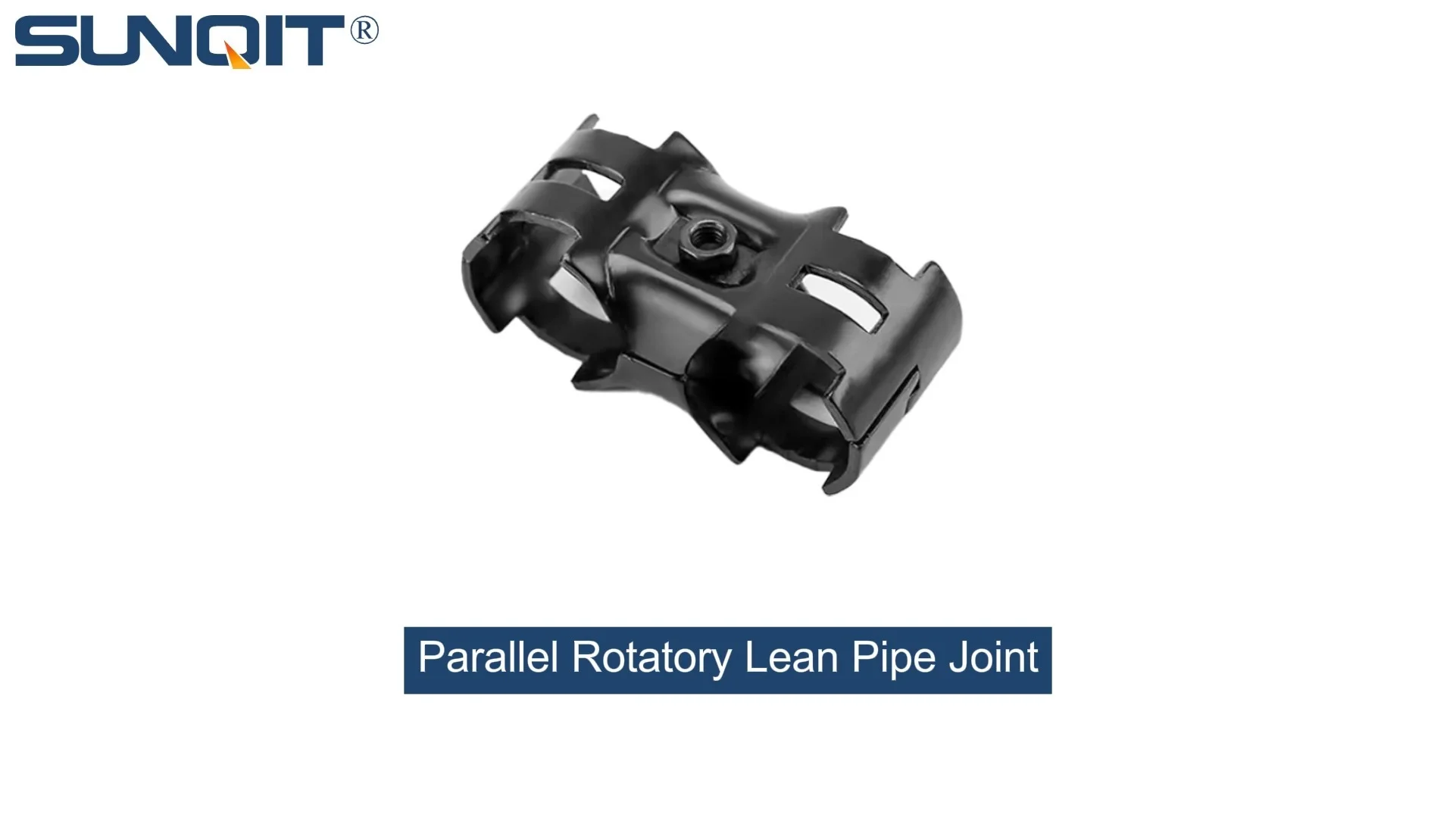
Parallel Rotatory Lean Pipe Joint
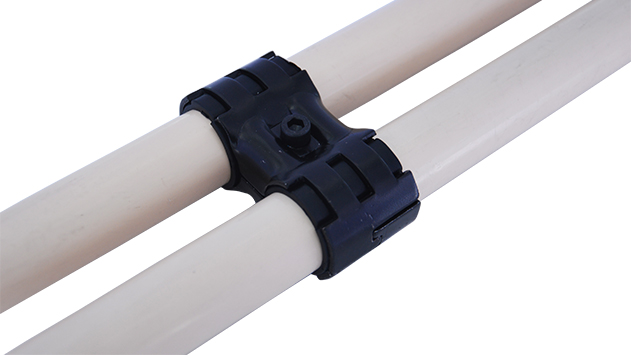
Parallel rotatory lean pipe joint, for 2 pcs pipe conenction in parallel direction with rotatory function.
In the fast-paced world of manufacturing and product development, rapid prototyping has become the backbone of innovation. Whether you're designing a new assembly line layout, testing a product's functionality, or iterating on a workstation setup, the ability to quickly build, adjust, and rebuild prototypes can mean the difference between meeting tight deadlines and falling behind. At the heart of this process lies the tools and components that make flexibility and speed possible—and one component stands out for its ability to transform how teams approach prototyping: the parallel rotatory lean pipe joint chrome . In this article, we'll explore why this unassuming yet powerful component has become a game-changer for rapid prototyping, delving into its unique benefits, real-world applications, and how it integrates seamlessly with other essential tools like aluminum profiles , workbenches , and roller tracks .
Understanding the Parallel Rotatory Lean Pipe Joint Chrome
Before diving into its benefits, let's start with the basics: what exactly is a parallel rotatory lean pipe joint chrome? At its core, it's a specialized connector designed to join lean pipes (also known as "lean tubes")—hollow metal pipes commonly used in manufacturing, logistics, and prototyping—into sturdy, configurable structures. What sets this joint apart is two key features: its parallel rotatory design and its chrome-plated finish .
The "parallel rotatory" aspect refers to the joint's ability to rotate along a central axis while keeping connected pipes parallel to each other. This rotational movement allows for smooth, tool-free adjustments of angles and positions, making it easy to reconfigure structures without disassembling the entire setup. The chrome plating, on the other hand, adds a layer of durability: it resists corrosion, reduces wear from friction, and ensures a smooth rotation even after repeated use. Typically made from high-strength steel, these joints are built to withstand the rigors of workshop environments, from heavy loads to constant adjustments.
But why does this matter for rapid prototyping? Let's break down the benefits.
Benefit 1: Unmatched Flexibility for Dynamic Prototyping Designs
Rapid prototyping thrives on flexibility. A design that works on paper might need tweaks once physical components are assembled, or a team might want to test three different workstation layouts in a single day. Traditional fixed lean pipe joints—those that lock pipes into a rigid, non-adjustable angle—force teams into a "build-and-rebuild" cycle: if you need to change the angle of a shelf or the height of a workbench, you have to loosen bolts, disassemble the joint, reposition the pipes, and retighten. This process is time-consuming, frustrating, and ultimately slows down innovation.
The parallel rotatory lean pipe joint chrome eliminates this bottleneck. Its rotational mechanism allows pipes to pivot smoothly around the joint, so adjusting the angle of a structure takes seconds, not minutes. Imagine you're prototyping a material handling station using roller tracks to move components between workstations. With traditional joints, setting the slope of the roller track requires precise measurement and fixed positioning—if the slope is too steep, parts slide too fast; too shallow, and they get stuck. With a parallel rotatory joint, you can simply rotate the connected pipes to (fine-tune) the angle, test the flow, and adjust again in seconds until you find the perfect slope. No disassembly, no tools, no wasted time.
This flexibility extends to more complex structures, too. For example, when building a prototype workbench for a new assembly process, teams often need to adjust the height of shelves, the angle of tool holders, or the position of bins. With parallel rotatory joints, the workbench becomes a dynamic tool: a shelf that's too low can be raised by rotating the joints; a tool holder that blocks access can be pivoted out of the way. This adaptability means prototypes evolve with your needs, not the other way around.
Benefit 2: Accelerated Assembly and Iteration Cycles
In rapid prototyping, time is measured in iterations. The faster you can build a prototype, test it, and iterate on the design, the faster you can validate ideas and move to production. The parallel rotatory lean pipe joint chrome cuts assembly time dramatically, thanks to its intuitive design and compatibility with standard lean pipes and aluminum profiles .
Traditional lean pipe joints often require wrenches, hex keys, or specialized tools to tighten and secure. Even "tool-free" joints can be finicky, requiring significant force to lock into place. The parallel rotatory joint, by contrast, is engineered for quick assembly: simply insert the lean pipe into the joint, twist to align, and tighten a single locking knob (or, in some models, a lever) to secure it. The chrome-plated surface ensures smooth rotation during adjustment, and the locking mechanism holds firm under load, so you don't have to worry about wobbling or slippage during testing.
This speed adds up. Let's say a team is prototyping a small parts storage rack with three shelves and four vertical supports. With traditional joints, assembly might take 30 minutes (including time to measure, align, and tighten each joint). With parallel rotatory joints, that same rack can be assembled in 10 minutes—leaving 20 extra minutes to test the rack's stability, adjust shelf heights, or even build a second prototype with a different configuration. Multiply that time savings across a week of prototyping, and you're looking at hours (if not days) of recovered productivity.
But the real magic is in iteration. Suppose the first prototype rack is too narrow to hold larger bins. With traditional joints, reconfiguring the width would mean disassembling two vertical supports, moving the crossbars, and reassembling—another 20 minutes. With parallel rotatory joints? Loosen the locking knobs, slide the pipes to widen the rack, retighten, and you're done in 2 minutes. This ability to iterate quickly turns "what if?" questions into "let's test it now" actions, fostering a more experimental, innovative mindset.

Benefit 3: Durability That Withstands the Rigors of Prototyping
Prototyping isn't gentle. Structures are assembled, disassembled, moved, and tested repeatedly. They're loaded with tools, parts, and equipment. A flimsy joint that bends, cracks, or wears out after a few uses is worse than no joint at all—it wastes materials, disrupts workflows, and erodes trust in the prototype itself.
The parallel rotatory lean pipe joint chrome is built to last. Its steel core provides strength, while the chrome plating adds a protective barrier against rust, corrosion, and scratches. Unlike plastic joints, which can warp under heat or snap under heavy loads, these metal joints handle the abuse of daily prototyping with ease. Even after months of constant rotation, adjustment, and loading, the chrome finish remains smooth, ensuring the rotational mechanism doesn't seize up.
This durability is especially critical when prototyping structures that need to support weight, like workbenches or material racks. For example, a prototype workbench used to test assembly line ergonomics might hold tools, components, and even heavy machinery. A parallel rotatory joint can support these loads without bending, ensuring the workbench remains stable during testing. Similarly, when paired with caster wheels to create mobile prototypes (like a rolling parts cart), the joints withstand the vibrations and bumps of being moved across factory floors.
In short, these joints don't just save time—they save frustration. Teams can focus on testing and iterating, not worrying about whether their prototype will hold together.

Benefit 4: Seamless Compatibility with Existing Lean Manufacturing Tools
A great prototyping component doesn't work in isolation—it plays well with others. The parallel rotatory lean pipe joint chrome is designed to integrate seamlessly with the tools and materials already in your workshop, from lean pipes and aluminum profiles to roller tracks and caster wheels. This compatibility means you don't have to overhaul your entire setup to start using them; you can upgrade incrementally, replacing fixed joints with rotatory ones where flexibility matters most.
Take aluminum profiles , for example. These lightweight, modular rails are widely used in prototyping for their strength and versatility. Parallel rotatory lean pipe joints connect easily to aluminum profiles via adapters, allowing you to combine the rigidity of profiles with the adjustability of rotatory joints. This hybrid approach is perfect for structures that need both stability (like a workbench frame made from aluminum profiles) and flexibility (like adjustable shelves connected with rotatory joints).
Similarly, when building prototype material handling systems, these joints pair perfectly with roller tracks . Roller tracks rely on precise alignment to ensure smooth material flow, and the ability to rotate joints makes it easy to angle tracks for optimal performance. You can even connect roller tracks to workbenches using these joints, creating a seamless, adjustable workflow from assembly to material storage.
To illustrate just how well these joints integrate, let's compare them to traditional fixed joints across key compatibility metrics:
| Feature | Traditional Fixed Lean Pipe Joints | Parallel Rotatory Lean Pipe Joint Chrome |
|---|---|---|
| Compatibility with Lean Pipes | Limited to specific pipe diameters; requires precise fitting | Works with standard 28mm/30mm lean pipes; universal fit |
| Integration with Aluminum Profiles | Requires custom adapters; often clunky | Compatible with standard profile adapters; seamless connection |
| Pairing with Roller Tracks | Fixed angle limits track slope adjustability | Rotational design allows easy slope fine-tuning |
| Use with Caster Wheels | Stable but non-adjustable; hard to level on uneven floors | Adjustable height/angle helps level mobile structures |
Real-World Applications: How Teams Are Using Parallel Rotatory Joints
To truly understand the impact of parallel rotatory lean pipe joint chrome, let's look at how teams are using them in real prototyping scenarios:
Case Study 1: Automotive Component Prototyping
A leading automotive parts manufacturer needed to prototype a new assembly line workstation for installing dashboard components. The team required a workbench that could be adjusted to fit different operator heights, accommodate various tool positions, and include a roller track for moving dashboard parts into place. Using parallel rotatory joints, they built a prototype workbench with adjustable shelves (rotated to set height), a pivoting tool holder (rotated to avoid operator interference), and a roller track with a (fine-tuned) slope. Over two days, the team tested three different configurations, adjusting the joints in seconds each time, and finalized the design—cutting prototype development time by 40% compared to their previous fixed-joint setup.
Case Study 2: Electronics Manufacturing Material Flow
An electronics company was prototyping a material flow system to move circuit boards between soldering, testing, and packaging stations. The challenge: different board sizes required different roller track widths and slopes. Using parallel rotatory joints, the team built a modular roller track system where track width could be adjusted by rotating joints to spread or narrow the rails, and slope could be (fine-tuned) by pivoting the tracks. They tested five board sizes in a single day, quickly identifying the optimal configuration. The result? A system that could be reconfigured in minutes for future product lines, eliminating the need to build new tracks from scratch.
Conclusion: Investing in Speed, Flexibility, and Innovation
Rapid prototyping is about more than just building—it's about learning, adapting, and innovating faster than the competition. The parallel rotatory lean pipe joint chrome isn't just a connector; it's a catalyst for this process. By combining unmatched flexibility, accelerated assembly times, rugged durability, and seamless compatibility with tools like aluminum profiles, workbenches, and roller tracks, these joints empower teams to turn ideas into prototypes, prototypes into tests, and tests into products—all in record time.
Whether you're a small workshop or a large manufacturing plant, upgrading to parallel rotatory lean pipe joints is an investment in your team's ability to innovate. It's about working smarter, not harder, and ensuring that your prototyping process keeps pace with the speed of your ideas. So the next time you're stuck in a "build-and-rebuild" cycle with fixed joints, remember: there's a better way. Rotate, adjust, test, and iterate—your next breakthrough might be just a pivot away.