- Company Articles
- Products and Technology
- Product knowledge
- Benefits of Using 4080 Aluminum Profile End Caps in Medical Racks

Benefits of Using 4080 Aluminum Profile End Caps in Medical Racks
Related Product
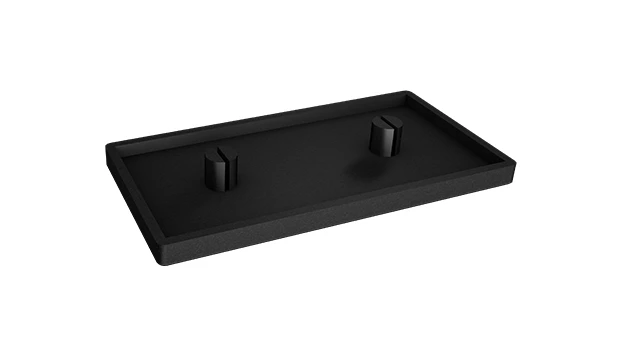
4080 Aluminum Profile End Cap
The aluminum profile end cap adds a finishing touch to your project and closes off profile ends to limit dust and debris buildup, also it can avaid some scratch for material and labor during the assemble work.
In the fast-paced world of healthcare, every detail matters. From the precision of surgical tools to the organization of medication supplies, the smallest components can have a big impact on patient safety, staff efficiency, and overall operational success. One such often-overlooked component? The humble end cap on aluminum profile medical racks. Specifically, when it comes to 4080 aluminum profiles—widely used in medical storage systems—these small caps play a critical role in enhancing safety, hygiene, and durability. Let's dive into why 4080 aluminum profile end caps are more than just an afterthought, and how they contribute to creating reliable, efficient medical storage solutions.
Understanding 4080 Aluminum Profiles in Medical Racks
Before we explore end caps, let's first understand the foundation they protect: the 4080 aluminum profile. In the realm of medical equipment, aluminum profiles have become a staple, and for good reason. These profiles are created using an aluminum extrusion profile process, where heated aluminum billets are forced through a die to form consistent, precise shapes. The "4080" designation refers to the profile's cross-section dimensions: 40mm in width and 80mm in height. This size strikes a perfect balance between strength and versatility, making it ideal for medical racks that need to support heavy loads (like stacks of medication boxes, surgical instruments, or lab supplies) while remaining lightweight enough for mobility when needed.
Aluminum itself is a favorite in healthcare settings for its natural resistance to corrosion—a must when racks are regularly cleaned with harsh disinfectants. It's also non-magnetic, which is crucial for MRI rooms and other sensitive areas, and fully recyclable, aligning with the growing focus on sustainability in healthcare. The T-slot design of 4080 profiles adds another layer of utility: these slots allow for easy attachment of aluminum profile accessories like shelves, brackets, and dividers, making it simple to customize racks for specific storage needs. Whether you're organizing syringes in a pharmacy or storing bulky medical devices in a supply closet, 4080 aluminum profiles provide a flexible, durable framework.
The Role of 4080 Aluminum Profile End Caps: More Than Just a "Cover"
At first glance, end caps might seem like a minor detail—just plastic or metal covers that snap onto the open ends of aluminum profiles. But in reality, they're a critical component of the rack system. When aluminum profiles are extruded, their ends are often left open and slightly rough, with sharp edges from the cutting process. Without protection, these exposed ends can pose safety risks, collect dust and debris, and even compromise the structural integrity of the rack over time. This is where 4080 aluminum profile end caps step in.
Designed to fit snugly over the open ends of 4080 profiles, these caps serve as a barrier between the raw aluminum and the surrounding environment. They're typically made from materials like high-grade plastic (polypropylene or ABS) or aluminum, chosen for their durability, resistance to impact, and ease of cleaning. Some end caps are even color-coded or textured to match specific rack designs, adding a touch of intentionality to an otherwise functional component. But their true value lies in the problems they prevent—and the benefits they bring to daily operations in medical facilities.

Key Benefits of 4080 Aluminum Profile End Caps in Medical Racks
1. Enhanced Safety for Staff and Patients
In a busy hospital or clinic, staff members are constantly on the move—nurses rushing to respond to patient calls, technicians transporting lab samples, and cleaners sanitizing surfaces. In these high-traffic environments, accidental bumps or scrapes against medical racks are almost inevitable. Without end caps, the sharp, unfinished edges of 4080 aluminum profiles can easily tear gloves, scratch skin, or even snag clothing, leading to minor injuries or distractions that pull staff away from patient care.
4080 aluminum profile end caps eliminate this risk by covering those rough edges with a smooth, rounded surface. Imagine a nurse wheeling a medication cart down a narrow hallway; if she accidentally bumps the cart into a rack, the end cap absorbs the impact, preventing a cut or a torn uniform. For patients, too—especially those with limited mobility—smooth, capped racks reduce the risk of injury if they brush against the storage system. In pediatric wards, where curious children might reach out to touch nearby surfaces, end caps provide an extra layer of protection against accidental scrapes.
2. Improved Hygiene and Infection Control
Hygiene is the cornerstone of healthcare. Medical racks, which store everything from sterile bandages to IV fluids, must be kept free of dust, bacteria, and other contaminants to prevent cross-contamination. Open-ended aluminum profiles are a hidden breeding ground for germs: their hollow interiors trap dust, moisture, and even small debris, creating a space that's difficult to clean thoroughly. Over time, this buildup can compromise the sterility of stored items, putting patients at risk of infections.
4080 aluminum profile end caps seal off these open ends, creating a barrier that prevents dust and moisture from entering the profile's interior. Their smooth, non-porous surfaces are also easy to wipe down with hospital-grade disinfectants, ensuring that racks can be sanitized quickly and effectively between uses. In critical areas like operating rooms or intensive care units (ICUs), where infection control is paramount, this feature is invaluable. By eliminating hard-to-clean crevices, end caps help healthcare facilities maintain compliance with strict hygiene standards, such as those set by the Centers for Disease Control and Prevention (CDC) or the World Health Organization (WHO).
3. Long-Term Durability of Aluminum Profiles
Medical racks are built to last, but even the sturdiest aluminum extrusion profile can degrade over time without proper protection. The open ends of 4080 profiles are particularly vulnerable to damage: repeated impacts from carts or falling objects can dent or bend the exposed edges, weakening the profile's structural integrity. Moisture, too, can seep into the hollow interior, leading to internal corrosion (even in corrosion-resistant aluminum) that compromises the profile's strength from the inside out.
End caps act as a first line of defense against these threats. By covering the ends, they absorb the force of minor impacts, preventing dents and bending. They also block moisture and corrosive substances (like spilled cleaning chemicals) from entering the profile, extending its lifespan. For healthcare facilities, this translates to lower replacement costs and less downtime for repairs. A rack system with well-maintained end caps can remain functional for years longer than one without, ensuring that investments in storage infrastructure deliver long-term value.
4. Aesthetic Consistency and Professionalism
The appearance of a healthcare facility plays a subtle but important role in patient experience. A cluttered, unkempt environment can increase anxiety, while a clean, organized space helps patients feel cared for and confident in the quality of care. Medical racks, which are often visible to patients and visitors, contribute significantly to this perception. Missing or mismatched end caps—whether due to damage, loss, or poor initial installation—can make even the most functional rack system look unfinished or neglected.
4080 aluminum profile end caps provide a polished, uniform look that elevates the overall aesthetic of medical storage. When all end caps match in color and style, racks appear intentional and well-maintained, sending a message that the facility prioritizes attention to detail. This consistency is especially important in public areas like waiting rooms or pharmacy counters, where patients are more likely to notice the environment. For staff, too, a tidy workspace reduces visual clutter, promoting focus and reducing stress during long shifts.
5. Compatibility with Aluminum Profile Accessories
One of the greatest advantages of 4080 aluminum profiles is their compatibility with a wide range of aluminum profile accessories—shelves, hooks, bins, and dividers that transform basic racks into customized storage solutions. However, these accessories rely on the profile's T-slot design for secure attachment. Exposed or damaged profile ends can interfere with the fit of these accessories, leading to wobbly shelves or unstable dividers that risk spilling stored items.
4080 aluminum profile end caps are designed to work seamlessly with these accessories. By protecting the profile's edges, they ensure that the T-slot remains intact and functional, allowing accessories to lock into place securely. For example, when adding a new shelf to a medication rack, the end cap prevents the profile from bending or warping at the point of attachment, ensuring the shelf can support its load without shifting. This compatibility not only enhances safety but also makes it easier for facilities to adapt their storage systems as needs change—whether adding more shelves during a busy flu season or reconfiguring racks for new equipment.
Comparing End Cap Materials: Plastic vs. Aluminum
When choosing 4080 aluminum profile end caps, facilities often face a choice between plastic and aluminum options. Each material has its own set of benefits, depending on the rack's intended use and environment. The table below breaks down the key differences:
| Feature | Plastic End Caps | Aluminum End Caps |
|---|---|---|
| Cost | More affordable, making them ideal for large-scale installations. | Slightly higher cost, but offers long-term durability. |
| Weight | Lightweight, adding minimal bulk to racks. | Slightly heavier, but still lightweight compared to other metals. |
| Impact Resistance | Flexible, absorbing impacts without cracking (good for high-traffic areas). | Rigid, resisting dents but may bend under extreme force. |
| Corrosion Resistance | Highly resistant to chemicals and moisture (excellent for frequent cleaning). | Matches the profile's corrosion resistance, ideal for humid environments. |
| Aesthetics | Available in multiple colors (white, gray, blue) for color-coding or branding. | Seamless match with aluminum profiles, offering a sleek, industrial look. |

Practical Applications of 4080 Aluminum Profile End Caps in Medical Settings
To truly appreciate the value of 4080 aluminum profile end caps, let's look at how they perform in real-world medical scenarios:
- Medication Storage Racks: In pharmacies and nursing stations, medication racks must protect drugs from contamination and damage. End caps prevent dust from collecting in profile ends, ensuring pills and liquids remain sterile. They also keep small medication packets from slipping into hollow profiles, reducing waste and ensuring accurate inventory counts.
- Surgical Instrument Carts: Mobile carts used in operating rooms need to be durable, easy to clean, and safe to maneuver. End caps on these carts' aluminum frames prevent scratches on floors, walls, or other equipment during transport, while their smooth surfaces resist blood, saline, and other fluids, making post-surgery cleaning faster.
- Lab Supply Shelving: Laboratories store delicate samples, glassware, and chemicals. End caps on lab shelves prevent glass vials from chipping if they're accidentally knocked against the rack, and their chemical-resistant properties ensure they won't degrade when exposed to spills or disinfectants.
- Patient Room Storage Units: In patient rooms, storage racks hold everything from linens to personal items. End caps here prioritize safety, with rounded edges that reduce the risk of injury for patients moving in and out of bed. They also maintain a clean, uncluttered look that helps patients feel more at ease.
Choosing the Right 4080 Aluminum Profile End Caps for Your Facility
Not all end caps are created equal. To maximize their benefits, healthcare facilities should consider the following factors when selecting 4080 aluminum profile end caps:
Fit and Compatibility
End caps must fit snugly on 4080 profiles to stay in place during use. Look for end caps specifically designed for 40mm x 80mm profiles, as generic options may be too loose or too tight, leading to frequent dislodging or difficulty installing. Many manufacturers offer end caps tailored to their own aluminum extrusion profile lines, ensuring a perfect fit.
Hygiene Compliance
For critical care areas, choose end caps made from materials that meet medical-grade hygiene standards. Look for certifications like ISO 13485 (for medical device manufacturing) or FDA approval for food contact (relevant for pharmacy or nutrition storage). These certifications ensure the end caps are free of harmful chemicals and can withstand repeated cleaning with hospital-grade disinfectants.
Durability for the Environment
Consider the rack's location: Is it in a high-traffic area like a hallway, or a low-movement space like a storage closet? For high-impact zones, opt for impact-resistant plastic or aluminum end caps. In humid environments (e.g., sterile processing departments), prioritize corrosion-resistant materials to prevent degradation over time.
Aesthetic Alignment
Choose end cap colors and styles that match the facility's design guidelines. White or gray end caps are classic choices for a clean, neutral look, while colored options can be used to differentiate rack zones (e.g., red for emergency supplies, blue for general medications). Consistency in color and style across all racks creates a cohesive, professional appearance.
Installation and Maintenance Tips
Installing 4080 aluminum profile end caps is a simple process that requires no special tools. Most end caps are designed to "snap" into place with a firm press, creating a secure fit. For added stability in high-vibration areas (like near MRI machines), a small amount of medical-grade adhesive can be applied to the inside of the end cap before installation—just be sure to avoid blocking the T-slot if accessories need to be added later.
Maintenance is equally straightforward. Inspect end caps monthly for signs of damage (cracks, chips) or loosening. replace any damaged end caps promptly to maintain safety and hygiene. When cleaning racks, wipe end caps with a soft cloth and mild detergent or disinfectant; avoid abrasive scrubbers, which can scratch the surface and create new crevices for bacteria to hide.
Conclusion: Small Caps, Big Impact
In the world of healthcare, where every decision is measured by its impact on patient care, 4080 aluminum profile end caps may seem like a minor detail. But as we've explored, these small components play a vital role in enhancing safety, maintaining hygiene, prolonging equipment life, and elevating the overall functionality of medical racks. They're a testament to the idea that excellence in healthcare lies not just in grand innovations, but in the careful attention to the "little things."
Whether you're outfitting a new hospital wing, upgrading existing storage systems, or simply maintaining your facility's racks, investing in high-quality 4080 aluminum profile end caps is a smart choice. They protect staff and patients, support infection control efforts, and ensure your storage systems remain reliable and professional for years to come. After all, in healthcare, the smallest details often make the biggest difference.