- Company Articles
- Products and Technology
- Product knowledge
- Benefits of Using Chrome-Plated Two Way Lean Pipe Joints in Lean Manufacturing

Benefits of Using Chrome-Plated Two Way Lean Pipe Joints in Lean Manufacturing
Related Product
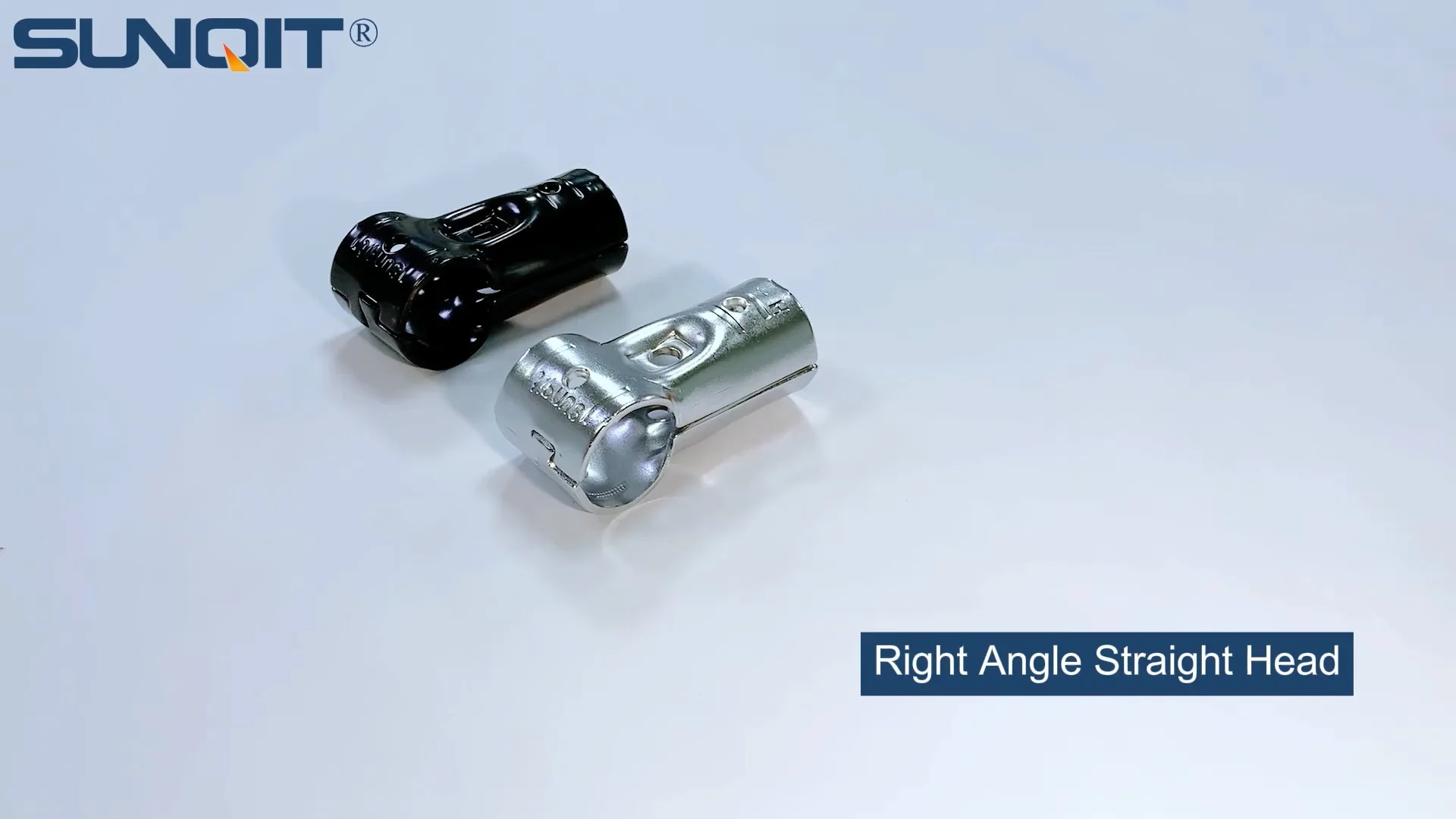
Two Way Lean Pipe Joint
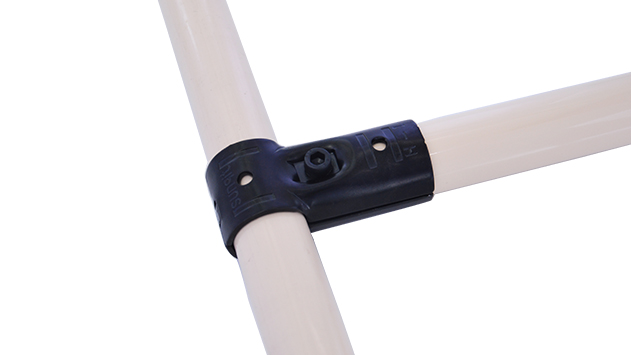
Two way lean pipe joint for 2 pcs 28MM lean pipe connection in straight angle, which used widely in workbench, flow rack, hand trolley frame connection.
Introduction: The Heart of Lean Manufacturing Lies in the Details
Lean manufacturing isn't just a buzzword—it's a philosophy that transforms how businesses operate, focusing on eliminating waste, streamlining workflows, and fostering continuous improvement. At its core, lean relies on tools and systems that adapt to change, empower teams, and keep operations running like well-oiled machines. While big-picture strategies like value stream mapping and 5S get a lot of attention, the unsung heroes of lean success often lie in the smaller components: the parts that hold everything together, quite literally. Enter the chrome-plated two way lean pipe joint—a humble yet powerful component that plays a critical role in building the flexible, durable structures that make lean manufacturing possible.
In this article, we'll dive deep into why chrome-plated two way lean pipe joints have become indispensable for manufacturers embracing lean principles. From their ability to withstand the rigors of daily production to their knack for adapting to shifting needs, these joints aren't just connectors—they're enablers of efficiency, safety, and long-term growth. Whether you're assembling a workbench on the factory floor, a flow rack for material handling, or a custom trolley for transporting parts, understanding the benefits of these joints will help you build lean systems that truly deliver on their promise.
What Are Chrome-Plated Two Way Lean Pipe Joints, Anyway?
Before we jump into their benefits, let's start with the basics: What exactly is a chrome-plated two way lean pipe joint? At first glance, it might look like a simple metal connector, but its design and construction are purpose-built for the demands of lean manufacturing. These joints are typically made from high-grade steel, then coated with a layer of chrome through a plating process. This chrome layer isn't just for shine—it adds a protective barrier against corrosion, wear, and scratches, making the joints far more durable than their unplated or plastic counterparts.
The "two way" in their name refers to their ability to connect two lean pipes at a fixed angle (often 90 degrees, though some designs allow for slight adjustments). Unlike multi-way joints that branch in three or four directions, two way joints are streamlined for simplicity, making them ideal for building linear or right-angled structures like workbench frames, flow rack sides, or trolley handles. Their design is intentionally user-friendly: most feature a threaded bolt or cam lever that tightens around the lean pipe, requiring no welding, drilling, or specialized tools to assemble. This simplicity is key to their role in lean systems—where time and flexibility are always in short supply.
To put it simply, chrome-plated two way lean pipe joints are the "glue" that holds lean structures together. They transform ordinary pipes (whether steel lean pipe, aluminum lean pipe, or even stainless steel pipe) into functional, adaptable tools that support everything from basic storage racks to complex production workstations. And as we'll explore next, their benefits extend far beyond just holding pipes in place.
Benefit 1: Durability That Stands Up to the Toughest Work Environments
Manufacturing floors are unforgiving places. Heavy equipment rumbles, chemicals spill, and parts are constantly being moved, dropped, or bumped. In this chaos, the last thing you need is a flimsy joint that bends, rusts, or breaks after a few months of use. Chrome-plated two way lean pipe joints are built to survive—and thrive—in these conditions, thanks to their rugged construction.
The chrome plating is the star here. Unlike plastic joints that crack under pressure or unplated steel that rusts when exposed to moisture, chrome creates a hard, non-porous surface that resists corrosion. This is especially critical in environments like automotive plants, where oil and coolant spills are common, or food processing facilities, where frequent cleaning with water and sanitizers is required. A chrome-plated joint won't degrade when splashed with liquids, and it's easy to wipe clean, maintaining hygiene standards without sacrificing strength.
But durability isn't just about resisting corrosion—it's also about withstanding wear and tear. Every time a worker leans on a workbench, loads a heavy part onto a flow rack, or bumps a trolley into a wall, the joints take the brunt of the impact. Chrome-plated steel is tough enough to handle these stresses without deforming. In fact, many manufacturers report that their chrome-plated two way joints last 5–7 years or more, even with daily use—far longer than plastic alternatives, which often need replacement every 1–2 years. For lean operations focused on reducing waste, this longevity means fewer replacements, less downtime, and lower long-term costs.

Benefit 2: Flexibility to Adapt When Your Needs Change (And They Will)
One of the core principles of lean manufacturing is "just-in-time" production—but what about "just-in-time" infrastructure? Markets shift, product designs evolve, and customer demands change, which means your factory layout, workbenches, and material handling systems need to keep up. Rigid, fixed structures (like welded steel workbenches or bolted-down shelving) become liabilities in this context, trapping you in outdated workflows and wasting space.
Chrome-plated two way lean pipe joints solve this problem with their unmatched flexibility. Unlike welded or permanently bolted connections, these joints can be assembled, disassembled, and reconfigured in minutes—no welding torches, no power tools, no specialized labor required. A single worker with a hex key or wrench can loosen the joint, adjust the pipe position, and retighten it, transforming a workbench into a flow rack or a trolley into a storage shelf in hours, not days.
Consider a scenario: A electronics manufacturer that produces smartphones suddenly gets a contract for a new model with a different assembly process. Their old workbenches, built with fixed wooden frames, are too narrow to accommodate the new tools. With chrome-plated two way lean pipe joints, they can simply disassemble the existing workbenches, add longer aluminum lean pipes, and reassemble the frames to the required width—all in a single shift. No need to buy new workbenches, no need to hire contractors, and no disruption to production schedules. This adaptability is why lean experts often call these joints "the Swiss Army knife of manufacturing infrastructure."
Even better, the flexibility extends beyond just reconfiguration. Since the joints are reusable, you can repurpose them for entirely new projects. A flow rack that's no longer needed on the main line can be taken apart, and its joints used to build a turnover trolley for the warehouse. This "circular" approach to infrastructure aligns perfectly with lean's focus on eliminating waste—you're not throwing away usable components; you're giving them a second (or third, or fourth) life.

Benefit 3: Cost-Effectiveness That Boosts Your Bottom Line
Let's talk numbers—because at the end of the day, lean manufacturing is about delivering value, and value often comes down to cost. At first glance, chrome-plated two way lean pipe joints might seem pricier than plastic alternatives. After all, chrome plating and steel construction cost more than injection-molded plastic. But when you factor in their longevity, reusability, and the savings they generate in labor and downtime, they're actually one of the most cost-effective investments you can make in your lean system.
Let's break it down: First, there's the initial assembly cost. Plastic joints are cheap to buy, but they're also fragile—they strip easily when tightened, crack under heavy loads, and degrade in sunlight or high temperatures. This means you'll spend more time replacing them, and each replacement requires labor (to disassemble, buy new joints, and reassemble). Chrome-plated steel joints, on the other hand, rarely need replacement, so you save on both material and labor costs over time.
Then there's the cost of reconfiguration. As we discussed earlier, fixed structures like welded workbenches require expensive contractors to modify or replace. With lean pipe joints, reconfiguration is a do-it-yourself job. A study by the Lean Manufacturing Institute found that manufacturers using lean pipe systems with chrome-plated joints saved an average of 40% on reconfiguration costs compared to those using traditional fixed workbenches. For a mid-sized factory with 20 workstations, that could mean savings of $10,000–$20,000 per year.
Finally, there's the cost of downtime. When a plastic joint breaks, it can bring an entire workstation or flow rack to a halt until a replacement is found. Chrome-plated joints, with their durability, minimize these disruptions. One automotive supplier reported that switching to chrome-plated two way joints reduced unplanned downtime related to structural failures by 75%, saving them an estimated $30,000 annually in lost production.
Benefit 4: Seamless Compatibility with Your Lean System Ecosystem
A lean system is only as strong as its weakest link, which is why compatibility between components matters. Chrome-plated two way lean pipe joints are designed to work seamlessly with the rest of your lean infrastructure, from standard lean pipes and aluminum lean pipe to accessories like casters, roller tracks, and workbench surfaces. This interoperability means you can mix and match components to create custom solutions without worrying about compatibility issues.
For example, let's say you want to build a mobile workbench. Start with aluminum lean pipes (lightweight yet strong) for the frame, connect them with chrome-plated two way joints, add caster wheels for mobility, and top it with a plywood or aluminum honeycomb panel for the work surface. If later you need to add a flow rack attachment, you can simply add a few more pipes and joints to the side, connecting roller tracks to slide parts directly onto the workbench. No need for custom brackets or adapters—everything clicks together because the joints are designed to standard lean pipe dimensions.
This compatibility also extends to suppliers. Most lean pipe suppliers (including those specializing in aluminum lean pipe, stainless steel pipe series, and accessories) design their products to work with standard two way joints. This means you're not locked into a single vendor—you can source pipes from one supplier, joints from another, and accessories from a third, ensuring you get the best quality and price for each component. For lean buyers tasked with stretching budgets, this flexibility is a game-changer.
Perhaps most importantly, this compatibility supports the "lean system" as a whole. A lean system isn't just a collection of tools—it's an integrated network of workbenches, flow racks, trolleys, and storage solutions that work together to eliminate waste. Chrome-plated two way joints act as the common language that ties these elements together, ensuring your entire operation flows smoothly from receiving to shipping.
Benefit 5: Safety and Ergonomics That Protect Your Most Valuable Asset—Your Team
Lean manufacturing isn't just about efficiency—it's also about people. A safe, ergonomic workplace reduces injuries, boosts morale, and keeps your team productive. Chrome-plated two way lean pipe joints contribute to both safety and ergonomics in ways that often go unnoticed until you compare them to cheaper alternatives.
Let's start with safety. The chrome plating creates a smooth, rounded surface that eliminates sharp edges or burrs—common hazards with unplated steel joints. This reduces the risk of cuts, scrapes, or clothing getting caught on the joint, which is especially important in busy environments where workers are moving quickly. The tight, secure fit of the joints also prevents structures from wobbling or collapsing. A workbench assembled with loose or weak joints can tip over when loaded with heavy tools, but chrome-plated two way joints grip the pipe tightly, even under stress, minimizing the risk of accidents.
Ergonomics is another area where these joints shine. Since they're so easy to reconfigure, you can adjust workbench heights, flow rack positions, and trolley handles to fit the needs of individual workers. For example, a taller employee might need a workbench at 40 inches, while a shorter colleague prefers 36 inches. With chrome-plated joints, you can loosen the bolts, adjust the legs, and retighten in minutes, creating a customized workspace that reduces back strain, neck pain, and fatigue. Over time, this leads to fewer ergonomic injuries, lower absenteeism, and higher employee satisfaction—all of which contribute to a more productive, engaged team.
Many manufacturers also appreciate that chrome-plated joints are compatible with ESD (electrostatic discharge) workbenches and stations, which are critical in industries like electronics manufacturing. While the joints themselves aren't conductive, they can be paired with ESD-safe pipes and accessories to create a grounded workspace that protects sensitive components from static damage. This versatility makes them a smart choice for operations that need to balance safety, ergonomics, and specialized requirements.
Real-World Results: Case Studies in Lean Success
Case Study 1: Automotive Supplier Cuts Changeover Time by 60% with Reconfigurable Flow Racks
A Tier 1 automotive supplier was struggling with long changeover times between production runs. Their old flow racks were built with wooden shelves and metal brackets, which took 8–10 hours to disassemble and rebuild for new parts. After switching to a lean system using chrome-plated two way lean pipe joints and aluminum lean pipe, they were able to reconfigure flow racks in just 3–4 hours. The joints allowed workers to quickly adjust shelf heights and add roller tracks, ensuring parts slid smoothly to the assembly line. Over six months, the supplier reduced changeover-related downtime by 60%, increasing overall production capacity by 15%.
Case Study 2: Electronics Manufacturer Reduces Workbench Replacement Costs by 70%
A consumer electronics plant producing smartwatches was replacing plastic-jointed workbenches every 18 months due to cracking and wear. They switched to chrome-plated two way lean pipe joints and steel lean pipe, and the results were dramatic. Not only did the new workbenches last over 5 years, but they also proved easier to repair—when a pipe bent or a joint wore, workers could replace the single component instead of the entire bench. Over three years, the plant saved $140,000 in workbench replacement costs, and employee feedback highlighted improved stability and ergonomics as added bonuses.
How Do Chrome-Plated Two Way Joints Compare to Other Options?
To truly appreciate the benefits of chrome-plated two way lean pipe joints, it helps to see how they stack up against other common joint types. The table below compares them to plastic lean pipe joints and unplated steel joints across key factors:
| Feature | Chrome-Plated Two Way Lean Pipe Joint | Plastic Lean Pipe Joint | Unplated Steel Joint |
|---|---|---|---|
| Durability | 5–7 years (resists corrosion, wear, and impact) | 1–2 years (prone to cracking, warping, and UV damage) | 3–4 years (rusts in moist environments; prone to scratches) |
| Assembly Time | 5–10 minutes per joint (no special tools needed) | 5–10 minutes per joint (similar to chrome, but more fragile during assembly) | 10–15 minutes per joint (may require lubrication to prevent seizing) |
| Reusability | High (can be disassembled and reused 10+ times) | Low (often cracks when disassembled; limited reuse) | Medium (rust and wear reduce grip after 3–4 reuses) |
| Compatibility | Works with steel lean pipe, aluminum lean pipe, and most accessories | Limited (may not fit all pipe sizes; incompatible with heavy loads) | Good, but rust can damage pipe surfaces over time |
| Cost (Lifetime) | Low ($0.50–$1.00 per year of use) | High ($3.00–$5.00 per year of use due to frequent replacement) | Medium ($1.50–$2.00 per year, plus rust treatment costs) |
Conclusion: Chrome-Plated Two Way Lean Pipe Joints—Small Components, Big Impact
In the world of lean manufacturing, success often hinges on the smallest details. Chrome-plated two way lean pipe joints may not be the most glamorous part of your operation, but they play a critical role in building the flexible, durable, and efficient systems that drive lean success. From their unmatched durability and flexibility to their cost-effectiveness and compatibility with lean systems, these joints deliver benefits that ripple through your entire organization—reducing waste, improving safety, and empowering your team to adapt to whatever the future brings.
Whether you're just starting your lean journey or looking to upgrade your existing infrastructure, investing in high-quality chrome-plated two way lean pipe joints is a decision that pays off in the long run. They're not just connectors—they're the foundation of a lean system that can grow, change, and thrive in an ever-evolving market. So the next time you walk through your factory, take a closer look at the joints holding your workbenches and flow racks together. Chances are, the ones making your lean system work are the chrome-plated two way ones—and they're quietly doing more than you think.