- Company Articles
- Products and Technology
- Product knowledge
- Benefits of Using Plastic Pipe End Caps in Material Handling Racks

Benefits of Using Plastic Pipe End Caps in Material Handling Racks
Related Product
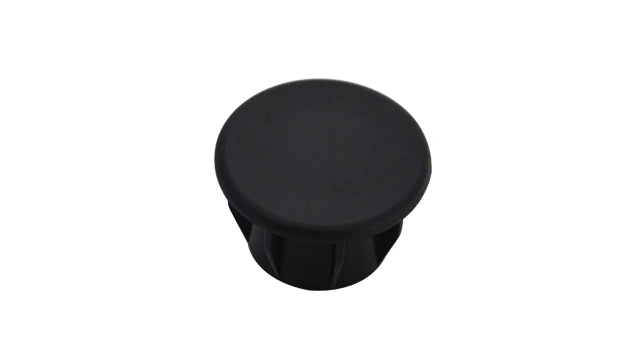
Plastic pipe end cap
Plastic pipe cover, used for 28mm two end cover and protection, to avoid any scratch from sharp metal surface.
Walk into any bustling manufacturing plant, warehouse, or assembly facility, and you'll quickly notice the backbone of efficient operations: material handling racks. From the multi-tiered material rack b (3 row and 3 floor) stacked with components to the lean pipe workbenches where teams assemble products, these structures keep everything organized, accessible, and moving. Yet, for all their importance, it's the small, often invisible parts that truly make these systems work. One such unsung hero? The plastic pipe end cap. In this article, we'll dive into why these tiny components deserve a spotlight, exploring their impact on safety, durability, cost-efficiency, and more—all while keeping your material handling racks (and your team) in top shape.
What Are Plastic Pipe End Caps, Anyway?
Before we jump into their benefits, let's get clear on what plastic pipe end caps are. Think of them as the "protective caps" for the pipes that form the skeleton of your material handling racks, lean pipe structures, and even caster wheel assemblies. Typically made from tough plastics like polyethylene (PE) or polypropylene (PP), they're designed to fit snugly over the open ends of pipes—whether those pipes are steel, aluminum, or the coated lean pipe common in lean manufacturing setups. They come in all shapes and sizes: domed, flat, cylindrical, or even custom-molded to match specific pipe diameters (like 0.5 inch or 1 inch, perfect for everything from mini aluminum roller tracks to heavy-duty stainless steel pipes). Some are even color-coded—think bright yellow or neutral grey—to align with safety standards or brand aesthetics, much like the plastic roller track guide rail yellow you might see on flow racks.
At first glance, they might seem trivial. After all, how much difference can a small plastic cap make? But in industrial settings, where every second counts and safety is non-negotiable, these caps punch far above their weight. Let's break down why.
Why Material Handling Racks Need Plastic Pipe End Caps
Material handling racks are the workhorses of any facility. They store raw materials, hold work-in-progress, and organize finished goods—often in tight spaces where efficiency and safety are critical. A material rack b (3 row and 3 floor) , for example, maximizes vertical storage, reducing clutter on the floor and making it easier for workers to access what they need. But without proper protection, the pipes that form these racks can become hazards, wear out faster, or fail to support the system's intended load. That's where plastic pipe end caps step in: they're the first line of defense for both your racks and the people who use them.

The Top Benefits of Plastic Pipe End Caps in Material Handling Racks
1. Safety First: No More Sharp Edges, No More Injuries
Let's start with the most critical benefit: safety. Walk past an unprotected material handling rack, and you'll notice something risky: open pipe ends. Whether from cutting, welding, or simply wear and tear, these ends are often sharp—like tiny knives waiting to catch a worker's arm, glove, or clothing. Imagine a team member rushing to grab a part from a material rack b (3 row and 3 floor) ; a quick brush against an exposed pipe end could result in a deep cut, leading to downtime, medical costs, or even lost productivity. Plastic pipe end caps eliminate this risk entirely. By covering those sharp edges with a smooth, rounded surface, they turn a potential hazard into a harmless, touchable finish. It's a simple fix, but in high-traffic areas—where caster wheel -equipped trolleys are rolling by and workers are reaching, bending, and lifting—it's a lifesaver.
2. Protecting Pipes (and Their Contents) from the Elements
Material handling racks don't just hold pipes—they hold your bottom line. Dust, moisture, debris, and even pests can sneak into open pipe ends, causing two big problems: pipe degradation and damaged inventory. Let's say you're using a lean pipe rack to store sensitive electronic components. Over time, dust buildup inside the pipes could corrode the metal, weakening the rack's structure. Worse, if moisture seeps in (from a leaky roof or humid warehouse), it could rust the pipes from the inside out, turning a sturdy rack into a wobbly liability. Plastic pipe end caps act as a barrier, sealing off those open ends to keep out water, dust, and critters. They also protect the items you're storing: imagine a material rack b (3 row and 3 floor) holding small parts like screws or washers—without end caps, those tiny items could slip into the pipe ends, getting stuck or lost. End caps keep everything where it belongs, saving your team from frustrating (and costly) scavenger hunts.
3. Durability That Doesn't Break the Bank
Industrial equipment takes a beating, and material handling racks are no exception. They're loaded with heavy boxes, bumped by caster wheel trolleys, and exposed to temperature swings (think hot summer warehouses or chilly loading docks). Plastic pipe end caps are built to withstand this chaos—and they do it without costing a fortune. Unlike metal end caps, which can rust, corrode, or dent, plastic caps are resistant to moisture, chemicals, and impact. drop a heavy box on a rack with plastic end caps, and the cap might scuff, but it won't crack or shatter (most are designed to flex under pressure). And if it does wear out? Replacing a plastic cap costs a fraction of what you'd pay for a metal one. For example, a pack of 50 plastic end caps might cost $20, while metal alternatives could run $5–$10 each. Over time, that adds up—especially if you're outfitting an entire warehouse of material rack b (3 row and 3 floor) units.
4. Seamless Compatibility with Your Existing Setup
One of the best things about plastic pipe end caps is how well they play with others. Whether your material handling racks are made of lean pipe , aluminum extrusion profiles, or stainless steel pipe series, there's a plastic end cap designed to fit. Need to match the plastic roller track guide rail yellow on your flow rack? There are yellow end caps for that. Working with 0.5 inch pipes on a mini aluminum roller track? No problem—smaller caps are readily available. Even custom setups, like lean pipe workbenches with unique pipe diameters, can find a match. This compatibility means you don't have to overhaul your entire rack system to add end caps; just measure your pipes, pick the right size, and snap them on. It's a plug-and-play solution that saves time, hassle, and money.
5. A Little Polish for a More Professional Look
Let's not overlook aesthetics. A warehouse or factory with mismatched, rusty, or uncovered pipe ends looks unkempt—and that can send the wrong message to clients, auditors, or even your own team. Plastic pipe end caps clean up the look of your material handling racks, giving them a finished, intentional appearance. Choose colors that align with your brand (like your company's signature blue) or safety protocols (red for high-risk areas, yellow for caution zones—hello, plastic roller track guide rail yellow coordination!). A neat, uniform rack system isn't just about looks, either: it boosts morale. When workers see that their workspace is cared for, they're more likely to take pride in their own work. It's a small detail, but it makes a big difference in how your facility feels.

Real-World Impact: How Plastic Pipe End Caps Solve Common Problems
To bring these benefits to life, let's look at a few scenarios where plastic pipe end caps turned a frustrating problem into a smooth solution:
- Scenario 1: The "Sharp Edge" Safety Scare – A warehouse using material rack b (3 row and 3 floor) units reported three minor cuts in a month, all from workers brushing against exposed pipe ends. After installing plastic end caps, the incidents dropped to zero. The team even added yellow caps to high-traffic areas, making the racks more visible and further reducing accidents.
- Scenario 2: The "Rusty Rack" Dilemma – A food processing plant with humid conditions noticed their lean pipe racks were rusting from the inside out. Open pipe ends let in moisture, corroding the metal. Switching to plastic end caps sealed the pipes, stopping rust in its tracks. Six months later, the racks looked as good as new.
- Scenario 3: The "Lost Parts" Headache – An electronics manufacturer stored small screws and capacitors on a material rack b (3 row and 3 floor) . Workers often dropped parts into open pipe ends, losing inventory and wasting time fishing them out. Plastic end caps plugged those gaps, saving the team hours of frustration (and hundreds of dollars in lost parts).
Choosing the Right Plastic Pipe End Caps for Your Racks
Not all plastic pipe end caps are created equal. To get the most out of them, keep these tips in mind:
- Size Matters – Measure your pipe diameter (inner and outer!) before buying. A cap that's too loose will fall off; too tight might crack when installed. Most suppliers list sizes clearly (e.g., "0.5 inch for aluminum roller track" or "1 inch for lean pipe ").
- Material Counts – For heavy-duty use (like racks holding 500+ lbs), opt for thick-walled PE caps. For chemical exposure, go with PP (it's more resistant to acids). For food-grade facilities, look for FDA-approved plastics.
- Color Coordination – Use colors to your advantage! Yellow caps (matching plastic roller track guide rail yellow ) can highlight walkways, while grey caps blend into neutral racks. Some facilities even use color to label rack zones (e.g., red for "urgent orders," blue for "raw materials").
- Buy in Bulk – End caps are cheap, but buying them one at a time adds up. Stock up to save money and avoid last-minute runs to the supplier.
The Bottom Line: Small Cap, Big Impact
Material handling racks are the backbone of your operation, but they're only as strong as their weakest link. Plastic pipe end caps might be small, but they're a critical part of that strength—protecting your team from cuts, your pipes from corrosion, your budget from unnecessary costs, and your facility from looking unprofessional. Whether you're using material rack b (3 row and 3 floor) units, lean pipe workbenches, or caster wheel -equipped trolleys, these caps are a simple, affordable way to level up your material handling game. So next time you walk through your facility, take a closer look at those open pipe ends. Then ask yourself: Isn't it time to give them the protection they (and your team) deserve?
| Benefit | How It Works | Best For |
|---|---|---|
| Safety | Covers sharp pipe ends to prevent cuts and scrapes. | High-traffic areas, caster wheel zones, and worker walkways. |
| Durability | Seals pipes from moisture, dust, and debris, preventing rust and corrosion. | Humid warehouses, food processing plants, and outdoor storage. |
| Cost-Efficiency | Cheaper than metal caps, easy to replace, and reduces repair costs. | Small businesses and large facilities alike—every budget wins. |
| Compatibility | Fits lean pipe , aluminum, steel, and stainless steel pipes. | Mixed-rack systems or facilities with older and newer equipment. |
| Aesthetics | Clean, color-coded finish improves workspace appearance. | Client-facing areas, audited facilities, and morale-focused teams. |