- Company Articles
- Products and Technology
- Product knowledge
- Benefits of Using Plastic Pipe Sleeves in Material Racks: Preventing Scratches & Corrosion

Benefits of Using Plastic Pipe Sleeves in Material Racks: Preventing Scratches & Corrosion
Related Product
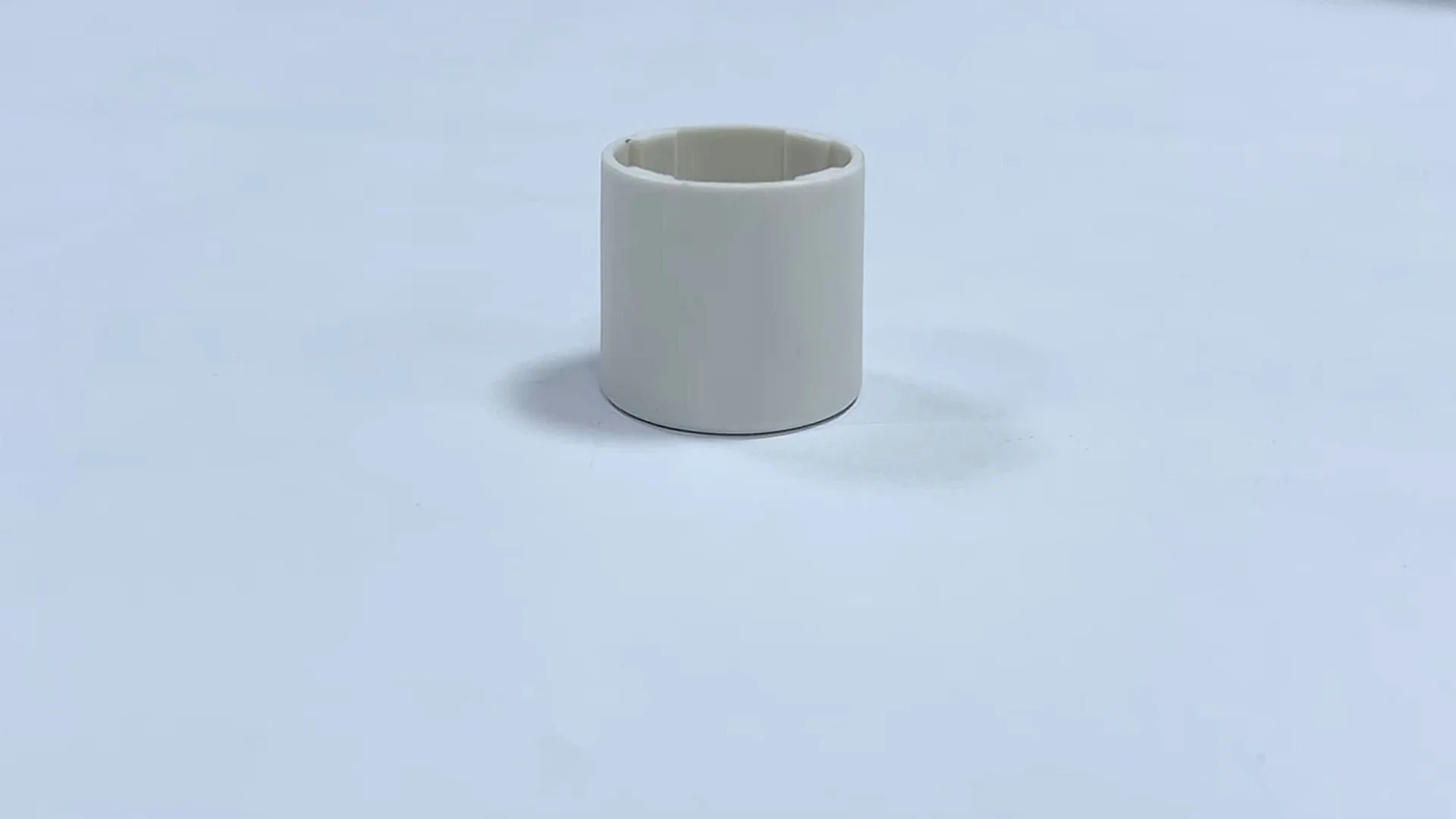
Plastic Pipe Sleeve
Plastic pipe sleeve to cover dia 28MM aluminum pipe end to contact with ground.
Let's face it—running a smooth warehouse or production line means paying attention to the little details that keep everything moving. From the layout of your workbenches to the efficiency of your conveyor systems, every component plays a role. But if there's one thing that can quietly derail your operations, it's the wear and tear on your material racks. Scratched products, corroded metal, and wobbly structures don't just look unprofessional—they cost time, money, and customer trust. That's where plastic pipe sleeves come in. These simple, unassuming accessories might not grab headlines, but they're a game-changer for anyone looking to protect their inventory and extend the life of their equipment. In this article, we'll break down why plastic pipe sleeves deserve a spot in your material handling setup, focusing on two critical benefits: preventing scratches and corrosion. Plus, we'll touch on how they work seamlessly with other components like material rack b (3 row and 3 floor), plastic roller track guide rails, and lean pipe and accessories to create a more durable, efficient workspace.
What Are Plastic Pipe Sleeves, Anyway?
Before we dive into the benefits, let's make sure we're on the same page. Plastic pipe sleeves are exactly what they sound like: flexible, durable tubes made from high-quality plastic (think polyethylene or polypropylene) that slip over the metal pipes of your material racks, workbenches, or roller tracks. They're designed to act as a protective barrier between the hard metal of your racks and the items you're storing or transporting. Available in various sizes, colors, and thicknesses, they're surprisingly versatile—whether you're using them on a heavy-duty stainless steel pipe series or a lightweight aluminum profile setup. And the best part? They're easy to install, require zero special tools, and can be swapped out in minutes if they ever wear down. No complicated instructions, no downtime—just a simple upgrade that makes a big difference.
Preventing Scratches: Why It Matters (More Than You Think)
Scratches might seem like a minor annoyance, but in the world of inventory management, they're a big deal. Let's start with the obvious: a scratched product is a devalued product. If you're storing electronics, polished metal parts, or even finished furniture, a single scratch can turn a sellable item into a discounted one (or worse, unsellable). And it's not just about customer-facing goods—scratches on internal components can weaken structural integrity or create rough edges that damage other items during transport. Imagine sliding a box of fragile components onto a metal rack without any protection. The metal edges catch the cardboard, tear it, and suddenly you've got broken parts and a mess to clean up. Not exactly the "lean" operation you're aiming for.
This is where plastic pipe sleeves shine. By creating a soft, cushioned layer between your rack's metal pipes and your inventory, they act like a buffer. Let's take material rack b (3 row and 3 floor) as an example. This type of rack is a workhorse in many warehouses, designed to hold multiple layers of goods—think small parts, tools, or even finished products. Without sleeves, the metal bars that make up the rack's shelves and uprights are hard and unforgiving. Slide a plastic bin across them, and you're likely to get scuff marks on the bin (or worse, on the items inside). With a plastic sleeve, though, the bin glides smoothly, and the sleeve absorbs the friction. It's like adding a protective blanket to your rack—simple, but effective.
But scratches aren't just about product damage. They can also create safety hazards. A scratched or dented metal pipe might have sharp edges that catch on gloves, clothing, or skin, increasing the risk of workplace injuries. Over time, these small scratches can even weaken the metal itself, making the rack less stable. Plastic sleeves eliminate this risk by covering those sharp edges and distributing weight more evenly. So whether you're loading heavy cartons or delicate glassware, you can trust that the sleeves are keeping both your products and your team safe.

Fighting Corrosion: Keeping Your Racks Rust-Free for Longer
If scratches are the "silent annoyance," corrosion is the "silent killer" of metal material racks. Warehouses and production facilities are often humid, dusty, or exposed to chemicals—all of which spell trouble for unprotected metal. Even stainless steel, which is resistant to rust, isn't completely immune. Over time, moisture seeps into tiny cracks in the metal, reacts with oxygen, and forms rust. Once rust starts, it spreads, weakening the metal, staining products, and eventually making the rack unsafe to use. Replacing a corroded rack isn't cheap, and in the meantime, you're stuck with a wobbly structure that could fail at any moment.
Plastic pipe sleeves act as a barrier between your metal pipes and the elements. By covering the entire surface of the pipe, they block moisture, dust, and chemicals from coming into direct contact with the metal. Think of it like a raincoat for your rack—even if the environment is damp, the metal stays dry. This is especially important if you're using racks in areas like food processing (where water and cleaning agents are common) or coastal warehouses (where salt air accelerates corrosion). In these settings, a metal rack without sleeves might start showing rust in a year or two; with sleeves, that timeline could stretch to five years or more.
What's more, plastic sleeves work hand-in-hand with other corrosion-resistant components like plastic roller track guide rail yellow and grey. These guide rails are often used in roller track systems to help items slide smoothly from one point to another. When paired with plastic pipe sleeves on the rack's support pipes, you're creating a fully protected system. The guide rails handle the horizontal movement, and the sleeves protect the vertical supports—no metal-on-metal contact, no exposed surfaces, and no rust. It's a one-two punch against corrosion that keeps your entire setup looking and functioning like new.

Beyond Scratches and Corrosion: Other Perks of Plastic Pipe Sleeves
While preventing scratches and corrosion are the star benefits, plastic pipe sleeves bring more to the table. Let's break down a few additional reasons they're worth investing in:
Durability That Lasts: Plastic pipe sleeves are built to withstand heavy use. They're resistant to wear, tear, and UV rays, so even if they're exposed to sunlight (like in a warehouse with large windows), they won't fade or crack easily. Unlike tape or temporary coatings, which peel off after a few months, sleeves can last for years with minimal maintenance. This means you won't be constantly replacing them, saving you time and money in the long run.
Cost-Effective Protection: Let's talk numbers. A set of plastic pipe sleeves costs a fraction of what you'd pay to replace a corroded material rack or repair scratched inventory. For example, if a single corroded rack costs $500 to replace, and sleeves cost $50 to protect it, the ROI is clear. Plus, sleeves reduce the need for frequent repainting or refinishing of metal racks, which adds up in labor costs. It's a small upfront investment that pays off big in the long term.
Easy to Install (No Expertise Required): You don't need to be a handyman to install plastic pipe sleeves. Most sleeves are designed to slip over standard-sized pipes (like lean pipe or aluminum profile) with a snug fit. If they're a bit loose, you can secure them with a simple zip tie or adhesive—no drills, welders, or special tools needed. This makes them perfect for quick upgrades or last-minute fixes. Even if you're not tech-savvy, you can have your racks sleeved in an afternoon.
Compatible with Lean Pipe and Accessories: If you're already using lean pipe and accessories in your workspace, plastic pipe sleeves are a natural addition. Lean systems are all about flexibility and efficiency, and sleeves fit right into that ethos. They work with lean pipe joints, caster wheels, and even workbench setups, so you don't have to overhaul your entire system to add protection. This compatibility is key for businesses that want to improve their setup without disrupting operations.

Real-World Applications: How Sleeves Make a Difference
To put this all into perspective, let's walk through a quick scenario. Imagine a small electronics manufacturer that uses material rack b (3 row and 3 floor) to store circuit boards, cables, and small components. Before using plastic pipe sleeves, they noticed that many of their circuit boards were arriving at the assembly line with tiny scratches—likely from sliding against the metal racks. These scratches didn't damage the boards, but they made the final products look unprofessional, leading to customer complaints. Additionally, the racks in their humid storage room were starting to show spots of rust, which stained the cardboard boxes holding the components.
After installing plastic pipe sleeves on their material rack b (3 row and 3 floor) and swapping out their old metal guide rails for plastic roller track guide rail grey, the difference was immediate. The circuit boards no longer had scratches, and the rust spots on the racks stopped spreading. Their team also noticed that loading and unloading the racks was faster, since the sleeves reduced friction and made sliding boxes easier. Within six months, they estimated a 30% reduction in product returns due to cosmetic damage, and they delayed the need to replace their rusted racks by at least three years. All from a simple upgrade that cost less than $200 for the entire setup.
This scenario isn't unique. From automotive parts warehouses to food distribution centers, businesses across industries are discovering that plastic pipe sleeves are a low-cost way to solve big problems. Whether you're storing heavy machinery parts or delicate medical supplies, the sleeves adapt to your needs and keep your inventory looking and functioning its best.
Comparing Racks With and Without Plastic Pipe Sleeves
Still on the fence? Let's put the benefits side by side with a quick comparison. The table below shows how material racks perform with and without plastic pipe sleeves, focusing on key factors like durability, maintenance, and cost:
| Factor | Without Plastic Pipe Sleeves | With Plastic Pipe Sleeves |
|---|---|---|
| Scratch Resistance | Low—metal pipes scratch products and bins easily. | High—sleeves act as a buffer, reducing friction and scuffs. |
| Corrosion Resistance | Low—metal exposed to moisture, dust, and chemicals rusts quickly. | High—sleeves block moisture and chemicals, preventing rust. |
| Maintenance Cost | High—frequent repainting, rust removal, and part replacements. | Low—sleeves require occasional cleaning; no repainting needed. |
| Lifespan | 3–5 years (depending on environment). | 7–10 years (sleeves extend rack life by 50%+). |
| Compatibility with Lean Pipe and Accessories | Limited—metal pipes may need adapters for some accessories. | High—sleeves work with lean pipe joints, casters, and guide rails. |
Final Thoughts: Small Sleeves, Big Impact
At the end of the day, plastic pipe sleeves are a classic example of "work smarter, not harder." They don't reinvent the wheel—they just make the wheel last longer and run smoother. By preventing scratches, they protect your products and keep them looking professional. By fighting corrosion, they extend the life of your material racks and reduce maintenance costs. And by working with existing components like material rack b (3 row and 3 floor), plastic roller track guide rails, and lean pipe and accessories, they fit seamlessly into your current setup without disrupting operations.
So if you're tired of dealing with scratched inventory, rusted racks, or constant maintenance headaches, it's time to give plastic pipe sleeves a try. They're affordable, easy to install, and backed by real-world results. Your products, your team, and your bottom line will thank you. After all, in the world of material handling, it's the small upgrades that often lead to the biggest wins. And plastic pipe sleeves? They're one upgrade you won't regret.