- Company Articles
- Products and Technology
- Product knowledge
- Best 2040 Aluminum Profile End Caps for Lean Workbenches (Workbench E)

Best 2040 Aluminum Profile End Caps for Lean Workbenches (Workbench E)
Related Product
2040 Aluminum Profile End Cap
The aluminum profile end cap adds a finishing touch to your project and closes off profile ends to limit dust and debris buildup, also it can avaid some scratch for material and labor during the assemble work.
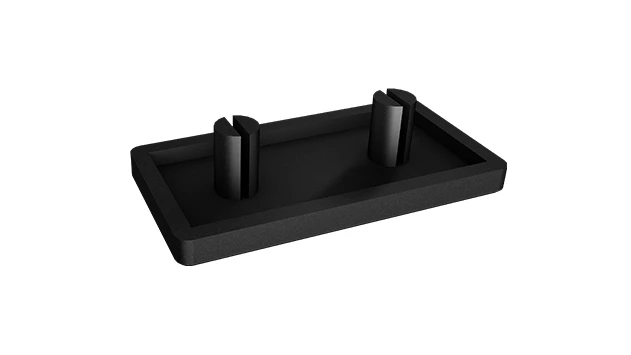
The unsung heroes that elevate safety, durability, and efficiency in your production line
The Heartbeat of Lean Manufacturing: Workbench E and Its Silent Guardians
Walk into any well-oiled production facility, and you'll notice something consistent: every tool, every surface, every inch of space has a purpose. In the world of lean manufacturing, where waste reduction and workflow optimization reign supreme, the workbench isn't just a table—it's the command center of productivity. And if there's one workbench that's become a staple in assembly lines, warehouses, and workshops alike, it's Workbench E (single deck-without caster) . Sleek, sturdy, and designed for stability, this single-deck workhorse anchors tasks from electronics assembly to small-part sorting, proving that sometimes the most reliable tools are the ones that stay quietly in place.
But what makes Workbench E tick? Peel back the layers, and you'll find its backbone: aluminum profiles. Specifically, the 2040 aluminum profile —a versatile, lightweight, and robust extrusion that forms the frame of this workbench. With its T-slot design, the 2040 profile isn't just a static structure; it's a canvas for customization, letting teams add shelves, tool holders, or cable management systems with ease. Yet, for all its strengths, even the toughest aluminum profile has a vulnerable spot: its open ends. That's where the quiet champions step in: 2040 aluminum profile end caps . These small, unassuming accessories might not grab headlines, but they're the difference between a workbench that lasts years and one that succumbs to wear, tear, and safety hazards.
Think of it this way: if Workbench E is the stage, and the 2040 aluminum profile is the set, then end caps are the stagehands. They work behind the scenes to keep everything running smoothly, ensuring the show—your production line—goes on without a hitch.
Why Aluminum Profiles? The Foundation of Lean Workbench E
Before we dive into end caps, let's take a moment to appreciate why aluminum profiles, especially the 2040 variant, are the go-to for Workbench E. Lean systems thrive on flexibility and durability, and aluminum delivers both in spades. Unlike traditional steel, aluminum is lightweight, making Workbench E easy to reconfigure (even without casters) when your workflow changes. It's also corrosion-resistant, so splashes, humidity, or occasional spills won't leave unsightly rust spots. And let's not forget cost-effectiveness: aluminum profiles are reusable—disassemble a workbench, and you can repurpose the profiles for a new setup later, aligning perfectly with lean's "reduce, reuse, recycle" ethos.
The 2040 profile, in particular, strikes a sweet spot between size and strength. Measuring 20mm by 40mm, it's narrow enough to keep Workbench E compact (ideal for tight workspaces) but wide enough to support heavy tools, parts bins, or even small machinery. Its T-slots—those grooves running along its length—are the real magic. Slide in a bracket, bolt on a shelf, or clip a cable tray, and suddenly your workbench adapts to your task, not the other way around. It's no wonder aluminum profile accessories —like end caps, brackets, and hinges—are in such high demand; they turn a basic frame into a customized productivity hub.
But here's the catch: the open ends of the 2040 profile are like open wounds. Left exposed, they collect dust, debris, and moisture, which can gunk up the T-slots over time. Worse, sharp, unfinished edges pose a safety risk—imagine a worker brushing against the end of the profile while rushing to meet a deadline, or a small part slipping into the slot and getting stuck. These might seem like minor annoyances, but in lean manufacturing, minor annoyances add up to major waste: time spent cleaning out slots, injuries that halt production, or parts that get damaged. Enter the 2040 aluminum profile end cap: a simple solution to a surprisingly complex problem.

2040 Aluminum Profile End Caps: More Than Just "Caps"
At first glance, an end cap might look like a trivial piece of plastic or rubber. But don't let its simplicity fool you. A well-designed 2040 end cap does three critical jobs: it protects the profile, safeguards workers, and keeps the workbench looking (and functioning) like new. Let's break that down.
1. Safety First: No More Sharp Edges
Walk around a workshop, and you'll notice how often hands brush against workbench frames. Whether reaching for a tool, adjusting a part, or leaning in to inspect a product, workers are in constant contact with the 2040 profile. An exposed aluminum end, even if "deburred" during manufacturing, can still have micro-sharp edges that cause nicks, scrapes, or worse—especially over time as the metal wears. End caps, often made of soft but durable materials like PVC or nylon, cushion these edges, turning a potential hazard into a smooth, safe surface. It's a small detail, but ask any safety manager: preventing even one cut can save hours of downtime and keep morale high.
2. Protection: Keeping the Profile (and Your Tools) Clean
Aluminum profiles are tough, but their T-slots are surprisingly delicate. Dust, metal shavings, or spilled liquids can seep into the open ends, accumulating over time and gumming up the slots. Try sliding a bracket into a slot clogged with debris, and you'll quickly realize how much time is wasted on cleanup. End caps act as barriers, sealing off the ends to keep contaminants out. This isn't just about convenience; it's about extending the life of your Workbench E. A clean T-slot means smoother adjustments, fewer stuck accessories, and a profile that stays functional for years—no need for premature replacements.
3. Aesthetics: Polishing the Lean Look
Lean manufacturing isn't just about function—it's about pride in your workspace. A cluttered, unkempt area signals disorganization, while a clean, uniform setup boosts confidence and focus. Exposed aluminum ends, with their raw, unfinished appearance, can make even the sharpest Workbench E look unpolished. End caps, available in colors that match or complement your aluminum profile (think silver, black, or even custom hues), give the workbench a finished, professional look. It's a subtle touch, but when clients or auditors walk through, details like these speak volumes about your commitment to quality.

Types of 2040 Aluminum Profile End Caps: Finding Your Perfect Fit
Not all end caps are created equal. Just as Workbench E has specific needs (stability, customization), 2040 profile end caps come in various designs to suit different environments, budgets, and priorities. Let's explore the most common types, so you can pick the one that aligns with your workflow.
| End Cap Type | Material | Installation Style | Key Features | Best For |
|---|---|---|---|---|
| Snap-On Plastic End Cap | PVC or Nylon | Push-fit (no tools needed) | Lightweight, affordable, easy to install/remove | Low-to-medium use workbenches; dry environments |
| Screw-On Rubber End Cap | Rubber or EPDM | Screws into T-slot (requires hex key) | Waterproof, shock-absorbent, secure fit | Wet environments (e.g., food processing, car washes); heavy machinery areas |
| ESD-Safe End Cap | Conductive Plastic | Snap-on or screw-on | Dissipates static electricity; prevents ESD damage | Electronics assembly; semiconductor manufacturing |
| Aluminum End Cap | Anodized Aluminum | Screw-on or press-fit | Ultra-durable, matches profile finish, heat-resistant | High-temperature environments (e.g., welding, foundries); heavy industrial use |
Snap-On Plastic End Caps are the workhorses of the end cap world. Made from flexible PVC or tough nylon, they slide onto the 2040 profile's end with a satisfying "click," requiring no tools or hardware. This makes them a favorite for quick setups or workbenches that need occasional reconfiguration—pop them off, adjust the profile, and snap them back on. They're also budget-friendly, so outfitting an entire workshop won't break the bank. The only downside? They're not the best for high-moisture areas, as water can seep in around the edges over time.
Screw-On Rubber End Caps are the heavyweights. Designed for durability, these caps use small screws (often M3 or M4) to anchor into the T-slot of the 2040 profile, creating a watertight seal. The rubber material is soft enough to absorb impacts (say, if a tool is dropped on the end of the bench) and resistant to oils, chemicals, and extreme temperatures. If your Workbench E lives in a garage, auto shop, or any space with spills, these are worth the extra installation time.
ESD-Safe End Caps are non-negotiable for electronics manufacturing. Static electricity can fry sensitive components like circuit boards or microchips, and standard plastic end caps can build up static charge. ESD-safe caps are made with conductive additives that dissipate static, grounding it harmlessly through the aluminum profile. They're often black or gray (to signal their special function) and come in both snap-on and screw-on styles, ensuring compatibility with any setup.
Aluminum End Caps are for when "good enough" isn't enough. Anodized to match the 2040 profile's finish, these caps blend seamlessly with the workbench frame, offering a sleek, industrial look. They're heat-resistant (perfect for workbenches near soldering stations or furnaces) and virtually indestructible—scratches, dents, or heavy impacts barely phase them. The tradeoff? They're pricier than plastic or rubber, and installation can be tricky (some require press-fitting with a mallet). But for high-use, high-visibility workbenches, they're an investment that pays off in longevity.
How to Choose the Right End Cap for Workbench E
With so many options, picking the perfect end cap might feel overwhelming. But by asking a few key questions, you can narrow it down to the one that fits your needs like a glove. Here's a step-by-step guide to help you decide:
Pro Tip: Start by assessing your workspace's "pain points." Is static a problem? Do you frequently clean the workbench with water? Are workers complaining about sharp edges? Let these issues guide your choice.
1. What's Your Environment?
Start with the basics: Is your Workbench E in a dry, climate-controlled room (like an office workshop) or a harsh environment (like a factory floor with oil, humidity, or chemicals)? For dry spaces, snap-on plastic caps are usually sufficient. For wet or messy areas, rubber screw-on caps will keep moisture out. If static is a risk (hello, electronics teams), ESD-safe caps are non-negotiable.
2. How Intense Is the Use?
A workbench used for light tasks (e.g., packing small parts) won't need the same durability as one that anchors heavy machinery or sees daily tool drops. For low-use setups, plastic caps are cost-effective. For high-use or high-impact areas, aluminum or rubber caps will outlast them by years.
3. Do You Need to Reconfigure Often?
Lean manufacturing thrives on adaptability. If you frequently disassemble Workbench E to add shelves or move it to a new location, snap-on caps are a lifesaver—no tools, no fuss. If the workbench stays put for months (or years), screw-on caps offer a more permanent, secure fit.
4. Aesthetics vs. Functionality?
While all end caps protect and secure, some prioritize looks. Aluminum caps blend into the 2040 profile, giving Workbench E a streamlined, cohesive appearance—great for client-facing areas. Plastic caps, while functional, can look "cheaper" if not color-matched. If you're torn, consider mixing: aluminum caps on visible ends, plastic on hidden ones (like the back of the workbench).
5. Budget?
Let's talk numbers. Snap-on plastic caps cost as little as $0.50–$1 each, making them ideal for outfitting multiple workbenches. Rubber or ESD-safe caps range from $2–$5, while aluminum caps can hit $8–$12 per unit. If budget is tight, start with plastic caps on most ends and splurge on rubber/ESD caps for high-risk areas (e.g., near water sources or electronics stations).
Installation 101: Putting End Caps on Your 2040 Profile (No Expertise Required)
You don't need to be a mechanic to install end caps—most take 30 seconds or less. Let's walk through the process for the two most common types: snap-on and screw-on.
Snap-On Plastic End Cap Installation
- Prep the profile end: Wipe the open end of the 2040 aluminum profile with a dry cloth to remove dust or debris. A clean surface ensures the cap fits snugly.
- Align the cap: Hold the end cap so the "lip" (the part that slides into the profile) faces the open end. Check that the cap's dimensions match the profile (20mm x 40mm—double-check if you're unsure!)
- Push firmly: Using your thumbs, press the cap into the profile. You'll feel a "snap" when it's seated correctly. Give it a gentle tug to ensure it doesn't pop off—if it does, realign and push harder.
- Repeat: Do the same for all open ends of your Workbench E frame. Done!
Screw-On Rubber End Cap Installation
- Prep and align: Clean the profile end as above. Then, align the end cap so the screw holes line up with the T-slot in the 2040 profile.
- insert screws: Place the screws (usually included with the cap) into the holes. Using a hex key (or screwdriver, depending on the screw type), tighten them until the cap is snug against the profile. Don't overtighten—you could strip the T-slot!
- Test for tightness: Wiggle the cap gently. If it moves, tighten the screws a quarter-turn more. If it's secure, you're finished.
Problems? If a snap-on cap won't stay on, try cleaning the profile end with rubbing alcohol to remove oil or grease. For screw-on caps that won't align, check if the T-slot is clogged—use a small brush to clear debris. And if all else fails, reach out to your aluminum profile supplier —they'll often have troubleshooting tips specific to their products.
Real-World Impact: How End Caps Transformed One Workshop's Workflow
Still on the fence about investing in quality end caps? Let's hear from Mark, a production supervisor at a mid-sized electronics manufacturer in Ohio. His team relies on Workbench E for assembling circuit boards, and until recently, they were using generic plastic end caps from a local hardware store.
"We were having two issues: first, static. Our old plastic caps built up charge, and we had a few near-misses with fried components. Second, durability. The caps would crack or pop off after a month or two, leaving the profile ends exposed. Workers were getting nicks on their hands, and we were spending hours replacing caps instead of building boards."
Mark switched to ESD-safe snap-on end caps designed for 2040 profiles. The results? "Static incidents dropped to zero. The caps stay on—even when someone bumps the bench with a cart—and they're easy to pop off if we need to reconfigure the workbench. Best of all, the team's morale improved. No more complaints about sharp edges, and everyone feels safer knowing we're using tools that match the precision of our work."
Mark's story isn't unique. Across industries, small upgrades like end caps translate to big wins: fewer injuries, less downtime, and happier, more productive teams. It's a reminder that in lean manufacturing, success lies in the details.
Final Thoughts: End Caps as a Lean Investment
At the end of the day, 2040 aluminum profile end caps are more than just accessories—they're an investment in your team, your equipment, and your bottom line. For Workbench E, the unsung hero of the lean workbench world, these small caps ensure it stays stable, safe, and functional for years to come. Whether you opt for budget-friendly snap-on plastic, heavy-duty rubber, or sleek aluminum, the right end cap will protect your profile, streamline your workflow, and reflect your commitment to quality.
So, the next time you're setting up a new Workbench E or upgrading an old one, don't overlook the ends. Grab a pack of end caps, snap them on (or screw them in), and watch as those tiny, unassuming accessories become the quiet backbone of your productivity. After all, in lean manufacturing, the best solutions are often the ones that work without you noticing—until you can't imagine working without them.