- Company Articles
- Products and Technology
- Product knowledge
- Best Lean Management Accessories for Single Side Aluminum Pipe Systems

Best Lean Management Accessories for Single Side Aluminum Pipe Systems
Related Product
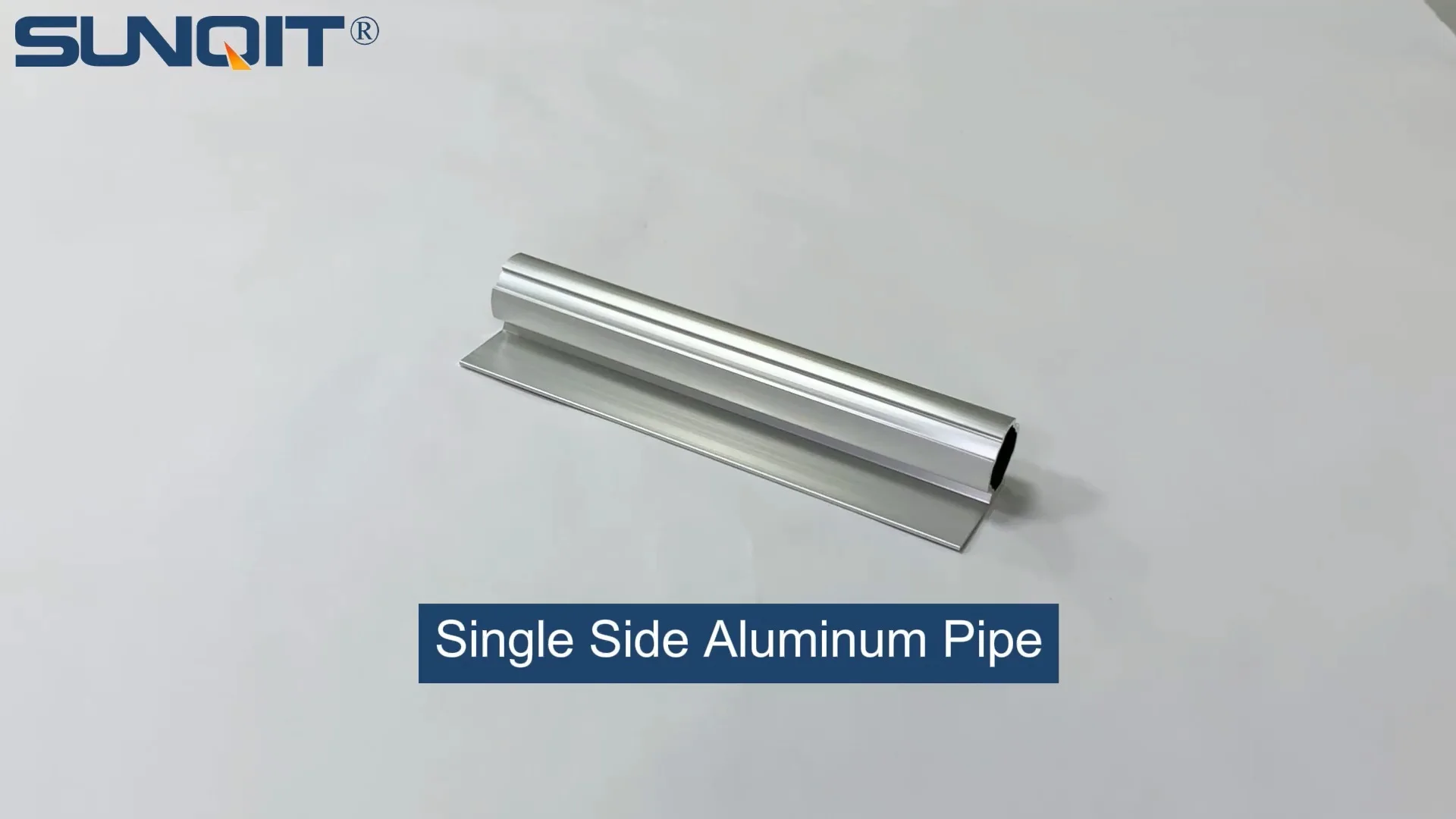
Single Side Aluminum Pipe
The single-sided plane can be installed with a back-mounted material box, and can also be used as a sidewall or partition.
In the world of manufacturing and industrial operations, lean management isn't just a buzzword—it's a philosophy that drives efficiency, reduces waste, and empowers teams to work smarter. At the heart of many lean systems lies the humble aluminum pipe, a versatile building block that forms the backbone of workstations, material racks, and flow lines. But what truly transforms a simple aluminum pipe into a high-performing lean solution? The answer lies in the accessories. From joints that enable flexible configurations to casters that add mobility, these components are the unsung heroes that turn rigid structures into adaptable, workflow-optimized systems. In this article, we'll dive deep into the essential accessories that elevate single side aluminum pipe systems, exploring their roles, benefits, and how they work together to create lean environments that grow with your needs.
The Foundation: Why Aluminum Lean Pipe Leads the Way
Before we explore the accessories, let's take a moment to appreciate the star of the show: aluminum lean pipe. Unlike traditional steel pipes, aluminum lean pipe brings a unique set of advantages that make it ideal for lean management systems. It's lightweight, making it easy to assemble and reconfigure without heavy machinery. It's also resistant to corrosion, ensuring longevity even in humid or industrial environments. But perhaps most importantly, aluminum's inherent strength-to-weight ratio means it can support substantial loads—think toolboxes, raw materials, or finished products—without compromising on flexibility. Single side aluminum pipe systems, in particular, are designed for simplicity: they feature a single row of pipes (as opposed to double-sided frames), making them perfect for space-constrained areas like assembly lines, packing stations, or small warehouses. Whether you're building a workbench, a material rack, or a mobile trolley, aluminum lean pipe provides the sturdy, adaptable base that accessories can build upon.
What truly sets aluminum lean pipe apart, though, is its compatibility with a wide range of accessories. Unlike fixed steel structures, which often require welding or permanent fasteners, aluminum systems rely on modular components that snap, clamp, or twist into place. This modularity is the cornerstone of lean thinking: it allows teams to adjust layouts on the fly, scale up or down as production needs change, and minimize downtime during reconfigurations. In short, aluminum lean pipe is more than just a material—it's a blank canvas, and the accessories are the brushes that turn it into a masterpiece of efficiency.
Essential Accessories: Building Blocks of Lean Systems
Now that we understand the role of aluminum lean pipe, let's turn to the accessories that bring these systems to life. From joints that connect pipes at precise angles to casters that let workstations move with your team, each accessory serves a specific purpose in enhancing functionality. Below, we'll break down the most critical categories and explore how they contribute to lean operations.
1. Lean Pipe Joints: The Connectors That Enable Flexibility
At the core of any aluminum pipe system are the lean pipe joints—small but mighty components that hold the structure together while allowing for adjustability. These joints come in a variety of designs, each tailored to different needs, and choosing the right one can make or break the functionality of your system. Let's start with fixed joints, which are ideal for creating stable, rigid connections at 90° or 45° angles. These are the workhorses of frame-building, used to construct the vertical and horizontal supports of workbenches or material racks. For example, a 90° fixed lean pipe joint (chrome-plated or aluminum) ensures that the legs of a workbench stay perfectly perpendicular to the tabletop, preventing wobbling even under heavy loads.
But lean management thrives on adaptability, which is where rotatory joints shine. Take the internal rotary aluminum joint, a popular choice for systems that need to adjust angles without disassembly. Imagine a workstation where a side shelf needs to swing out to load materials and then tuck back in to save space—an internal rotary joint makes this possible with a smooth, 180° rotation. These joints are often used in assembly lines where workers need quick access to tools or parts from different angles. Another versatile option is the swivel joint, which allows pipes to rotate 360°, making it easy to reposition components like tool holders or lighting fixtures as tasks change.
What makes these joints so effective is their design: most feature a clamping mechanism that tightens around the aluminum pipe, creating a secure hold without damaging the material. This means you can disassemble and reassemble joints repeatedly without losing stability—a key feature for lean systems that evolve over time. Whether you need a fixed structure or a dynamic, adjustable setup, lean pipe joints are the foundation that keeps everything connected and functional.
2. Caster Wheels: Adding Mobility to Static Structures
In lean environments, mobility is often just as important as stability. That's where caster wheels come into play. These small, wheeled components attach to the base of aluminum pipe structures—think workbenches, turnover trolleys, or material racks—turning them from stationary fixtures into movable assets. The right caster wheel can transform how your team operates, allowing workstations to be repositioned for line balancing, materials to be transported directly to the point of use, and floor space to be reconfigured in minutes.
When selecting caster wheels for aluminum lean pipe systems, there are a few key factors to consider. First, load capacity: casters are rated for specific weights, so it's critical to match the caster to the maximum load of the structure. A lightweight trolley might use 50kg-rated casters, while a heavy-duty workbench could require 200kg or more. Second, wheel material: rubber casters are gentle on concrete floors and reduce noise, making them ideal for indoor use, while polyurethane wheels offer better durability for rough surfaces. Third, functionality: swivel casters with brakes provide 360° movement and the ability to lock the structure in place, preventing unintended movement during tasks. Rigid casters, on the other hand, move in a straight line, making them better for trolleys that follow fixed paths.
Integration with aluminum pipes is seamless, thanks to caster mounting plates or bases designed to clamp onto pipe ends. For example, a "caster install base" (a simple metal plate with holes for bolts) can be attached to the bottom of a workbench's legs, and the caster wheel screws directly into the base. This modularity means you can add or remove casters as needed—say, converting a stationary workbench into a mobile one during a production peak, then reverting it back when space is tight. In short, caster wheels turn aluminum pipe systems into dynamic tools that adapt to the ebb and flow of daily operations.
3. Workbench Components: Building Functional, Ergonomic Spaces
Workbenches are the heart of many lean operations, serving as assembly stations, packing areas, or inspection points. But a basic aluminum pipe frame is just a skeleton—without the right components, it's little more than a metal. That's where workbench-specific accessories come in, transforming frames into ergonomic, task-tailored workspaces. Let's start with the workbench deck, the surface where the magic happens. Decks come in materials like plywood, steel, or anti-static laminates (critical for electronics manufacturing), and they're designed to attach securely to aluminum pipe frames using brackets or clamps. For example, "Workbench E (single deck-without caster)" (a common model) features a single, sturdy deck supported by four aluminum legs, providing a flat, stable surface for assembly tasks.
To maximize vertical space, shelves and side racks are essential. These accessories attach to the sides or back of the workbench frame, providing storage for tools, parts bins, or documentation. Adjustable shelf heights are a must here—using sliding brackets or pin holes, workers can raise or lower shelves to keep frequently used items at eye level, reducing bending and reaching. Another key component is the side guide, often made of aluminum or plastic, which lines the edges of the workbench to prevent tools or small parts from rolling off. Plastic roller track guide rails, available in colors like yellow or grey, add an extra layer of functionality by creating a smooth surface for sliding bins or materials across the bench.
Ergonomics play a big role in lean management, and accessories like footrests or height-adjustable legs (using anti-slip adjustable leveling feet) ensure workers stay comfortable during long shifts. Leveling feet are particularly important for uneven floors, allowing the workbench to be stabilized to prevent rocking. For mobile workbenches, integrating caster wheels (as discussed earlier) with a brake mechanism ensures the bench stays put during tasks but can be moved when needed. Together, these components turn a simple aluminum frame into a workspace that supports efficiency, safety, and productivity.
Comparing Key Lean Pipe Joint Types
| Joint Type | Material | Angle Range | Best For | Key Feature |
|---|---|---|---|---|
| Fixed 90° | Aluminum/Chrome-Plated Steel | 90° (fixed) | Vertical/horizontal frame supports | Maximum stability for rigid structures |
| Internal Rotary | Aluminum | 0°–180° (smooth rotation) | Swing-out shelves, adjustable work surfaces | Tool-free angle adjustment |
| Swivel 180° | Zinc Alloy | 0°–180° (full rotation) | Tool holders, lighting fixtures | 360° rotation for multi-angle access |
| 45° Reinforce | Aluminum | 45° (fixed) | Diagonal bracing, sloped racks | Extra reinforcement for heavy loads |
4. Ensuring Smooth Flow: Connectors and Roller Tracks
In lean systems, material flow is everything—delays in moving parts from A to B can grind production to a halt. That's where connectors and roller tracks come in, ensuring materials glide smoothly through the workflow with minimal effort. Roller tracks, often made of aluminum or plastic, are mounted to aluminum pipe frames to create gravity-fed or powered conveyor systems. For example, plastic roller track guide rails (available in yellow for high visibility or grey for a sleek look) are commonly used in packing stations, where boxes slide down from a shelf to the packing bench, reducing the need for manual lifting.
To connect roller tracks to aluminum pipes or profiles, specialized connectors are essential. Roller track placon mounts, for instance, are brackets that attach tracks to aluminum profiles at different heights or angles. "Roller track placon mount for aluminum profile flat" is designed to mount tracks flush with the profile surface, while "roller track placon mount for aluminum profile high" raises the track for better clearance. These mounts ensure the track stays aligned, preventing jams and ensuring consistent material flow. Another key component is the roller track connector, which joins two sections of track together, creating longer conveyor lines without gaps. These connectors often feature a snap-fit design, making assembly quick and tool-free.
For more complex layouts, swivel roller balls are a game-changer. These small, spherical rollers (available in sizes like 0.5 inch or 1 inch) are mounted to workbench surfaces or material racks, allowing items to be rotated or moved in any direction with minimal friction. In warehouses, swivel roller balls on a picking cart let workers spin heavy boxes to access labels or open lids without lifting. When combined with roller tracks, these accessories create a seamless material handling system that reduces physical strain and speeds up processes.

Optimizing Your System: Choosing the Right Accessories
With so many accessories available, selecting the right ones for your single side aluminum pipe system can feel overwhelming. But by focusing on your specific workflow needs, you can build a system that truly supports lean principles. Start by mapping out your current process: Where are the bottlenecks? Are workers wasting time searching for tools? Is material movement causing delays? For example, if assembly line workers are constantly walking to a central tool rack, adding a swivel tool holder (mounted with a lean pipe joint) to each workstation could save hours of time each week.
Load capacity is another critical factor. A workbench used for light assembly might only need 50kg-rated casters, but a material rack holding heavy machinery parts could require 200kg+ casters with reinforced mounting plates. Always check the weight ratings of accessories to ensure they can handle your daily loads—overloading can lead to instability or damage. Environment matters too: in cleanrooms or food processing facilities, stainless steel swivel roller balls are a better choice than plastic, as they're easier to sanitize. For electronics manufacturing, anti-static (ESD) accessories like ESD workbench mats or black ESD roller wheels prevent static discharge from damaging sensitive components.
Finally, don't overlook the power of customization. Lean management is about continuous improvement, so your system should grow with your needs. Start with the basics—a simple workbench frame, fixed joints, and a few shelves—and add accessories as you identify gaps. Maybe six months down the line, you'll need to add a roller track to feed parts into the workstation; with modular aluminum pipe accessories, you can do that without replacing the entire frame. The key is to stay flexible and open to adjusting your system as your processes evolve.

Conclusion: Accessories as the Catalyst for Lean Success
Aluminum lean pipe systems are more than just a collection of pipes and frames—they're dynamic tools that drive efficiency in lean management. And at the heart of these systems are the accessories: joints that connect, casters that move, workbench components that organize, and roller tracks that flow. These small but mighty parts transform rigid structures into adaptable, worker-centric environments where waste is minimized and productivity thrives.
Whether you're building a simple workbench or a complex material handling system, the right accessories ensure your aluminum pipe system works for your team, not against them. By choosing components that align with your workflow, load needs, and environment, you create a foundation for continuous improvement—a cornerstone of lean philosophy. So the next time you look at a single side aluminum pipe, remember: its true potential lies not in the pipe itself, but in the accessories that turn it into a lean solution built for success.