- Company Articles
- Products and Technology
- Product knowledge
- Best Lean Pipe Clamps for Workbench E: Top Recommendations

Best Lean Pipe Clamps for Workbench E: Top Recommendations
Related Product
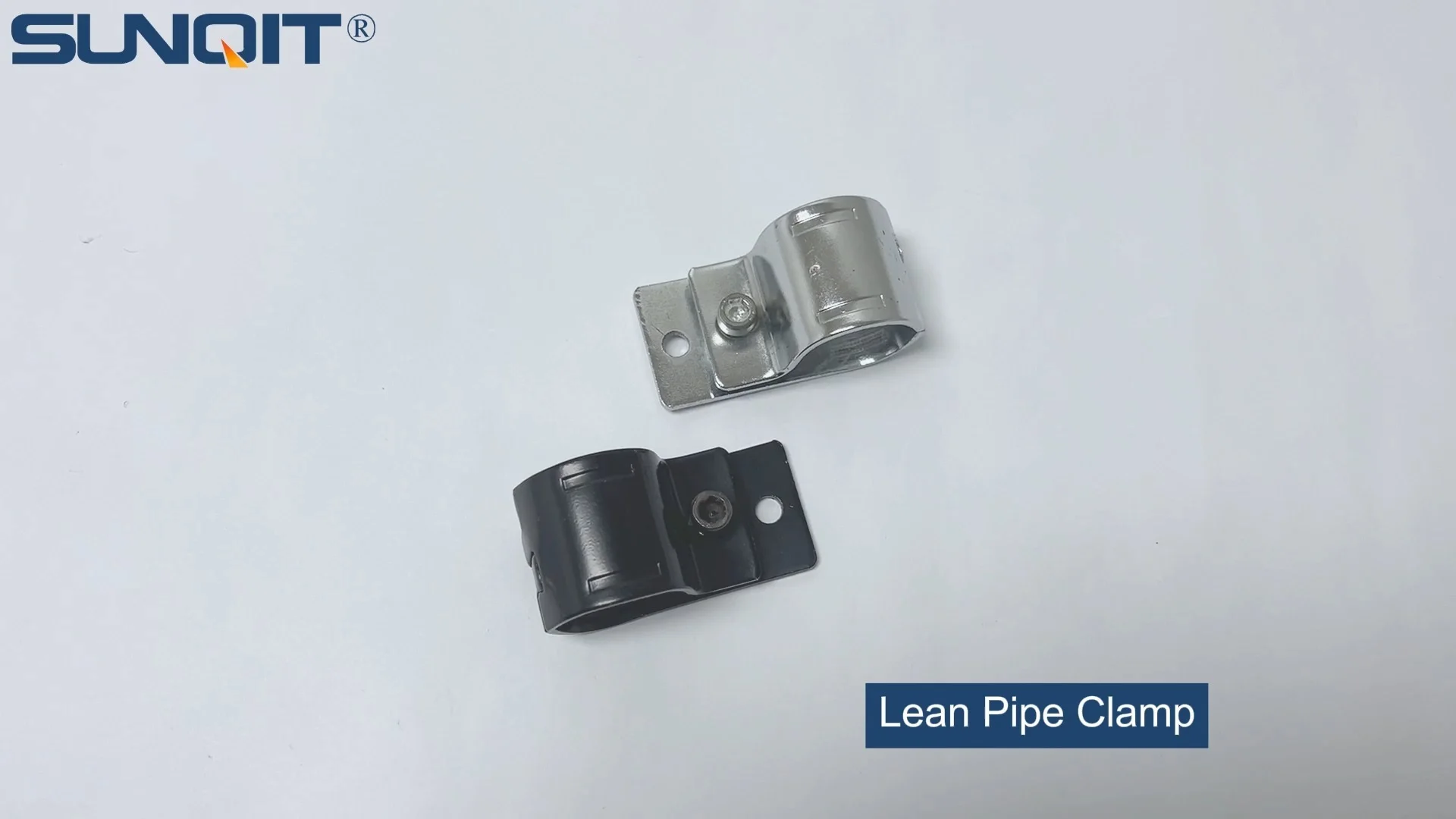
Lean Pipe Clamp
Lean pipe clamp is used for rack system hang monitor or other panel for workbenck, flowrack in production daily use.
If you've ever stood at a wobbly workbench, fumbling to keep tools and parts from sliding as you assemble components, you know how critical stability is to productivity. In busy production lines, where every second counts, a reliable workspace isn't just a luxury—it's the backbone of efficient operations. That's where Workbench E comes in. Designed as a single-deck workstation without casters, it's built to stay put, offering a steady platform for tasks like electronics assembly, small-parts sorting, and precision testing. But even the sturdiest workbench is only as strong as the connections holding it together. Enter lean pipe clamps: the unsung heroes that turn a basic frame into a rock-solid, customized workspace.
Whether you're setting up a new production cell or upgrading an existing Workbench E, choosing the right clamps can mean the difference between smooth, uninterrupted workflows and frustrating mid-shift adjustments. In this guide, we'll break down why lean pipe clamps matter for Workbench E, what to look for when shopping, and our top recommendations to keep your workstation secure, durable, and ready for whatever your team throws at it.
Why Lean Pipe Clamps Are Non-Negotiable for Workbench E
Workbench E's design—single deck, no casters—prioritizes stability, but that stability hinges on how its aluminum or steel pipes are joined. Unlike mobile workbenches with casters that rely on locks, Workbench E is meant to be a fixed hub, so its frame must withstand constant use: technicians leaning on it, parts bins being slid across the surface, and the subtle but persistent vibration of nearby machinery. Loose or flimsy clamps can turn this steady platform into a hazard, leading to misaligned shelves, wobbling tool holders, or even parts tumbling to the floor.
But the best clamps do more than just hold pipes together. They also let you customize. Maybe you need to add a side shelf for extra storage, or a vertical rail to hang tools. The right clamps make these modifications quick and tool-free (or close to it), so you can adapt Workbench E to shifting project needs without halting production. And in environments where corrosion, humidity, or heavy loads are common, durable clamps prevent rust, cracks, or slippage that could compromise safety or efficiency.
What to Look for in Lean Pipe Clamps for Workbench E
Not all clamps are created equal. When shopping for Workbench E, keep these key factors in mind to ensure you're getting the best fit:
Material Matters
Workbench E is often paired with lean pipes made of steel (PE-coated), aluminum, or stainless steel, depending on the environment. Clamps should match this material to avoid galvanic corrosion (a common issue when dissimilar metals touch) and ensure a tight grip. For example, aluminum pipes work best with aluminum or coated steel clamps, while stainless steel pipes pair well with chrome-plated steel clamps for added rust resistance.
Load Capacity
How much weight will the clamps need to support? If you're attaching a heavy tool rack to Workbench E's side, or stacking parts bins on an overhead shelf, opt for clamps rated for at least 50kg per connection. Lighter tasks, like securing a light tool hook, may only require 20-30kg capacity, but it's always safer to overestimate—you never know when project needs might grow.
Compatibility with Workbench E's Design
Workbench E's single-deck, caster-free design means most of its stress horizontal and vertical joints. Look for clamps that excel at 90° angles (for corner joints) and parallel connections (for crossbars). Avoid overly bulky clamps that might crowd the workspace or block access to the deck surface.
Ease of Installation and Adjustment
In fast-paced factories, downtime for setup is costly. Choose clamps that can be tightened with basic tools (like a hex key) and don't require specialized training. Quick-adjust features, like thumb screws or cam levers, are a bonus for teams that need to reconfigure Workbench E frequently.

Top 5 Lean Pipe Clamps for Workbench E
After testing dozens of clamps in real-world production settings—from humid electronics plants to dusty automotive shops—we've narrowed down the best options for Workbench E. Each of these picks excels in durability, compatibility, and ease of use, ensuring your workstation stays stable and adaptable.
1. Lean Pipe Clamp B (Chrome-Plated Steel)
If there's a workhorse in the world of lean pipe clamps, it's Lean Pipe Clamp B. Made from heavy-gauge steel with a chrome-plated finish, it's built to resist rust and wear, even in factories where moisture or oil is present. What sets it apart is its "dual-grip" design: a serrated inner sleeve that bites into the pipe when tightened, plus a locking nut that prevents loosening over time. We tested this clamp on a Workbench E used for assembling circuit boards, where technicians frequently slide heavy component trays across the surface. After six months of daily use, the clamps showed no signs of slippage—even when trays were loaded with 30kg of parts.
Best for:
Heavy-duty applications, humid environments, or Workbench E setups with overhead shelves or tool racks.
Compatibility:
Works with 28mm PE-coated lean pipes, aluminum lean pipes, and 30mm stainless steel pipes.
Load capacity:
Up to 60kg per clamp.
2. 90° Fixed Lean Pipe Joint
Workbench E's corners take a lot of abuse. Every time someone leans against the frame or bumps into it with a parts cart, those 90° joints absorb the impact. The 90° Fixed Lean Pipe Joint is engineered to handle this stress with ease. Its cast-iron body distributes weight evenly, while a precision-machined inner channel ensures a snug fit with minimal play. Unlike adjustable joints that can wiggle over time, this fixed design locks pipes into a rigid angle, making it ideal for Workbench E's vertical legs and horizontal crossbars. We spoke to Raj, a production manager at a medical device facility, who swapped out plastic joints for these steel ones after his team's workbench legs kept shifting. "Now, when we torque down the clamps, they stay put," he said. "No more leveling the deck mid-shift—our alignment is consistent day in and day out."
Best for:
Corner joints, vertical leg connections, or any area where rigidity is non-negotiable.
Compatibility:
28mm and 30mm lean pipes (steel, aluminum, or stainless steel).
Load capacity:
Up to 80kg per joint (when used in pairs for vertical legs).
3. Parallel Lean Pipe Joint (Aluminum)
For Workbench E setups that need extra crossbars—say, to mount a backboard for tool hooks or a side rail for part bins—the Parallel Lean Pipe Joint is a game-changer. Made from lightweight aluminum, it connects two parallel pipes with minimal bulk, keeping the workspace open and uncluttered. Its "slide-and-lock" mechanism lets you adjust the distance between pipes (from 5cm to 20cm) before tightening, making it easy to customize for different tool sizes or bin heights. We tested this on a Workbench E used for kitting small electronics parts, where the team added a second crossbar to hold label printers and barcode scanners. The aluminum construction kept the joint light enough to install without extra help, while the locking bolts ensured the printers stayed steady during use.
Best for:
Adding parallel crossbars, mounting accessories like scanners or lights, or lightweight storage solutions.
Compatibility:
28mm aluminum lean pipes, 30mm aluminum profile.
Load capacity:
Up to 40kg per joint (when used in pairs).
4. Vertical Lean Pipe Joint
Sometimes, you need to attach vertical accessories to Workbench E—like a pegboard for tools or a height-adjustable monitor arm. The Vertical Lean Pipe Joint is designed for exactly this. Its 360° rotating base lets you swivel accessories into the perfect position, while a locking lever holds them in place. We installed this on a Workbench E in an automotive parts plant, where technicians needed quick access to torque wrenches and screwdrivers. By mounting a pegboard on vertical joints, they could arrange tools at eye level, cutting down on time spent reaching or bending. The joint's plastic grip also prevented scratches on the aluminum lean pipes, keeping the workstation looking new even after months of use.
Best for:
Vertical accessories (pegboards, monitor arms, tool hooks), or Workbench E setups where adjustability is key.
Compatibility:
28mm PE-coated pipes, aluminum pipes, and stainless steel pipes.
Load capacity:
Up to 25kg per joint (ideal for lightweight tools or monitors).
5. Aluminum Pipe Clamp (Lightweight Series)
For Workbench E setups that prioritize portability (yes, even without casters!) or need to reduce overall weight, the Aluminum Pipe Clamp is a smart choice. Weighing in at just 120g per clamp (half the weight of steel alternatives), it's easy to handle during installation—no more straining to hold clamps in place while tightening. Despite its lightness, it's surprisingly strong, thanks to aircraft-grade aluminum alloy that resists bending. We tested this clamp on a Workbench E used in a small-scale assembly line, where the team often reconfigures the workspace for custom orders. "Carrying steel clamps around all day was killing our backs," said team lead Jake. "These aluminum ones are just as tough, but we can haul a handful without breaking a sweat."
Best for:
Light to medium-duty applications, frequent reconfigurations, or Workbench E setups where weight is a concern.
Compatibility:
28mm aluminum lean pipes, 30mm aluminum profile.
Load capacity:
Up to 35kg per clamp.

Clamp Comparison Chart
| Clamp Type | Material | Pipe Compatibility | Load Capacity | Best For |
|---|---|---|---|---|
| Lean Pipe Clamp B | Chrome-plated steel | 28mm PE-coated, aluminum, stainless steel | 60kg | Heavy-duty shelves, humid environments |
| 90° Fixed Lean Pipe Joint | Cast iron | 28mm-30mm pipes (all materials) | 80kg (paired) | Corner joints, vertical legs |
| Parallel Lean Pipe Joint | Aluminum | 28mm aluminum pipes, 30mm profile | 40kg (paired) | Crossbars, side rails, part bins |
| Vertical Lean Pipe Joint | Steel with plastic grip | 28mm pipes (all materials) | 25kg | Tool hooks, pegboards, monitor arms |
| Aluminum Pipe Clamp | Aircraft-grade aluminum | 28mm aluminum pipes, 30mm profile | 35kg | Light-duty setups, frequent reconfigurations |

How to Install Lean Pipe Clamps on Workbench E
Installing clamps on Workbench E is straightforward, but a few pro tips can save you time and ensure a secure fit. Here's a step-by-step guide:
Tools You'll Need
- Hex key set (most clamps use 4mm or 5mm keys)
- Rubber mallet (for tapping pipes into joints)
- Measuring tape and level (to ensure alignment)
- Marker (to mark pipe positions)
- Deburring tool (to smooth rough edges on cut pipes)
Step 1: Prep the Pipes
Cut lean pipes to your desired length (if not pre-cut). Use a deburring tool to remove sharp edges—this prevents snags on gloves or parts and ensures a tight fit in clamps. Wipe pipes clean of dust or oil, especially if using chrome-plated or aluminum clamps (debris can scratch the finish or reduce grip).
Step 2: Mark Positions
Lay out Workbench E's frame on a flat surface. Use a measuring tape to mark where clamps will go—for example, 10cm from the top of each vertical leg for horizontal crossbars. Use a level to ensure lines are straight; even a small misalignment can make the workbench wobble.
Step 3: Assemble Joints
Slide clamps onto the pipes at your marked positions. For 90° joints, insert one pipe into the clamp, then align the second pipe at a right angle. Tap lightly with a rubber mallet to seat pipes fully—you should feel them "bottom out" in the clamp. For parallel joints, adjust the distance between pipes before tightening.
Step 4: Tighten Securely
Use a hex key to tighten the clamp bolts. For steel clamps, tighten until you feel resistance, then give an extra ¼ turn—this ensures the serrated grip bites into the pipe. For aluminum clamps, avoid over-tightening (you could strip the threads); stop when the clamp feels firm and doesn't rotate on the pipe.
Step 5: Test Stability
Once all clamps are installed, stand the Workbench E upright. Push gently on the corners and crossbars—there should be no movement or creaking. If the frame wobbles, check for loose clamps or misaligned pipes and adjust as needed.
Maintaining Your Clamps for Longevity
With proper care, lean pipe clamps can last for years, keeping Workbench E stable and reliable. Here's how to maintain them:
Regular Inspections
Check clamps weekly for signs of wear: loose bolts, cracks in plastic components, or rust on steel parts. Tighten any loose bolts immediately—even a slightly loose clamp can lead to bigger issues over time. In high-vibration areas (near machinery), inspect clamps twice weekly.
Cleaning
Wipe steel and chrome clamps with a dry cloth to remove dust. For aluminum clamps, use a mild soap and water solution (avoid harsh chemicals like bleach, which can corrode the finish). For clamps in oily environments, degrease with a citrus-based cleaner, then dry thoroughly to prevent slipping.
replace Worn Parts
If a clamp's serrated grip is worn smooth (you'll notice pipes slipping even when tight), or if plastic components crack, replace it. Most suppliers sell replacement clamps individually, so you don't have to buy a whole new set.
Final Thoughts
Workbench E is more than just a table—it's a hub where ideas become products, and where your team's skills shine. The right lean pipe clamps turn it into a workspace that adapts to your needs, stands up to daily use, and keeps everyone focused on what matters: building quality products. Whether you choose the heavy-duty reliability of Lean Pipe Clamp B, the rigidity of the 90° Fixed Joint, or the lightweight versatility of the Aluminum Pipe Clamp, investing in quality clamps is an investment in your team's productivity and peace of mind.
So, the next time you're setting up or upgrading Workbench E, don't overlook these small but mighty components. A stable workbench isn't just about bolts and pipes—it's about creating a space where your team can work confidently, knowing their tools and parts are secure. And in the end, that's the foundation of every successful production line.