- Company Articles
- Products and Technology
- Application Cases
- Best Practices for Using 38 Aluminum Roller Track White with Side Guide in Lean Manufacturing

Best Practices for Using 38 Aluminum Roller Track White with Side Guide in Lean Manufacturing
Related Product
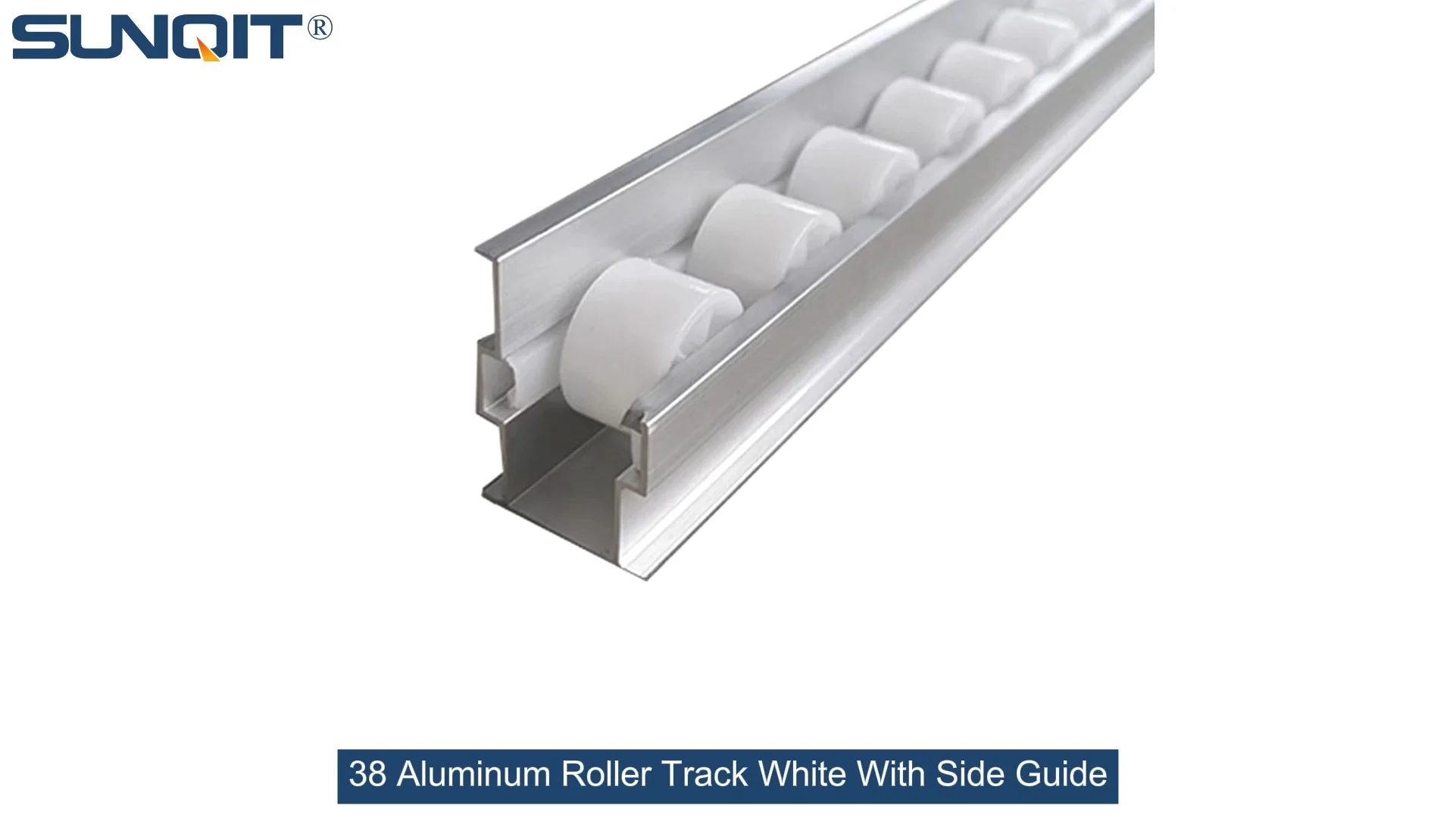
38 Aluminum Roller Track White with Side Guide
Heavy duty roller tracks, aluminum frame with plastic wheel, one side with guide keeps goods and materials on the track to prevent bin move to other direction.Aluminum frame makes the rail ani-corrision when the environment are humid.
Best Practices for Using 38 Aluminum Roller Track White with Side Guide in Lean Manufacturing
Lean manufacturing isn't just a set of rules—it's a way of working that puts efficiency, waste reduction, and continuous improvement at the forefront. Every component in your production line matters, and the 38 Aluminum Roller Track White with Side Guide is one of those small but mighty tools that can make a big difference. This track isn't just metal and rollers; it's a bridge between messy, slow material handling and smooth, seamless workflows. Whether you're moving tiny 3C parts or heavy medical equipment components, this roller track helps keep things on track (literally) and aligned with your lean goals. Let's dive into how to get the most out of this component in your lean system.
Understanding the 38 Aluminum Roller Track White with Side Guide
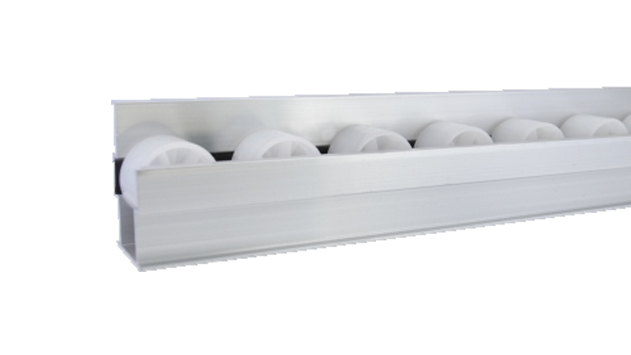
First, let's break down what makes this roller track special. It's made from aluminum extrusion profile—lightweight but tough enough to handle daily wear and tear. The white finish isn't just for looks; it makes dirt and debris easy to spot, which is crucial for maintaining cleanliness in industries like medical device manufacturing or 3C assembly. The side guides are a game-changer: they keep materials from slipping off the track, ensuring every part moves exactly where it needs to go without misalignment.
Unlike heavier steel tracks, this aluminum version is easy to install and reposition, which fits perfectly with the flexible nature of lean systems. It reduces friction between materials and the track, so you don't need extra force to move bins or parts—saving time and cutting down on physical strain for your team. Plus, aluminum is corrosion-resistant, so it lasts longer even in busy, high-moisture environments.
Key Applications in Lean Manufacturing
This roller track is versatile, and you'll find it in many parts of a lean production setup. Let's look at some common uses:
1. Flow Racks
Flow racks are a staple in lean warehouses, and this roller track is the heart of them. When you place bins on the track, they slide smoothly from the back to the front using gravity. This follows the first-in-first-out (FIFO) principle—older stock gets used first, reducing waste from expired or obsolete parts. The side guides ensure bins don't tip over as they slide, keeping your inventory organized and accessible. 2. Production Assemble Lines
In production assemble lines, every second counts. This roller track helps move parts between stations without manual lifting. For example, in a 3C assembly line, small circuit boards can glide along the track from the soldering station to the testing station. The side guides keep the boards aligned, so workers don't have to adjust them—speeding up the process and reducing errors. 3. Conveyor Systems
Roller conveyors rely on tracks like this to move parts across long distances. Whether it's a small component or a heavy assembly, the roller track reduces friction, making movement effortless. This cuts down on labor costs and eliminates the risk of injury from lifting heavy items. 4. Lean Pipe Workbenches
Attach this roller track to a lean pipe workbench, and you've got a seamless way to bring parts right to the worker's hands. No more reaching across cluttered surfaces or walking to grab materials—everything slides directly onto the work area, keeping the workspace tidy and efficient.
Flow racks are a staple in lean warehouses, and this roller track is the heart of them. When you place bins on the track, they slide smoothly from the back to the front using gravity. This follows the first-in-first-out (FIFO) principle—older stock gets used first, reducing waste from expired or obsolete parts. The side guides ensure bins don't tip over as they slide, keeping your inventory organized and accessible. 2. Production Assemble Lines
In production assemble lines, every second counts. This roller track helps move parts between stations without manual lifting. For example, in a 3C assembly line, small circuit boards can glide along the track from the soldering station to the testing station. The side guides keep the boards aligned, so workers don't have to adjust them—speeding up the process and reducing errors. 3. Conveyor Systems
Roller conveyors rely on tracks like this to move parts across long distances. Whether it's a small component or a heavy assembly, the roller track reduces friction, making movement effortless. This cuts down on labor costs and eliminates the risk of injury from lifting heavy items. 4. Lean Pipe Workbenches
Attach this roller track to a lean pipe workbench, and you've got a seamless way to bring parts right to the worker's hands. No more reaching across cluttered surfaces or walking to grab materials—everything slides directly onto the work area, keeping the workspace tidy and efficient.

Best Practices for Installation
Installing the roller track correctly is key to getting the most out of it. Here's a step-by-step guide to ensure a smooth setup:
Step 1: Assess Your Needs
Before you start, figure out what you're moving. What's the weight of the materials? How big are they? This will help you choose the right track length and roller spacing. For example, smaller parts need closer roller spacing to prevent them from falling through, while heavier items need sturdier brackets. Step 2: Prepare the Surface
The mounting surface must be flat and stable. Use a level to check for unevenness—even a small slope can cause materials to slide too fast or get stuck. If the surface isn't flat, use shims to adjust it before installing the track. Step 3: Gather Tools and Components
You'll need a few things to get the job done right. Here's a quick checklist:
Before you start, figure out what you're moving. What's the weight of the materials? How big are they? This will help you choose the right track length and roller spacing. For example, smaller parts need closer roller spacing to prevent them from falling through, while heavier items need sturdier brackets. Step 2: Prepare the Surface
The mounting surface must be flat and stable. Use a level to check for unevenness—even a small slope can cause materials to slide too fast or get stuck. If the surface isn't flat, use shims to adjust it before installing the track. Step 3: Gather Tools and Components
You'll need a few things to get the job done right. Here's a quick checklist:
| Tool/Component | Purpose |
|---|---|
| Tape Measure | To measure track length and spacing |
| Level | To ensure the track is flat |
| Drill & Screws | To secure the track to the surface |
| Roller Track Connectors | To join multiple tracks together |
| Brackets | To attach the track to flow racks or workbenches |
Step 4: Align and Secure the Track
Place the track on the surface and use the level to adjust it. Mark the mounting holes with a pencil, then drill pilot holes to prevent the surface from splitting. Attach the track using brackets and screws—make sure it's tight, but don't over-tighten (this can warp the track). Step 5: Test the Flow
Once installed, place a sample material on the track and slide it. If it sticks or moves too fast, adjust the track's angle or roller spacing. The side guides should fit the material snugly—no gaps, but not so tight that it rubs against the track. Step 6: Repeat for Multiple Tracks
If you're using multiple tracks (like in a wide conveyor), make sure they're aligned properly. Gaps between tracks can cause materials to get stuck, so double-check the spacing before finishing.
Place the track on the surface and use the level to adjust it. Mark the mounting holes with a pencil, then drill pilot holes to prevent the surface from splitting. Attach the track using brackets and screws—make sure it's tight, but don't over-tighten (this can warp the track). Step 5: Test the Flow
Once installed, place a sample material on the track and slide it. If it sticks or moves too fast, adjust the track's angle or roller spacing. The side guides should fit the material snugly—no gaps, but not so tight that it rubs against the track. Step 6: Repeat for Multiple Tracks
If you're using multiple tracks (like in a wide conveyor), make sure they're aligned properly. Gaps between tracks can cause materials to get stuck, so double-check the spacing before finishing.

Integration with Other Lean Components
This roller track works best when paired with other lean components. Let's see how it fits into a complete lean solution:
1. Lean Pipe Workbenches
Attach the roller track to the side of a lean pipe workbench, and you've got a way to move parts directly to the worker. For example, in a medical device assembly line, the track can bring sterilized parts to the workbench, so workers don't have to leave their stations. This reduces downtime and keeps the workflow smooth. 2. Conveyors
Combine this track with a roller conveyor system to move parts across the factory floor. The aluminum track is lightweight, so the conveyor is easy to reposition if you need to change your production layout. This flexibility is key to continuous improvement in lean manufacturing. 3. Custom Lean Solutions
Every industry has unique needs. For example, a car manufacturer might need a track that can handle heavy engine parts, while a 3C company needs one for small, delicate components. This roller track can be customized to fit these needs—adjust the length, roller spacing, or side guide height to create a solution that works for your specific process.
Attach the roller track to the side of a lean pipe workbench, and you've got a way to move parts directly to the worker. For example, in a medical device assembly line, the track can bring sterilized parts to the workbench, so workers don't have to leave their stations. This reduces downtime and keeps the workflow smooth. 2. Conveyors
Combine this track with a roller conveyor system to move parts across the factory floor. The aluminum track is lightweight, so the conveyor is easy to reposition if you need to change your production layout. This flexibility is key to continuous improvement in lean manufacturing. 3. Custom Lean Solutions
Every industry has unique needs. For example, a car manufacturer might need a track that can handle heavy engine parts, while a 3C company needs one for small, delicate components. This roller track can be customized to fit these needs—adjust the length, roller spacing, or side guide height to create a solution that works for your specific process.
Maintenance Tips for Longevity
To keep your roller track working well for years, follow these maintenance tips:
Weekly Checks
Wipe the track with a dry cloth to remove dust and debris. Dirt can cause rollers to stick, so keeping it clean is essential. Check the side guides for damage—if they're bent, they won't keep materials aligned. Monthly Inspections
Tighten any loose screws or brackets. Check the rollers for wear—if they're scuffed or cracked, replace them. Lubricate the rollers with a light oil if they start to squeak (but avoid oil in clean environments like medical manufacturing). Quarterly Deep Clean
Remove the track from its mounting and clean the underside. This is where dirt and debris build up over time. Inspect the roller bearings for rust or damage—replace them if needed. Annual Overhaul
replace any worn parts (like roller track guide rails) to keep the track in top shape. This prevents unexpected breakdowns that can halt production. Regular maintenance isn't just about keeping the track working—it's about following lean principles. By preventing downtime, you're reducing waste and keeping your production line efficient.
Wipe the track with a dry cloth to remove dust and debris. Dirt can cause rollers to stick, so keeping it clean is essential. Check the side guides for damage—if they're bent, they won't keep materials aligned. Monthly Inspections
Tighten any loose screws or brackets. Check the rollers for wear—if they're scuffed or cracked, replace them. Lubricate the rollers with a light oil if they start to squeak (but avoid oil in clean environments like medical manufacturing). Quarterly Deep Clean
Remove the track from its mounting and clean the underside. This is where dirt and debris build up over time. Inspect the roller bearings for rust or damage—replace them if needed. Annual Overhaul
replace any worn parts (like roller track guide rails) to keep the track in top shape. This prevents unexpected breakdowns that can halt production. Regular maintenance isn't just about keeping the track working—it's about following lean principles. By preventing downtime, you're reducing waste and keeping your production line efficient.
Case Studies: Real-World Success
Let's look at how two companies used this roller track to improve their lean processes:
Case Study 1: 3C Assembly Line
A consumer electronics company was struggling with slow material handling in their 3C assembly line. Workers had to carry small parts between stations, which took time and caused fatigue. They installed the 38 Aluminum Roller Track White with Side Guide along the line, connecting the component storage area to the assembly stations. The result? Material handling time dropped by 35%, and workers could focus more on assembly than lifting. The side guides kept parts aligned, so error rates decreased by 20%. The company also noticed that the white track made it easier to spot dirt, which helped maintain cleanliness in their ISO-certified facility. Case Study 2: Medical Device Manufacturing
A medical device maker needed a track that could handle sterile parts without contamination. They chose this white aluminum track because it's easy to sanitize and corrosion-resistant. The side guides ensured that delicate surgical instruments stayed aligned during assembly, which is critical for compliance with medical regulations. After installation, the company reduced the time spent adjusting parts by 40%. The track's durability meant they didn't have to replace parts often, saving money on maintenance. Plus, the white finish helped them pass their annual cleanliness audits with flying colors.
A consumer electronics company was struggling with slow material handling in their 3C assembly line. Workers had to carry small parts between stations, which took time and caused fatigue. They installed the 38 Aluminum Roller Track White with Side Guide along the line, connecting the component storage area to the assembly stations. The result? Material handling time dropped by 35%, and workers could focus more on assembly than lifting. The side guides kept parts aligned, so error rates decreased by 20%. The company also noticed that the white track made it easier to spot dirt, which helped maintain cleanliness in their ISO-certified facility. Case Study 2: Medical Device Manufacturing
A medical device maker needed a track that could handle sterile parts without contamination. They chose this white aluminum track because it's easy to sanitize and corrosion-resistant. The side guides ensured that delicate surgical instruments stayed aligned during assembly, which is critical for compliance with medical regulations. After installation, the company reduced the time spent adjusting parts by 40%. The track's durability meant they didn't have to replace parts often, saving money on maintenance. Plus, the white finish helped them pass their annual cleanliness audits with flying colors.
Choosing the Right Supplier
To get the most out of this roller track, you need a reliable supplier. Here's what to look for:
1. Customization Options
A good supplier will offer custom lean solutions. They should be able to adjust the track's length, roller spacing, or side guide height to fit your needs. For example, if you need a track for heavy automotive parts, they should have options with stronger rollers. 2. Quality Materials
Make sure the supplier uses high-quality aluminum extrusion profile. Cheap materials will wear out quickly, leading to more downtime and maintenance costs. Ask about their quality control processes to ensure the track meets industry standards. 3. Technical Support
Installation and integration can be tricky. Look for a supplier that offers technical support—they should help you choose the right track for your application and guide you through installation. This saves you time and ensures you get the most out of your investment. 4. Range of Components
A supplier with a wide range of lean components (like lean pipes, joints, and flow racks) is better. This way, you can get all your lean tools from one place, ensuring compatibility and reducing shipping costs.
A good supplier will offer custom lean solutions. They should be able to adjust the track's length, roller spacing, or side guide height to fit your needs. For example, if you need a track for heavy automotive parts, they should have options with stronger rollers. 2. Quality Materials
Make sure the supplier uses high-quality aluminum extrusion profile. Cheap materials will wear out quickly, leading to more downtime and maintenance costs. Ask about their quality control processes to ensure the track meets industry standards. 3. Technical Support
Installation and integration can be tricky. Look for a supplier that offers technical support—they should help you choose the right track for your application and guide you through installation. This saves you time and ensures you get the most out of your investment. 4. Range of Components
A supplier with a wide range of lean components (like lean pipes, joints, and flow racks) is better. This way, you can get all your lean tools from one place, ensuring compatibility and reducing shipping costs.
Conclusion
The 38 Aluminum Roller Track White with Side Guide is more than just a component—it's a tool that helps you achieve your lean manufacturing goals. By following the best practices outlined here, you can install, integrate, and maintain this track to reduce waste, speed up production, and keep your team efficient.
Remember, lean manufacturing is about continuous improvement. Don't be afraid to adjust your track setup as your processes change. With the right maintenance and support, this roller track will be a valuable part of your lean system for years to come.