- Company Articles
- Products and Technology
- Product knowledge
- Best Practices for Using 60 Steel Roller Track White in Conveyor Systems

Best Practices for Using 60 Steel Roller Track White in Conveyor Systems
Related Product
60 Steel Roller Track White
The roller track can be installed with multiple accessories to create different slopes and configurations of flow racks.All steel conveyor 60 roller track accessories are engineered to perfectly fit the sliding rail.It is enable the movement of SLC boxes.
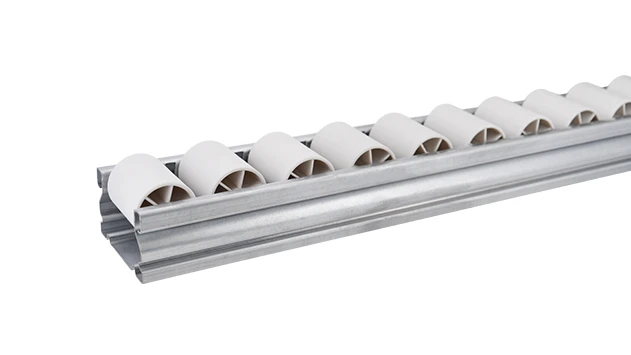
Best Practices for Using 60 Steel Roller Track White in Conveyor Systems
If you've ever walked through a well-organized manufacturing facility or a busy warehouse, you've probably seen conveyor systems moving products smoothly from one station to the next. Among the many components that make these systems work, roller tracks are the unsung heroes—especially the 60 steel roller track white. This specific type of track isn't just a piece of metal; it's a tool that combines durability, hygiene, and visual clarity to boost efficiency in your operations. Whether you're setting up a new lean system or upgrading an existing one, understanding how to use this track effectively can make a huge difference in your daily workflows.
What Makes 60 Steel Roller Track White Stand Out?
Before diving into best practices, let's take a moment to talk about why this track is worth considering. The 60 in its name refers to the width of the track (60mm), which is a common size for medium to heavy-load applications. The steel construction means it can handle weights up to 500kg per meter (depending on roller spacing), so you don't have to worry about it bending under pressure. But the white color is where it really shines:
- Hygiene First: White surfaces are easier to clean and maintain—no hidden dirt or grime can hide in dark corners. This makes it perfect for industries like medical device manufacturing or food processing where cleanliness is non-negotiable.
- Visual Clarity: A white track makes it simple to spot any debris, spills, or product defects that might cause jams. This quick visual check can save you time and reduce downtime from unexpected issues.
- Professional Aesthetic: White tracks give your facility a clean, modern look. This isn't just about appearance; it can also boost employee morale by creating a more organized and pleasant work environment.
Best Practice 1: Get the Installation Right for Long-Lasting Performance
Installing 60 steel roller track white isn't rocket science, but cutting corners here can lead to big problems later—like jams, worn-out rollers, or even safety hazards. Follow these steps to ensure a smooth installation:
Pre-Installation Checks
First, prepare the area where you'll install the track:
- Level the Floor: Use a spirit level to check if the floor is even. If there are bumps or dips, you'll need adjustable leveling feet to stabilize the track. These feet let you tweak the height of each section, ensuring the track stays straight and products roll smoothly.
- Measure Twice, Cut Once: Take precise measurements of the space where the track will go. This helps you avoid wasting material and ensures the track fits perfectly with other components like flow racks or conveyors.
- Gather the Right Tools: You'll need a drill, wrench, roller track connectors, and a laser level (for alignment). Make sure all connectors are compatible with the 60mm steel track—using the wrong ones can lead to loose joints or unstable sections.
Step-by-Step Installation
- Layout the Track: Lay the track sections on the floor in the desired path. Use a laser level to ensure they're aligned straight—this prevents products from veering off course.
- Connect the Sections: Use roller track connectors to join the sections together. Tighten the bolts evenly—over-tightening can cause the track to warp, while under-tightening leads to loose joints.
- Adjust the Level: Place adjustable leveling feet under each support point. Turn the feet until the track is perfectly level—test this by rolling a small product along the track; it should move smoothly without stopping or slowing down.
- Test the System: Once installed, run a few products through the track to check for any issues. If you notice jams or uneven rolling, go back and adjust the alignment or leveling feet.
Common Installation Mistakes to Avoid
- Ignoring Floor Unevenness: Even a small dip can cause products to get stuck. Always use adjustable leveling feet to fix this.
- Over-Tightening Connectors: This can damage the track or make it rigid, leading to poor rolling performance.
- Skimping on Alignment: A misaligned track will lead to products falling off or jamming. Take the time to get this right—your future self will thank you.
Best Practice 2: Maintain Regularly to Keep Things Rolling
A well-installed track system won't stay perfect forever. Regular maintenance is key to preventing downtime and extending the life of your 60 steel roller track white. Here's what you need to do:
Cleaning Routine
Weekly Wipe-Down: Use a damp cloth to clean the track surface. Avoid harsh chemicals—they can damage the white coating and leave residues that attract dust. For stubborn stains, use a mild detergent and warm water.
Debris Removal: Every few days, check the gaps between the rollers for any small pieces of debris (like screws or plastic shavings). Use a soft brush or compressed air to remove them—this prevents jams and keeps the rollers moving freely.
Lubrication Tips
Rollers need lubrication to work smoothly, but don't overdo it:
- Choose the Right Lubricant: For hygiene-sensitive industries (like medical), use food-grade lubricant. For general manufacturing, a standard industrial lubricant works.
- Schedule Lubrication: Apply lubricant every 3 months. Too much lubricant will attract dust and dirt, which can clog the rollers.
- Focus on Moving Parts: Lubricate the roller bearings and connectors—these are the areas that get the most wear.
Monthly Inspection
Set aside time each month to inspect your track system:
- Check Rollers: Look for bent or damaged rollers. If any are found, replace them immediately—they can cause products to jam or scratch.
- Tighten Connectors: Loose connectors are a common issue. Use a wrench to tighten any bolts that have come loose.
- Test Caster Wheels: If your track system has mobile parts (like a portable conveyor), check the caster wheels for wear. replace any wheels that are cracked or not rolling smoothly—this ensures the system is easy to move and stable.
Best Practice3: Integrate with Lean Systems for Maximum Efficiency
60 steel roller track white isn't just a standalone component—it's a key part of any lean solution. Lean manufacturing is all about reducing waste and improving efficiency, and this track fits right in:
Pair with Flow Racks for FIFO
Flow racks are a staple in lean systems, and 60 steel roller track white is perfect for them. When you install white tracks in a flow rack, you create a first-in-first-out (FIFO) system. This means the first product you put in is the first one you take out—ideal for managing inventory and reducing waste from expired or outdated materials. For example, in a 3C assembly line, you can use flow racks with white tracks to store components like circuit boards. The components roll down the track as needed, so workers always have access to the oldest parts first.
Connect to Conveyors for Seamless Flow
Conveyors are the backbone of any manufacturing facility, and 60 steel roller track white can be integrated with them to create a smooth material flow. For instance, if you have a conveyor system moving finished products to a packaging station, adding white tracks to the conveyor can help guide products into the right position. This reduces the need for manual adjustment and speeds up the packaging process.
Customize for Your Industry
Every industry has unique needs, and 60 steel roller track white can be customized to fit yours. For example:
- Medical Device Manufacturing: Combine white tracks with ESD workstations to prevent static electricity from damaging sensitive medical equipment. The white surface ensures compliance with strict hygiene standards.
- Warehouse Logistics: Use white tracks in mobile flow racks (with caster wheels) to move inventory around the warehouse. This makes it easy to rearrange your space as needed—perfect for lean warehousing.
Best Practice4: Choose the Right Accessories to Boost Performance
The right accessories can turn a basic track system into a high-performance tool. Here are some must-have accessories for 60 steel roller track white:
Roller Track Connectors
Connectors are essential for joining track sections together. Make sure you choose connectors that are designed for 60mm steel tracks. Heavy-duty connectors are best for high-load applications—they can handle more weight and last longer.
Guide Rails
Guide rails help keep products on the track and prevent them from falling off. For a clean look, pair white tracks with grey or yellow plastic guide rails. These rails are durable and easy to install—just snap them onto the track or use screws to secure them.
Adjustable Leveling Feet
As we mentioned earlier, adjustable leveling feet are crucial for uneven floors. They let you adjust the height of each track section to ensure a straight, level path for your products. Look for feet that are made of durable materials (like steel or heavy plastic) to handle the weight of the track and products.
Case Study: How a Medical Company Improved Efficiency with 60 Steel Roller Track White
Company Background: A leading medical device manufacturer was struggling with their assembly line. Their old conveyor system used dark grey tracks, which made it hard to spot debris and caused frequent jams. They needed a solution that was hygienic, durable, and easy to maintain.
The Solution: The company decided to switch to 60 steel roller track white. They installed the tracks in their flow racks and connected them to their existing conveyors. They also added adjustable leveling feet to fix the uneven floor issues.
The Results:
- Downtime reduced by 15%—fewer jams meant more production time.
- Hygiene compliance improved—they passed their next FDA audit with zero issues.
- Efficiency boosted by 20%—workers could find components faster and move products smoothly.
60 Steel Roller Track White vs. Other Colors: Which Is Right for You?
| Feature | White 60 Steel Track | Yellow 60 Steel Track | Grey 60 Steel Track |
|---|---|---|---|
| Hygiene Ease | Excellent (easy to clean) | Good | Good |
| Visual Defect Detection | High (spots debris quickly) | Medium | Medium |
| Load Capacity | Up to 500kg/m | Up to 500kg/m | Up to 500kg/m |
| Ideal Industry | Medical, Food, Clean Manufacturing | General Manufacturing | Warehouse Logistics |
| Aesthetic Appeal | Modern, Clean | Bright, Visible | Neutral, Industrial |
FAQs About 60 Steel Roller Track White
Q: Can I use 60 steel roller track white outdoors?
A: Yes, but you need to protect it from moisture. Apply an anti-rust coating to the steel to prevent corrosion. Also, avoid leaving it in direct sunlight for long periods—this can fade the white color over time.
Q: What's the maximum load capacity of this track?
A: It depends on the roller spacing. For 100mm spacing, the load capacity is around 500kg per meter. For wider spacing (like 150mm), it's about 300kg per meter. Always check the manufacturer's specifications before using it for heavy loads.
Q: Is it compatible with ESD workstations?
A: Yes! You can add ESD accessories (like anti-static guide rails or ESD caster wheels) to the track system. This makes it perfect for 3C assembly lines where static electricity can damage sensitive components.
Q: How long does the white coating last?
A: With proper maintenance, the coating can last up to 5 years. Regular cleaning and avoiding harsh chemicals will help preserve the color and finish.
Final Thoughts
60 steel roller track white is more than just a track—it's a versatile tool that can transform your conveyor system and boost your lean manufacturing efforts. By following these best practices (proper installation, regular maintenance, integration with lean systems, and choosing the right accessories), you can get the most out of this component. Whether you're in medical device manufacturing, 3C assembly, or warehouse logistics, this track will help you create a more efficient, clean, and productive workspace.
Remember, the key to success is attention to detail. Take the time to install the track correctly, maintain it regularly, and customize it to fit your needs. Your facility will run smoother, your employees will be happier, and your bottom line will thank you.