- Company Articles
- Products and Technology
- Product knowledge
- Best Practices for Using Parallel Rotatory Lean Pipe Joints in Carts

Best Practices for Using Parallel Rotatory Lean Pipe Joints in Carts
Related Product
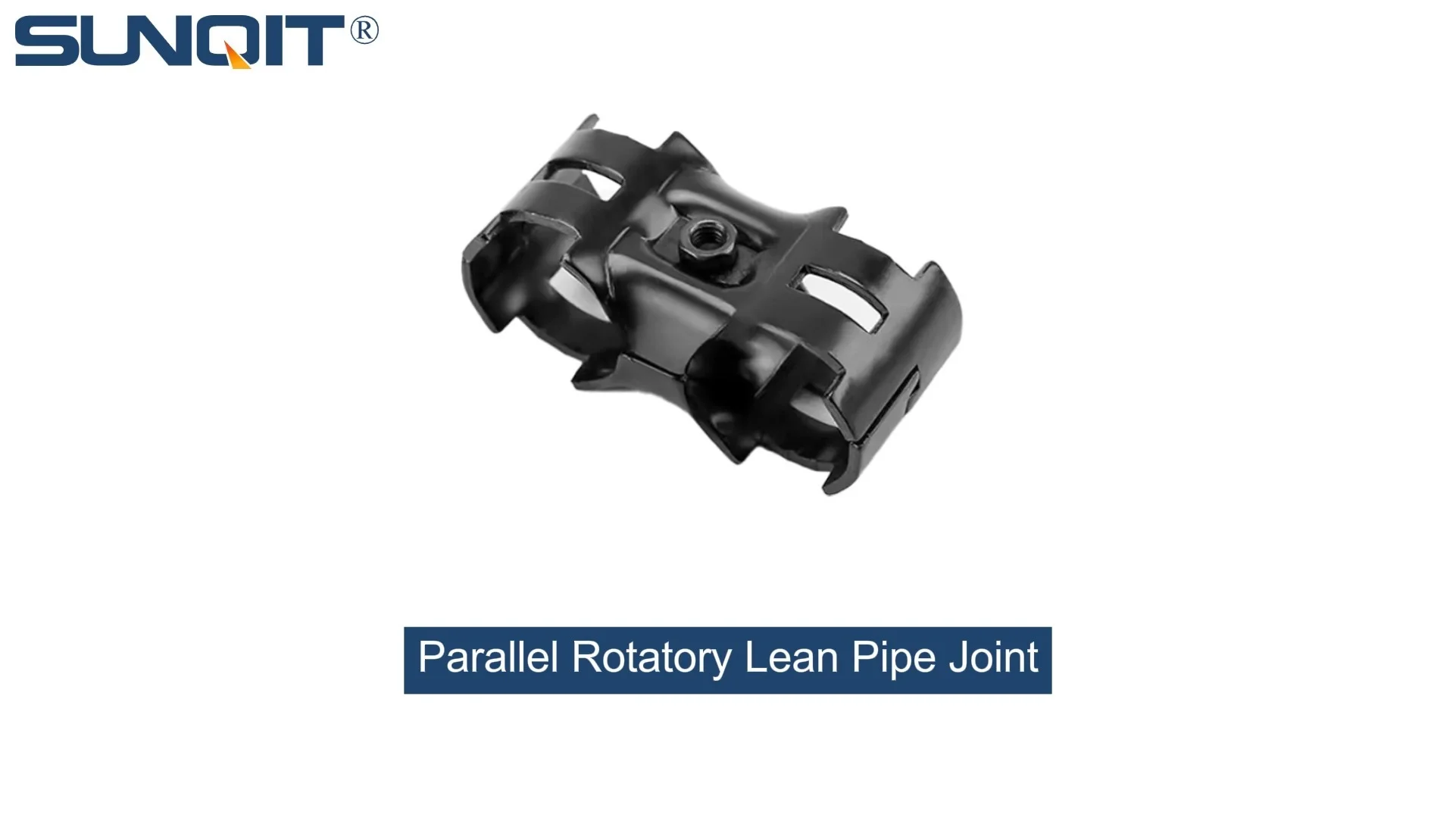
Parallel Rotatory Lean Pipe Joint
Parallel rotatory lean pipe joint, for 2 pcs pipe conenction in parallel direction with rotatory function.
Picture this: A warehouse floor bustling with activity. A team member struggles to maneuver a rigid metal cart through narrow aisles, its fixed shelves unable to adjust to the oddly shaped components stacked on it. Nearby, another cart's joints have seized up after months of heavy use, making it impossible to reconfigure for a new batch of products. These scenarios are all too common in facilities that rely on outdated material handling equipment—but they don't have to be. Enter the parallel rotatory lean pipe joint: a small but mighty component that transforms rigid carts into adaptable, long-lasting tools. In this guide, we'll explore how to harness the full potential of these joints, from installation to maintenance, and why they're a game-changer for lean operations.
Understanding Parallel Rotatory Lean Pipe Joints: More Than Just a Connector
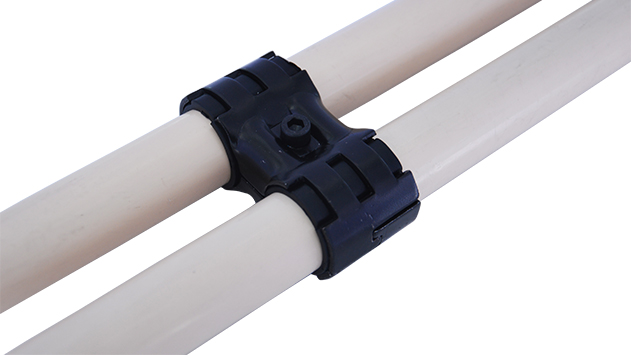
Before diving into best practices, let's clarify what makes parallel rotatory lean pipe joints unique. Unlike fixed joints that lock pipes into static angles, these specialized connectors allow two parallel lean pipes to rotate independently while maintaining alignment. Imagine two pipes running side by side—with a standard joint, they'd stay rigid; with a parallel rotatory joint, they can pivot, tilt, or even fold, all while staying parallel. This flexibility is a game-changer for carts, which often need to adapt to varying load sizes, shapes, and workspace constraints.
Most parallel rotatory joints are made from durable materials like zinc-plated steel or aluminum, designed to withstand the wear and tear of daily use. They typically feature internal bearings or bushings that ensure smooth rotation, even under heavy loads. The key here is balance: too loose, and the joint may wobble under weight; too tight, and rotation becomes stiff or seized. Getting this balance right is the first step toward maximizing their utility.
Key Components: Building Blocks of a Flexible Cart
Parallel rotatory joints don't work in isolation—they're part of a system. To build a high-performing cart, you'll need to pair them with compatible components. Let's break down the essentials:
Lean Pipe:
The backbone of your cart. Opt for high-quality lean pipe (often called "lean tube")—either steel with a plastic coating or aluminum—depending on your load requirements. Aluminum lean pipe, for example, offers a lighter weight without sacrificing strength, making it ideal for carts that need frequent repositioning. Ensure the pipe diameter matches the joint's specifications (common sizes include 28mm or 30mm) to avoid slippage or instability.
Caster Wheels:
Mobility is useless if your cart can't move smoothly. Choose caster wheels rated for your cart's maximum load, with swivel locks for stability when loading/unloading. For uneven floors, consider shock-absorbing casters to reduce stress on the joints during movement.
Turnover Trolley and Rack Accessories:
These include shelves, dividers, and bins that attach to the lean pipe frame. When paired with parallel rotatory joints, these accessories can pivot or adjust, letting you customize the cart for everything from small parts to bulky equipment.
Step-by-Step Installation: Getting It Right the First Time
Installing parallel rotatory joints might seem straightforward, but small mistakes here can lead to big problems later—like seized rotation or premature wear. Follow these steps for a reliable, long-lasting setup:
1. Plan Your Cart Design
Start by sketching your cart's intended use: Will it carry heavy machinery parts or lightweight electronics? How many shelves do you need, and will they need to tilt or fold? Map out where parallel rotatory joints will go—typically at connection points for adjustable shelves or hinged sections. This planning phase helps avoid overcomplicating the design with unnecessary joints, which can add weight and reduce stability.
2. Cut and Prepare Lean Pipes
Measure and cut your lean pipes to length using a pipe cutter or hacksaw. For aluminum pipe, a miter saw with a fine-tooth blade works best to prevent burring. Deburr the ends with a file to ensure a smooth fit into the joints—rough edges can damage the joint's internal components over time. If using plastic-coated steel pipe, avoid scoring the coating, as this can lead to rust.
3. Assemble Joints with Precision
insert the pipes into the parallel rotatory joints, ensuring they're fully seated. Most joints use set screws or clamping mechanisms to secure the pipes—tighten these evenly to avoid warping the pipe or restricting rotation. A good rule of thumb: Tighten until the pipe doesn't twist in the joint, then back off a quarter-turn to allow for smooth rotation. For aluminum joints, use a torque wrench set to the manufacturer's recommended value (usually 15-20 Nm) to prevent stripping.
4. Integrate Caster Wheels and Base
Mount caster wheels to the cart's base frame, positioning them for balanced weight distribution (typically one at each corner). If using swivel casters, ensure they're lockable to prevent unintended movement. Attach the base frame to the main structure using fixed joints—reserve parallel rotatory joints for the adjustable upper sections, where flexibility is needed most.
5. Test Rotation and Load-Bearing
Before putting the cart into service, test the parallel rotatory joints: they should rotate smoothly without jerking or sticking. Apply a test load (slightly heavier than your expected daily use) and check for sagging or misalignment. If a joint binds under weight, double-check the pipe fit and torque settings—don't force it, as this can damage the bearings.

Maintenance: Keeping Joints Rotating Smoothly for Years
Even the best parallel rotatory joints will fail prematurely without proper care. Regular maintenance not only extends their lifespan but also ensures consistent performance. Use the table below as a maintenance checklist:
| Maintenance Task | Frequency | Steps |
|---|---|---|
| Inspect joint rotation | Weekly | Manually rotate each joint through its full range of motion. Look for stiffness, grinding, or uneven movement. |
| Clean joints and pipes | Bi-weekly | Wipe away dust, grease, and debris with a damp cloth. For aluminum components, use a mild detergent to avoid corrosion. |
| Lubricate moving parts | Monthly (or quarterly for low-use carts) | Apply a small amount of silicone-based lubricant to the joint's pivot points. Avoid oil-based lubricants, which attract dust. |
| Tighten set screws | Monthly | Check set screws for looseness; retighten to the recommended torque if needed. Do not over-tighten. |
| replace worn bearings | As needed (when rotation becomes consistently stiff) | Disassemble the joint, remove the old bearing, and replace with a compatible replacement part. Consult the manufacturer for specs. |
Pro tip: Keep a log of maintenance tasks and observations. Over time, you'll notice patterns—for example, joints on carts used in dusty environments may need more frequent cleaning, while those in cold storage might require lubrication adjustments. This data helps tailor your maintenance schedule to your facility's unique needs.

Common Mistakes to Avoid: Lessons from the Field
Even experienced teams can fall into pitfalls when working with parallel rotatory joints. Here are the most common mistakes and how to steer clear of them:
Over-Tightening Joints:
It's tempting to crank down on set screws to "make sure they're secure," but this crushes the pipe's surface and locks the joint, defeating the purpose of rotation. Remember: "snug, not tight" is the rule.
Mixing Pipe Materials:
Pairing steel pipe with aluminum joints (or vice versa) can cause galvanic corrosion, especially in humid environments. Stick to matching materials unless the joint is specifically designed for mixed use.
Ignoring Weight Limits:
Parallel rotatory joints have maximum load ratings—exceeding them bends the pipe, warps the joint, and accelerates wear. Check the manufacturer's specs and factor in dynamic loads (e.g., when the cart is moving) as well as static loads.
Using Damaged Pipes:
A bent or dented pipe will never fit properly in a joint, leading to uneven stress and seized rotation. Inspect pipes for damage before assembly, and replace any that are bent, cracked, or heavily corroded.
Skipping Pre-Installation Testing:
Don't assume the joint works out of the box. Test rotation with an empty pipe first—if it's stiff, return it to the supplier. A faulty joint is cheaper to replace before assembly than after the cart is built.
Real-World Applications: From Warehouses to Workbenches
To truly appreciate the value of parallel rotatory joints, let's look at how they're transforming workflows in different settings:
Manufacturing Assembly Lines:
A car parts manufacturer uses turnover trolleys with parallel rotatory joints to hold varying sizes of engine components. The adjustable shelves pivot to angle parts toward workers, reducing strain and speeding up assembly. When production switches to a new model, the trolleys are reconfigured in minutes—no need for new equipment.
Retail Distribution Centers:
A clothing retailer uses carts with parallel rotatory joints to transport hanging garments and folded boxes. The upper rack rotates to accommodate long dresses, while the lower shelf tilts for easy access to shoe boxes. During peak seasons, the carts are expanded by adding extra pipes and joints, doubling their capacity without adding new carts.
Lab and Medical Facilities:
A hospital pharmacy uses aluminum lean pipe carts with parallel rotatory joints to transport medication trays. The joints allow shelves to fold flat for storage when not in use, saving valuable space in tight corridors. The smooth rotation ensures fragile vials and syringes aren't jostled during transport.
Conclusion: Flexibility as a Competitive Edge
In today's fast-paced operations, adaptability isn't just a nice-to-have—it's a necessity. Parallel rotatory lean pipe joints empower teams to build carts that grow, change, and evolve with their needs, reducing waste, improving ergonomics, and cutting costs. By following the best practices outlined here—choosing the right components, installing with precision, maintaining regularly, and avoiding common mistakes—you'll unlock the full potential of these small but powerful connectors.
Remember: A cart with parallel rotatory joints isn't just a tool—it's an investment in your team's efficiency and your facility's future. So the next time you see a rigid, outdated cart gathering dust, think: "What could we do if this could adapt?" The answer, with the right joints, is almost limitless.