- Company Articles
- Products and Technology
- Product knowledge
- Branded 3030 Aluminum Profile End Caps: Custom Engraving Options

Branded 3030 Aluminum Profile End Caps: Custom Engraving Options
Related Product
3030 Aluminum Profile End Cap
The aluminum profile end cap adds a finishing touch to your project and closes off profile ends to limit dust and debris buildup, also it can avaid some scratch for material and labor during the assemble work.
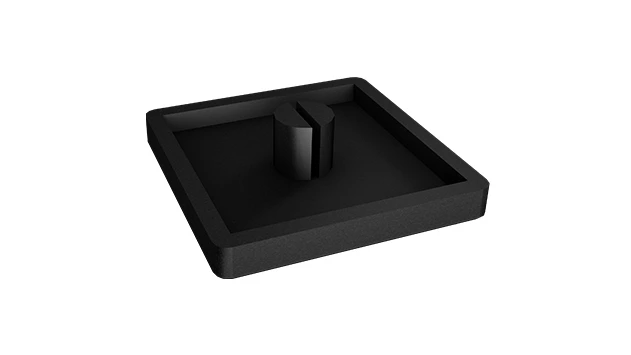
In the world of manufacturing, assembly lines, and workshop setups, it's often the smallest components that make the biggest difference. Think about it: a well-designed workbench, a smoothly rolling conveyor, or a neatly organized material rack—each of these relies on countless tiny parts working together seamlessly. Today, we're shining a spotlight on one such unsung hero: the 3030 aluminum profile end cap . It might seem like a minor detail, but this humble accessory plays a critical role in both functionality and professionalism. And when you add custom engraving to the mix? Suddenly, it becomes a tool for branding, organization, and even lean efficiency. Let's dive into why these little caps matter, what makes the 3030 size so popular, and how custom engraving can transform them from simple covers into powerful assets for your business.
What Are 3030 Aluminum Profile End Caps, Anyway?
First things first: let's get clear on what we're talking about. Aluminum profiles are the backbone of modern industrial setups. These extruded metal bars—typically square or rectangular in cross-section—are used to build everything from workbenches and machine guards to shelving units and production line frames. The "3030" in 3030 aluminum profile end cap refers to the profile's dimensions: 30mm by 30mm. It's a versatile size, small enough for lightweight structures but sturdy enough to support tools, materials, and even human workers when properly reinforced.
Now, aluminum profiles are hollow (that's part of what makes them lightweight yet strong), which leaves their ends open. Enter the end cap: a simple, usually plastic or metal cover designed to snap, slide, or screw into the open end of the profile. At first glance, you might think, "Why not just leave the ends open?" But that's where the end cap's value becomes obvious:
- Safety First: Exposed aluminum profile ends can have sharp edges—especially if the cut isn't perfectly smooth. End caps eliminate this hazard, protecting workers from scrapes and cuts during daily operations.
- Dust and Debris Protection: Open ends act like magnets for dust, dirt, and small debris, which can accumulate inside the profile over time. This isn't just unsightly; it can also trap moisture, leading to corrosion (even in aluminum, though it's resistant). End caps seal off the interior, keeping your profiles clean and extending their lifespan.
- Aesthetic Appeal: Let's be honest—exposed hollow ends look unfinished. Whether your setup is in a customer-facing area (like a retail backroom or a trade show booth) or a behind-the-scenes workshop, capped profiles give a polished, professional look. It's the difference between a "homemade" feel and a "premium, intentional" vibe.
- Structural Support (Indirectly): While end caps aren't load-bearing, they prevent the profile's walls from being damaged by accidental impacts. A hard knock to an open end could dent or bend the thin aluminum walls; a cap absorbs that impact, preserving the profile's structural integrity.
Most 3030 end caps are made from durable plastics like PVC or ABS, though metal options (aluminum or stainless steel) are available for heavy-duty or high-temperature environments. Plastic end caps are popular because they're lightweight, affordable, and come in a range of colors—perfect for color-coding workstations or matching company branding. But regardless of material, the core purpose remains the same: to finish, protect, and enhance the aluminum profile.
Beyond Basics: Why 3030 Profiles and Their Accessories Stand Out
The 3030 aluminum profile isn't just a random size—it's one of the most widely used in industrial and commercial applications. Why? Its 30x30mm dimensions strike a sweet spot between strength and versatility. It's small enough to build compact workbenches or machine frames but robust enough to handle tools, parts bins, and even light assembly tasks. This popularity means there's a huge ecosystem of aluminum profile accessories designed specifically for 3030 profiles, from connectors and brackets to hinges and, of course, end caps.
When you invest in quality aluminum profile accessories , you're not just buying parts—you're buying flexibility. Aluminum profiles are modular by nature: you can disassemble and reconfigure them as your needs change. End caps, being part of this system, ensure that every iteration of your setup still looks and functions like a cohesive unit. Imagine reconfiguring a workbench for a new project: if you skimp on end caps, the exposed ends would make the whole structure feel thrown together. But with matching caps (especially custom ones), it looks intentional, even after multiple redesigns.
Another reason 3030 end caps are so valuable? They're a universal solution. Most manufacturers standardize their 3030 profiles to have compatible end cap sizes, so you don't have to worry about mismatched parts if you source from different suppliers (though sticking with a trusted supplier is always smarter for consistency). This universality makes them easy to replace if one gets damaged, and it also opens the door to customization—since there's a large market, suppliers are more likely to offer engraving or color-matching services for this size.

Custom Engraving: Turning End Caps into Brand Ambassadors
Okay, so we've established that 3030 aluminum profile end caps are useful. But why add custom engraving? Let's start with the obvious: branding. Every touchpoint in your facility is an opportunity to reinforce your company's identity. Your logo on a workbench, your name on a tool cart—these small details build familiarity and pride among your team, and they leave a professional impression on visitors, clients, or auditors. A custom-engraved end cap might seem small, but multiplied across every workbench, rack, and station in your facility, it creates a cohesive, branded environment.
But branding is just the tip of the iceberg. Custom engraving also solves practical problems, especially in busy or large-scale operations. Let's say you run a manufacturing plant with 50 identical workbenches. How do you quickly tell which bench is for "Assembly Line A" versus "Quality Control"? Engrave the end caps with the station name or number. Suddenly, workers spend less time searching for the right spot and more time being productive—a classic win for lean system principles, where reducing waste (like time wasted hunting for tools or stations) is key.
Engraving can also include safety information. For example, if a workbench is used with sensitive electronics, you could engrave "ESD Protected" on the end cap as a quick reminder. Or, on a rack storing heavy materials, "Max Load: 50kg" ensures compliance and prevents accidents. These details might seem minor, but in high-pressure environments, clear, visible reminders reduce errors and keep everyone on the same page.
Real-Life Example: A mid-sized automotive parts manufacturer we worked with recently was struggling with tool misplacement. Their assembly line had 12 identical workbenches, each equipped with specialized tools. Workers would often grab tools from the wrong bench, leading to delays and quality issues. We suggested engraving each bench's end cap with the tool type (e.g., "Torque Wrenches – Station 3") and their company logo. Within a month, tool misplacement dropped by 40%, and new hires reported feeling more oriented in the facility. All from a few lines of text on a plastic cap!

Engraving Methods: Which One's Right for Your End Caps?
Not all engraving is created equal. The method you choose depends on your end cap material, the design complexity, and how durable you need the engraving to be. Let's break down the most common options for 3030 aluminum profile end caps:
| Engraving Method | How It Works | Best For | Pros | Cons |
|---|---|---|---|---|
| Laser Engraving | A high-powered laser burns or melts the material's surface to create designs. | Plastic end caps, detailed logos, text, or barcodes. | Extremely precise (down to 0.1mm), fast turnaround for small batches, no physical contact (no risk of damaging the cap). | Not ideal for very large text (laser lines can look thin), may fade on colored plastics exposed to UV light over time. |
| Mechanical Engraving | A rotating cutter physically carves into the material. | Metal end caps, deep, durable marks, large text or simple logos. | Creates tactile, 3D marks that are easy to feel (useful for low-visibility areas), highly durable (resists scratching). | Less precise than laser for fine details, slower for complex designs, may leave burrs on soft plastics. |
| Pad Printing | A silicone pad transfers ink from a etched plate onto the end cap. | Colorful designs, large batches, smooth plastic surfaces. | Can print multiple colors, cost-effective for high volumes, works on curved surfaces. | Ink may wear off with heavy use, not as durable as engraving (more like a sticker), limited to simple designs. |
| Chemical Etching | A chemical solution eats away at the material through a stencil. | Metal end caps, intricate designs, batch processing. | Produces sharp, consistent results, works well with metal (no chipping), scalable for large orders. | Requires handling harsh chemicals (best left to professionals), not suitable for plastics (may melt or warp). |
For most businesses, laser engraving is the go-to choice for 3030 aluminum profile end caps—especially if they're plastic. It offers the perfect balance of precision, speed, and cost. If you're using metal end caps (say, in a heavy-wear environment like a automotive shop), mechanical engraving or chemical etching would be more durable. And if you want bright, colorful logos (think company colors), pad printing can work—just keep in mind it's better for low-contact areas, as the ink may wear off over time.
Pro tip: Always ask for a sample before placing a large order. A design that looks great on paper might not translate well to a small, curved end cap. Most suppliers will send a test engraving so you can check size, clarity, and durability before committing.
From Function to Lean: How Engraved End Caps Support Your Workflow
We've talked about safety, branding, and organization—but let's circle back to lean system principles. Lean manufacturing is all about eliminating waste: wasted time, wasted space, wasted effort. Custom-engraved end caps might not seem like a "lean tool" at first, but they play a subtle yet important role in streamlining operations.
Consider a typical lean system setup: everything has a place, and everything is in its place. Visual management is key—think color-coded bins, labeled tools, and clearly marked work zones. End caps, being visible from all angles, are perfect for these visual cues. Engraving them with station numbers, tool types, or even QR codes (that link to digital work instructions) turns them into mini information hubs. A worker new to the line can glance at the end cap and instantly know what that station is for, reducing the need for training materials cluttering the workspace.
Another lean benefit? Standardization. In a lean environment, consistency reduces variability and errors. If every workbench's end cap has the same engraving format (e.g., "[Department] – [Station Number] – [Max Load]"), workers can quickly orient themselves, no matter which part of the facility they're in. This standardization also makes it easier to audit workflows: if a station's end cap says "Assembly – Station 5" but it's being used for storage, that's a red flag for process waste—something a lean manager can address immediately.
Let's take a concrete example: a electronics manufacturer using a workbench built with 3030 aluminum profiles. Each workbench is dedicated to a specific step in the assembly process: soldering, testing, packaging. By engraving the end caps with the step name, required tools, and even a quick visual checklist (e.g., "Check for ESD wristband before use"), they've turned the workbench itself into a training aid. New employees spend less time asking questions and more time working, and experienced employees have a constant reminder of best practices—all of which reduces errors and speeds up production.
Designing Your Engraving: Tips for Maximum Impact
So you're sold on custom engraving—now what? Designing the perfect engraving for your 3030 end caps takes a little thought. Here are some tips to ensure your end caps look professional and serve their purpose:
- Keep It Simple: End caps are small (remember, 30mm by 30mm at most), so avoid cramming too much information. Stick to 1-2 key elements: logo + station number, department name + safety symbol, etc. If you need more details, consider engraving on two sides of the cap (front and top, for example).
- Font Matters: Choose a bold, sans-serif font (like Arial or Helvetica) for readability. Fancy cursive or tiny serif fonts might look nice on paper, but they'll be hard to read from a distance. Aim for a font size of at least 8pt for text—smaller than that, and it could blur, especially with laser engraving.
- Contrast Is Key: If your end caps are dark (say, black or navy), engrave in white or light gray (laser engraving on dark plastic often leaves a light, frosty mark). If they're light (white or beige), go for dark gray or black. The more contrast, the easier the engraving is to see at a glance.
- Think About Placement: Most end caps have a flat front surface, but some are slightly curved. Make sure your design fits within the flat area—curved engraving can distort text. Also, consider visibility: will the end cap be facing workers, visitors, or both? Engrave the most important info on the most visible side.
- Include a QR Code (If Useful): For tech-savvy facilities, a QR code engraved on the end cap can link to digital resources: work instructions, maintenance schedules, or even a video tutorial. Just make sure the code is large enough to scan (at least 15mm square) and test it before finalizing—small codes can be hard for scanners to read.
And don't forget about your brand! If you're engraving your logo, make sure it's a simplified version—detailed logos with tiny lines might not come out clearly on a small end cap. Most suppliers can help you resize or simplify your logo for engraving, so don't hesitate to ask for design assistance.
Choosing the Right Supplier for Your Custom End Caps
You've got your design, you know your engraving method—now you need to find a supplier who can bring it all to life. Not all aluminum profile suppliers offer custom engraving, so here's what to look for:
- Experience with 3030 Profiles: This might seem obvious, but not all suppliers specialize in the 3030 size. Look for a company that regularly stocks 3030 aluminum profile end caps —they'll understand the dimensions, material options, and common use cases, which means fewer mistakes.
- In-House Engraving Capabilities: Suppliers who outsource engraving often have longer lead times and less control over quality. Opt for a supplier with their own engraving equipment—preferably laser engravers, as they're most versatile for end caps.
- Sample Policy: As we mentioned earlier, samples are non-negotiable. A good supplier will send you a test end cap with your design so you can check fit, finish, and readability before placing a bulk order.
- Material Knowledge: They should be able to advise you on the best end cap material for your environment. For example, if you work with food-grade materials, they might recommend stainless steel end caps. If you need ESD protection (like in electronics manufacturing), they might suggest conductive plastic caps with engraved warnings.
- Turnaround Time: Custom engraving adds a few days to production, but it shouldn't take weeks. Ask for a clear timeline: how long for samples, how long for bulk orders, and if rush options are available (for those "oops, we need more caps ASAP" moments).
Remember, your end caps are a reflection of your operation. Skimping on a cheap supplier might save a few dollars, but blurry engravings, ill-fitting caps, or delayed orders will cost you more in the long run—whether in rework, lost time, or a less professional facility appearance.
Final Thoughts: Small Caps, Big Impact
At the end of the day, the 3030 aluminum profile end cap is a reminder that great things come in small packages. It's a simple component, but it touches on so many aspects of your business: safety, professionalism, branding, and even efficiency. When you add custom engraving, you're not just covering a hole—you're adding value to every workbench, rack, and station in your facility.
Whether you're a small workshop looking to level up your professionalism or a large manufacturer aiming to streamline your lean system , custom-engraved end caps are a low-cost, high-impact investment. They show your team that you care about the details, they make your facility easier to navigate, and they turn every corner of your operation into a subtle brand ambassador.
So the next time you're setting up a new workbench or upgrading your production line, don't overlook the end caps. Ask your supplier about engraving options, experiment with a few designs, and see how these tiny accessories can make a big difference. After all, in the world of industrial design, it's the little things that set great operations apart from the rest.