- Company Articles
- Products and Technology
- Product knowledge
- Brass vs. Stainless Steel Swivel Roller Balls 1 Inch: Pros & Cons Analysis

Brass vs. Stainless Steel Swivel Roller Balls 1 Inch: Pros & Cons Analysis
Related Product
Stainless Steel Swivel Roller Balls 1 Inch
Swivel roller ball casters are convenient and flexible to roll,high-speed and stable operation, used for rotating and changing the direction of the conveyor.Ball transfer unit is made of high quality carbon steel, anti-corrosion and wear resistance.
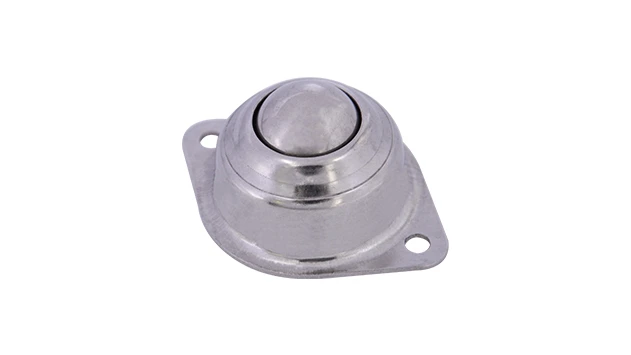
In the world of lean manufacturing, every small component plays a big role in keeping production lines moving smoothly. Among these unsung heroes are swivel roller balls—those tiny, unassuming parts that make material handling feel effortless on flow racks, workbenches, and assembly stations. When it comes to 1-inch swivel roller balls, two materials stand out: brass and stainless steel. But how do you choose between them? Let's dive into their strengths, weaknesses, and real-world performance to help you make the right call for your lean pipe system, material rack, or workstation.
Understanding the Role of 1 Inch Swivel Roller Balls in Lean Systems
Before we compare materials, let's talk about why these little balls matter. In lean manufacturing, efficiency is everything—and that starts with how easily parts, tools, and products move through your workspace. A 1-inch swivel roller ball (like the stainless steel swivel roller balls 1 inch or nylon variants) sits at the heart of this movement. Whether it's on a Material Rack B shuttling components to an assembly line, a Workbench E where operators need quick access to tools, or a conveyor system feeding parts to stations, these balls reduce friction, minimize effort, and keep workflows uninterrupted.
Think about it: A stuck or inefficient roller ball can slow down an entire production line. A durable, smooth-rolling one? It turns a tedious task—like sliding heavy parts across a table—into a one-handed motion. That's why choosing the right material isn't just about durability; it's about protecting your team's productivity and your bottom line.
Real Impact: A 3C electronics manufacturer once switched from low-quality roller balls to stainless steel 1-inch variants on their flow racks. The result? A 22% reduction in time spent moving circuit boards between stations, and fewer operator complaints about arm strain. Small component, big difference.
Brass Swivel Roller Balls: The Classic Choice with Unique Advantages
What Makes Brass Stand Out?
Brass has been a go-to material for moving parts for decades, and for good reason. Made from copper and zinc, it brings a unique set of benefits to the table—literally, if we're talking about workbenches or material racks.
Natural Lubricity: Brass has a low friction coefficient, which means it glides smoothly even with minimal maintenance. This is a big plus for applications where constant lubrication (like oil or grease) isn't practical—think cleanrooms in medical device manufacturing, where contaminants are a no-go. On a lean pipe workbench handling sensitive parts, brass balls keep movement quiet and seamless without extra upkeep.
Corrosion Resistance (Under the Right Conditions): While brass isn't as rust-proof as stainless steel, it holds up well in dry, indoor environments. In industries like furniture manufacturing or light assembly (where humidity is controlled), brass balls can last years without tarnishing or degrading.
Cost-Effective for Low-to-Medium Loads: Brass is generally less expensive than high-grade stainless steel, making it a budget-friendly option for setups with lighter loads. If your workflow involves small parts (like screws, connectors, or small 3C components), brass balls offer reliable performance without breaking the bank.
Aesthetic Appeal: Let's not overlook looks. Brass has a warm, metallic finish that adds a professional touch to visible areas—like the top of a customer-facing workstation or a display rack in a trade show booth. For businesses where presentation matters, this subtle detail can perception.
Where Brass Falls Short
Brass isn't a one-size-fits-all solution, though. Its limitations become clear in harsh or high-demand environments:
Vulnerable to Moisture and Chemicals: Expose brass to humidity, water, or industrial cleaners, and you'll start seeing tarnish or even corrosion. A warehouse with poor ventilation or a food processing plant (where regular washdowns happen) would quickly degrade brass roller balls, leading to jams and replacements.
Lower Load Capacity: Brass is softer than stainless steel, so it can't handle heavy weights over time. If you're moving metal parts, tooling, or large assemblies (common in automotive or machinery manufacturing), brass balls may dent or deform, creating uneven rolling and safety hazards.
Wear and Tear in High-Volume Use: In busy facilities where roller balls are in constant motion (think 24/7 production lines), brass can wear down faster. The constant friction chips away at the surface, leading to rough rolling and eventually, the need for full replacement.

Stainless Steel Swivel Roller Balls: The Heavy-Duty Performer
Why Stainless Steel Dominates Harsh Environments
Stainless steel—specifically grades like 304 or 316—has become the gold standard for demanding applications. Its chromium content forms a protective oxide layer, making it tough, resilient, and ready for whatever your workspace throws at it.
Unbeatable Corrosion Resistance: This is stainless steel's claim to fame. Unlike brass, it laughs off moisture, chemicals, and even salt air. In medical device manufacturing, where workbenches are sanitized with alcohol or bleach daily, stainless steel roller balls stay rust-free. In coastal warehouses or automotive plants with coolant spills, they hold their own against corrosion that would destroy brass in months.
High Load Capacity: Stainless steel is significantly harder and stronger than brass. A 1-inch stainless steel swivel roller ball can easily handle weights up to 50 lbs per ball (depending on design), making it ideal for heavy-duty flow racks, conveyor systems, or turnover trolleys moving engine parts or large appliances.
Heat and Cold Tolerance: From freezing cold storage facilities to high-temperature assembly lines (like those using soldering or welding), stainless steel remains stable. Brass, by contrast, can become brittle in extreme cold or warp in high heat—another reason stainless steel is the top pick for diverse industrial settings.
Long-Term Durability: While stainless steel may cost more upfront, it pays off in longevity. A manufacturing plant using stainless steel roller balls on their lean pipe system might go 5–7 years without replacements, whereas brass could need swapping every 1–2 years in the same environment. Over time, stainless steel often ends up being the more cost-effective choice.
The Drawbacks of Stainless Steel
Stainless steel isn't perfect, either. Its strengths come with trade-offs:
Higher Initial Cost: Quality stainless steel (especially marine-grade 316) costs more than brass. For small businesses or startups on tight budgets, this can be a barrier—though it's important to weigh it against long-term replacement costs.
Prone to Fingerprints and Smudges: Stainless steel's shiny surface shows every fingerprint, which can be a hassle in clean or customer-facing areas. Regular polishing is needed to keep it looking sharp, adding a small but ongoing maintenance task.
Slightly Higher Friction (Without Lubrication): While still smooth, stainless steel doesn't have brass's natural lubricity. In applications where lubricants are avoided, it may feel slightly less "slippery" than brass—though this is often negligible with modern ball designs.

Brass vs. Stainless Steel: A Side-by-Side Comparison
To make the choice clearer, let's break down the key factors in a head-to-head comparison:
| Feature | Brass 1 Inch Swivel Roller Balls | Stainless Steel 1 Inch Swivel Roller Balls |
|---|---|---|
| Material Composition | Copper-zinc alloy | Iron-chromium-nickel alloy (with optional molybdenum for 316 grade) |
| Corrosion Resistance | Good in dry, indoor environments; poor in moisture/chemicals | Excellent in wet, humid, or chemical-exposed environments |
| Typical Load Capacity (Per Ball) | Up to 25 lbs (light-to-medium loads) | Up to 50 lbs (medium-to-heavy loads) |
| Friction Coefficient | Low (natural lubricity) | Low to moderate (may need lubrication for maximum smoothness) |
| Best For | Dry indoor settings, light loads, cleanrooms (no lubrication), aesthetic focus | Wet/humid environments, heavy loads, high-temperature areas, medical/automotive industries |
| Cost (Per Ball) | Lower ($1–$3 average) | Higher ($3–$6 average, depending on grade) |
| Maintenance Needs | Minimal (occasional cleaning to prevent tarnish) | Regular cleaning (fingerprints) and occasional lubrication (if needed) |
| Lifespan (In Industrial Use) | 1–3 years (high-volume use) | 5–7 years (high-volume use) |
| Top Industries | Light assembly, 3C small parts, furniture, retail displays | Medical device manufacturing, automotive, marine, food processing, heavy machinery |
Choosing the Right Material for Your Lean System
Now that you know the pros and cons, how do you decide? Start by asking these questions about your workspace and workflow:
1. What's Your Environment Like? Is your facility dry and climate-controlled (like a 3C assembly cleanroom) or humid/wet (like a warehouse near the coast or a medical lab with frequent washdowns)? If moisture or chemicals are present, stainless steel is non-negotiable. If it's dry, brass could work—and save you money.
2. How Heavy Are Your Loads? Are you moving small parts (ounces) or heavy components (pounds)? A Workbench E handling phone screens might thrive with brass balls, while a Material Rack B storing automotive batteries needs the strength of stainless steel.
3. What's Your Maintenance Budget? Can you afford regular replacements (brass) or prefer to invest once in something long-lasting (stainless steel)? For lean systems focused on "sustainable improvement" (a core value in custom solutions), stainless steel aligns with reducing waste from frequent part swaps.
4. Does Aesthetics Matter? Will the roller balls be visible to customers or visitors? Brass adds a classic touch, while stainless steel feels modern—choose based on your brand's vibe.
Industry Spotlight: Medical Device Manufacturing
Medical facilities demand cleanliness, corrosion resistance, and reliability. Stainless steel 1-inch swivel roller balls are the clear choice here. They withstand daily sanitization with harsh chemicals, don't harbor bacteria (thanks to non-porous surfaces), and support the heavy loads of medical equipment parts. A lean pipe workstation in a surgical tool assembly line, for example, relies on stainless steel balls to keep sterile tools moving safely and smoothly.
Industry Spotlight: 3C Electronics Assembly
In 3C manufacturing (think smartphones, laptops), parts are small, lightweight, and handled in dry, clean environments. Here, brass balls shine. Their low friction makes it easy to slide delicate circuit boards across workbenches, and their lower cost helps keep production budgets in check—without sacrificing the precision needed for tiny components.
Final Thoughts: It's About Fit, Not Perfection
At the end of the day, there's no "better" material—only the better choice for your needs. Brass 1-inch swivel roller balls excel in dry, light-load, and budget-conscious settings, while stainless steel dominates in harsh, heavy-duty, or high-moisture environments. Both play critical roles in keeping lean pipe systems, flow racks, and workstations running at peak efficiency.
Remember, the goal of lean manufacturing is to eliminate waste—including the waste of choosing the wrong component. By matching your roller ball material to your environment, load, and maintenance capacity, you'll create a workspace that's not just efficient, but built to grow and adapt with your business.
Whether you're outfitting a new lean tube system, upgrading an existing material rack, or designing a custom workstation, the right 1-inch swivel roller balls will keep your operations rolling—literally and figuratively—for years to come.