- Company Articles
- Products and Technology
- Product knowledge
- Budget-Friendly Aluminum Pipe with Board Holder Options

Budget-Friendly Aluminum Pipe with Board Holder Options
Related Product
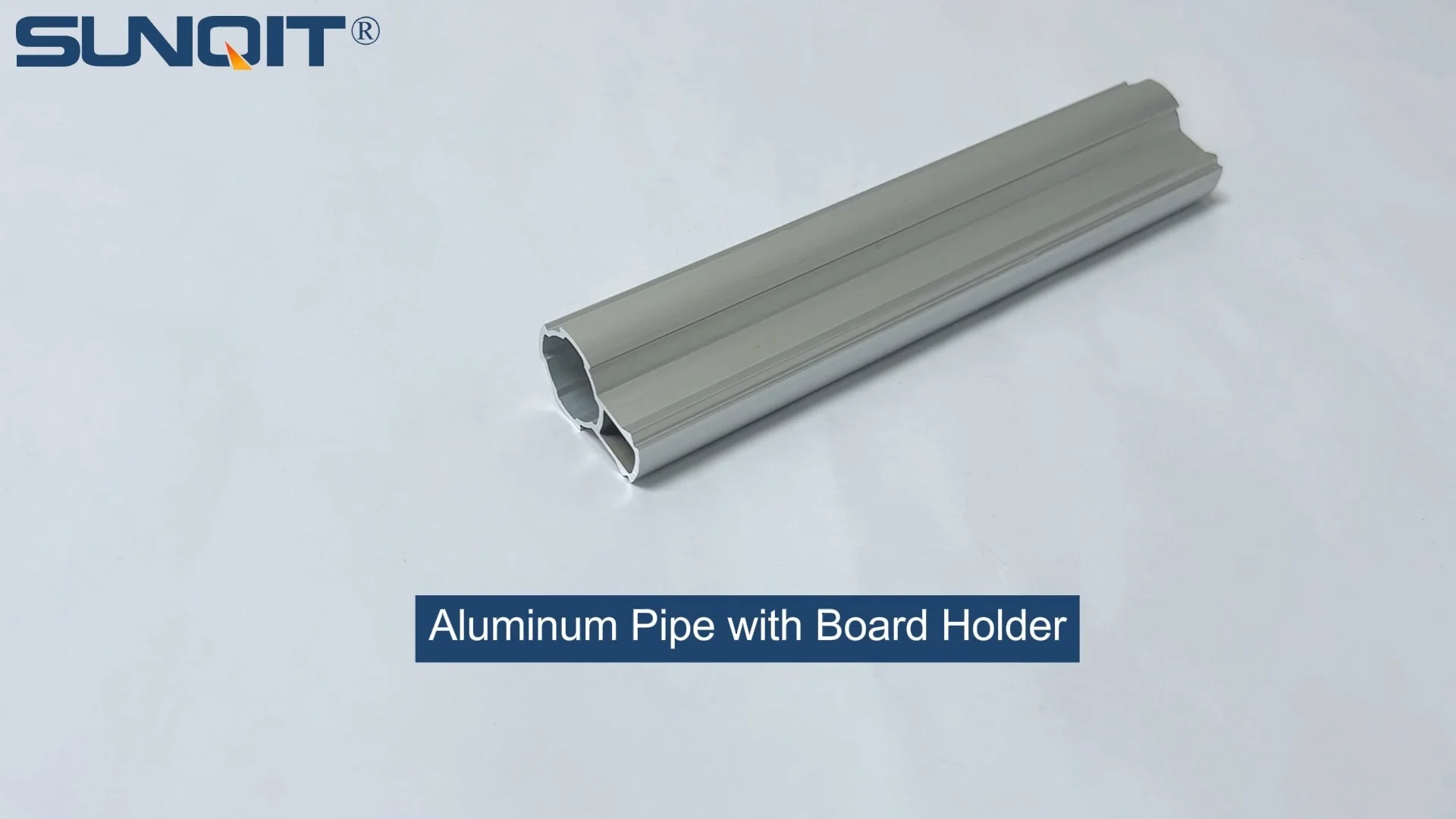
Aluminum Pipe with Board Holder
The linear rolling assembly can be arbitrarily connected in the protruding part of the card slot to increase the rigidity of the track.
Setting up a functional workspace—whether it's a garage workshop, a small manufacturing line, a home DIY corner, or even a retail display—often comes down to balancing two key factors: cost and flexibility. You need something sturdy enough to handle daily use, adaptable enough to grow with your needs, and affordable enough to fit within a tight budget. That's where aluminum pipes with board holders come in. These unassuming materials have quietly revolutionized how people build workbenches, shelving, and custom setups, offering a winning mix of durability, lightness, and customization. Let's dive into why they're worth considering, how to choose the right ones, and how to make the most of them without breaking the bank.
Why Aluminum Pipes? The Unsung Hero of Workspace Design
If you've ever shopped for materials to build a workbench or shelving, you've probably weighed options like wood, steel, or plastic. Wood is classic but can warp or rot over time, especially in humid garages. Steel is strong but heavy, hard to maneuver, and prone to rust if not coated. Plastic? It's lightweight but lacks the sturdiness needed for heavy tools or materials. Aluminum, though, hits that sweet spot.
First off, aluminum is lightweight . A 2-meter length of 20mm aluminum pipe weighs just a fraction of what a steel pipe does, making it easy to carry, cut, and assemble—no need for a second person to help lift pieces into place. That's a game-changer for solo DIYers or small teams with limited manpower.
Then there's its corrosion resistance . Unlike steel, aluminum forms a natural oxide layer that protects it from rust, so you can use it in damp garages, basements, or even outdoor covered spaces without worrying about it deteriorating. I've seen aluminum setups in coastal workshops hold up for years despite the salty air—something steel would struggle with unless heavily treated.
But perhaps the biggest draw is its versatility . Aluminum pipes are easy to cut with basic tools (a hacksaw or pipe cutter works fine), and they pair seamlessly with a range of accessories—joints, clamps, brackets—that let you build almost anything. Want a workbench that's 3 feet high today and 4 feet tomorrow? Swap out the leg pipes. Need to add a shelf halfway up? Attach a few brackets. It's like building with giant, sturdy Legos.
And let's not forget cost. While high-end aluminum extrusion profiles can get pricey, basic aluminum pipes are surprisingly affordable—often cheaper than steel and comparable to solid wood planks, especially when you factor in their longevity. Plus, since they're reusable (you can take apart and rebuild setups as needed), you're not just buying materials—you're investing in a system that grows with you.
Aluminum Pipe Basics: From "Basic" to "Built for Precision"
Not all aluminum pipes are created equal. Depending on your project, you'll want to pick the right type to balance cost, strength, and functionality. Let's break down the most common options you'll encounter.
1. Basic Aluminum Tubes: The Budget-Friendly Workhorse
These are the simplest form of aluminum pipes—straight, smooth tubes with no slots or grooves. They're typically sold in standard lengths (1m, 2m, 3m) and diameters (16mm, 20mm, 25mm), and they're the most affordable option on the market. Think of them as the "blank canvas" of aluminum pipes: you can cut them to size, paint them if you want, and pair them with basic joints (like 90° fixed joints or swivel joints) to build simple structures.
A friend of mine runs a small leatherworking studio. She used 20mm basic aluminum tubes and plastic-coated joints to build a workbench with a plywood board top. Total cost? Under $150. The bench has held up for three years, and when she needed more space, she simply added a second tier by attaching shorter tubes and another board—no need to buy a whole new bench.
Best for: Simple workbenches, lightweight shelving, temporary setups, or anyone on an ultra-tight budget.
2. T-Slot Aluminum Pipes: Flexibility Meets Precision
If you need more adjustability, t-slot aluminum pipes (sometimes called "t-groove" pipes) are worth the slight upgrade in cost. These pipes have long, narrow slots running along their length, which let you slide in accessories like brackets, clamps, or board holders without drilling holes. Want to move a shelf up by 2 inches? Just loosen the bolts, slide the bracket, and tighten—no re-drilling, no hassle.
I visited a local maker space last year, and their entire workshop was built with t-slot aluminum. They had workbenches that could be raised or lowered for standing vs. sitting work, tool racks with movable hooks, and even a conveyor-like setup for moving projects between stations—all using the same base pipes and interchangeable accessories. The key here is that t-slot systems grow with your needs; you're not locked into one design.
Best for: Workspaces that need frequent reconfiguration, precision setups (like electronics assembly), or anyone who wants to future-proof their investment.
3. Aluminum Extrusion Profiles: Industrial Strength, DIY-Friendly
Aluminum extrusion profiles are the heavyweights of the bunch. These are thicker, more rigid pipes, often with complex cross-sections (like squares or rectangles) and multiple slots for maximum accessory compatibility. They're what you'll find in professional manufacturing lines, lab setups, or high-load applications (think holding heavy machinery parts).
While they cost more than basic tubes, their strength-to-weight ratio is unbeatable. A 40x40mm extrusion profile can support hundreds of pounds without bending, making them ideal for industrial workbenches or material racks. Plus, their standardized sizes mean accessories from different brands are often interchangeable—no worrying about proprietary parts.
Best for: Heavy-duty workbenches, industrial shelving, automated systems, or projects where stability is non-negotiable.

Board Holders: Turning Pipes into Functional Workspaces
Aluminum pipes alone are just… pipes. It's the board holders that turn them into workbenches, shelves, or tables. Board holders (sometimes called "tabletop brackets" or "shelf supports") are the accessories that connect your pipe frame to a wooden, plastic, or metal board—transforming a skeletal structure into a usable surface.
Types of Board Holders: Which One Fits Your Project?
Fixed Brackets: These are simple L-shaped brackets that attach to the pipe and hold the board in place with screws. They're affordable, easy to install, and great for static setups where you won't need to adjust the board height or angle. Perfect for a basic garage workbench that stays put.
Adjustable Angle Holders: If you need to tilt your board (for drafting, reading blueprints, or working on sloped surfaces), adjustable angle holders are a lifesaver. They use hinges or sliding mechanisms to let you set the board at any angle from 0° (flat) to 90° (vertical). I've seen artists use these to create adjustable easels and jewelers for tilting work surfaces to catch more light.
Sliding Holders: For t-slot or extrusion profiles, sliding holders are a must. These clip into the slot and can be moved along the pipe, letting you adjust the position of the board without disassembling the entire frame. Great for workbenches where you might want to shift the board to make space for larger projects.
Clamp-On Holders: No drilling? No problem. Clamp-on holders wrap around the pipe and tighten with a screw, gripping the board securely. They're perfect for temporary setups or for using existing boards (like an old wooden door) without drilling holes into them. Just be sure to check the weight capacity—they're not as strong as fixed brackets for heavy loads.
Choosing the Right Board Material to Pair with Your Pipes
Your board holder is only as good as the board itself. Here are the most common options, and when to pick each:
- Plywood: The budget king. Affordable, easy to cut, and strong enough for most workshop tasks. Opt for ¾-inch-thick plywood for workbenches—thinner sheets may warp under heavy tools. Pro tip: Paint or seal it with polyurethane to resist moisture.
- Particleboard/MDF: Smooth and cheap, but prone to swelling if it gets wet. Best for indoor, dry setups like craft tables or office shelving.
- Aluminum Honeycomb Panels: Lightweight but surprisingly strong, these panels have a honeycomb core sandwiched between aluminum sheets. They're expensive but perfect for portable workbenches or setups where weight matters (like mobile carts).
- Plastic Laminate: Water-resistant and easy to clean, making them ideal for labs, food prep areas, or garages where spills are common. Look for high-pressure laminate (HPL) for durability.

Aluminum Pipe Accessories: The Little Parts That Make a Big Difference
You could technically build a basic frame with just pipes and a saw, but the real magic happens with aluminum pipe accessories. These small parts turn a rickety structure into a stable, functional workspace. Let's break down the essentials you'll need:
Joints: The Glue That Holds It All Together
Joints connect your pipes at angles—90° for corners, 45° for slopes, or 180° for extending lengths. The most common types are:
- Fixed Joints: Simple, rigid connections (like 90° elbows) for static frames. Cheap and reliable.
- Swivel/Rotary Joints: Let you adjust the angle of connected pipes (e.g., tilting a shelf or rotating a board holder). Great for flexible setups.
- Multi-Way Joints: Connect 3, 4, or even 5 pipes at once (like a tee or cross joint). Perfect for building shelving units with multiple tiers.
Look for joints made from aluminum or zinc-plated steel—plastic joints are cheaper but may crack under heavy loads.
Leveling Feet: Stability on Uneven Floors
Garage floors are rarely perfectly flat. Leveling feet screw into the bottom of your pipe legs, letting you adjust each corner to keep the frame steady. Anti-slip rubber tips also prevent the frame from sliding around—critical if you're working with tools or heavy materials.
Casters: Mobility When You Need It
Want to roll your workbench out of the way when not in use? Add casters (wheels) to the legs. Look for locking casters to keep the frame from moving while you work. Heavy-duty casters (with metal frames) are worth the investment—plastic ones may break under heavy loads.
End Caps: Safety and Finishing Touches
Aluminum pipe ends can be sharp, especially if cut with a hacksaw. End caps (plastic or rubber) cover the ends, preventing scratches, cuts, or debris from getting inside the pipe. They also give your setup a polished, professional look.
Comparing Aluminum Pipe Types: Which One Is Right for You?
| Type | Thickness Options | Key Features | Best For | Price Range (Per Meter) |
|---|---|---|---|---|
| Basic Aluminum Tube | 1.0mm–2.0mm | Smooth surface, no slots, lightweight | Simple workbenches, lightweight shelving, tight budgets | $5–$15 |
| T-Slot Aluminum Pipe | 1.5mm–3.0mm | Longitudinal slots for sliding accessories, adjustable | Frequently reconfigured setups, hobby spaces, small manufacturing | $15–$30 |
| Aluminum Extrusion Profile | 2.0mm–5.0mm | Thick walls, complex cross-sections, high load capacity | Heavy-duty workbenches, industrial shelving, lab setups | $30–$60 |
| Corrugated Aluminum Pipe | 1.2mm–2.5mm | Ribbed surface for extra grip, flexible | Handrails, protective barriers, non-slip surfaces | $8–$20 |
Real-World Applications: How People Are Using Aluminum Pipes with Board Holders
Still not sure if aluminum pipes are right for you? Let's look at some real-life examples of how people are putting them to work:
Small Manufacturing: Lean Pipe Workbenches on a Shoestring
A local electronics repair shop I know was struggling with cramped workspaces. They needed more workbenches but couldn't afford the $500+ industrial models. Instead, they bought 20mm basic aluminum tubes, fixed joints, and ¾-inch plywood. For under $200 per bench, they built three workstations with shelves, tool hooks, and adjustable board holders. Two years later, those benches are still going strong—and when they expanded, they just bought more pipes and added on, rather than replacing everything.
Garage Workshops: From Cluttered to Custom
John, a hobbyist woodworker, turned his messy garage into a functional shop using t-slot aluminum pipes. He built a workbench with a sliding miter saw station, a shelf for his clamps, and even a pegboard wall for tools—all using the same t-slot system. The best part? When he upgraded to a larger table saw, he just reconfigured the pipes to fit the new tool, instead of building a whole new bench.
Retail Displays: Flexible and Eye-Catching
A boutique clothing store downtown uses aluminum extrusion profiles and clear acrylic boards to create modular displays. They change their window setup monthly, and with t-slot holders, they can swap out boards, add shelves, or adjust heights in minutes—no need to hire a contractor. The aluminum's sleek, modern look also matches their brand aesthetic, proving that functionality doesn't have to sacrifice style.
School Labs: Safe and Adaptable
A high school science department needed new lab tables that could withstand spills, hold heavy equipment, and adjust for different experiments. They chose aluminum extrusion profiles with chemical-resistant laminate boards. The adjustable height feature lets teachers lower tables for younger students and raise them for older ones, and the t-slot system makes it easy to add accessories like test tube racks or Bunsen burner holders.
Cost-Saving Tips: Building Smart Without Overspending
Aluminum pipes are already budget-friendly, but there are ways to stretch your dollar even further. Here are my top tips:
Buy in Bulk from a Reputable Supplier
Most aluminum pipe suppliers offer discounts for bulk orders. If you know you'll need multiple pipes (say, for a shelving unit and a workbench), buy them all at once. I saved 15% last year by ordering 10 meters of t-slot pipe instead of buying 2 meters at a time. Plus, many suppliers throw in free shipping for large orders—another hidden saving.
Mix and Match Pipe Types
You don't need to use the same pipe type for every part of your setup. For example, use basic aluminum tubes for the legs (where adjustability isn't needed) and t-slot pipes for the shelves (where you want to move brackets). This way, you're only paying for flexibility where you need it.
Repurpose Old Pipes or Accessories
Check classified ads, Facebook Marketplace, or local industrial surplus stores for used aluminum pipes. Many businesses sell off old setups when they upgrade, and you can often get pipes and joints for pennies on the dollar. Just make sure to clean them thoroughly and check for cracks—safety first!
DIY Simple Accessories
You don't need to buy expensive board holders if you're handy. For basic fixed holders, cut L-shaped brackets from scrap metal or thick plastic and drill holes to attach them to your pipes. Old wooden clamps can work as temporary clamp-on holders. Get creative—the goal is function, not perfection.
Start Small and Expand Later
You don't have to build your entire dream setup at once. Start with a basic workbench, then add shelves or a tool rack as you need them. Aluminum's modular nature means you can always add more pipes and accessories later—no need to overspend upfront.
Common Mistakes to Avoid
Even with the best materials, missteps can lead to wobbly workbenches or wasted money. Here's what to watch out for:
- Underestimating Weight Capacity: Don't skimp on pipe thickness for heavy loads. A 1.0mm basic tube might bend under a 50-pound toolbox—opt for 1.5mm or thicker if you're unsure.
- Ignoring Joint Quality: Cheap plastic joints may save money upfront, but they'll crack or loosen over time. Spend a little more on metal joints—your setup will be sturdier and last longer.
- Skipping the Level: A wobbly workbench is a safety hazard. Always use a level when assembling, and invest in leveling feet for uneven floors.
- Forgetting to Seal Wooden Boards: Plywood and particleboard absorb moisture—seal them with paint or polyurethane to prevent warping.
- Overcomplicating the Design: Start simple. You can add bells and whistles later, but a basic frame with a board is often all you need to get started.
Final Thoughts: Aluminum Pipes with Board Holders—Your Workspace's New Best Friend
At the end of the day, aluminum pipes with board holders aren't just materials—they're a solution to the age-old problem of building a workspace that's affordable, flexible, and built to last. Whether you're a hobbyist, a small business owner, or a teacher, they offer the kind of adaptability that lets you focus on what matters: creating, building, and growing.
So, if you're tired of flimsy, one-size-fits-all furniture or priced out of industrial-grade setups, give aluminum pipes a try. Start small, grab some basic tubes and joints, and see what you can build. Chances are, you'll be surprised by how much you can accomplish—without emptying your wallet.
Remember, the best workspace is one that works for you . With aluminum pipes and board holders, you're not just building a bench or a shelf—you're building a space that grows with your ideas. And that's priceless.