- Company Articles
- Products and Technology
- Product knowledge
- Budget-Friendly Aluminum Workbench C: Finding Value Without Compromising Quality

Budget-Friendly Aluminum Workbench C: Finding Value Without Compromising Quality
Related Product
Aluminum Workbench C
aluminum-tube-workbench-is-more-flexible-and-durable,-compared-with-traditional-pe/abs-coated-steel-tube.-it-is-easy-to-assemble,-anti-corrosion,-rust-protection,-and-recycle-use-after-disassemble.
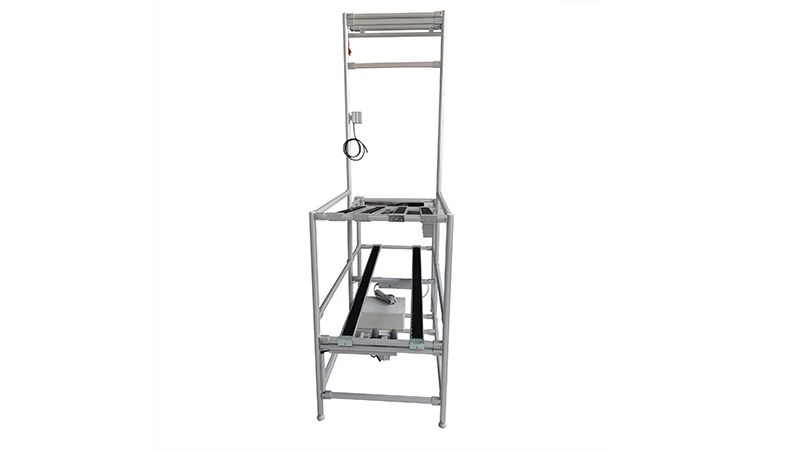
Let's be honest—shopping for a workbench can feel like walking a tightrope. On one side, there's the cheap, rickety option that wobbles the first time you set a power tool on it. On the other, the industrial-grade behemoth that costs as much as a month's rent, leaving you wondering if you'll ever use half its features. For small workshops, startups, or even home garages, the sweet spot between "affordable" and "actually useful" often feels impossible to find. But what if there was a workbench that didn't make you choose? Enter Aluminum Workbench C—a solution built for those who refuse to sacrifice quality for cost, or vice versa.
Why Aluminum? The Unsung Hero of Workshop Gear
Before we dive into what makes Aluminum Workbench C special, let's talk about the star of the show: aluminum. You've probably seen it in everything from ladders to laptop frames, but when it comes to workbenches, it's a game-changer. Unlike wood, which warps with moisture and splinters under pressure, or steel, which rusts if you so much as glance at a drop of water, aluminum brings a unique set of perks to the table.
First, it's lightweight. Try moving a steel workbench across the shop by yourself—spoiler: you'll need a friend (or a forklift). Aluminum? Even a fully loaded Aluminum Workbench C can be repositioned with one hand, thanks in part to its smart design and, yes, those handy caster wheels we'll get to later. Second, it's tough. Aluminum might not sound as "strong" as steel, but modern aluminum extrusion profiles—like the ones used in Workbench C—are engineered to handle heavy loads without bending. We're talking 500+ pounds of tools, parts, or projects, no sweat. And third, it's low-maintenance. No sanding, no painting, no worrying about rust. A quick wipe with a damp cloth, and it's as good as new.
Meet Aluminum Workbench C: Built for the Way You Work
Aluminum Workbench C isn't just a slab of metal on legs. It's a thoughtfully designed tool that fits into your workflow, not the other way around. Let's start with the basics: its frame is constructed from high-grade aluminum profile, the same stuff used in factories and labs where precision matters. These profiles aren't just strong—they're modular. That means if you need extra shelves, a tool rail, or even a custom add-on, you can bolt it on without drilling holes or hiring a welder. It's like building with grown-up Legos, but for your workshop.
But what really sets Workbench C apart is how it aligns with lean system principles. Lean isn't just a buzzword; it's about cutting waste—whether that's time, space, or money. Workbench C's compact footprint (it's designed to fit in tight garages or production lines) and mobile design mean you're not wasting square footage on a stationary bench. Need to shift from assembly to packing? Roll it over. Running a small production line? Pair it with a flow rack, and suddenly materials glide from storage to workbench without anyone lifting a finger. It's efficiency that doesn't require a fancy consultant or a six-figure software upgrade.

Key Features That Make It Worth Every Penny
1. Caster Wheels: Mobility Without the Headache
Let's talk about those caster wheels. Not all wheels are created equal—we've all fought with wobbly, stuck casters that make moving a bench feel like dragging a boulder. Workbench C uses heavy-duty, lockable caster wheels that roll smoothly on concrete, wood, or tile. Lock them in place, and the bench stays put, even when you're hammering or sawing. Unlock, and it glides like it's on ice. For anyone who's ever had to rearrange their workspace to fit a big project, this is a game-changer.
2. Aluminum Profile: Strength Meets Flexibility
The aluminum profile used here isn't just any metal. It's a precision-extruded design with T-slots—those handy grooves along the edges that let you attach accessories without tools. Need a place to hang your wrench set? Slide in a hook. Want a shelf for your drill press? Bolt on a bracket. This flexibility means Workbench C grows with your needs. Start with the basics, then add on as your business or hobby expands. No need to buy a whole new bench later.
3. Built-In Compatibility with Flow Racks
If you're running a small production line or just want to keep materials within arm's reach, Workbench C plays nice with flow racks. Flow racks use gravity to feed parts down to you, so you're not bending over or walking back and forth to grab supplies. Workbench C's height is designed to align perfectly with standard flow rack levels, creating a seamless "pick and place" workflow. It's the kind of detail that might seem small, but over a day, it adds up to hours saved (and fewer sore backs).

Is It Really "Budget-Friendly"? Let's Compare
We get it—"budget-friendly" can mean different things to different people. So let's put Workbench C head-to-head with other common options. Below is a breakdown of how it stacks up against wood and steel workbenches in key areas:
| Feature | Aluminum Workbench C | Traditional Wood Workbench | Heavy-Duty Steel Workbench |
|---|---|---|---|
| Initial Cost | Mid-range ($300–$500) | Low ($150–$300) | High ($600–$1,200+) |
| Weight (Empty) | 60–80 lbs (easy to move with casters) | 100–150 lbs (heavy, stationary) | 200–300 lbs (requires help to move) |
| Load Capacity | 500+ lbs | 300–400 lbs (varies by wood quality) | 800+ lbs (overkill for most users) |
| Maintenance | Minimal (wipe clean, no rust) | High (sanding, refinishing, warping risk) | Moderate (prone to rust if not painted) |
| Lifespan | 10–15+ years (no rot, rust, or warping) | 5–8 years (before warping/splintering) | 15+ years (but heavy and expensive upfront) |
| Flexibility | High (modular, add-ons easy to install) | Low (fixed design, hard to modify) | Moderate (possible but requires tools/welding) |
See the pattern? Wood is cheap upfront, but you'll replace it in 5 years. Steel lasts forever, but you'll pay for capacity you don't need and struggle to move it. Aluminum Workbench C hits that sweet spot: affordable now, durable enough to outlast your next three projects, and flexible enough to grow with you. It's not "cheap"—it's smart.

Real-World Stories: How Workbench C Changed These Workshops
Don't just take our word for it. Let's hear from folks who've swapped their old workbenches for Aluminum Workbench C.
"I run a small electronics repair shop, and space is tight. My old wooden bench was always getting cluttered, and moving it? Forget it. Aluminum Workbench C fit right in, and those caster wheels? I can roll it out of the way when I need to park my van inside. Plus, the aluminum top doesn't conduct static, which is a must for working on circuit boards. Best $400 I ever spent." — Mike, owner of Mike's Tech Repair
"We're a startup making custom bike parts, and every dollar counts. We needed something sturdy for assembly but didn't want to drop $1k on a steel bench. Workbench C was perfect. We paired it with a flow rack, so parts roll right to the bench, and we can reconfigure the whole line in 10 minutes. Our production time dropped by 20% just from not wasting time walking to grab tools. It's like having an extra pair of hands." — Lila, operations manager at GearShift Cycles
Taking Care of Your Workbench: Simple Tips for Longevity
Aluminum Workbench C is low-maintenance, but a little care goes a long way. Here's how to keep it in top shape for years:
- Wipe spills quickly: Oil, paint, or chemicals won't damage the aluminum, but they might stain if left too long. A damp cloth and mild soap work wonders.
- Lubricate the caster wheels: Every 6 months, add a drop of machine oil to the wheel axles to keep them rolling smoothly.
- Tighten bolts occasionally: If you're using the bench heavily, check the frame bolts once a year. They might loosen slightly with vibration, but a quick twist with a wrench fixes it.
- Use a mat for heavy tools: While the top is scratch-resistant, a rubber mat under power tools prevents scuffs and keeps things from sliding.
Why It's More Than a Workbench—It's an Investment
At the end of the day, Aluminum Workbench C isn't just a piece of equipment. It's an investment in your productivity, your space, and your peace of mind. Think about it: how much time do you waste struggling with a wobbly bench? How many projects get delayed because you can't find a tool under the clutter? How often have you wished you could rearrange your shop without breaking your back?
Workbench C solves those problems. It's a tool that works as hard as you do, adapts to your needs, and doesn't cost a fortune. It's for the tinkerers, the small business owners, the makers who refuse to let budget constraints limit their potential. Because you shouldn't have to choose between a workbench that works and one that's affordable. With Aluminum Workbench C, you get both.
Final Thoughts: Value That Speaks for Itself
Aluminum Workbench C isn't the cheapest workbench on the market. But "cheap" and "value" are two very different things. Cheap is about cutting corners; value is about getting more than you paid for. And with Workbench C, you get durability, flexibility, and mobility—all wrapped up in a design that fits your workflow. It's the kind of tool that pays for itself, one project, one saved hour, one less headache at a time.
So if you're tired of workbenches that let you down, or if you're ready to stop choosing between quality and cost, give Aluminum Workbench C a look. Your back, your budget, and your next big project will thank you.