- Company Articles
- Products and Technology
- Procurement Guidelines
- Budget-Friendly T-Groove Aluminum Pipe Selection: Balancing Cost & Performance

Budget-Friendly T-Groove Aluminum Pipe Selection: Balancing Cost & Performance
Related Product
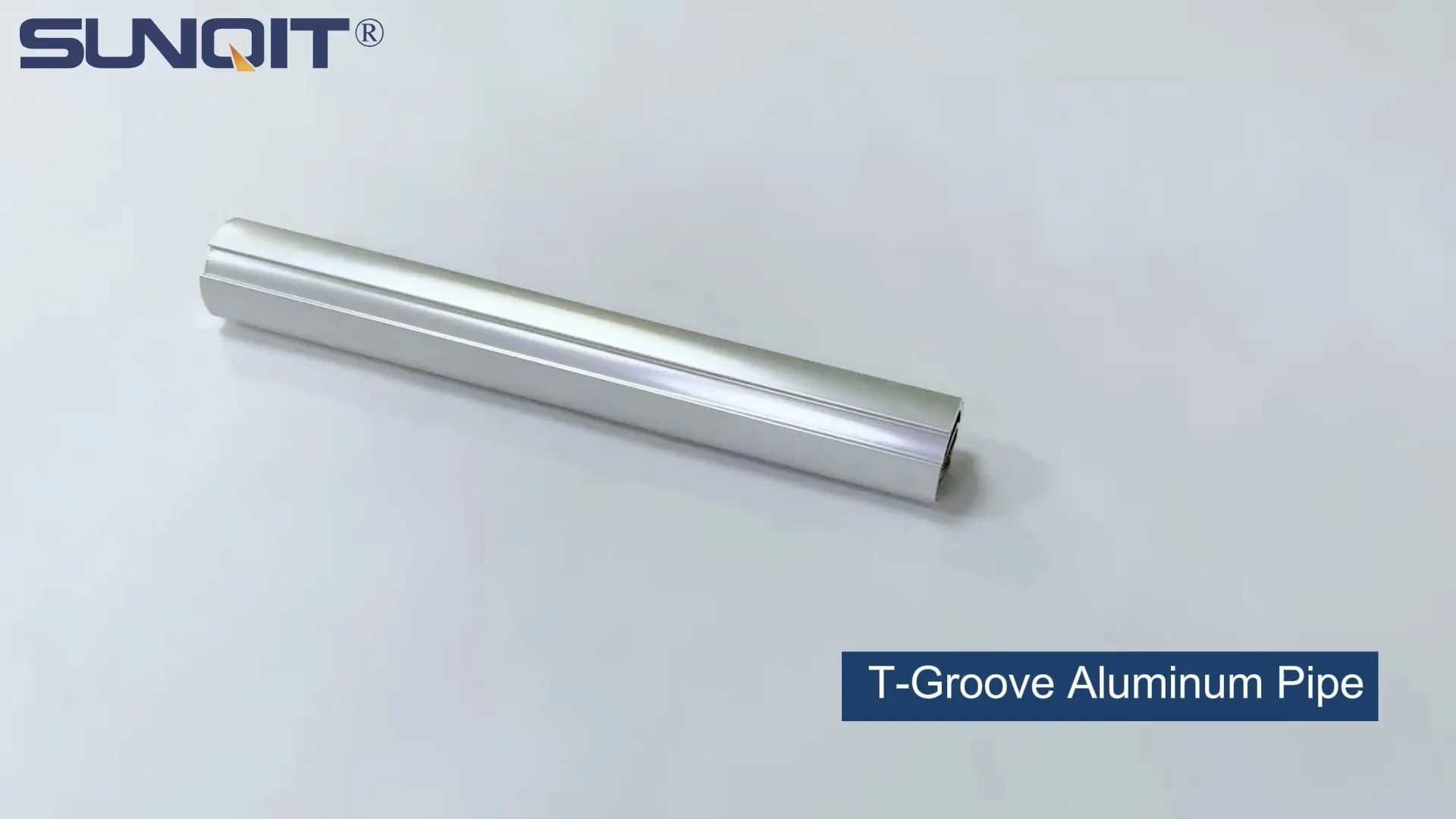
T-Groove Aluminum Pipe
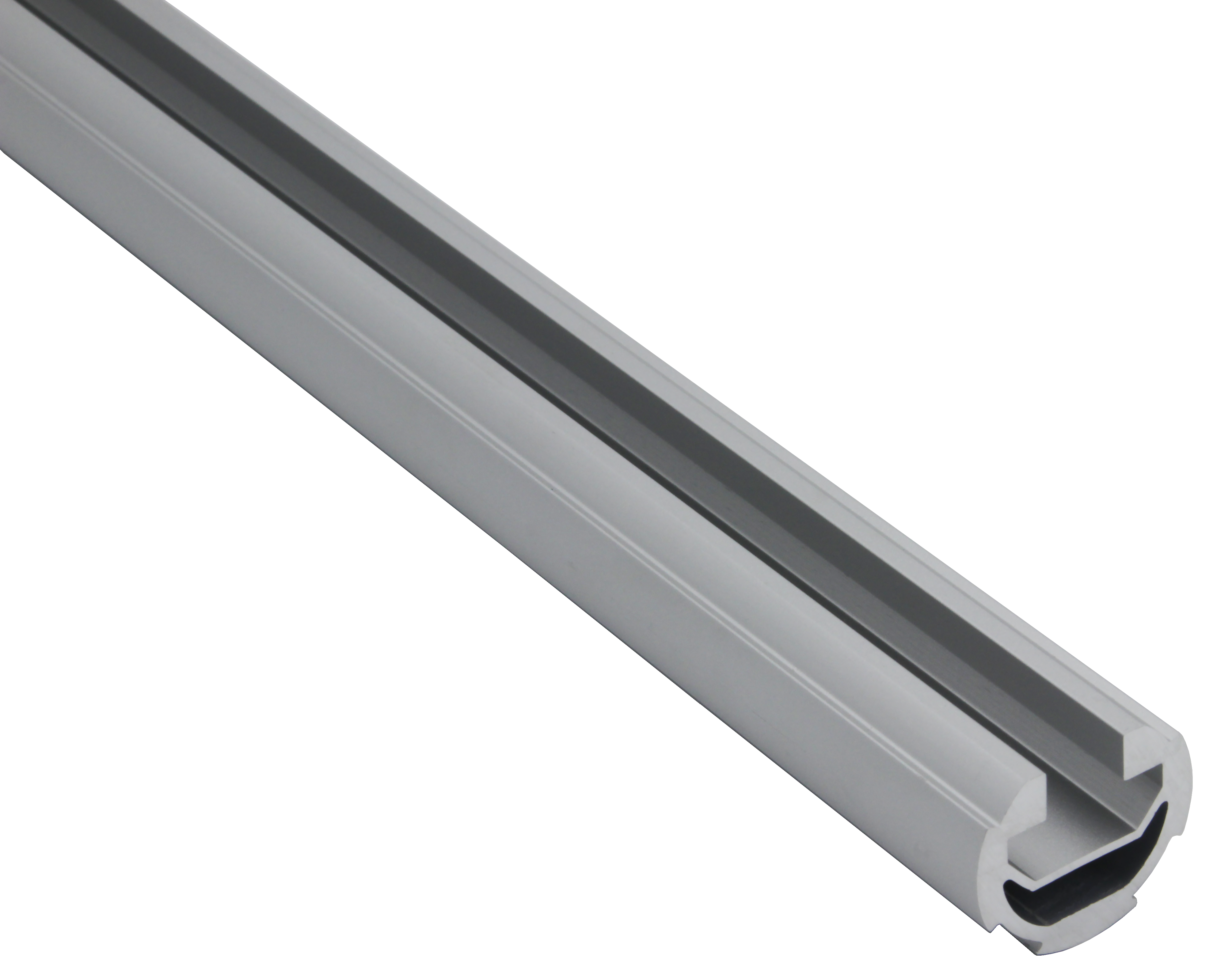
The aluminum pipe opening 10mm is installed into the T-shaped slider, which can be installed with casters or other matching functional parts. The groove can be used for positioning and is used for the track of the roller.
In the fast-paced world of manufacturing, warehousing, and even DIY projects, the right tools and materials can make or break efficiency. Among the unsung heroes of these industries is the T-groove aluminum pipe —a versatile, modular solution that has revolutionized how we build workbenches, material racks, conveyor systems, and more. But here's the catch: while these aluminum pipes offer incredible flexibility and durability, they can also stretch budgets if you're not careful. The key isn't just to find the cheapest option; it's to balance cost and performance so that every dollar you spend delivers real value.
Whether you're a small business owner kitting out your first assembly line, a warehouse manager looking to optimize material flow, or a hobbyist building a custom workbench, selecting the right T-groove aluminum pipes requires a mix of practicality and foresight. In this guide, we'll walk through everything you need to know to make smart choices—from understanding the basics of aluminum profiles to choosing accessories that won't let you down, all while keeping an eye on your bottom line.
What Are T-Groove Aluminum Pipes, and Why Do They Matter?
First things first: let's clarify what we're talking about. T-groove aluminum pipes (often called aluminum extrusion profiles ) are long, hollow tubes made by pushing molten aluminum through a die to create a specific cross-sectional shape. The "T-groove" refers to the T-shaped slots running along the length of the pipe, which allow you to slide in connectors, brackets, and other aluminum profile accessories without welding or drilling. This modularity is what makes them so popular—you can assemble, disassemble, and reconfigure structures in minutes, adapting to changing needs without starting from scratch.
But why aluminum? Unlike steel, aluminum is lightweight, resistant to corrosion, and requires minimal maintenance. Unlike plastic, it offers the structural strength needed for heavy-duty applications like supporting tool racks or conveyor systems. And because aluminum is infinitely recyclable, it's also a sustainable choice—something more businesses are prioritizing today.
The problem, though, is that not all T-groove aluminum pipes are created equal. A quick search online will show you prices ranging from rock-bottom to premium, and it's easy to assume the cheapest option is the best deal. But here's the truth: a flimsy pipe with thin walls might save you money upfront, but it could bend under load, requiring costly replacements down the line. On the flip side, over-investing in industrial-grade profiles for a simple hobby bench is just throwing money away. The sweet spot lies in matching the pipe's specs to your actual needs—and that starts with understanding the factors that affect both cost and performance.
Key Factors That Influence Cost vs. Performance
When shopping for T-groove aluminum pipes, three factors will have the biggest impact on both price and how well the pipes perform: material thickness, alloy type, and surface treatment. Let's break each down so you can decide where to splurge and where to save.
1. Material Thickness: Thin vs. Thick Walls
The thickness of the aluminum pipe's walls is measured in millimeters (mm), and it directly affects two things: weight capacity and durability. Thicker walls (e.g., 2.0mm or 3.0mm) can support more weight and withstand rough handling, making them ideal for heavy-duty applications like industrial workbenches or material racks that hold bulky parts. Thinner walls (e.g., 1.0mm or 1.2mm) are lighter and cheaper, but they're better suited for lighter loads—think small workbenches, display shelves, or DIY projects where weight isn't a primary concern.
Here's a real-world example: A 40x40mm aluminum profile with 1.5mm walls might cost $15 per meter, while the same profile with 2.0mm walls could cost $25 per meter. If you're building a workbench to hold a 50kg toolbox, the 1.5mm pipe is more than enough. But if you're mounting heavy machinery that weighs 200kg, skimping on wall thickness could lead to bending or even collapse—costing you more in repairs than you saved upfront.
2. Alloy Type: 6061 vs. 6063—What's the Difference?
Aluminum extrusion profiles are typically made from one of two alloys: 6061 or 6063. Both are strong and corrosion-resistant, but they have key differences that affect performance and price.
6061 Aluminum: This alloy is known for its high strength and toughness, thanks to the addition of magnesium and silicon. It's often used in structural applications where load-bearing is critical—think aerospace components, bike frames, or heavy machinery bases. However, 6061 is more expensive to extrude and machine, so profiles made from it tend to cost 10-20% more than 6063.
6063 Aluminum: The workhorse of the extrusion world, 6063 is softer and more malleable than 6061, making it easier and cheaper to produce complex shapes (like the T-grooves we need). It's still strong enough for most industrial and commercial uses—workbenches, material racks, conveyor guides—and it has a smoother finish, which is a plus for applications where aesthetics matter. For 90% of users, 6063 is the better balance of cost and performance.
The takeaway? Unless you're building something that needs to withstand extreme stress (like a bridge or a high-vibration machine), 6063 profiles will serve you well at a lower cost.
3. Surface Treatment: Anodized, Powder-Coated, or Bare?
The surface of your aluminum profile isn't just about looks—it affects durability, corrosion resistance, and even friction (important for sliding accessories like T-slot nuts). Here are the most common options:
- Bare Aluminum: The cheapest option, but also the most vulnerable. Bare aluminum will oxidize over time, developing a dull, chalky layer (patina). It's fine for indoor, low-moisture environments, but avoid it in garages, warehouses, or areas with high humidity.
- Anodized Aluminum: Anodizing is an electrochemical process that creates a hard, protective oxide layer on the surface. It's resistant to scratches, corrosion, and fading, making it ideal for outdoor or high-moisture use. Anodized profiles come in natural silver or colored options (black, blue, etc.), though colored anodizing adds a small premium (5-10% more than natural).
- Powder-Coated Aluminum: Powder coating involves spraying a dry powder onto the profile and baking it to form a hard, durable finish. It offers more color options than anodizing and can hide minor surface imperfections, but it's slightly thicker (which can affect how well accessories fit into T-grooves). It's a good middle ground for indoor applications where you want a custom color without the cost of colored anodizing.
For most budget-conscious buyers, natural anodized aluminum is the sweet spot. It adds minimal cost (usually 10-15% more than bare) but significantly extends the life of your profiles, especially if they'll be exposed to moisture or regular wear and tear.
Choosing the Right Profile Size: One Size Doesn't Fit All
Aluminum extrusion profiles come in dozens of sizes, from tiny 15x15mm "mini" profiles to massive 100x100mm beams. The size you choose depends on two things: the weight you need to support and the space you have. Let's break down the most common sizes and their typical uses, so you can avoid overbuying (or underbuying).
| Profile Size (mm) | Wall Thickness (mm) | Max Load Capacity (kg/m) | Typical Applications | Price Range (Per Meter) |
|---|---|---|---|---|
| 20x20 | 1.0-1.2 | 20-30 | Small shelving, electronics workbenches, 3D printer frames | $8-$12 |
| 30x30 | 1.2-1.5 | 50-70 | Tool racks, small conveyor guides, hobby workbenches | $12-$18 |
| 40x40 | 1.5-2.0 | 100-150 | Industrial workbenches, material racks, assembly line frames | $18-$25 |
| 40x80 | 2.0-3.0 | 200-300 | Heavy-duty conveyor systems, large workbenches, machine bases | $30-$45 |
Notice the trend? As size and wall thickness increase, so do load capacity and price. The mistake many people make is buying a larger profile than they need "just in case." For example, if you're building a workbench to hold a laptop and a few hand tools, a 20x20 or 30x30 profile will work fine. Upgrading to 40x40 would be overkill—and cost you 50% more per meter.
Pro tip: When in doubt, calculate the maximum weight your structure will need to support, then add 20% (for safety). Use that number to match the profile size from the table above. Most suppliers also provide load capacity charts on their websites, so don't hesitate to ask for specs!

Aluminum Profile Accessories: The Hidden Cost (and Value)
If T-groove aluminum profiles are the "bones" of your structure, then aluminum profile accessories are the joints, muscles, and connective tissue. Without the right connectors, brackets, and fasteners, even the best profiles won't hold together. But accessories can also be a sneaky budget drain if you're not selective. Let's break down the essentials and how to choose them wisely.
Must-Have Accessories (and Which Ones to Splurge On)
Connectors: These are what hold your profiles together. There are dozens of types—corner brackets, T-connectors, L-connectors, etc.—but the most common are:
- Internal Connectors: Slide into the T-grooves and bolt together, creating a clean, flush joint. They're strong but require precise cutting of profiles (since the connector sits inside). Great for permanent structures.
- External Brackets: Bolt onto the outside of profiles, making them easy to install and adjust. They're less aesthetically pleasing but more forgiving if your cuts are slightly off. Ideal for temporary or frequently reconfigured setups.
Here's where to save vs. splurge: For critical joints (like the corners of a workbench that holds heavy tools), invest in high-quality aluminum or steel connectors from reputable brands. For non-critical joints (like a shelf that holds lightweight items), generic plastic or zinc-alloy connectors will work fine at half the cost.
T-Slot Nuts and Bolts: These are the "glue" that holds accessories (like brackets or shelves) to your profiles. T-slot nuts slide into the T-groove and lock in place when you tighten the bolt. Avoid cheap plastic nuts—they strip easily. Instead, opt for metal (steel or aluminum) nuts with a spring-loaded ball bearing (to keep them from sliding out when you're adjusting). A pack of 50 metal T-slot nuts costs $15-$20, but they'll save you endless frustration compared to $5 plastic ones that break after a few uses.
End Caps: These simple plastic or rubber caps cover the ends of profiles, preventing dust, debris, or fingers from getting stuck inside. They're cheap ($0.50-$1 each), but skip the fancy colored ones—plain black or white works just as well and costs less.
Casters (Wheels): If you need your structure to move (like a mobile workbench or material trolley), casters are a must. But not all casters are created equal: cheap plastic casters will crack under heavy loads, while premium steel casters with ball bearings glide smoothly and last for years. For most users, medium-duty casters (rated for 50-100kg each) are a good balance—look for ones with locking brakes to keep your structure stable when in use.
Avoiding "Accessory Bloat"
It's easy to get carried away buying accessories—after all, they promise to make your setup more "complete." But ask yourself: Do I really need that fancy LED light strip for my workbench? Or that decorative end cap with a logo? Probably not. Stick to the essentials first, then add extras only if they solve a specific problem (like a tool hook to keep your workspace organized).
Another trick: Buy accessories in bulk. Most suppliers offer discounts when you buy 10+ of a single item, so if you know you'll need 20 T-slot nuts, order them all at once instead of buying 5 now and 15 later (and paying shipping twice).

Practical Applications: Building Real-World Solutions on a Budget
Let's put all this theory into practice with three common scenarios. For each, we'll outline the best T-groove aluminum pipe choices, accessories, and cost-saving tips.
Scenario 1: A Basic Workbench for a Home Garage
Needs: A sturdy surface (120cm x 60cm) to hold tools, a vice, and occasional DIY projects. Weight capacity: ~100kg. Budget: $200 or less.
Profile Choice: 30x30mm 6063 aluminum profiles with 1.2mm walls (anodized finish). Four vertical legs (80cm tall), two horizontal front/back rails (120cm), and two horizontal side rails (60cm). Total profile length: ~4.8 meters. Cost: ~$15/meter x 4.8m = $72.
Accessories: 4 corner brackets (external, steel), 16 T-slot nuts and bolts (metal), 4 end caps, and a plywood or MDF top (cheaper than aluminum panels). Cost: ~$40 for accessories, $30 for the top. Total: ~$142—well under budget.
Cost-Saving Tip: Use a plywood top instead of aluminum (saves $50+). Skip casters unless you need mobility—they add $30-$50.
Scenario 2: A Material Rack for a Small Warehouse
Needs: A 3-tier rack (180cm tall x 120cm wide x 45cm deep) to hold boxes of inventory. Weight capacity: 50kg per shelf. Budget: $500.
Profile Choice: 40x40mm 6063 aluminum profiles with 1.5mm walls (natural anodized). Four vertical legs (180cm), four horizontal side rails (120cm), eight horizontal depth rails (45cm), and six shelf supports (45cm). Total profile length: ~12 meters. Cost: ~$20/meter x 12m = $240.
Accessories: 12 L-brackets (for shelves), 4 T-connectors (for vertical supports), 40 T-slot nuts and bolts, 16 end caps, and plywood shelves. Cost: ~$100 for accessories, $80 for shelves. Total: ~$420.
Cost-Saving Tip: Use 1.5mm walls instead of 2.0mm (saves $60) since the load per shelf is light. Buy accessories in bulk (e.g., 50 T-slot nuts for $20 instead of 10 packs of 5 for $5 each).
Scenario 3: A Conveyor Guide for an Assembly Line
Needs: A 3-meter-long roller track to guide small boxes (up to 10kg each) along an assembly line. Budget: $300.
Profile Choice: 40x40mm 6063 aluminum profiles with 1.5mm walls (natural anodized) for the frame, plus aluminum roller track guides (from the roller track and accessories category). Total profile length: 6 meters (3m per side). Cost: ~$20/meter x 6m = $120. Roller track: ~$80 for 3 meters.
Accessories: 8 corner brackets, 24 T-slot nuts and bolts, 4 end supports, and roller track connectors. Cost: ~$70. Total: ~$270.
Cost-Saving Tip: Use plastic roller track guides instead of aluminum (saves $30) if boxes are lightweight and don't have sharp edges (which can scratch plastic).
How to Find Reliable Suppliers Without Overpaying
Even the best product choices won't save you money if you're buying from a supplier that marks up prices or cuts corners on quality. Here's how to find reputable aluminum profile suppliers that offer fair prices:
1. Compare Prices, but Don't Fixate on the Lowest
It's tempting to go with the supplier offering the cheapest per-meter price, but always ask: What's included? Some suppliers quote bare aluminum but charge extra for cutting, anodizing, or shipping. Others offer "free shipping" but inflate the product price to cover it. Get a full quote (including cutting, shipping, and any extras) from at least 3-4 suppliers before deciding.
2. Check for Minimum Order Quantities (MOQs)
Many suppliers have MOQs (e.g., 10 meters of profile per order). If you only need 3 meters, this can force you to overbuy. Look for suppliers that sell "cut-to-length" profiles with no MOQ—they'll charge a small cutting fee ($2-$5 per cut), but it's better than buying 10 meters you don't need.
3. Read Reviews and Ask for Samples
A supplier's website can look great, but real user reviews tell the truth. Check platforms like Google, Alibaba, or industry forums for feedback on quality, shipping times, and customer service. If you're unsure about a supplier, ask for a sample profile (they'll usually charge a small fee, but it's worth it to test thickness, finish, and straightness).
4. Consider Local vs. International Suppliers
International suppliers (especially from China) often offer lower prices, but shipping can take 4-6 weeks, and returns are a hassle. Local suppliers (in the US, Europe, etc.) charge more but offer faster shipping, easier returns, and sometimes better customer support. For small orders, local is usually better. For large orders (100+ meters), international can save 30-50%—just factor in shipping time and customs fees.
Common Mistakes to Avoid (So You Don't Waste Money)
Even with the best intentions, it's easy to make missteps when selecting T-groove aluminum pipes. Here are the top pitfalls to watch for:
- Buying Too Thin (or Too Thick): As we discussed earlier, thin walls save money upfront but fail under load; thick walls cost more than you need. Always calculate your max load first.
- Ignoring Compatibility: Not all T-groove accessories fit all profiles. For example, a T-slot nut designed for a 20x20mm profile won't work in a 40x40mm profile. Check the slot width (usually 6mm, 8mm, or 10mm) before buying accessories.
- Skipping Cutting Services: Cutting aluminum profiles yourself with a hacksaw is possible, but it's time-consuming and messy. Most suppliers offer precision cutting for a small fee ($1-$3 per cut), which ensures your profiles fit together perfectly—saving you frustration and wasted material.
- Overlooking Long-Term Costs: A $50 workbench made with bare aluminum might seem like a deal, but if it rusts in a year and needs replacement, you'll end up spending more than if you'd bought an anodized version for $80 that lasts 10 years.
- Forgetting to Account for Waste: Always order 10-15% extra material to account for cutting errors, bent profiles, or miscalculations. It's cheaper to have a little extra than to pay for rush shipping on a replacement piece.
Final Thoughts: Balancing Cost and Performance Is About Smart Priorities
At the end of the day, selecting budget-friendly T-groove aluminum pipes isn't about finding the cheapest option—it's about aligning your choices with your actual needs. For most users, that means:
- Choosing 6063 aluminum profiles with 1.2-1.5mm walls (anodized for durability).
- Sticking to standard sizes (20x20, 30x30, 40x40) for easy accessory availability.
- Investing in quality connectors and T-slot nuts, but skipping fancy extras.
- Buying from reputable suppliers with clear pricing and good reviews.
Remember, the goal is to build something that works for you —not to impress others with the most expensive setup. With a little planning and common sense, you can create a T-groove aluminum structure that's strong, flexible, and budget-friendly. And when you do, you'll not only save money—you'll have a setup that adapts as your needs change, giving you value for years to come.
So go ahead: Measure twice, calculate your load, compare suppliers, and build something that makes you proud—without breaking the bank.