- Company Articles
- Products and Technology
- Product knowledge
- Budget-Friendly T-Slot Rubber Seal Covers: Affordable Options Without Sacrificing Quality

Budget-Friendly T-Slot Rubber Seal Covers: Affordable Options Without Sacrificing Quality
Related Product
T-slot Rubber Seal Cover
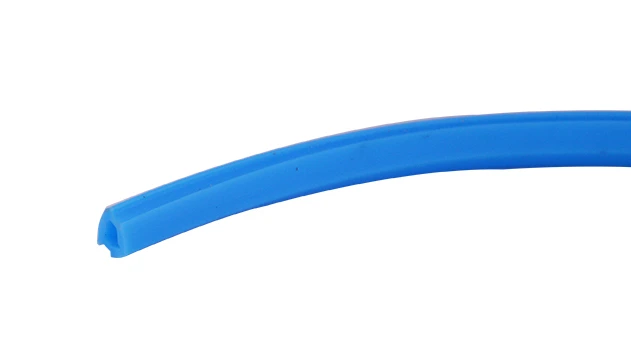
The rubber T-slot seal cover prevents dust and debris buildup, covers wires in the T-slot channel, and adds an extra layer of protection to applications. It rolls into the T-slot, making it easy to assemble.
Let's face it—running a workshop, small manufacturing line, or even a home DIY space means balancing a hundred priorities at once. You need equipment that's durable enough to handle daily use, safe enough to protect your team, and affordable enough to keep the budget from spiraling. Often, it's the small parts that get overlooked: the little components that don't grab headlines but make a huge difference in how smoothly things run. Today, we're talking about one of those unsung heroes: T-slot rubber seal covers. If you've ever worked with aluminum extrusion profiles, you know the T-slots are both a blessing and a minor headache. They're versatile for mounting accessories, but they can collect debris, create sharp edges, and even rattle during use. That's where T-slot rubber seal covers come in—and the good news? You don't have to break the bank to get quality ones.
What Are T-Slot Rubber Seal Covers, Anyway?
First things first: Let's get clear on what these little tools actually do. If you're using aluminum extrusion profiles (those modular, groove-lined beams that form the backbone of workbenches, material racks, and production lines), you're already familiar with T-slots. These slots run along the length of the profiles, allowing you to slide in bolts, brackets, or other aluminum profile accessories to customize your setup. But left uncovered, those slots can be a hassle.
T-slot rubber seal covers are flexible, durable strips designed to fit snugly into those T-slots. Think of them as the "protective caps" for your aluminum profiles. They're typically made from rubber or a rubber-like material (often EPDM, which stands up well to wear, temperature changes, and chemicals) and come in various colors—grey, yellow, black, even blue—to match your workspace aesthetic or safety coding needs.
Here's why they matter: They keep dust, metal shavings, and debris from clogging the T-slots (no more fishing out gunk with a screwdriver!). They soften sharp edges, reducing the risk of cuts when hands brush against the profiles. And they dampen vibrations, which means less noise in the workshop and less wear on the profiles themselves over time. In short, they're a small investment that pays off in smoother operations and longer-lasting equipment.
Budget-Friendly Doesn't Have to Mean "Cheap"
Here's the thing about buying workshop supplies: There's a big difference between "budget-friendly" and "low-quality." Cheap seal covers might save you a few dollars upfront, but they'll crack after a month of use, slip out of the slots, or fail to block debris effectively. Suddenly, you're replacing them twice as often, spending more in the long run, and dealing with the hassle of constant fixes. That's why we're focusing on options that balance cost and quality—products that won't let you down, even when your workspace is humming with activity.
So, what should you look for in an affordable but reliable T-slot rubber seal cover? Start with material: EPDM rubber is a safe bet because it's flexible, heat-resistant, and doesn't degrade quickly. Next, fit: A good seal cover should slide into the T-slot easily but stay put once installed—no wiggling or popping out when you're moving tools or adjusting your workbench. Finally, compatibility: Make sure the cover matches the size of your aluminum profile's T-slot (common sizes include 2020, 3030, or 4040 profiles, named for their width and height in millimeters).

Top Budget-Friendly T-Slot Rubber Seal Covers to Consider
To help you cut through the noise, we've rounded up some of the best affordable T-slot rubber seal covers on the market. These options come from trusted suppliers who specialize in lean pipe and accessories, so you know they're designed with real workshop needs in mind. Let's break them down:
| Product Name | Material | Compatible Aluminum Profile Types | Price Range (Per Meter) | Key Features |
|---|---|---|---|---|
| Basic Grey T-Slot Seal Cover | EPDM Rubber | 2020, 3030, 4040 | $2.50–$4.00 | Standard fit, weather-resistant, low-profile design |
| Yellow High-Visibility Seal Cover | Recycled Rubber Blend | 3030, 4040, 4080 | $3.00–$5.00 | Bright color for safety zones, extra grip texture |
| Heavy-Duty Black Seal Cover | Industrial-Grade EPDM | 4040, 4080, 3060 | $4.50–$6.50 | Thicker walls, chemical-resistant, ideal for production lines |
| Multi-Size Flexible Seal Cover | Thermoplastic Rubber (TPR) | 2020, 3030, 4040 (adjustable) | $3.50–$5.50 | Stretchy design fits multiple slot sizes, UV-resistant |
What stands out here? Even the most affordable options (like the Basic Grey) use EPDM rubber, which is a workhorse material in industrial settings. It won't crack in cold garages or melt near heat sources, and it's easy to trim to length with a utility knife. The Yellow High-Visibility model is a smart pick if you're setting up safety zones on your workbench—those bright stripes act as a visual reminder to keep tools or hands away from moving parts. And if you're running a high-traffic production line, the Heavy-Duty Black version's thicker walls can handle more wear and tear, which means you won't be replacing them every few months.

Why Skimping on Seal Covers Costs More in the Long Run
It's tempting to skip seal covers altogether or grab the cheapest ones off the shelf. After all, they're just "little rubber strips," right? But here's the catch: Those "little strips" protect your bigger investments. Let's say you've spent good money on a sturdy aluminum workbench. Without seal covers, metal shavings, wood dust, or even spilled coolant can get trapped in the T-slots. Over time, that debris builds up, making it hard to slide in brackets or adjust accessories. You'll end up spending hours cleaning the slots or, worse, damaging the profile itself when you force a bolt through a clogged slot.
Safety is another big factor. Uncovered T-slots have sharp edges—nothing dangerous enough to send you to the ER, but enough to give a nasty scratch if you brush against them while reaching for a tool. Over time, those small injuries add up, leading to sore hands and distracted workers. Seal covers soften those edges, turning a minor annoyance into a non-issue. Plus, they reduce noise: ever noticed how T-slots rattle when you're moving a workbench or rolling a material rack? The rubber dampens that vibration, making your workspace quieter and more pleasant to be in.
How to Pick the Right One for Your Space
Not sure which seal cover is best for you? Let's simplify. Start by checking your aluminum profiles: What size are they? Most workshops use 2020 (small, lightweight setups), 3030 (standard workbenches), or 4040 (heavier-duty racks and production lines). The product descriptions should list compatible sizes, so match that first.
Next, think about your environment. If your workspace is indoors and climate-controlled, a basic EPDM cover will work fine. If you're working in a garage with temperature swings or near chemicals (like in a automotive shop), go for the heavy-duty or chemical-resistant options. For safety-focused areas—like around machinery or walkways—the high-visibility yellow covers add an extra layer of caution.
Finally, consider bulk buying. Most suppliers offer discounts when you purchase 10+ meters, which is smart if you're outfitting multiple workbenches or racks. Even better, many lean pipe and accessories suppliers bundle seal covers with other essentials like aluminum profile end caps or brackets, so you can stock up and save at the same time.
Real-World Win: A Small Workshop's Experience
Let's talk about a real example. A local electronics repair shop, "TechFix Hub," recently upgraded their workbenches using 3030 aluminum extrusion profiles. They initially skipped seal covers to save money, figuring they'd "get around to it later." But after a month, their technicians were complaining about scratchy hands and spending 15 minutes each morning cleaning metal dust out of the T-slots. They finally ordered the Basic Grey Seal Covers (the most budget-friendly option on our list) and noticed a difference immediately. "It sounds silly, but those little strips made the workbenches feel brand new," said the shop manager, Raj. "No more dust in the slots, no more scratches, and the guys aren't grumbling about sore hands at the end of the day. Best $50 we've spent in a while."
That's the thing about T-slot rubber seal covers: they're not glamorous, but they solve small, daily frustrations that add up. And when you choose an affordable, quality option, you're not just saving money—you're investing in a smoother, safer, and more efficient workspace.
Final Thoughts: Affordable Quality Is Within Reach
At the end of the day, T-slot rubber seal covers are a classic example of "pay now or pay later." Skipping them might save a few dollars upfront, but the cost in time, frustration, and potential damage isn't worth it. The good news is, you don't have to choose between affordability and quality. Options like the Basic Grey or Yellow High-Visibility covers offer the durability you need at prices that won't stretch your budget.
So, whether you're building a new workbench, upgrading a production line, or just sprucing up your workshop, don't overlook these small but mighty components. Your T-slots (and your team) will thank you.