- Company Articles
- Products and Technology
- Procurement Guidelines
- Bulk Buying 3030 Aluminum Profile End Caps: Tips for Cost Savings

Bulk Buying 3030 Aluminum Profile End Caps: Tips for Cost Savings
Related Product
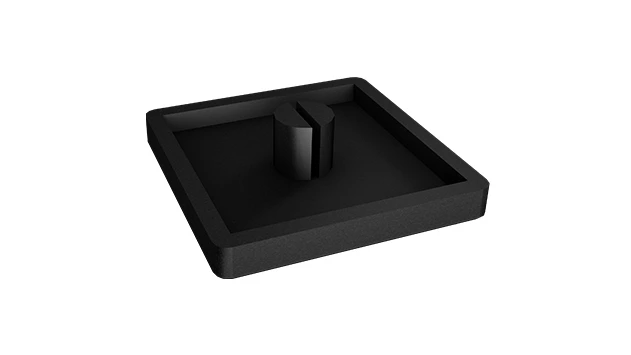
3030 Aluminum Profile End Cap
The aluminum profile end cap adds a finishing touch to your project and closes off profile ends to limit dust and debris buildup, also it can avaid some scratch for material and labor during the assemble work.
Introduction: The Hidden Impact of "Small" Parts on Your Bottom Line
Let's face it—running a manufacturing facility, workshop, or even a small-scale production line means keeping a close eye on every penny. From large machinery to tiny fasteners, every component plays a role in your operational costs. But if there's one area that often flies under the radar, it's the cost of small, seemingly insignificant parts: things like brackets, clips, and yes, end caps. These little pieces might not seem like budget-busters on their own, but when you're buying them in small batches, dealing with frequent stockouts, or paying premium prices for last-minute orders, their cumulative cost can quietly eat into your profits.
That's where 3030 aluminum profile end caps come into the picture. If your operation relies on aluminum extrusion profiles—and chances are, if you're building workbenches, material racks, or production lines, you do—these small caps are essential. They're the finishing touch that keeps profiles safe, clean, and looking professional. But here's the thing: most businesses buy them the wrong way. Instead of treating them as an afterthought, bulk buying 3030 aluminum profile end caps can be a game-changer for your budget. In this article, we'll break down why bulk purchasing makes sense, how to do it right, and share actionable tips to squeeze every drop of savings out of the process. Whether you're a seasoned operations manager or just starting to streamline your supply chain, this guide will help you turn a "small part" into a big win for your bottom line.
What Are 3030 Aluminum Profile End Caps, Anyway?
Before we dive into the "how" of bulk buying, let's make sure we're all on the same page about the "what." 3030 aluminum profile end caps are exactly what they sound like: small, often plastic or rubber caps designed to fit snugly over the exposed ends of 3030 aluminum extrusion profiles. If you're not familiar with 3030 profiles, they're a common type of aluminum extrusion—named for their dimensions (30mm x 30mm)—used in everything from industrial workbenches and machine guards to shelving units and conveyor frames. These profiles have a T-slot design, which makes them versatile for attaching accessories, but their open ends can be a problem.
So why do you need end caps? Let's count the reasons:
Safety first:
Exposed aluminum profile ends are sharp. Without a cap, they can snag gloves, scratch operators, or even cause more serious injuries. End caps blunt these edges, turning a potential hazard into a safe, smooth surface.
Dust and debris protection:
The hollow interior of aluminum profiles can collect dust, dirt, or moisture over time. End caps seal off these openings, preventing buildup that could corrode the profile or interfere with T-slot accessories down the line.
Aesthetics and professionalism:
Let's not overlook the little things. A production line or workbench with exposed, ragged profile ends looks unfinished. End caps give your setups a clean, polished appearance—important if clients or auditors visit your facility.
Longevity:
By keeping out debris and preventing accidental damage to profile ends, end caps extend the life of your aluminum extrusion profiles (keyword alert!). That means you won't have to replace costly profiles as often.
Now, not all end caps are created equal. They come in different materials—most commonly plastic (PVC or nylon) or metal (aluminum or stainless steel)—and designs. Plastic end caps are lightweight and affordable, making them ideal for indoor, low-impact applications. Metal end caps, on the other hand, are more durable and better suited for heavy-duty environments or where extra strength is needed. For most general manufacturing uses, though, high-quality plastic end caps strike the perfect balance between cost and performance. And when we talk about "3030 aluminum profile end caps" specifically, we're referring to caps engineered to fit the exact dimensions of 30mm x 30mm profiles—no guesswork, no ill-fitting pieces that fall off or fail to seal properly.

Why Bulk Buying 3030 End Caps Isn't Just for "Big Players"
You might be thinking, "Bulk buying? That's only for huge factories with massive storage space, right?" Wrong. Even small to mid-sized operations can—and should—consider bulk purchasing 3030 aluminum profile end caps. Here's why:
Lower per-unit costs:
This is the most obvious benefit, but it's worth emphasizing. Suppliers love selling in bulk because it reduces their production and shipping costs—so they pass those savings on to you. For example, buying 100 end caps might cost $0.80 each, but buying 1,000 could drop the price to $0.50 each. Do the math: 10,000 end caps a year would save you $3,000—money that could go toward new equipment, employee training, or other growth initiatives.
Stable inventory, fewer headaches:
How many times have you had to pause production because you ran out of end caps? Or paid rush shipping fees to get a small batch delivered overnight? Bulk buying means you'll have a steady supply on hand, eliminating those last-minute scrambles. It's a cornerstone of efficient inventory management—something lean system (keyword!) advocates swear by. By reducing stockouts, you keep your production line moving and your team focused on value-adding tasks, not hunting down small parts.
Stronger supplier relationships:
When you commit to larger orders, you become a more valuable customer to your aluminum profile supplier (keyword!). Suppliers are more likely to prioritize your orders, offer personalized service, and even share insights about upcoming promotions or new product releases. Over time, this can lead to exclusive discounts or preferential treatment—benefits that small-batch buyers rarely see.
Reduced administrative work:
Ordering small batches means more purchase orders, more invoices, and more time spent coordinating with suppliers. Bulk buying cuts down on the paperwork (and mental bandwidth) needed to manage your end cap supply. Instead of placing an order every month, you might place one every quarter or even twice a year—freeing up your team to focus on more important tasks.
Still skeptical? Let's put it in perspective. Even if you only use 500 end caps a year, buying in bulk could save you $150–$200 annually. That might not sound like much, but those savings compound when you apply the same logic to other aluminum profile accessories (keyword!)—like brackets, connectors, or T-slot nuts. Suddenly, bulk buying becomes a strategic way to trim costs across your entire supply chain.

5 Proven Tips to Maximize Savings When Bulk Buying End Caps
Bulk buying isn't just about clicking "add to cart" for a huge quantity. To really maximize savings, you need a plan. Here are five actionable tips to ensure your bulk end cap purchases deliver the biggest bang for your buck:
1. Choose Your Aluminum Profile Supplier Wisely
Not all suppliers are created equal, and the cheapest option isn't always the best. When vetting suppliers for bulk end cap orders, look beyond the price tag. Ask: - Do they specialize in aluminum extrusion profiles and accessories? A supplier that focuses on aluminum profiles (rather than a general hardware store) will have deeper expertise in end cap quality, compatibility, and industry standards. They're less likely to sell generic caps that don't fit your 3030 profiles properly. - What's their production capacity? Can they reliably fulfill large orders on time? A supplier with limited capacity might delay your shipment, leaving you scrambling for backups. - Do they offer volume-based pricing tiers? Many suppliers have tiered pricing: the more you buy, the lower the per-unit cost. Ask for a quote breakdown for 500, 1,000, 5,000, and 10,000 units to see where the biggest savings kick in. - What's their quality control process? Request samples first! A good supplier will send you a few end caps to test for fit, durability, and finish. If the sample feels flimsy or doesn't snap securely onto your 3030 profile, keep shopping.2. Calculate Your "Sweet Spot" Order Quantity
Buying 10,000 end caps might get you the lowest per-unit price, but if you only use 500 a year, you'll be storing them for 20 years—and storage costs money too. To find your "sweet spot," calculate your annual usage rate : (Number of profiles used per month) x (number of end caps per profile) x 12 months. For example, if you build 20 workbenches a month, each using 8 3030 profiles (with 2 ends each), that's 20 x 8 x 2 = 320 end caps per month, or 3,840 per year. Next, factor in storage space : How much room do you have? A box of 1,000 end caps is roughly the size of a small microwave—manageable for most workshops. Aim to order 1.5–2 times your annual usage to balance savings with storage. For 3,840 end caps a year, ordering 6,000 would give you a 1.5-year supply, avoiding overstock while still locking in bulk discounts.3. Negotiate Like a Pro (Yes, Even for Small Orders)
Don't be afraid to negotiate with your supplier—especially if you're committing to a large order. Here are a few leverage points: - Payment terms: Offer to pay 50% upfront in exchange for a 5% discount. Suppliers love cash flow, so this can be a win-win. - Delivery fees: Ask if they'll waive shipping costs for orders over a certain amount. If you're buying 5,000 end caps, the shipping fee could add $100–$200 to your bill—negotiating that away is pure savings. - Loyalty discounts: If you plan to buy other aluminum profile accessories (keyword!) from them—like brackets or T-slot nuts—bundle your orders. Say, "I'll buy 5,000 end caps and 2,000 brackets now—can you give me a 3% discount on the total?" - Long-term commitments: Promise to place a second bulk order in 6 months if they lock in the current price. This gives them certainty and you price stability, even if market costs rise.4. Standardize, Standardize, Standardize
One of the biggest hidden costs in parts purchasing is customization. If your facility uses a mix of 3030, 2020, and 4040 profiles, you might be tempted to buy custom end caps for each. Resist the urge! Instead, standardize on 3030 profiles where possible, or at least standardize on end cap materials and designs. For example, choosing a single color (like black or gray) for all end caps means you can buy in larger quantities, rather than splitting orders between colors. Similarly, sticking with a trusted plastic end cap model avoids the need to test and approve new designs—saving time and reducing the risk of compatibility issues.5. Time Your Orders to Avoid Seasonal Spikes
Like many industries, aluminum profile suppliers have busy seasons. For example, demand often spikes in spring and fall as manufacturers ramp up production after holidays or prepare for year-end projects. To avoid inflated prices and delayed shipments, try ordering bulk end caps in slower months (winter or summer). Suppliers may offer off-season discounts to keep their production lines running, and you'll have your inventory stocked before the busy season hits. Just make sure to check lead times—some suppliers slow down production in off-seasons, so plan 4–6 weeks ahead to avoid delays.The Bulk Buying Trap: 4 Mistakes to Avoid
Bulk buying is powerful, but it's not foolproof. Here are four common mistakes that can turn your "savings" into a costly headache:
Mistake #1: Sacrificing quality for price.
That $0.30 per unit "deal" might seem amazing—until you realize the end caps crack easily or fall off the profiles. Poor-quality end caps will cost you more in the long run, as you'll have to replace them frequently or deal with safety issues. Always test samples first, and check for certifications (like RoHS compliance for plastic parts) if your industry requires it.
Mistake #2: Overestimating your usage.
Buying 10,000 end caps because the per-unit price is great sounds smart—until you realize you only use 1,000 a year. Now you're stuck with 9 years of inventory taking up space, and the end caps might degrade (plastic can become brittle over time) before you use them. Use historical data to forecast usage, and err on the side of smaller bulk orders if you're unsure.
Mistake #3: Ignoring compatibility.
Not all 3030 profiles are identical. Some have slightly different slot designs or wall thicknesses, which can affect how well end caps fit. If you switch aluminum extrusion profile suppliers, always confirm that your existing end caps will work with the new profiles—or order samples of both the profiles and end caps together to test.
Mistake #4: Poor storage.
End caps might be small, but they still need proper storage. Leaving them in a damp corner or exposed to direct sunlight can damage plastic caps, making them brittle or discolored. Store bulk end caps in sealed plastic bins in a dry, climate-controlled area to preserve their quality.
Real-World Example: How a Small Manufacturer Saved $4,200 in a Year
Case Study: Precision Works, Inc.
Precision Works, a small manufacturer of custom workbenches in Ohio, was struggling with rising costs for aluminum profile accessories. Their team was ordering 3030 end caps in batches of 200 every 2 months, paying $0.75 per unit plus $15 shipping—total annual cost: $200 (batches) x 6 (yearly orders) x $0.75 + (6 x $15 shipping) = $900 + $90 = $990 for 1,200 end caps.
After reading about bulk buying, their operations manager, Jake, decided to test a new approach. He reached out to their aluminum profile supplier and asked for a bulk quote: 2,000 end caps for $0.45 each, with free shipping. The total cost: $900—for twice the quantity, and $90 less than their previous annual spend. But Jake didn't stop there. He standardized on a single end cap design (eliminating a custom color they rarely used) and negotiated a 2% discount for paying upfront. The final cost: $882 for 2,000 end caps.
Over the next year, Precision Works used 1,300 end caps (their usage was slightly higher than expected), leaving 700 in stock. They avoided 5 rush orders (saving $75 in shipping fees) and reduced the time their purchasing team spent on end cap orders by 80%. Total savings: $990 (old cost for 1,200) vs. $882 (new cost for 2,000) + $75 (shipping saved) + $1,500 (labor time saved) = $2,483 in the first year alone. By year two, they increased their bulk order to match their actual usage (1,500 end caps), saving an additional $1,717—bringing total savings to over $4,200.
Jake's takeaway: "I always thought bulk buying was too big for us, but it's been a game-changer. The key was finding a supplier we trusted and taking the time to calculate our real usage. Now we're applying the same logic to other accessories—brackets, nuts, you name it."
Choosing the Right Bulk Order: A Quick Comparison
| Order Size | Per-Unit Cost | Total Cost | Shipping Fee | Annual Usage (1,200 units) | Annual Total Cost |
|---|---|---|---|---|---|
| 200 units (small batch) | $0.75 | $150 | $15 | 6 orders/year | $990 |
| 1,000 units (bulk) | $0.55 | $550 | $30 | 2 orders/year | $1,160 |
| 2,000 units (large bulk) | $0.45 | $900 | Free | 1 order/year | $900 |
| 2,000 units + upfront payment discount | $0.44 | $880 | Free | 1 order/year | $880 |
*Table assumes average market pricing for 3030 aluminum profile end caps from a mid-sized aluminum profile supplier.
Conclusion: Small Parts, Big Savings—Start Bulk Buying Today
3030 aluminum profile end caps might be small, but their impact on your bottom line is anything but. By shifting to bulk buying, you can slash per-unit costs, stabilize your inventory, and build stronger relationships with suppliers—all while reducing the administrative hassle of frequent small orders. Whether you're a one-person workshop or a mid-sized manufacturer, the principles are the same: plan your usage, choose the right supplier, negotiate smart, and avoid common pitfalls like overstocking or sacrificing quality.
Remember, the goal isn't just to save money—it's to create a more efficient, resilient operation. When you're not worrying about running out of end caps or paying rush fees, you can focus on what matters: growing your business, innovating your products, and keeping your team happy and productive.
So, what are you waiting for? Pull up your end cap purchase history, calculate your annual usage, and reach out to your aluminum profile supplier today. You might be surprised by how much you can save—one small cap at a time.