- Company Articles
- Products and Technology
- Procurement Guidelines
- Bulk Buying Guide: 2020 Aluminum Profile End Caps for Large-Scale Projects

Bulk Buying Guide: 2020 Aluminum Profile End Caps for Large-Scale Projects
Related Product
2020 Aluminum Profile End Cap
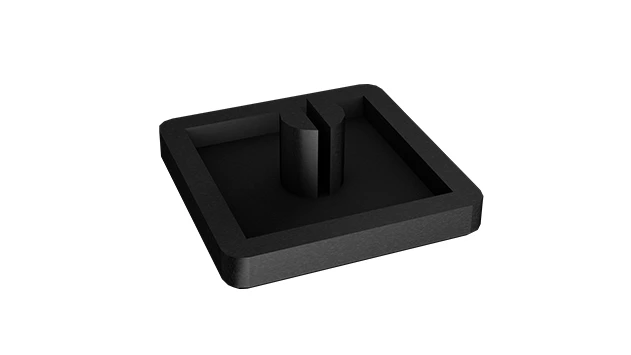
The aluminum profile end cap adds a finishing touch to your project and closes off profile ends to limit dust and debris buildup, also it can avaid some scratch for material and labor during the assemble work.
When you're knee-deep in planning a large-scale project—whether it's building a manufacturing assembly line, setting up a warehouse storage system, or constructing workbenches for a tech startup's production floor—every detail matters. From the heavy-duty aluminum profiles that form the backbone of your structure to the smallest accessories that hold it all together, each component plays a role in ensuring efficiency, safety, and longevity. Today, we're zooming in on one of those unsung heroes: the 2020 aluminum profile end cap . These small but mighty pieces might not grab headlines, but they're critical for protecting edges, enhancing safety, and giving your project a polished, professional finish. If you're tackling a big project, bulk buying these end caps isn't just a convenience—it's a strategic move. Let's dive into why, how, and what to watch for when stocking up.
Why 2020 Aluminum Profile End Caps Matter in Large-Scale Projects
First, let's get clear on what a 2020 aluminum profile is. These profiles are named for their cross-section dimensions: 20mm by 20mm. They're lightweight, strong, and incredibly versatile, making them a go-to choice for everything from machine frames and workbenches to shelving and conveyor systems. But raw aluminum profiles have sharp, unfinished ends—edges that can scratch workers, snag clothing, or collect dust and debris over time. That's where end caps come in.
A 2020 aluminum profile end cap is a small cover designed to fit snugly over the open ends of 2020 profiles. Think of them as the "caps" on a marker—they seal the end, protect the interior, and make the whole thing look neat. In large-scale projects, where you might be using hundreds (or thousands) of 2020 profiles, end caps become non-negotiable for three big reasons:
- Safety First: Sharp edges on exposed profiles are a hazard. In busy factories or warehouses, workers rushing to meet deadlines can easily brush against a profile and get cut. End caps soften these edges, reducing the risk of injuries.
- Durability: Unsealed profile ends are prone to corrosion, especially in humid or industrial environments. End caps act as a barrier, keeping moisture, dust, and chemicals out of the profile's internal channels, which extends the life of your structure.
- Professionalism: A project with exposed, jagged profile ends looks unfinished. End caps give your racks, workbenches, or assembly lines a clean, uniform appearance—important if clients, inspectors, or stakeholders will be on-site.
For large projects, skimping on end caps isn't an option. Even a single uncovered profile end could lead to a safety violation or a damaged reputation. And when you're working with hundreds of profiles, buying end caps one by one is time-consuming, expensive, and risky—run out mid-project, and you could face costly delays. Bulk buying solves all these problems.
The Case for Bulk Buying: Why Stocking Up Makes Sense
If you're managing a large-scale project, you're already thinking in terms of bulk: bulk materials, bulk labor, bulk timelines. End caps should be no different. Here's why ordering in bulk is a smart move:
Cost Savings (Without Sacrificing Quality)
Suppliers love bulk orders, and they reward them with discounts. Buying 10,000 end caps at once will almost always cost less per unit than buying 100 at a time. For example, a single 2020 end cap might cost $0.50 when bought in small batches, but drop to $0.30 or even $0.25 when ordered in bulk. On a project needing 5,000 end caps, that's a savings of $1,000 or more—money that can be reinvested in other areas of the project.
Consistency Across the Board
Large projects demand consistency. Imagine installing a row of 50 workbenches, only to realize the end caps from different batches are slightly different shades of gray. It looks unprofessional, and it can even signal to stakeholders that corners were cut. Bulk buying from a single supplier ensures all your end caps come from the same production run, with matching colors, materials, and dimensions.
Avoiding Project Delays
There's nothing worse than hitting a wall mid-project because you ran out of a critical component. If your team is ready to assemble a section of conveyor track but can't finish because there are no end caps left, work grinds to a halt. Bulk buying ensures you have a buffer stock—enough end caps to keep the project moving even if there are delays in reordering or shipping.
Streamlined Inventory Management
Ordering end caps in bulk means fewer purchase orders, fewer deliveries to coordinate, and fewer invoices to process. Instead of juggling multiple small orders from different suppliers, you can simplify your workflow by relying on one bulk shipment. This saves time for your procurement team and reduces the risk of mix-ups or lost orders.

Key Factors to Consider When Bulk Buying 2020 Aluminum Profile End Caps
Bulk buying isn't just about clicking "add to cart" for the biggest quantity. To get the most value, you need to consider several factors that will impact quality, cost, and suitability for your project. Let's break them down:
Material Quality: Not All End Caps Are Created Equal
End caps are typically made from plastic (like polypropylene or ABS) or rubber. Plastic end caps are rigid, durable, and cost-effective—great for most indoor, low-impact applications. Rubber end caps, on the other hand, are more flexible and shock-absorbent, making them ideal for environments where profiles might be bumped or where noise reduction is a priority (think busy warehouses with forklift traffic).
When bulk buying, ask suppliers about the material grade. Cheaper plastic end caps might crack or warp over time, especially if exposed to extreme temperatures or chemicals. Look for end caps with a high tensile strength and resistance to UV light (if your project is outdoors) or industrial solvents (if indoors). A quick test: squeeze a sample end cap—if it feels flimsy or cracks easily, it's not worth the bulk discount.
Size Compatibility: Measure Twice, Order Once
You'd think "2020 aluminum profile end cap" would be a universal size, but there's a catch: aluminum profiles can have slight variations in their internal dimensions, depending on the manufacturer or extrusion process. A profile labeled "2020" might actually measure 19.8mm x 19.8mm or 20.2mm x 20.2mm. If your end caps are too loose, they'll fall off; too tight, and they'll crack when installed.
Before placing a bulk order, request samples from the supplier. Test them on your actual 2020 profiles to ensure a snug, secure fit. If you're using profiles from multiple suppliers, test end caps on each type—consistency here is key.
Supplier Reliability: Choose a Partner, Not Just a Vendor
When you're ordering in bulk, your supplier's reliability becomes critical. A late shipment or a batch of defective end caps can derail your project. Look for suppliers with a track record of handling large orders—ideally, those who specialize in aluminum profile accessories or work with lean system suppliers (since lean systems heavily use 2020 profiles). Ask for references, check online reviews, and inquire about their quality control processes. Do they inspect each batch before shipping? What's their policy if a shipment arrives with defects? A good supplier will be transparent and proactive about addressing issues.
Customization Options: Tailoring End Caps to Your Project
Standard black or white end caps work for most projects, but sometimes you need something specific. Maybe you want end caps in your company's brand color to match workbenches, or you need anti-static end caps for an electronics manufacturing line. Some suppliers offer custom colors, logos, or even materials (like conductive plastic for ESD-sensitive environments). If customization is important, ask about minimum order quantities for custom runs—bulk orders often unlock these options at a reasonable cost.
Lead Times and Logistics: Plan for the Long Haul
Bulk orders take time to produce and ship. A supplier might quote a 2-week lead time for 1,000 end caps but 4–6 weeks for 10,000. Factor this into your project timeline. If you're on a tight deadline, ask about expedited shipping options (though this will add to the cost). Also, consider storage: where will you keep thousands of end caps? Make sure you have space to store them safely (away from moisture, heat, or heavy objects that could crush them).

Types of 2020 Aluminum Profile End Caps: Which One Fits Your Project?
Not all 2020 end caps are the same. Depending on your project's needs, you might opt for one of these common types:
Standard End Caps: The Workhorse
These are the most common type—simple, rigid plastic caps designed to snap or press-fit onto 2020 profiles. They're available in basic colors (black, white, gray) and are ideal for general-purpose use, like shelving, workbenches, or non-critical structural components. They're affordable and widely available, making them a safe bet for bulk orders.
Rubberized End Caps: For Extra Protection
These end caps have a soft rubber insert or are made entirely of rubber, which provides better grip, shock absorption, and noise reduction. They're perfect for high-traffic areas, like conveyor systems where profiles might be bumped by carts, or in environments where workers frequently lean against or handle profiles (e.g., assembly lines). Some rubberized end caps also include an aluminum profile rubber strip along the edge for a tighter seal against dust and moisture.
Ventilated End Caps: For Heat or Airflow
In projects where profiles house wiring or machinery that generates heat (like LED lighting systems or small motors), ventilated end caps have tiny holes to allow airflow and prevent overheating. These are less common but essential for specific applications. If you need them, check with suppliers who specialize in industrial aluminum accessories.
Top Suppliers for Bulk 2020 Aluminum Profile End Caps: A Comparison
To help you start your search, here's a comparison of hypothetical top suppliers (based on industry trends) for bulk 2020 aluminum profile end caps. Remember, always request quotes and samples before committing!
| Supplier | Minimum Order Quantity | Price Per Unit (Bulk) | Lead Time | Customization Options | Quality Control |
|---|---|---|---|---|---|
| AluPro Solutions | 5,000 units | $0.25–$0.35 | 2–3 weeks | Custom colors, logos (MOQ 10,000) | 100% batch inspection |
| LeanLine Accessories | 3,000 units | $0.30–$0.40 | 1–2 weeks | Anti-static, ESD options | Random sampling (5% per batch) |
| ProfilEdge Supply | 10,000 units | $0.20–$0.30 | 4–5 weeks | Full material customization (rubber, plastic, conductive) | ISO 9001 certified |
| FastCap Industries | 2,000 units | $0.35–$0.50 | 3–4 weeks | None (standard only) | Basic visual inspection |
Pairing End Caps with Other Aluminum Profile Accessories
End caps rarely work alone. To get the most out of your 2020 profiles, consider bulk buying these complementary aluminum profile accessories at the same time:
Aluminum Profile Rubber Strips
As mentioned earlier, aluminum profile rubber strip can be inserted into end caps or along the edges of profiles to create a tighter seal, reduce noise, or add grip. They're especially useful in environments where profiles are exposed to moisture or where a non-slip surface is needed (e.g., workbench edges).
Corner Brackets and Connectors
These hold 2020 profiles together at angles, forming the joints of your structure. Bulk buying brackets and connectors along with end caps ensures you have all the "glue" needed to assemble your project without delays.
T-Slot Nuts and Bolts
T-slot nuts fit into the grooves of aluminum profiles, allowing you to attach shelves, panels, or other components. They're small, easy to misplace, and essential for assembly—so stock up!
Panel Inserts
If your project includes workbenches or enclosures, panel inserts (like plywood or aluminum sheets) fit into the T-slots of profiles. Pairing these with end caps gives your structure a finished, enclosed look.
Pro Tip: Many suppliers offer "kit" discounts when you buy end caps, brackets, nuts, and other accessories together. Ask about bundle pricing to save even more on bulk orders.
Common Mistakes to Avoid When Bulk Buying
Bulk buying end caps is straightforward, but there are pitfalls to watch for. Here are the most common mistakes and how to steer clear:
Mistake #1: Assuming "2020" Means One Size Fits All
As we covered earlier, profile dimensions can vary. Don't skip the sample testing step—even if a supplier swears their end caps fit "all 2020 profiles." Test, test, test!
Mistake #2: Focusing Only on Price
The cheapest end caps might save you money upfront, but if they crack or fall off, you'll end up replacing them—and losing time and labor in the process. Balance cost with quality; a slightly higher per-unit price for durable end caps is often worth it.
Mistake #3: Overlooking Storage
Bulk orders mean lots of end caps. Storing them in a damp garage or under heavy boxes can damage them (e.g., warping plastic or degrading rubber). Invest in sealed bins or shelves to keep them dry and organized.
Mistake #4: Ignoring Lead Times
Don't wait until you're halfway through assembly to order end caps. Give yourself a buffer—order bulk end caps 4–6 weeks before you'll need them to account for production and shipping delays.
Mistake #5: Forgetting After-Sales Support
What if a batch of end caps arrives cracked? A good supplier will replace them quickly, no questions asked. Avoid suppliers with vague return policies or unresponsive customer service.
Case Study: How Bulk Buying End Caps Saved a Manufacturing Project
Let's look at a real-world example. A mid-sized automotive parts manufacturer was building a new assembly line with over 2,000 2020 aluminum profiles. Initially, the procurement team ordered end caps in small batches from three different suppliers to "save time." But here's what happened:
- End caps from Supplier A were too loose and kept falling off during assembly.
- Supplier B's end caps were the right size but arrived in mismatched shades of gray, making the line look unprofessional.
- Supplier C delayed their shipment by a week, halting assembly of the final section of the line.
Frustrated, the team switched to a bulk order of 5,000 end caps from a single aluminum profile supplier that specialized in supporting lean manufacturing systems. They tested samples first, negotiated a 15% bulk discount, and scheduled delivery 6 weeks before assembly started. The result? Consistent, high-quality end caps that fit perfectly, no delays, and a finished line that looked polished and professional. The bulk order cost less than the combined small batches, and the team avoided costly downtime.
Final Thoughts: Bulk Buying as a Project Success Strategy
Bulk buying 2020 aluminum profile end caps isn't just about stocking up on a small part—it's about setting your large-scale project up for success. By prioritizing quality, supplier reliability, and careful planning, you'll save money, reduce risks, and ensure your project stays on track. Remember, the best end caps are the ones you don't notice—they just work, day in and day out, protecting your team, your equipment, and your reputation.
So, whether you're building a warehouse, a factory line, or a fleet of workbenches, take the time to research suppliers, test samples, and plan your bulk order. Your future self (and your project timeline) will thank you.