- Company Articles
- Products and Technology
- Procurement Guidelines
- Buying Guide: Choosing the Right Vertical Lean Pipe Joint Chrome for Your Workbench

Buying Guide: Choosing the Right Vertical Lean Pipe Joint Chrome for Your Workbench
Related Product
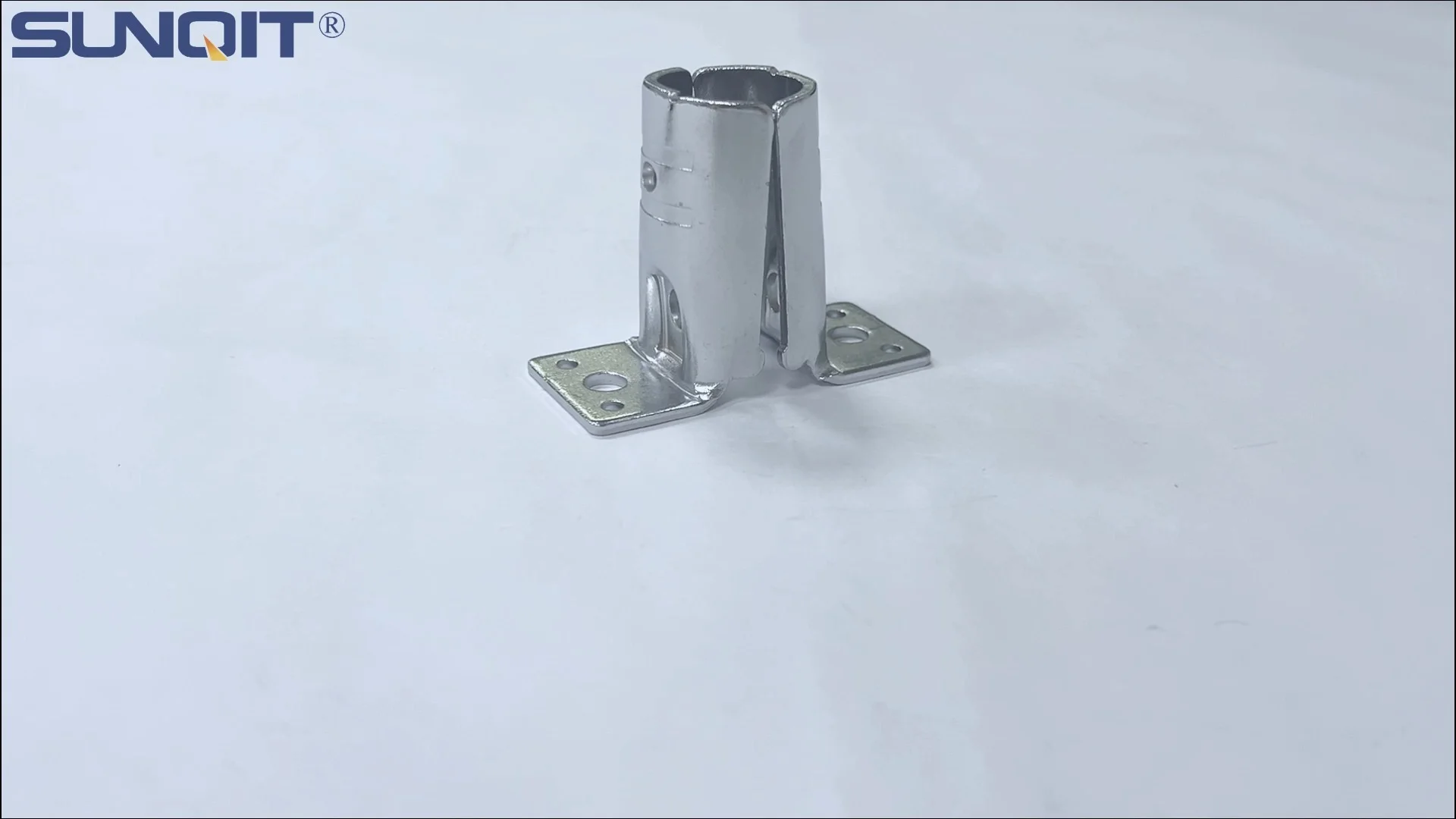
Vertical Lean Pipe Joint Chrome
Vertical lean pipe joint is used for 28mm lean pipe fixed on ground and keep it stable.
Introduction: Why the Right Joint Matters More Than You Think
Setting up a workshop or production line is like solving a puzzle—every piece needs to fit perfectly to create a smooth, efficient system. And if there's one "puzzle piece" that often gets overlooked but holds everything together, it's the vertical lean pipe joint chrome. You might be thinking, "It's just a joint—how important can it be?" Well, imagine building a house with weak nails: sure, the walls might stand for a while, but eventually, the whole structure could wobble, creak, or even collapse. The same goes for your lean pipe workbench. A flimsy or ill-fitting joint can turn a productive workspace into a frustrating, unsafe mess, slowing down tasks and risking damage to tools or materials.
In this guide, we're going to dive deep into the world of vertical lean pipe joint chrome. We'll break down what makes these joints unique, how to spot a quality one, and why compatibility with your lean pipe, aluminum profile, and even caster wheels matters. By the end, you'll feel confident choosing a joint that doesn't just "work" but elevates your entire setup—making your workbench sturdier, more adaptable, and built to last. Let's get started.
What Exactly Is a Vertical Lean Pipe Joint Chrome?
First things first: let's clarify what we're talking about. A vertical lean pipe joint chrome is a small but mighty component designed to connect lean pipes (those metal tubes you see in workbenches, racks, and production lines) at vertical angles. Unlike horizontal joints, which link pipes side-by-side, vertical joints are the "backbone" of vertical structures—think the legs of a workbench, the uprights of a material rack, or the supports of a conveyor system. They're the reason your workbench doesn't topple over when you stack heavy tools on it, or why a mobile trolley stays stable even when rolling over uneven floors.
The "chrome" in the name refers to the plating on the joint's surface. Chrome plating isn't just for shine (though it does look sleek); it adds a layer of protection against rust, corrosion, and wear. This is a big deal if your workspace is humid, dusty, or exposed to liquids—common scenarios in manufacturing, garages, or even busy home workshops. Without that chrome coating, a plain steel joint might start rusting within months, weakening its grip and leaving unsightly stains on your pipes.
But here's the thing: not all vertical lean pipe joints are created equal. Some are made for light-duty tasks, others for heavy loads. Some fit only specific pipe sizes, while others are more versatile. And yes, the quality of the chrome plating varies too—cheap joints might have thin, uneven plating that chips off after a few uses. So, to find the right one, you need to look beyond the label and understand what makes a joint reliable.

Key Factors to Consider Before Buying
1. Load Capacity: How Much Weight Will It Actually Support?
This is the first question you should ask: How much weight does my workbench need to hold? If you're using it for small electronics assembly, a lightweight joint might suffice. But if you're working with power tools, metal parts, or stacks of materials, you need a joint that can handle serious weight without bending or breaking.
Most manufacturers list load capacity in kilograms (kg) or pounds (lbs). For example, a standard vertical lean pipe joint chrome might support 50-100kg, while heavy-duty versions can go up to 200kg or more. But here's a pro tip: always aim for a joint with a load capacity higher than your expected maximum weight . Why? Because "maximum load" often refers to static weight (something sitting still), but in real life, you'll be moving things around—sliding parts onto the workbench, leaning on it, or even accidentally bumping into it. Dynamic loads (moving weight) put extra stress on joints, so a buffer is essential. For instance, if you think you'll max out at 80kg, choose a joint rated for 120kg or more.
To check load capacity, look for test reports or certifications from the manufacturer. Reputable suppliers will provide clear, third-party-tested numbers. Avoid vague claims like "heavy-duty" without specifics—those are red flags.
2. Compatibility: Does It Fit Your Lean Pipe and Aluminum Profile?
Imagine buying a new phone charger only to realize it doesn't fit your phone—annoying, right? The same frustration happens with lean pipe joints that don't match your existing setup. Lean pipes come in standard sizes, usually 28mm (the most common) or 30mm in diameter. Vertical joints are designed for specific pipe sizes, so always check the diameter compatibility first . A 28mm joint won't grip a 30mm pipe properly, and vice versa—leading to a loose, wobbly connection.
But it's not just about pipe size. If your workbench uses aluminum profile (a popular choice for its lightweight strength), you'll need a joint that plays nice with those too. Aluminum profiles have T-slots or grooves that some joints are designed to attach to, while others might require adapters. For example, if your workbench frame is made of 4040 aluminum profile, a joint with a flat base or T-slot connector will secure more tightly than one with a round base. Don't assume "one size fits all"—ask the supplier if the joint is compatible with both your lean pipe and aluminum profile before buying.
3. Chrome Plating Quality: Rust Resistance Matters
The "chrome" in vertical lean pipe joint chrome isn't just for aesthetics—it's a protective barrier. Chrome plating prevents rust and corrosion, which is crucial if your workspace is humid (like a garage), has exposure to liquids (like a workshop with coolant), or is in a dusty environment (where moisture and dirt can mix and eat away at metal). But not all chrome plating is the same. High-quality plating is thick (at least 0.005mm), evenly applied, and has a smooth, mirror-like finish. Cheap plating, on the other hand, might be thin, patchy, or have bubbles—signs that it will chip or peel over time, leaving the underlying metal exposed to rust.
How can you spot good plating? Look for a consistent color and shine. Run your finger over the joint—if it feels rough or has bumps, the plating is likely low-quality. Also, check for any signs of oxidation (tarnishing) or discoloration, which could mean the plating was applied incorrectly. Reputable suppliers will often specify the plating thickness in their product descriptions, so keep an eye out for that detail.
4. Ease of Assembly: Save Time (and Sanity) During Setup
Unless you're a professional installer, you don't want to spend hours wrestling with a joint that requires special tools or complicated steps. The best vertical lean pipe joint chrome designs are user-friendly: they might use set screws, quick-release levers, or snap-on mechanisms that let you assemble and disassemble the workbench without a hassle. For example, joints with hex key screws are common—they're secure but easy to tighten with a basic Allen wrench. Avoid joints that need welding, drilling, or proprietary tools; those add unnecessary time and cost.
Another thing to consider: adjustability. Can you rotate the joint slightly if your pipes aren't perfectly aligned? Some joints have slotted holes or swivel bases that allow for minor adjustments, which is a lifesaver if your workspace isn't perfectly level or your measurements are off by a few millimeters. Flexibility here can turn a frustrating setup into a quick, smooth process.
5. Durability: Will It Last Through Daily Wear and Tear?
A joint might look tough, but how does it hold up over time? Durability depends on two main factors: the base material and the construction. Most vertical lean pipe joints are made of steel (for strength) with chrome plating (for rust resistance). But not all steel is the same—look for high-carbon steel or alloy steel, which are stronger and more resistant to bending than low-grade steel. You can test this by gently pressing on the joint with your thumb; it shouldn't dent or flex easily.
Also, check the design of the joint itself. Does it have reinforced corners or thicker walls at stress points (like where the pipe inserts)? These details prevent cracking under pressure. For example, a joint with a single weld might be weaker than one with double welding or a one-piece forged design. Forged joints are generally stronger because they're shaped under heat and pressure, creating a denser, more uniform structure.

Comparing Vertical Lean Pipe Joint Chrome Types: Which One Is Right for You?
Now that you know what to look for, let's compare some common types of vertical lean pipe joints. This table will help you weigh the pros and cons based on your needs:
| Joint Type | Load Capacity | Best For | Pros | Cons |
|---|---|---|---|---|
| Standard Vertical Chrome Joint | 50-100kg | Light to medium-duty workbenches, small parts assembly | Affordable, easy to find, fits most 28mm lean pipes | Not ideal for heavy loads; chrome plating may be thin on budget models |
| Heavy-Duty Vertical Chrome Joint | 150-200kg+ | Industrial workbenches, material racks, tool storage | High load capacity, thick steel construction, durable plating | More expensive; bulkier design may limit adjustability |
| Swivel Vertical Chrome Joint | 80-120kg | Workbenches needing angle adjustments, mobile trolleys | 360° rotation for flexible setup, compatible with caster wheels | Lower load capacity than fixed heavy-duty joints; moving parts may wear over time |
| Aluminum-Compatible Vertical Chrome Joint | 100-150kg | Workbenches with aluminum profile frames, hybrid setups | Fits both lean pipe and aluminum profile, lightweight yet strong | More expensive than standard steel joints; limited to specific aluminum profile sizes |
As you can see, each type has its niche. For most home workshops or small production lines, a standard or aluminum-compatible joint will do. If you're in a factory setting with heavy tools, go heavy-duty. And if you need to reconfigure your workbench often, a swivel joint adds that extra flexibility.
Compatibility with Other Components: Caster Wheels, Workbenches, and More
Your vertical lean pipe joint chrome doesn't exist in a vacuum—it's part of a larger system. Let's talk about how it interacts with other key components:
Lean Pipe Workbench: The Foundation
The joint's job is to connect the vertical pipes that support your workbench's tabletop. If the joint is loose or misaligned, the tabletop will wobble, making tasks like cutting, drilling, or assembling parts nearly impossible. To ensure compatibility, check that the joint's height matches the pipe length and that the tabletop mounting holes align with the joint's top plate (if applicable). Some workbenches use a "frameless" design, where the joint connects directly to the tabletop via brackets—make sure the joint has pre-drilled holes or slots for those brackets.
Caster Wheels: For Mobile Workbenches
If your workbench has caster wheels (to move it around the workshop), the vertical joints take on extra responsibility. They need to absorb the vibrations and shocks from rolling over floors, as well as the weight shift when the bench is moved. In this case, choose a joint with a reinforced base that attaches securely to the caster mounting plate. Swivel vertical joints can also help here, as they allow the bench to tilt slightly without stressing the pipes—reducing the risk of cracks or bent joints over time.
Aluminum Profile: For Lightweight, Modern Setups
Aluminum profile is popular for its lightweight, corrosion-resistant properties, often used in combination with lean pipe for a hybrid workbench. If you're mixing materials, look for a vertical lean pipe joint chrome with a T-slot adapter or flat base that fits the aluminum profile's grooves. For example, 4040 aluminum profile has standard T-slot sizes, so a joint with a matching T-bolt or slider will lock in securely. Avoid forcing a steel joint onto aluminum profile—it may scratch the aluminum or create a loose fit.
Installation Tips: How to Get the Most Out of Your Joint
Even the best vertical lean pipe joint chrome won't perform well if installed incorrectly. Follow these steps for a rock-solid setup:
- Clean the pipes first: Dust, oil, or rust on the lean pipe can prevent the joint from gripping tightly. Wipe the pipes with a degreaser or alcohol pad before assembly.
- Use the right tools: For set screws, use a high-quality Allen wrench (not a cheap one that strips). For tight fits, a rubber mallet can gently tap the pipe into the joint—avoid hammers, which can damage the chrome plating.
- Tighten evenly: If the joint has multiple screws (e.g., two set screws opposite each other), tighten them a little at a time, alternating sides. This ensures even pressure and prevents the pipe from bending.
- Check for wobble: After assembly, shake the workbench gently. If there's movement, recheck the joint tightness. A properly installed joint should feel solid, with no play.
- Add thread locker (optional): For permanent setups, apply a small amount of thread locker (like Loctite) to the set screws. This prevents them from loosening due to vibration over time.
Maintenance: Keeping Your Joints in Top Shape
A little maintenance goes a long way in extending the life of your vertical lean pipe joint chrome. Here's how to care for them:
- Clean regularly: Wipe the joints with a dry cloth to remove dust and debris. For greasy or dirty joints, use a mild soap and water solution, then dry thoroughly to prevent water spots on the chrome.
- Inspect for damage: Every few months, check for loose screws, chipped chrome, or bending. Tighten screws as needed, and replace any joint with visible cracks or plating damage—don't wait for it to fail.
- Lubricate moving parts: If you have swivel joints, apply a drop of machine oil to the rotation points once a year to keep them moving smoothly.
- Protect from harsh environments: If your workspace is humid or exposed to chemicals, consider adding a clear coat of protective spray (like automotive wax) to the chrome plating for extra corrosion resistance.
Common Mistakes to Avoid
Even with the best intentions, it's easy to make missteps when buying vertical lean pipe joints. Here are the top mistakes to steer clear of:
Mistake #1: Choosing the Cheapest Option
It's tempting to save money, but cheap joints often mean thin steel, poor chrome plating, and untested load capacities. You'll end up replacing them sooner, costing more in the long run. Invest in mid-range or reputable brands—your workbench (and sanity) will thank you.
Mistake #2: Ignoring Compatibility with Caster Wheels
If your workbench moves, the joints and casters work as a team. A heavy workbench with weak joints and strong casters is a disaster waiting to happen—the casters can handle the movement, but the joints will buckle under stress. Always match joint strength to caster capacity.
Mistake #3: Overlooking Environmental Factors
A joint that works in a dry workshop might rust quickly in a garage with high humidity. If you're in a harsh environment, prioritize joints with thick chrome plating or even stainless steel components (though these cost more).
Conclusion: Invest in Quality, Reap the Rewards
Choosing the right vertical lean pipe joint chrome isn't just about buying a part—it's about investing in the efficiency, safety, and longevity of your workspace. By focusing on load capacity, compatibility, chrome quality, and durability, you'll find a joint that turns your lean pipe workbench into a reliable, productive hub. Remember, the best joint is the one that fits your specific needs—whether that's a lightweight standard joint for small tasks or a heavy-duty beast for industrial work.
So, take your time, ask suppliers questions, and don't settle for "good enough." Your workbench is where ideas become reality—give it the strong, steady support it deserves. With the right vertical lean pipe joint chrome, you'll build a setup that not only works today but grows with you tomorrow.