- Company Articles
- Products and Technology
- Procurement Guidelines
- Buying Guide: How to Choose Quality One Way Rotatory Straight Lean Pipe Joint Chrome

Buying Guide: How to Choose Quality One Way Rotatory Straight Lean Pipe Joint Chrome
Related Product
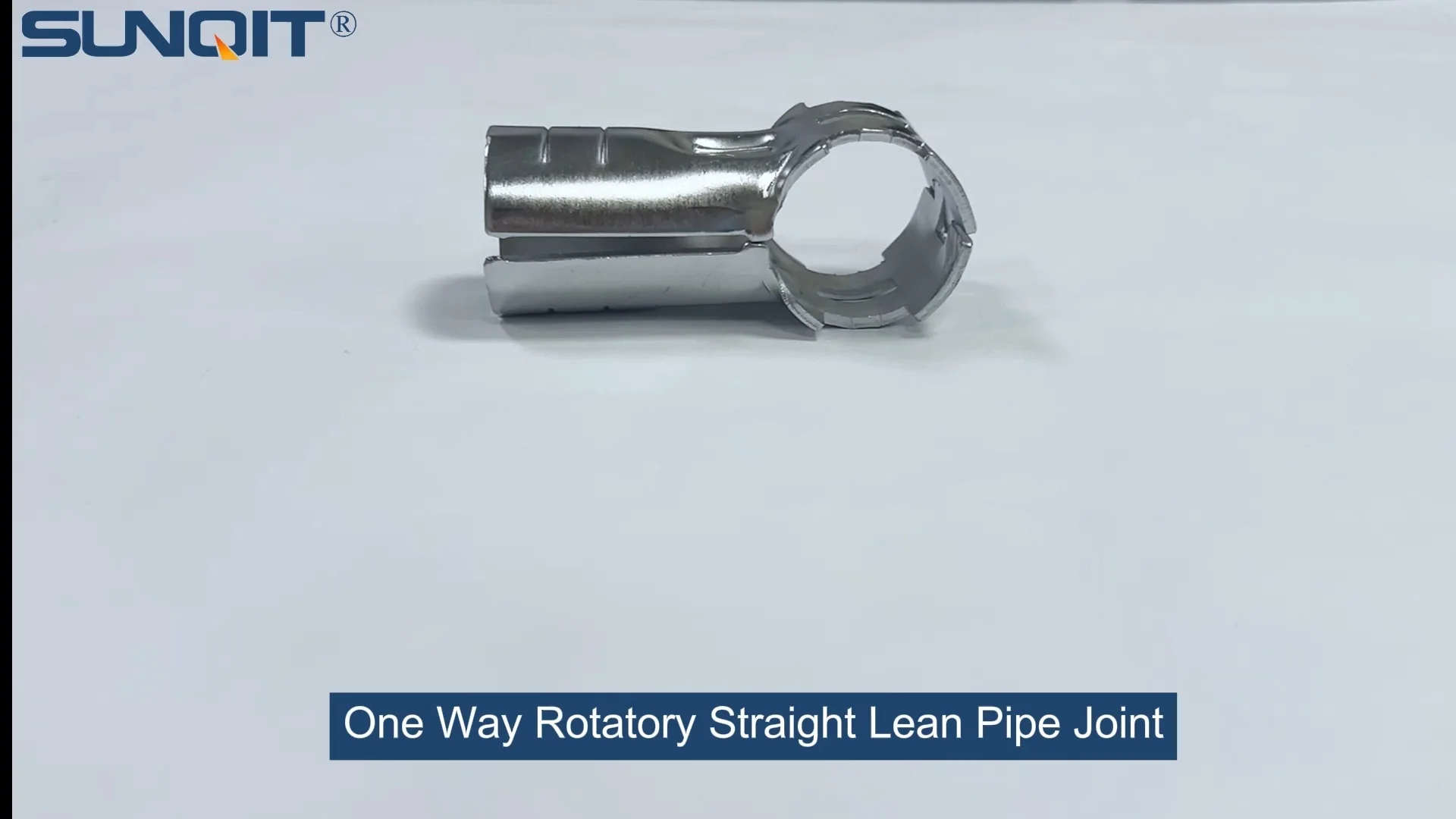
One Way Rotatory Straight Lean Pipe Joint Chrome
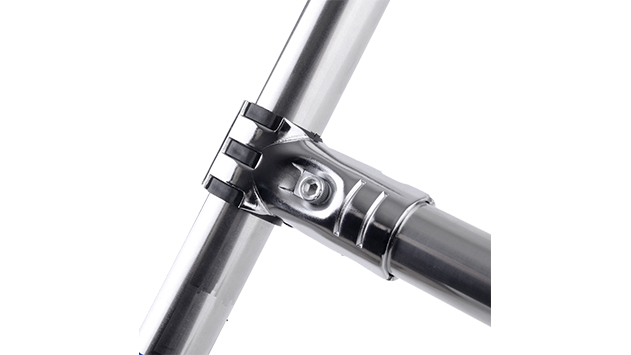
Two way lean pipe joint for 2 pcs 28MM lean pipe connection in straight angle with rotatory fucntion, which used widely in workbench, flow rack, hand trolley frame connection.
Picture this: A bustling electronics assembly line where workers reach for components without pause, a warehouse where boxes glide smoothly from shelving to shipping, a workshop where tools stay precisely where they're needed. What ties all these scenes together? It's not the flashy machinery or the high-tech software—it's the unsung heroes of lean systems: the joints that hold everything in place. Today, we're zeroing in on one such hero: the one way rotatory straight lean pipe joint chrome. These small but mighty components are the backbone of efficient workflows, and choosing the right one can mean the difference between a seamless operation and a frustrating, stop-and-start mess. Whether you're building a flow rack, assembling a workbench, or revamping your entire lean system, this guide will walk you through how to pick a joint that doesn't just connect pipes—it strengthens your entire process.
What Even Is a One Way Rotatory Straight Lean Pipe Joint Chrome?
Let's start with the basics. A one way rotatory straight lean pipe joint chrome is exactly what it sounds like: a connector designed to link lean pipes (those versatile tubes used in lean manufacturing setups) while allowing controlled, one-directional rotation. Think of it as a hinge with a purpose—instead of swinging freely, it rotates in a single arc (usually 180 degrees or less) and locks into position, letting you adjust angles for material flow, workbench height, or shelf positioning without compromising stability.
The "chrome" in the name isn't just for show, either. That shiny coating is a protective layer that adds durability and resistance to wear, making these joints ideal for busy factories, warehouses, and workshops where daily use can take a toll. And while they're called "straight," don't let the name fool you—their design allows for flexibility, making them a staple in everything from simple workbenches to complex flow racks.
Why Chrome? The Hidden Benefits of That Shiny Coating
You might be wondering: Why chrome? Can't I just use a plain steel joint? Let's break it down. Chrome plating isn't just about aesthetics (though that sleek silver finish does make workspaces look more professional). It's a functional choice with three key benefits:
- Corrosion Resistance: Factories and warehouses are often humid, dusty, or exposed to spills. Chrome acts as a barrier, preventing rust and degradation that could weaken the joint over time. Imagine a food processing plant where moisture is constant—without chrome, a steel joint might start rusting within months, leading to wobbly shelving or stuck rotation.
- Durability: Chrome is hard. Like, really hard. It resists scratches, dents, and the wear and tear of daily rotation. When workers adjust a flow rack's angle for the hundredth time in a week, a chrome-plated joint won't show signs of damage, ensuring consistent performance for years.
- Low Maintenance: Unlike painted or uncoated joints, chrome doesn't need frequent touch-ups. A quick wipe with a dry cloth removes dust and grime, keeping it looking and working like new. No special cleaners, no repainting—just reliable performance with minimal effort.
5 Key Factors to Consider Before You Buy
Not all one way rotatory straight lean pipe joints chrome are created equal. To avoid ending up with a joint that sticks, bends, or fails when you need it most, keep these five factors in mind:
1. Material Quality: It's What's Inside That Counts
Chrome plating is only as good as the material underneath. A low-quality joint might use thin, brittle steel that bends under pressure, even with a chrome coating. Ask suppliers about the base material—look for high-carbon steel or alloy steel, which offer the strength needed to support the weight of flow racks loaded with products or workbenches cluttered with tools. Check the thickness of the metal, too: joints with walls thinner than 2mm are more likely to warp over time. A reputable lean pipe supplier will happily share material specs—if they hesitate, that's a red flag.
2. Rotational Mechanism: Smooth as Butter, Stable as a Rock
The whole point of a "rotatory" joint is to rotate smoothly—so test it before you buy. A quality joint should turn with minimal effort, no jerks or sticking, and lock firmly into position when you stop. Look for joints with precision-engineered internal components: ball bearings reduce friction, while nylon or metal stops prevent over-rotation. Avoid joints that feel "gritty" when turned—this often means poor lubrication or cheap internal parts that will wear out quickly. In a busy workshop, a sticking joint isn't just annoying; it can slow down tasks as workers struggle to adjust shelves or material flow.
3. Compatibility: It Needs to Play Well with Others
Your joint won't work alone—it needs to connect with lean pipes, accessories, and other components in your lean system. Most lean pipes come in standard diameters (28mm, 30mm, or 40mm), so check that the joint's inner diameter matches your pipes. A loose fit leads to wobbly structures, while a tight fit might require force to assemble, damaging the pipe or joint. Also, consider compatibility with lean pipe and accessories like brackets, clamps, or shelf holders. A joint that works with your existing setup saves time and money—no need to replace perfectly good pipes or tools because the joint doesn't fit.
4. Load Capacity: Don't Skimp on Strength
How much weight will your joint actually hold? If you're building a flow rack for small electronics components, a lightweight joint might suffice. But if you're using it in a workbench where workers set heavy machinery, or a flow rack stacked with metal parts, you need a joint rated for higher loads. Suppliers should list load capacities (usually in kilograms or pounds) for both static (stationary) and dynamic (moving) weight. As a rule of thumb, choose a joint with a load rating 20% higher than your expected maximum weight—this buffer prevents strain and extends the joint's lifespan.
5. Supplier Reliability: Trust the Experts
Finally, the best joint in the world is useless if it arrives late, damaged, or doesn't meet the specs. That's why choosing a reputable lean pipe supplier matters. Look for suppliers with a track record: read reviews, ask for references, and check if they offer samples (so you can test the joint before bulk ordering). A good supplier will also provide clear documentation—material certificates, load test reports, and warranty information. Avoid "too good to be true" prices from unknown suppliers; they often cut corners on material quality or skip quality control, leaving you with joints that fail when you need them most.

Low-Quality vs. High-Quality: A Quick Comparison
Still unsure what to look for? Use this table to spot the difference between a joint that lasts and one that lets you down:
| Feature | Low-Quality Joint | High-Quality Joint | Impact on Your Lean System |
|---|---|---|---|
| Chrome Coating | Thin, uneven, or easily chipped | Thick (≥0.001mm), uniform, scratch-resistant | Low-quality coating rusts quickly, leading to joint failure in humid environments. |
| Rotational Smoothness | Jerky, sticks, or requires force to turn | Smooth, consistent rotation with minimal effort | Sticky joints slow down workflow adjustments, frustrating workers and reducing efficiency. |
| Material Thickness | <1.5mm wall thickness | ≥2mm wall thickness (high-carbon steel) | Thin material bends under load, causing sagging shelves or unstable workbenches. |
| Load Rating | Unlisted or vague ("heavy-duty" with no numbers) | Clearly stated (e.g., "150kg static load, 100kg dynamic load") | Unknown load ratings risk overloading, leading to collapsed racks or damaged products. |
| Supplier Support | No samples, no warranty, slow response times | Free samples, 12+ month warranty, dedicated customer service | Poor support leaves you stuck with defective joints, costing time and money to replace. |
3 Common Mistakes to Avoid (So You Don't Waste Money)
Even with the best intentions, it's easy to make missteps when buying lean pipe joints. Here are three pitfalls to steer clear of:
Mistake #1: Choosing Based on Price Alone
We get it—budgets are tight. But a $2 joint might cost you $200 later when it fails. Low-priced joints often use cheap materials, thin chrome plating, and shoddy internal parts. Instead of focusing on the lowest cost, calculate the total value: a high-quality joint that lasts 5 years costs less in the long run than replacing a cheap one every 6 months.
Mistake #2: Ignoring Compatibility with Your Existing Setup
You find a great deal on joints, order 50, and then realize they're 2mm too small for your pipes. Ouch. Always measure your pipes and check joint specs before ordering. If you're unsure, ask the supplier for a compatibility chart or send them a photo of your pipes—most are happy to help you avoid this costly mistake.
Mistake #3: Overlooking After-Sales Support
A supplier might promise the moon, but what happens if a batch of joints arrives damaged or doesn't work as advertised? A good lean pipe supplier stands behind their products with warranties, returns, and responsive customer service. Avoid suppliers who don't offer these—you'll regret it when you need help.
Where You'll Actually Use These Joints (Spoiler: Everywhere)
One way rotatory straight lean pipe joints chrome aren't just for factories—they're versatile enough to boost efficiency in almost any workspace. Here are a few common applications where they shine:
Flow Racks: Keeping Materials Moving
Flow racks rely on gravity to move materials from the back to the front, making picking faster and easier. These joints let you adjust the rack's angle to control flow speed—steeper for heavy boxes, gentler for fragile items. A smooth-rotating, chrome-plated joint ensures the angle stays consistent, so materials glide without jamming.
Workbenches: Adaptable to Any Task
Workbenches need to adapt. One day, a worker might need a flat surface for assembly; the next, a tilted shelf for tools. These joints let you rotate shelves, tool holders, or bins into the perfect position, reducing strain and keeping tools within arm's reach. In a workshop, this adaptability turns a static bench into a dynamic workspace that grows with your needs.
Lean Systems: The Backbone of Continuous Improvement
Lean systems thrive on flexibility—they need to evolve as processes improve. These joints make reconfiguration easy: rearrange flow racks, adjust workbench heights, or repurpose structures without replacing entire systems. In a lean environment, where "kaizen" (continuous improvement) is key, a joint that lets you tweak and refine processes saves time and encourages innovation.
Pro Tips: Keeping Your Joints in Top Shape
Even the best joints need a little care to last. Follow these simple maintenance tips to extend their lifespan:
- Clean Regularly: Wipe joints with a dry microfiber cloth weekly to remove dust and debris. For greasy or oily environments, use a mild degreaser (avoid harsh chemicals that can damage chrome).
- Lubricate Sparingly: If rotation starts to feel stiff, apply a drop of lightweight machine oil to the rotational mechanism. Too much oil attracts dust, so a little goes a long way.
- Inspect Monthly: Check for loose screws, chipped chrome, or signs of bending. Tighten screws as needed, and replace any joint that shows damage—catching issues early prevents bigger problems later.
- Avoid Overloading: Stick to the joint's load rating. Even high-quality joints will fail if pushed beyond their limits, so label racks or workbenches with weight limits to keep everyone informed.
Final Thoughts: Invest in the Joints That Invest in Your Success
At the end of the day, a one way rotatory straight lean pipe joint chrome is more than a piece of metal—it's an investment in your team's efficiency, your workspace's safety, and your bottom line. By choosing a high-quality joint with the right material, rotational smoothness, and compatibility, you're not just building structures—you're building a lean system that adapts, grows, and thrives.
So, the next time you're shopping for lean pipe and accessories, don't overlook these small but powerful components. Ask questions, test samples, and choose a lean pipe supplier you trust. Your workers will thank you for the smooth rotations, your warehouse will thank you for the steady flow, and your bottom line will thank you for the long-term savings. After all, in lean systems, the smallest parts often make the biggest difference.