- Company Articles
- Products and Technology
- Procurement Guidelines
- Buying Guide: How to Choose the Right 2040 Aluminum Profile End Cap

Buying Guide: How to Choose the Right 2040 Aluminum Profile End Cap
Related Product
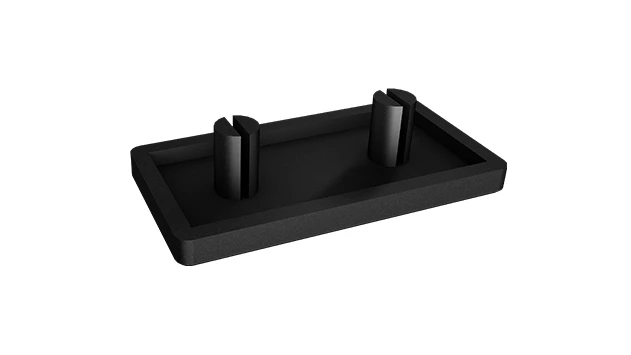
2040 Aluminum Profile End Cap
The aluminum profile end cap adds a finishing touch to your project and closes off profile ends to limit dust and debris buildup, also it can avaid some scratch for material and labor during the assemble work.
If you've ever worked with aluminum extrusion profiles, you know that the smallest details often make the biggest difference in a project's success. Take the 2040 aluminum profile, for example—a staple in workshops, factories, and DIY garages worldwide. It's versatile, strong, and perfect for building everything from workbenches to machine frames. But here's the thing: even the most well-designed aluminum extrusion project can feel incomplete without the right finishing touches. That's where the 2040 aluminum profile end cap comes in. It's not just a "nice-to-have" accessory; it's a critical component that impacts safety, durability, and aesthetics. In this guide, we'll walk you through everything you need to know to choose the perfect end cap for your 2040 aluminum profile, whether you're a seasoned manufacturer or a weekend hobbyist.
Why 2040 Aluminum Profile End Caps Matter More Than You Think
Before diving into the specifics of choosing an end cap, let's start with the basics: why does this small piece of hardware even matter? At first glance, an end cap might seem like a trivial addition—after all, it's just covering the open end of a metal profile. But anyone who's spent time around aluminum extrusion projects will tell you otherwise. Here are the key reasons end caps deserve your attention:
Safety First: No More Sharp Edges
Aluminum extrusion profiles are cut to length during fabrication, leaving raw, often sharp edges at the ends. These edges aren't just uncomfortable to touch—they're a legitimate safety hazard. Imagine a warehouse worker brushing against an exposed profile end while moving materials, or a child in a maker space accidentally grazing a sharp edge. End caps eliminate this risk by smoothing out those rough surfaces, turning a potential injury point into a harmless, rounded finish.
Protection Against the Elements (and Debris)
Aluminum profiles are durable, but their hollow interiors are surprisingly vulnerable. Without an end cap, dust, dirt, and moisture can seep into the profile's channels over time. In industrial settings, this might mean metal shavings or coolant getting trapped inside, leading to corrosion or blockages in T-slots (which are crucial for attaching accessories like brackets or panels). For outdoor projects, rain and humidity can accelerate wear, weakening the profile's structural integrity. A well-fitted end cap acts as a barrier, keeping the inside of the profile clean and dry.
Aesthetics: Polishing the "Unfinished" Look
Let's be honest: exposed profile ends look unprofessional. Whether you're building a retail display, a lab workstation, or a home garage setup, the little details like clean, capped ends signal quality and attention to craftsmanship. Think of it like painting a room—you wouldn't leave the edges of the walls untrimmed, right? End caps do the same for aluminum profiles, giving your project a polished, intentional look that stands out.
Preserving Functionality of T-Slots
Many 2040 aluminum profiles feature T-slots along their length, which are used to attach everything from shelves to machinery. If debris or moisture gets into these slots (via the open end of the profile), it can jam the slots or corrode the aluminum, making it harder to insert bolts, nuts, or other aluminum profile accessories later. End caps help maintain the functionality of these slots by sealing off entry points for unwanted particles.
Understanding 2040 Aluminum Profiles: A Quick Refresher
To choose the right end cap, you first need to understand the profile it's designed for. The "2040" in 2040 aluminum profile refers to its dimensions: 20mm in width and 40mm in height. This makes it a medium-sized profile, larger than smaller options like 2020 but more compact than heavy-duty 4080 profiles. It's a popular choice because it strikes a balance between strength and versatility—strong enough to support shelving or light machinery, yet lightweight enough for mobile carts or workbenches.
2040 profiles typically have T-slots (the running along their length) that allow for easy customization. These slots are where you'll attach brackets, panels, or other aluminum extrusion profile accessories. The open ends of the profile, however, are where the end cap comes into play. Depending on the profile's design, the ends might be flat, slotted, or have varying wall thicknesses—all factors that affect which end cap will fit best.

Types of 2040 Aluminum Profile End Caps: Which One Fits Your Needs?
Not all end caps are created equal. They come in different materials, designs, and styles, each suited to specific projects or environments. Let's break down the most common types to help you narrow down your options.
By Material: Plastic, Rubber, or Metal?
The material of your end cap impacts its durability, cost, and performance. Here's how the main options stack up:
Plastic End Caps (PVC, Nylon, or Polypropylene)
Plastic is the most common material for end caps, and for good reason. It's lightweight, affordable, and comes in a range of colors to match your profile (think black, white, or gray). PVC end caps are flexible and easy to install—most are "snap-fit," meaning they pop into place without tools. Nylon end caps are slightly more durable than PVC and resistant to chemicals, making them a good choice for industrial settings where oils or solvents might be present. Polypropylene end caps are heat-resistant, so they're ideal for projects near machinery that generates warmth.
The downside? Plastic isn't as strong as metal. In heavy-impact environments (like a busy warehouse), a plastic end cap might crack or pop off over time. They're also not the best choice for outdoor projects exposed to direct sunlight, as UV rays can cause them to fade or become brittle.
Rubber End Caps
Rubber end caps are all about shock absorption and grip. They're soft, flexible, and ideal for projects where the profile might come into contact with other surfaces—like the legs of a workbench or the corners of a mobile cart. Rubber also provides a non-slip surface, which can be useful if your project needs stability (e.g., a tool shelf that shouldn't slide around). Some rubber end caps are even ESD (electrostatic discharge) rated, making them safe for electronics manufacturing where static could damage sensitive components.
On the flip side, rubber is heavier than plastic and tends to attract dust and dirt. It's also more expensive than basic plastic options, so it might not be necessary for simple, low-impact projects.
Metal End Caps (Aluminum or Stainless Steel)
For heavy-duty applications, metal end caps are the way to go. Aluminum end caps match the profile's material, creating a seamless, high-end look—perfect for projects where aesthetics matter, like retail displays or office furniture. Stainless steel end caps are even stronger and corrosion-resistant, making them ideal for outdoor use or environments with moisture (e.g., food processing plants or marine settings).
Metal end caps are typically screw-on rather than snap-fit, which means they stay in place even under heavy use. The tradeoff? They're heavier, more expensive, and require tools to install (a screwdriver or Allen wrench, depending on the design). They also conduct heat and electricity, so they're not the best choice for projects where insulation is needed.
By Installation: Snap-Fit, Screw-On, or Push-In?
How you install the end cap matters, too. The right installation method depends on how permanent you need the end cap to be and whether you'll need to remove it later (e.g., for maintenance).
Snap-Fit End Caps
Snap-fit end caps are the easiest to install. They have flexible tabs or ridges that compress when you push them into the profile's end, then expand to lock in place. No tools required—just align and press. This makes them great for quick projects or DIYers who want a hassle-free setup. The downside? They can pop off if pulled or bumped hard, so they're not ideal for high-traffic areas.
Screw-On End Caps
Screw-on end caps attach with small screws that thread into the profile's T-slots or pre-drilled holes. They're more secure than snap-fit caps and won't come loose over time. This makes them perfect for industrial machinery, workbenches, or any project that might be moved or bumped frequently. The catch? Installation takes a bit more time, and you'll need a screwdriver or hex key. Also, removing them requires tools, so they're not ideal if you need frequent access to the profile's interior.
Push-In End Caps
Push-in end caps are similar to snap-fit but designed for a tighter, more permanent seal. They're made of denser plastic or rubber and require a firm push to insert. They're not as easy to remove as snap-fit caps, but they're still tool-free. These are a good middle ground—secure enough for most projects but removable if needed (with a little effort).

Key Features to Consider When Shopping
Now that you know the types of end caps available, let's talk about the specific features to look for to ensure you're getting the right one for your project. These details might seem small, but they'll save you from frustration (and returns) later.
Perfect Fit: Size Matters (A Lot)
This might sound obvious, but end caps are designed for specific profile sizes—and 2040 profiles aren't all identical. Some manufacturers have slightly different tolerances or slot designs, so an end cap labeled "2040" might not fit every 2040 profile. To avoid issues, measure the inner dimensions of your profile's end before buying. The end cap should fit snugly without being too tight (which could crack the cap) or too loose (which would fall off). If you're unsure, check the manufacturer's specs—reputable suppliers will list the exact dimensions their end caps are designed for.
Environmental Resistance: Will It Hold Up Where You Need It?
Think about where your project will live. If it's indoors (like a home workshop), a basic plastic end cap will work. But if it's outdoors, in a wet environment (like a car wash), or near chemicals (like a lab), you'll need something more robust. Look for end caps labeled "weather-resistant" (for outdoor use), "chemical-resistant" (for industrial settings), or "UV-stabilized" (to prevent fading in sunlight). For electronics projects, ESD-safe end caps (usually rubber or conductive plastic) will protect sensitive components from static damage.
Aesthetics: Does It Match Your Project's Look?
If your project is on display (like a retail shelf or office partition), color and finish matter. Most end caps come in standard colors (black, white, gray) to match common aluminum profiles, but some suppliers offer custom colors if you need a perfect match. Metal end caps can be powder-coated to blend in, while plastic end caps might have a matte or glossy finish—choose the one that complements your profile's look.
Quantity: Buying in Bulk vs. Single Units
End caps are often sold in packs (e.g., 10 or 50 units), which is more cost-effective than buying single caps. If you're working on a large project (like building multiple workbenches), buying in bulk will save you money. But if you just need a few for a small DIY job, check if the supplier offers single-unit purchases to avoid wasting money on extras.
Common Mistakes to Avoid
Even with the right info, it's easy to make missteps when choosing end caps. Here are the most common mistakes and how to steer clear of them:
- Assuming "2040" means one-size-fits-all: As mentioned, not all 2040 profiles are identical. Always measure your profile's inner dimensions before buying.
- Choosing the cheapest option without considering durability: A $1 plastic end cap might seem like a deal, but if it cracks after a month in a busy warehouse, you'll end up replacing it (and spending more in the long run). Invest in a material that matches your project's demands.
- Ignoring ESD needs in electronics settings: If you're building a workstation for assembling circuit boards or handling sensitive tech, regular plastic end caps can generate static. Opt for ESD-safe rubber or conductive plastic caps instead.
- Forgetting to check temperature resistance: If your project is near heat sources (like a 3D printer or industrial oven), plastic end caps can warp. Look for high-temperature materials like nylon or metal in these cases.
Comparing Popular 2040 Aluminum Profile End Caps
To make your decision easier, here's a quick comparison of some common end cap types, based on material and installation method. Use this as a starting point to narrow down your options:
| End Cap Type | Material | Installation Method | Best For | Pros | Cons |
|---|---|---|---|---|---|
| Snap-Fit PVC | PVC Plastic | Snap-on (tool-free) | Indoor DIY projects, low-impact use | Affordable, easy to install, lightweight | Not durable; may pop off with impact |
| Push-In Nylon | Nylon | Push-in (firm pressure required) | Industrial workbenches, light machinery | Chemical-resistant, better grip than PVC | Slightly more expensive than PVC |
| Screw-On Aluminum | Aluminum | Screw-on (requires hex key) | High-traffic areas, retail displays | Durable, seamless look, secure fit | More expensive; requires tools |
| ESD Rubber | Conductive Rubber | Push-in or snap-fit | Electronics manufacturing, labs | Static-dissipative, shock-absorbent | Attracts dust; heavier than plastic |
| Stainless Steel Screw-On | Stainless Steel | Screw-on (requires screwdriver) | Outdoor projects, wet environments | Corrosion-resistant, extremely durable | Heavy; most expensive option |
Where to Buy: Finding a Reputable Supplier
Once you know what you're looking for, the next step is finding a supplier you can trust. Not all aluminum profile accessories suppliers are created equal—some cut corners on quality, while others offer limited options. Here's how to find the best one:
Check for Specialization in Aluminum Extrusion Profile Accessories
Look for suppliers that focus on aluminum profile accessories, not just general hardware. These companies will have a deeper understanding of end caps and how they pair with different profiles. They'll also likely offer a wider range of options (sizes, materials, colors) than a general store.
Read Reviews and Ask for Samples
Customer reviews can tell you a lot about a supplier's quality and service. Look for feedback on how well their end caps fit, how durable they are, and whether the supplier ships on time. If you're buying in bulk, ask for a sample first—most suppliers will send a few end caps for free or a small fee so you can test the fit and quality before committing.
Consider Shipping and Lead Times
If you're on a tight deadline, check the supplier's shipping times. Some offer expedited options, while others might have long lead times for custom colors or materials. Also, factor in shipping costs—buying from a local supplier can save on delivery fees, but national suppliers often have better bulk pricing.
Final Thoughts: Invest in the Details
Choosing the right 2040 aluminum profile end cap might feel like a small decision, but it's one that impacts your project's safety, durability, and appearance. By considering factors like material, installation method, and environment, you can find an end cap that not only fits perfectly but also enhances your project's overall quality. Remember: the best end cap is the one that matches your specific needs—whether that's a budget-friendly plastic snap-fit for a home workshop or a heavy-duty stainless steel screw-on for an industrial setup. With the right end cap, you'll turn a good project into a great one.
So, the next time you're working with 2040 aluminum profiles, don't overlook those open ends. Take the time to choose an end cap that's up to the task—your future self (and anyone who interacts with your project) will thank you.