- Company Articles
- Products and Technology
- Procurement Guidelines
- Buying Guide: Selecting the Right All Direction Roller Track

Buying Guide: Selecting the Right All Direction Roller Track
Related Product
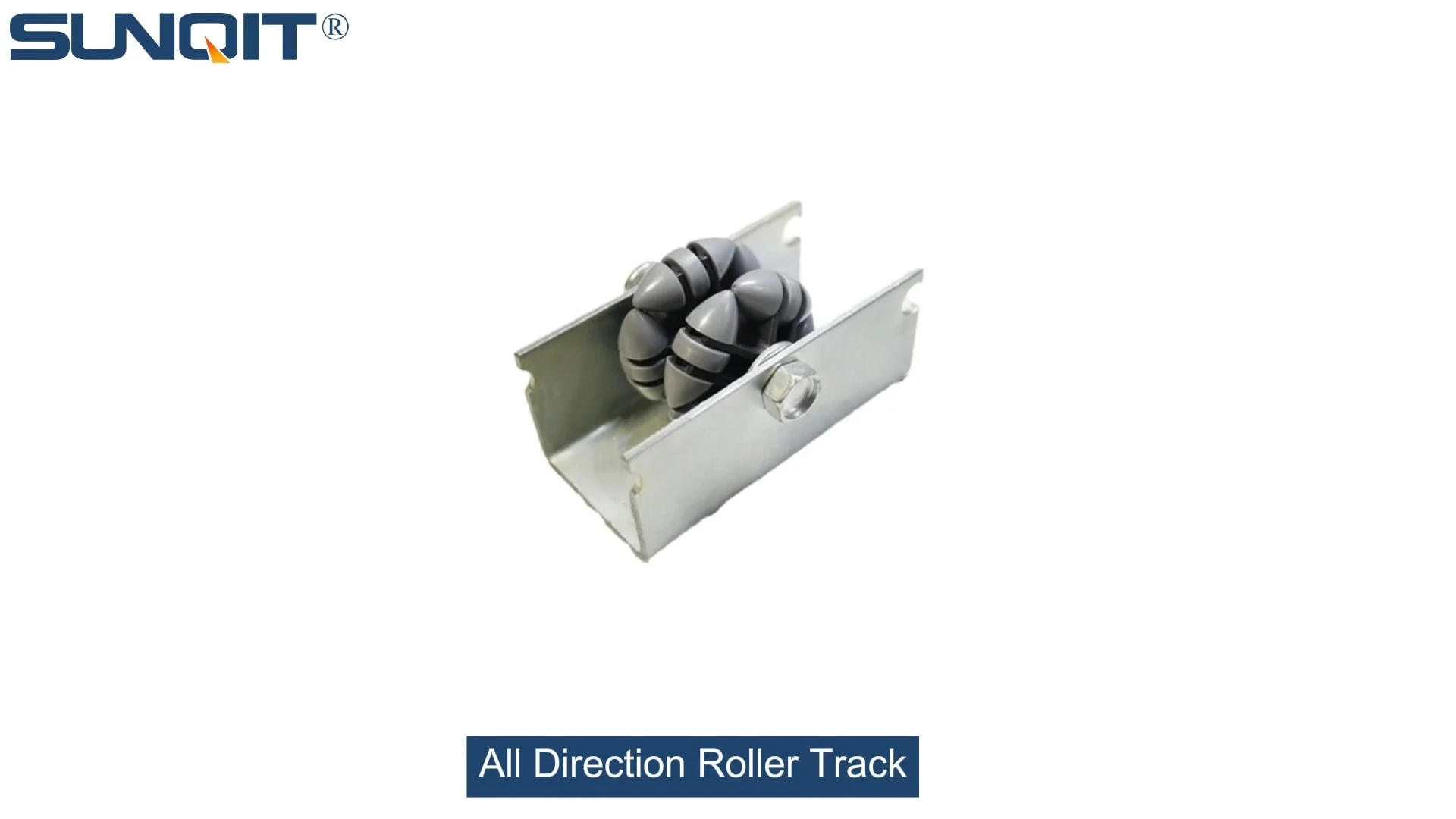
All Direction Roller Track
All direction roller track made of steel frame and multiple direction move wheel which will make boxes are always in contact with the rollers, reducing jams and enhancing flow reliability.
In the fast-paced world of manufacturing, where every second counts and efficiency is the backbone of success, the components often make the biggest difference. All direction roller tracks are one such unsung hero—quietly ensuring materials glide smoothly, assembly lines stay productive, and operations run like well-oiled machines. But with so many options available, how do you choose the one that fits your unique needs? This guide will walk you through the key factors, types, and insights to help you make an informed decision that aligns with your production goals, industry requirements, and long-term lean manufacturing vision.
Why All Direction Roller Tracks Matter in Modern Manufacturing
Before diving into the details of selection, let's take a moment to understand why choosing the right all direction roller track is more than just a purchase—it's an investment in your operation's efficiency and adaptability.
In today's manufacturing landscape, flexibility isn't optional. Whether you're producing smartphones in a 3C assembly plant, assembling precision medical devices, or managing a busy warehouse, the ability to quickly reconfigure workflows, adapt to changing production demands, and minimize downtime is critical. All direction roller tracks excel here: their 360-degree movement capability allows materials to be routed in multiple directions without manual lifting, reducing labor strain and speeding up transfer times.
Real-World Impact: A leading electronics manufacturer recently upgraded their assembly line with aluminum all direction roller tracks. The result? A 22% reduction in material transfer time between workstations and a 15% decrease in workplace injuries related to manual handling. For them, the right roller track wasn't just a tool—it was a catalyst for operational excellence.
Beyond flexibility, these tracks play a key role in lean manufacturing principles. By optimizing material flow, they help eliminate bottlenecks, reduce waste (both time and resources), and create a more responsive production environment. When integrated with lean pipe systems, workbenches, and flow racks, they form a cohesive ecosystem that supports continuous improvement—the cornerstone of sustainable manufacturing success.
Key Factors to Consider When Choosing All Direction Roller Tracks
Selecting the perfect all direction roller track isn't a one-size-fits-all process. It requires careful evaluation of your specific needs, environment, and long-term goals. Here are the critical factors to guide your decision:
1. Load Capacity: Matching Strength to Your Materials
Every roller track is designed to handle a specific weight range, and exceeding this limit can lead to premature wear, jamming, or even safety hazards. Start by calculating the average weight of the materials you'll be moving—whether it's small electronic components (light loads) or heavy automotive parts (heavy loads).
For example, 38 aluminum roller track series, with their lightweight yet durable construction, typically support loads up to 50kg per linear meter, making them ideal for 3C assembly lines or small parts handling. On the other hand, 40 steel roller track options, with robust steel wheels and reinforced frames, can handle up to 200kg per linear meter, suiting applications like machinery manufacturing.
2. Material Selection: Aluminum vs. Steel—Which Fits Your Environment?
The material of your roller track impacts everything from durability to maintenance needs. Let's break down the two most common options:
- Aluminum Roller Tracks: Lightweight, corrosion-resistant, and easy to install, aluminum tracks are a top choice for industries where cleanliness and precision matter. Their smooth finish resists rust, making them perfect for medical device production or food packaging lines. Additionally, aluminum's natural conductivity can be enhanced with ESD (Electrostatic Discharge) coatings, making aluminum ESD roller tracks essential for electronics manufacturing where static damage is a risk.
- Steel Roller Tracks: Known for their exceptional strength and wear resistance, steel tracks thrive in heavy-duty environments. If your operations involve frequent, high-impact use (like automotive assembly with metal parts), steel's rigidity ensures long-term performance. However, they may require regular coating or maintenance to prevent corrosion in humid settings.
Don't overlook plastic components either— plastic roller track guide rails (available in yellow or grey) offer quiet operation and are gentle on delicate surfaces, making them ideal for cosmetic or glass product handling.
3. Application Environment: Adapting to Your Workplace Conditions
Your facility's unique conditions will heavily influence your choice. Ask yourself:
- Is the environment humid or prone to moisture? Opt for aluminum or stainless steel components to avoid rust.
- Do you require cleanroom compatibility? Aluminum tracks with smooth, non-porous surfaces are easier to sanitize, meeting strict medical or pharmaceutical standards.
- Is space limited? Mini aluminum roller tracks, with their compact design, are perfect for tight workstations or small-part assembly lines.
4. Compatibility with Existing Lean Systems
A roller track shouldn't operate in isolation—it should integrate seamlessly with your existing lean pipe system , workbenches, and flow racks. Look for tracks with standardized roller track placon mount connectors or aluminum profile accessories that align with your current setup. For example, if your facility uses 4040 aluminum profiles for workstations, ensure your roller track's mounting brackets (like roller track placon mount for aluminum profile flat ) are compatible, avoiding costly modifications.
5. Customization Needs: Building a Track That Grows With You
Manufacturing needs evolve, and your roller track should too. Choose suppliers that offer custom lean solutions , allowing you to adjust length, add curves, or integrate special features (like side guides for irregularly shaped items). For instance, a 3C manufacturer might need a track with swivel roller balls (1 inch or 0.5 inch) for multidirectional movement during product testing, while a warehouse might require 85 staggered roller tracks to optimize picking efficiency in order fulfillment.

Types of All Direction Roller Tracks: A Comparison
To simplify your decision, here's a quick comparison of common all direction roller track types, their best uses, and key benefits:
| Roller Track Type | Material | Typical Load Range | Best For | Key Advantage |
|---|---|---|---|---|
| 38 Aluminum Roller Track (Standard) | Aluminum | 50-100kg/m | 3C Assembly, Light Electronics | Lightweight, ESD-compatible |
| 40 Steel Roller Track (Yellow/Black Wheel) | Steel | 150-200kg/m | Automotive Parts, Heavy Machinery | High load capacity, durable |
| Mini Aluminum Roller Track | Aluminum | 20-50kg/m | Small-Part Assembly, Tight Workstations | Compact design, space-saving |
| 85 Staggered Roller Track | Steel/Aluminum | 100-150kg/m | Warehouse Order Picking, Distribution | Optimizes material flow, reduces picking time |
| All Direction Roller Track with Swivel Balls | Aluminum/Plastic | 30-80kg/m | 360° Material Transfer, Testing Stations | Multidirectional movement, flexible routing |

Integrating with Lean Pipe Systems: A Holistic Approach
Great manufacturing isn't just about individual components—it's about how they work together. All direction roller tracks shine brightest when integrated into a broader lean pipe system , creating a seamless flow from raw materials to finished products.
Imagine a 3C assembly line where lean pipe workbenches are connected by all direction roller tracks. As workers assemble circuit boards on ESD workstations, completed components glide smoothly via roller tracks to the next station—no manual lifting, no delays. When production needs change, the system can be reconfigured in hours using internal rotatary aluminum joints and basic aluminum tubes, aligning with the "sustainable improvement" ethos of lean manufacturing.
Case Example: A medical device manufacturer needed to adapt their production line for a new product variant. By using modular aluminum roller tracks and compatible lean pipe accessories, they reconfigured their material flow path in just two days, minimizing downtime and meeting their launch deadline. This flexibility is the power of integrated lean systems.
When selecting your roller track, ensure it works with your existing aluminum profile accessories —things like aluminum guide rails , caster wheels for mobile workstations, and turnover trolleys . A supplier that offers end-to-end solutions (from tracks to connectors) will simplify integration and reduce compatibility headaches.

Frequently Asked Questions
Q: How do I maintain my all direction roller track for maximum lifespan?
A: Regular maintenance is key! For aluminum tracks, wipe down with a mild detergent to remove dust and debris. For steel tracks, inspect for rust and apply a protective coating if needed. Lubricate wheel bearings every 3-6 months (more frequently in high-use areas) to ensure smooth rotation. Check
roller track placon mount brackets
and connectors periodically to tighten any loose fasteners—this prevents misalignment and jamming.
Q: Can all direction roller tracks be used outdoors or in extreme temperatures?
A: It depends on the material. Aluminum tracks can withstand moderate temperature fluctuations (-10°C to 50°C) but may become brittle in extreme cold. For outdoor use, opt for stainless steel components or tracks with weather-resistant coatings. Always consult your supplier for environmental limits specific to your model.
Q: Are there eco-friendly options for roller tracks?
A: Absolutely! Many manufacturers now offer recycled aluminum tracks, and aluminum itself is 100% recyclable, aligning with sustainability goals. Additionally, the modular design of lean systems means components can be reused or repurposed when your needs change, reducing waste.
Q: How do I know if I need a custom solution versus a standard roller track?
A: If your material sizes are non-standard, your workflow requires unique routing (like sharp turns or vertical transfers), or you have specialized ESD or cleanroom needs, a custom solution is likely the way to go. Suppliers with experience in
lean solutions for specific industries
(3C,,) can design a track that fits your exact requirements.
Final Thoughts: Invest in Efficiency, Invest in the Right Track
Choosing the right all direction roller track is more than a purchasing decision—it's a step toward building a more efficient, adaptable, and sustainable manufacturing operation. By considering load capacity, material, environment, compatibility, and customization, you'll select a track that not only meets today's needs but grows with tomorrow's challenges.
Remember, the best roller track is one that integrates seamlessly into your workflow, reduces waste, and supports your lean manufacturing goals. Whether you're outfitting a new line or upgrading an existing one, prioritize suppliers who understand your industry and offer both standard options and custom lean solutions . After all, in manufacturing, every component counts—and the right roller track can be the difference between good efficiency and great efficiency.
Ready to take the next step? Evaluate your current material flow, note your pain points, and use this guide to narrow down your options. Your production line (and your bottom line) will thank you.