- Company Articles
- Products and Technology
- Product knowledge
- Can Four Way Straight Lean Pipe Joint Be Used Outdoors? Environmental Durability Guide

Can Four Way Straight Lean Pipe Joint Be Used Outdoors? Environmental Durability Guide
Related Product
Four Way Straight Lean Pipe Joint
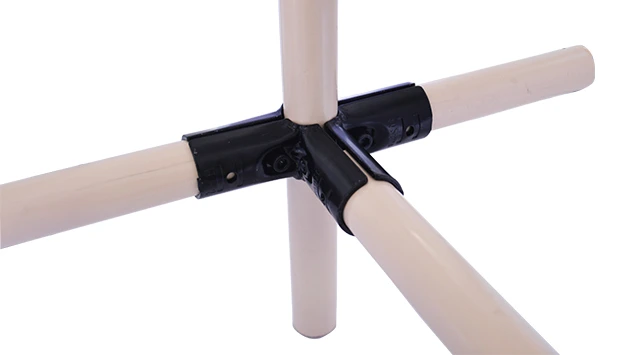
Four way lean pipe joint for 4 pcs 28MM lean pipe connection in straight angle, which used widely in workbench, flow rack, hand trolley frame connection.
Walk into any modern manufacturing facility, warehouse, or assembly plant, and you'll likely spot a network of sleek, modular structures—workbenches, flow racks, material trolleys—all built with lean principles in mind. At the heart of these systems are lean pipe joints, the unsung heroes that hold everything together. But what happens when these systems need to step outside? Maybe you're setting up a temporary assembly line in a covered outdoor area, building a loading dock workstation exposed to the elements, or creating a storage rack that sits partially outside. Suddenly, the question arises: Can a four way straight lean pipe joint, a common component in these setups, handle the great outdoors?
In this guide, we'll dive into the world of four way straight lean pipe joints, exploring their design, the environmental challenges they face outdoors, and how different materials stack up when it comes to durability. Whether you're a facility manager, a lean system designer, or just someone curious about industrial hardware, by the end, you'll know exactly when and how to use these joints outside—and when to think twice.
Understanding the Four Way Straight Lean Pipe Joint: A Quick Primer
First, let's get familiar with the star of the show: the four way straight lean pipe joint. As the name suggests, this is a type of lean pipe joint—a connector designed to link lean pipes (hollow tubes used in modular systems) at multiple angles. Unlike fixed-angle joints (like 90° or 45°), the "four way straight" design allows for connections in four directions along a straight axis, making it ideal for building symmetrical structures, multi-tiered racks, or cross-braced frames. Think of it as the Swiss Army knife of lean system connectors—versatile, sturdy, and essential for creating flexible workflows.
Typically made from metal (though plastic variants exist for light-duty use), these joints feature threaded holes or clamping mechanisms that secure pipes in place. Their simplicity is part of their appeal: no welding required, just tighten a bolt, and you've got a rigid connection that can be disassembled and reconfigured as needs change. But this simplicity also raises a critical question: when exposed to rain, sun, and other outdoor elements, does this design hold up?
Outdoor Challenges: What Nature Throws at Your Lean Joints
Outdoor environments are tough on industrial equipment. Unlike the controlled conditions of a factory floor, the outdoors subjects components to a barrage of stressors. Let's break down the biggest threats to a four way straight lean pipe joint when used outside:
1. Moisture: The Enemy of Metal
Rain, dew, and humidity are the primary culprits here. Water doesn't just make surfaces slippery—it reacts with metal to form rust (iron oxide), a process that weakens the joint over time. Even a small amount of moisture trapped between the joint and the pipe can start corrosion, eating away at the material until the connection loosens. In coastal areas, saltwater spray amplifies this problem: salt acts as an electrolyte, speeding up rust formation and turning a minor issue into a major failure in months.
2. UV Radiation: Fading and Brittle Coatings
The sun's ultraviolet (UV) rays are invisible, but their effects are anything but. Over time, UV radiation breaks down organic materials like plastic coatings or paints. If your four way straight lean pipe joint has a PE (polyethylene) coating or a painted finish, prolonged sun exposure can cause the coating to fade, crack, or peel. Once the coating is compromised, the underlying metal is exposed to moisture and corrosion—creating a domino effect of damage.
3. Temperature Extremes: Expansion and Contraction
From scorching summer days to freezing winter nights, outdoor temperatures swing dramatically. Metal expands when hot and contracts when cold, and if the joint and the pipe it connects have different thermal expansion rates, this can loosen the connection over time. Imagine a joint tightened on a 90°F day: when the temperature drops to 30°F, the metal shrinks, and suddenly that once-snug bolt is loose. Left unchecked, this can lead to wobbly structures or even collapse under load.
4. Chemical Exposure: More Than Just Water
Outdoor environments aren't just wet and sunny—they can also be chemically harsh. Near industrial areas, air pollution (like sulfur dioxide) can mix with rain to form acid rain, which accelerates corrosion. In agricultural settings, fertilizers or pesticides might splash onto equipment, while coastal regions deal with salt spray. Even something as simple as bird droppings (high in uric acid) can eat away at unprotected metal over time.

Material Matters: Choosing the Right Four Way Straight Lean Pipe Joint for Outdoors
The key to using a four way straight lean pipe joint outdoors isn't avoiding the elements—it's choosing the right material to withstand them. Let's compare the most common options, weighing their pros and cons for outdoor use.
Stainless Steel Pipe Series: The Corrosion-Resistant Workhorse
When it comes to outdoor durability, stainless steel is hard to beat. Stainless steel pipe series joints are made from alloys containing chromium (at least 10.5%), which forms a thin, invisible oxide layer on the surface. This layer acts as a shield, preventing rust and corrosion even when exposed to moisture. For four way straight lean pipe joints, 304 stainless steel is the go-to choice for most outdoor applications—it's affordable, widely available, and resistant to rain, humidity, and mild chemical exposure.
For harsher environments (like coastal areas with salt spray or industrial zones with heavy pollution), 316 stainless steel is better. It adds molybdenum to the alloy, which enhances resistance to chloride corrosion—a common issue near oceans. The downside? Stainless steel is heavier than other materials and can be pricier upfront. But if you're looking for a "set it and forget it" solution, the investment pays off in longevity.
Aluminum Lean Pipe Joints: Lightweight and Corrosion-Resistant
Aluminum lean pipe joints are another strong contender for outdoor use. Aluminum naturally forms a protective oxide layer (alumina) when exposed to air, similar to stainless steel, but it's lighter and often more affordable. Many aluminum joints are also anodized—an electrolytic process that thickens this oxide layer, boosting UV resistance and making the surface harder and more scratch-resistant.
Ideal for applications where weight matters (like portable workbenches or mobile trolleys), aluminum joints handle rain and humidity well. However, they're not as strong as stainless steel, so they're best suited for medium-duty loads. Also, avoid using aluminum in contact with other metals (like steel) outdoors—this can cause galvanic corrosion, where one metal acts as a battery and accelerates the other's decay. If mixing metals is necessary, use insulating washers or coatings to separate them.
PE Coated Lean Pipe Joints: A Budget-Friendly Option with Caveats
PE (polyethylene) coated lean pipe joints are steel joints wrapped in a thick plastic coating. The coating acts as a barrier against moisture and corrosion, making them a popular choice for indoor use where aesthetics or basic protection are needed. But how do they fare outdoors?
In shaded, dry outdoor areas (like a covered patio or a warehouse loading dock with a roof), PE coated joints can work for short periods. However, direct sunlight is their kryptonite. UV rays break down the PE coating over time, causing it to become brittle and crack. Once the coating cracks, moisture seeps in, and the underlying steel starts to rust—often hidden beneath the plastic, making it hard to spot until the joint fails. For long-term outdoor use, PE coated joints are a risky bet unless you're willing to replace them every 1-2 years.
Plastic Joints: Only for Light, Sheltered Use
Plastic four way straight lean pipe joints exist, but they're rarely recommended for outdoor use. While some high-quality plastics (like nylon or polypropylene) resist moisture, they're prone to UV degradation, warping in high heat, and cracking in cold temperatures. Save these for indoor, light-duty applications—think hobby workshops or temporary displays—and skip them for anything exposed to the elements.

Comparing Outdoor Performance: A Side-by-Side Table
To help you decide, here's a quick comparison of the three most viable materials for outdoor four way straight lean pipe joints:
| Material | Corrosion Resistance | UV Stability | Temperature Tolerance | Load Capacity | Cost (Relative) | Maintenance Needs |
|---|---|---|---|---|---|---|
| 304 Stainless Steel | Excellent (resists rain, humidity, mild chemicals) | Excellent (no coating to fade/crack) | Wide range (-40°F to 1,400°F) | High | Medium-High | Low (occasional cleaning with soap and water) |
| Anodized Aluminum | Very Good (resists rain, humidity; poor with salt spray) | Very Good (anodized layer blocks UV) | Good (-100°F to 400°F; may warp at high temps) | Medium | Medium | Low (clean with mild detergent; avoid abrasive cleaners) |
| PE Coated Steel | Good (if coating is intact; poor once cracked) | Poor (coating fades/cracks in direct sunlight) | Fair (-20°F to 120°F; coating softens in heat) | Medium-High | Low | High (inspect for cracks; re-coat or replace every 1-2 years) |
Real-World Applications: When to Use Outdoor Four Way Straight Lean Pipe Joints
Now that we know which materials work, let's look at practical scenarios where outdoor four way straight lean pipe joints shine. These examples will help you visualize how to apply this knowledge in the field.
Outdoor Workbenches: Building Durable, Weather-Resistant Stations
Imagine a construction site where workers need a temporary assembly bench for prepping materials. A workbench built with stainless steel four way straight lean pipe joints and aluminum lean pipes would stand up to rain, mud, and UV rays. The stainless steel joints resist rust from morning dew, while the aluminum pipes stay lightweight enough to move if needed. Add a weatherproof plywood top, and you've got a sturdy workstation that lasts through the project—no need to disassemble it every night.
Loading Dock Flow Racks: Handling the Elements at the Perimeter
Loading docks are often partially exposed to the elements, with rain blowing in during storms or sun beating down on material racks. Using 316 stainless steel four way straight lean pipe joints here makes sense, especially if the dock is near the coast (where salt spray is a concern). These joints can support heavy flow racks for pallets or bins, withstanding both the weight of materials and the corrosive effects of the environment. Plus, their modular design means you can reconfigure the racks as shipment sizes change—no need to buy new equipment.
Greenhouse Storage Systems: Humidity and Rust Don't Mix
Greenhouses are hot, humid, and full of water—tough on metal. Anodized aluminum four way straight lean pipe joints are perfect here. Aluminum resists the constant moisture, and the anodized finish prevents UV damage from the sun streaming through the glass. Use them to build shelving for pots, tools, or seed trays—lightweight enough to hang from rafters, yet durable enough to handle daily use.
Maintenance Tips: Extending the Life of Outdoor Lean Pipe Joints
Even the most durable materials need a little TLC to thrive outdoors. Here's how to keep your four way straight lean pipe joints in top shape:
1. Regular Cleaning: Wipe Away the Grime
Dirt, pollen, and bird droppings can trap moisture against the joint, accelerating corrosion. Once a month, wipe down stainless steel or aluminum joints with a soft cloth and mild soap (avoid abrasive cleaners, which can scratch the surface). For PE coated joints, use a damp cloth to remove debris—gently, to avoid damaging the coating.
2. Inspect for Damage: Catch Issues Early
Every 3-6 months, give the joints a thorough inspection. Look for signs of rust (on stainless steel or steel joints), cracks in PE coatings, or pitting on aluminum. Check that bolts are tight—temperature swings can loosen them over time. If you spot a damaged joint, replace it immediately; a single weak connection can compromise the entire structure.
3. Lubricate Moving Parts (If Applicable)
Some four way straight lean pipe joints have rotating components or adjustable clamps. For these, apply a thin layer of silicone-based lubricant (avoid oil-based lubes, which attract dirt) to keep them moving smoothly. This is especially important in humid environments, where moisture can cause parts to seize.
4. Add Extra Protection in Extreme Environments
If you're using stainless steel joints near the coast, consider passivation—a chemical treatment that enhances the chromium oxide layer, boosting corrosion resistance. For aluminum joints in high-UV areas, apply a clear UV-resistant spray coating (available at hardware stores) to extend the anodized layer's life. And for PE coated joints in shaded outdoor spots, cover them with a tarp during heavy rain to reduce moisture exposure.
Conclusion: Yes, You Can Use Four Way Straight Lean Pipe Joints Outdoors—With the Right Material
So, can a four way straight lean pipe joint be used outdoors? The answer is a resounding yes —but only if you choose the right material for the environment. Stainless steel pipe series joints (especially 316 grade) are the gold standard for coastal, industrial, or high-moisture areas, offering unbeatable corrosion resistance and UV stability. Anodized aluminum lean pipe joints are a lightweight, cost-effective alternative for shaded or inland outdoor spaces, though they struggle with salt spray. PE coated joints, while budget-friendly, are best avoided for long-term outdoor use due to their poor UV resistance.
By pairing the right joint material with regular maintenance—cleaning, inspecting, and protecting against the elements—you can extend the life of your outdoor lean systems for years. Whether you're building a workbench, a flow rack, or a storage trolley, the four way straight lean pipe joint remains a versatile, reliable choice—even when the job takes it outside.
So go ahead: take your lean system to the great outdoors. With the right planning, your four way straight lean pipe joints will stand tall against rain, sun, and everything in between.