- Company Articles
- Products and Technology
- Product knowledge
- Can Suction Cup Anti-Slip Foot Adjusters Be Reused on Different Equipment?

Can Suction Cup Anti-Slip Foot Adjusters Be Reused on Different Equipment?
Related Product
Suction Cup Anti-slip Foot Adjuster
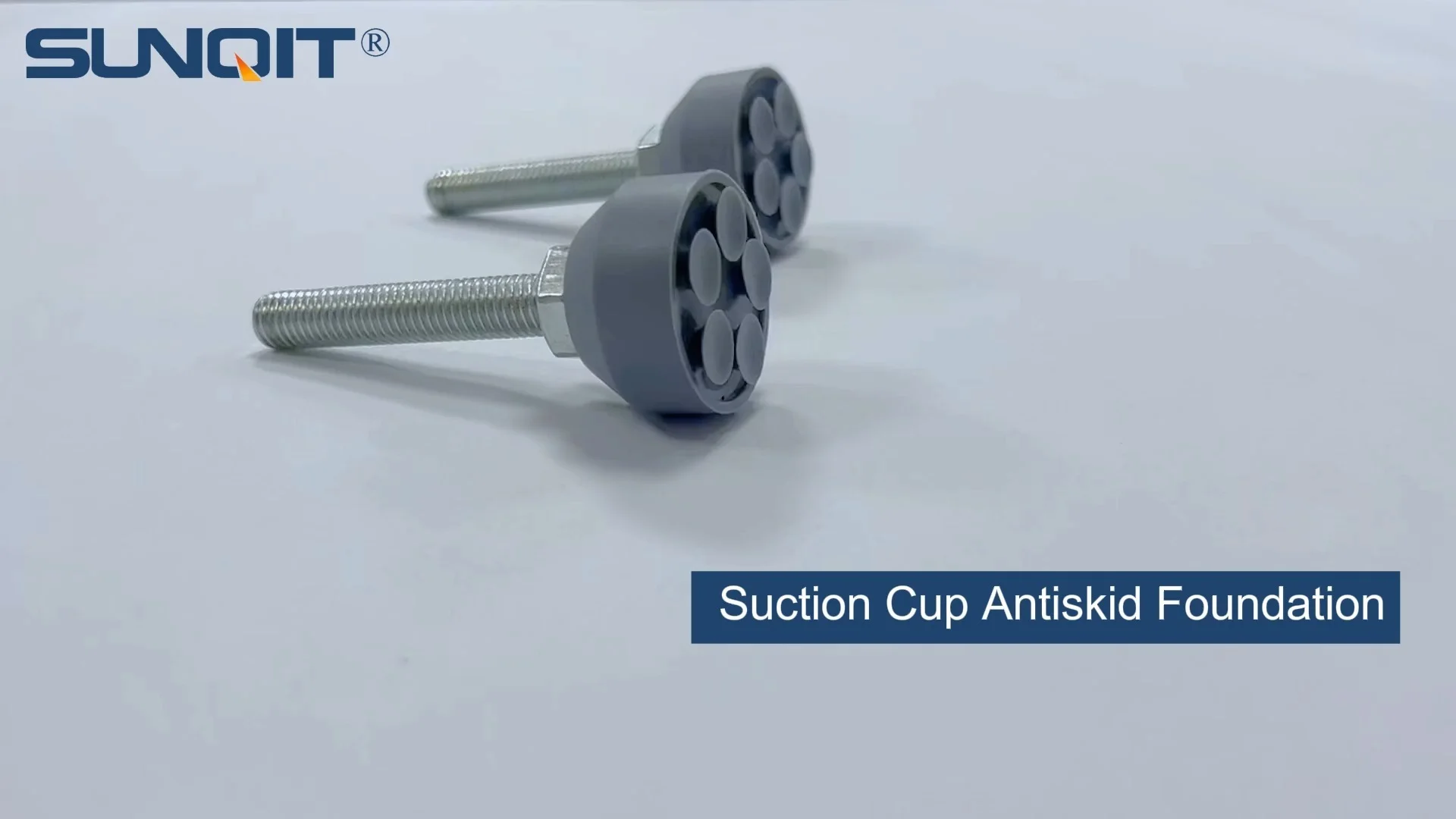
D=35mm suction cup anti-slip foot adjusterï¼screw M10*55ï¼with a blot, used for workbench, flowrack pipe contact with groud.
In the bustling environment of a manufacturing plant, where the hum of machinery mingles with the clink of tools and the steady rhythm of assembly lines, stability is more than just a convenience—it's a cornerstone of safety, efficiency, and quality. Picture this: a technician carefully aligning components on a workbench, their focus sharp as they tighten a bolt. Suddenly, the bench shifts slightly, jostling the part and forcing them to start over. Or worse, a material rack loaded with heavy components teeters, risking damage to inventory or injury to workers. These scenarios highlight a silent hero in industrial setups: the but critical components that keep equipment grounded. Among these, suction cup anti-slip foot adjusters stand out for their ability to marry stability with adaptability. But here's a question that often arises in workshops and factories alike: once these foot adjusters have served their purpose on one piece of equipment, can they be reused on another? Let's dive into this topic, exploring their design, functionality, and the practical realities of giving them a second life.
Understanding Suction Cup Anti-Slip Foot Adjusters: Design and Core Functionality
Before we tackle reuse, it's essential to understand what suction cup anti-slip foot adjusters are and how they work. At their core, these devices are engineered to prevent unwanted movement of equipment by creating a secure, non-slip connection between the equipment and the floor. Unlike rigid feet, which rely solely on friction, or caster wheels, which prioritize mobility, suction cup foot adjusters add an extra layer of grip through vacuum-like suction, making them ideal for settings where stability is paramount—think precision workbenches, delicate assembly stations, or material racks holding fragile goods.
Most suction cup anti-slip foot adjusters share a few key components: a durable base (often made of metal or hard plastic) that screws or bolts into the bottom of equipment, a flexible suction cup (typically rubber or a synthetic elastomer), and an adjustment mechanism (like a threaded rod) that lets users tweak the height to level the equipment or enhance suction. The magic lies in the suction cup itself: when pressed against a smooth, clean surface, it expels air, creating a partial vacuum that "sticks" the equipment to the floor. The anti-slip properties are further boosted by the cup's texture and material, which conform to minor surface irregularities, increasing friction even if suction weakens slightly.
Take, for example, a lean pipe workbench—a staple in lean manufacturing setups, known for its modularity and adaptability. These workbenches often rely on lightweight but sturdy materials like aluminum or steel pipes, which can be prone to shifting if not properly anchored. Here, suction cup anti-slip foot adjusters shine: they're easy to install, adjustable to compensate for uneven floors, and their suction grip ensures the bench stays put during tasks that involve pushing, pulling, or vibrations. But what happens when that lean pipe workbench is retired, or the workshop rearranges its layout to accommodate a new aluminum profile assembly line? Can those foot adjusters be unscrewed and repurposed elsewhere?
Key Factors That Influence Reusability
The short answer to whether suction cup anti-slip foot adjusters can be reused is: it depends. Several factors determine their second-life potential, and understanding these can help workshops make informed decisions about when to reuse and when to replace.
1. Condition of the Suction Cup: The Heart of the Device
The suction cup is the critical component here, and its condition is the single biggest factor in reusability. Over time, the rubber or elastomer material can degrade due to exposure to oils, chemicals, UV light, or extreme temperatures—common in industrial environments. Cracks, tears, or hardening of the cup will compromise its ability to form a tight seal, rendering it ineffective. Even minor damage, like a small puncture from a sharp metal shard on the workshop floor, can break the vacuum, reducing grip strength. Before reusing, a thorough inspection is a must: check for visible wear, press the cup against a smooth surface (like a glass table) to see if it holds suction for at least 30 seconds, and ensure the edges are still flexible enough to conform to surfaces.
2. Surface Compatibility: Not All Floors Are Created Equal
Suction cup foot adjusters work best on smooth, non-porous surfaces—think concrete sealed with epoxy, tile, or metal. If the original equipment was placed on such a surface, the cup may have worn evenly. But if the new equipment will sit on a rough, porous floor (like unfinished concrete or wooden planks with gaps), the suction cup may struggle to form a seal, even if it's in good condition. Reuse here isn't impossible, but it may require testing: clean the cup, adjust the height to ensure full contact, and monitor stability over a few hours of use. For example, moving a foot adjuster from a lean pipe workbench on an epoxy floor to an aluminum profile material rack on a rough concrete floor might work if the rack is lightweight, but a heavy-duty workstation would need a stronger grip.
3. Weight Capacity and Adjustment Range: A Perfect Fit
Every foot adjuster is rated for a maximum weight capacity, determined by the strength of its base, thread, and suction cup. Reusing it on a heavier piece of equipment than it was designed for is a recipe for failure—imagine attaching a foot adjuster rated for 50kg to a turnover trolley loaded with 200kg of parts. The suction cup may not hold, or the base could bend, leading to instability. Conversely, using it on much lighter equipment might not be an issue, but it's still wise to check that the adjustment range (the length of the threaded rod) matches the new equipment's height needs. A foot adjuster that's too short to reach the floor on a taller aluminum workbench, for instance, won't provide any benefit, even if the suction cup is flawless.
4. Environmental Exposure: The Silent Degrader
Workshops are full of environmental variables that can affect component longevity. If the original equipment was used in a humid area (like a food processing plant) or near chemicals (such as oil-based lubricants in automotive assembly), the suction cup may have degraded faster than one used in a dry, clean electronics workshop. Similarly, constant temperature fluctuations—common near ovens or freezers—can cause the rubber to expand and contract, weakening its structure over time. When considering reuse, factor in the foot adjuster's "history": was it exposed to harsh conditions, or was it in a controlled environment? This context can predict how well it will perform on new equipment.

Practical Scenarios: When Reuse Makes Sense
Despite these considerations, there are plenty of situations where reusing suction cup anti-slip foot adjusters is not only possible but also practical. Let's explore a few common industrial scenarios where second-life use shines.
Scenario 1: Upgrading Workbenches in a Lean Manufacturing Setup
Lean manufacturing thrives on continuous improvement, and upgrading equipment is part of that process. Suppose a factory decides to replace its old steel workbenches with modern aluminum profile workbenches—lighter, more modular, and easier to customize. The old workbenches may have been fitted with suction cup foot adjusters that are still in good condition. Instead of discarding them, technicians can remove the adjusters, clean them thoroughly with mild soap and water to remove grease or dust, and inspect the cups for wear. If they pass the "suction test" (holding on a smooth surface), they can be screwed into the new aluminum workbenches. This not only saves on the cost of new foot adjusters but also aligns with lean principles of minimizing waste—a win-win for both the budget and sustainability goals.
Scenario 2: Repurposing Equipment from Stationary to Mobile (and Back)
Many workshops use turnover trolleys or material racks that switch between stationary and mobile modes. For example, a trolley might be fitted with caster wheels for moving materials between assembly lines but need to stay put during loading/unloading. In such cases, suction cup foot adjusters can be temporarily attached to lock the trolley in place. When the trolley is no longer needed in that role—say, it's repurposed as a permanent storage rack elsewhere—removing the caster wheels and reattaching the foot adjusters (if they're still functional) provides a cost-effective stability solution. The key here is that the adjusters are only used intermittently, so wear and tear is minimal, making reuse feasible.
Scenario 3: Temporary Setups for Short-Term Projects
In industries with seasonal demand or short-term projects (like event setups or prototype manufacturing), temporary workstations are common. Instead of buying new foot adjusters for each temporary setup, reusing previously inspected and cleaned ones makes sense. For example, a factory might set up a temporary aluminum guide rail assembly station for a 3-month project, using foot adjusters borrowed from a mothballed lean pipe workbench. After the project ends, the adjusters can be cleaned and stored for future use, reducing both upfront costs and waste.
| Equipment Type | Inspection Checklist | Cleaning Method | Reuse Suitability |
|---|---|---|---|
| Lean Pipe Workbench | Check for cracks in suction cup; test suction on glass for 30s | Mild soap + water; dry with lint-free cloth | High (if cup is intact and surface is smooth) |
| Aluminum Profile Workstation | Verify adjustment rod length matches workstation height; check cup flexibility | Isopropyl alcohol to remove grease; rinse with water | Medium-High (if weight capacity aligns) |
| Material Rack (Lightweight) | Inspect base for bending; ensure cup edges are not hardened | Brush off dust; wipe with damp cloth | High (low weight reduces strain on cup) |
| Turnover Trolley (Stationary Mode) | Check for chemical residue on cup; test grip on workshop floor | Degreaser (if needed); rinse thoroughly | Medium (intermittent use reduces wear) |

The Case for Reuse: Cost, Sustainability, and Flexibility
Reusing suction cup anti-slip foot adjusters isn't just about making do with old parts—it offers tangible benefits that align with modern industrial priorities.
Cost Savings: Every Penny Counts
Industrial components, even small ones like foot adjusters, add up. A single high-quality suction cup foot adjuster can cost $10–$30, and a workbench might need 4–6 of them. For a factory with 50 workbenches, replacing all foot adjusters at once could run into thousands of dollars. By reusing those in good condition, facilities can redirect those funds to other critical upgrades, like new aluminum extrusion profiles or advanced conveyor systems.
Sustainability: Reducing Waste in the Supply Chain
In an era where corporate sustainability is more than a buzzword, reusing components reduces the demand for raw materials and cuts down on waste sent to landfills. Rubber and plastic production has a significant environmental footprint, from resource extraction to manufacturing emissions. By extending the life of suction cup foot adjusters, workshops contribute to a circular economy, where products are kept in use for as long as possible. This not only appeals to eco-conscious customers but also aligns with lean system principles, which emphasize eliminating non-value-added activities—including unnecessary resource consumption.
Flexibility: Adapting to Changing Workflows
Modern manufacturing is dynamic, with workflows shifting to meet new orders, product lines, or safety regulations. Having a stock of reusable foot adjusters on hand allows workshops to quickly reconfigure equipment without waiting for new parts to arrive. Need to set up a temporary inspection station? Grab the foot adjusters from the old material rack. Moving a workbench to a new location with a smoother floor? Reattach the ones that worked well there before. This flexibility reduces downtime and keeps operations agile—key in fast-paced environments.

When Reuse Isn't the Best Option: Knowing When to replace
While reuse has its merits, there are cases where holding onto old suction cup foot adjusters does more harm than good. Recognizing these scenarios is just as important as knowing when to reuse.
Signs of Irreparable Damage
If the suction cup shows signs of severe wear—deep cracks, chunks missing from the edge, or a permanently flattened shape that no longer flexes—it's time to replace it. A cup that can't form a tight seal is worse than no cup at all, as it gives a false sense of security. Similarly, if the adjustment rod is bent, stripped, or corroded to the point where it can't be tightened, the foot adjuster is no longer functional, even if the cup is intact.
Safety-Critical Applications
In settings where equipment stability is a matter of life and limb—such as workstations handling heavy machinery, toxic chemicals, or precision medical devices—reusing foot adjusters is risky. Even a minor reduction in suction strength could lead to catastrophic failure. In these cases, investing in new, certified components is non-negotiable. Safety audits often require documentation of component age and condition, and reused parts may lack the traceability needed to pass inspections.
Incompatible Equipment
Sometimes, the new equipment simply isn't a match. For example, a foot adjuster designed for a lightweight lean pipe workbench may not support the weight of a heavy aluminum honeycomb panel workstation. Or the thread size on the adjuster may not fit the new equipment's mounting holes, requiring modifications that weaken the structure. Forcing reuse in these cases can compromise stability or damage the new equipment, leading to costlier repairs down the line.
Best Practices for Reusing Suction Cup Anti-Slip Foot Adjusters
If you've determined that reuse is feasible, following these best practices will maximize the chances of success and ensure safety.
1. Create a Reuse Inspection Checklist
Develop a simple checklist to standardize inspections: check for cracks/tears, test suction on a smooth surface, verify adjustment rod functionality, and confirm weight capacity matches the new equipment. Train technicians to follow this checklist to avoid human error.
2. Clean Thoroughly Before Storage
After removing foot adjusters from old equipment, clean them with mild soap and water to remove grease, oil, or debris. For stubborn residue, use isopropyl alcohol (avoid harsh chemicals that can degrade rubber). Dry completely before storing in a cool, dry place away from direct sunlight or chemicals.
3. Test Before Full Deployment
Once attached to new equipment, test the foot adjusters under real-world conditions. Simulate the equipment's typical use—loading it with materials, pushing gently, or running adjacent machinery—to ensure the cups maintain suction. If any adjuster slips during testing, replace it immediately.
4. Track Reuse History
Keep a log of when foot adjusters are reused, noting the original equipment, inspection results, and new application. This helps identify patterns—for example, adjusters from chemical-exposed areas may wear faster—or track the lifespan of reused components for future planning.
Conclusion: A Balanced Approach to Reuse
So, can suction cup anti-slip foot adjusters be reused on different equipment? The answer is a qualified yes—with careful inspection, cleaning, and consideration of compatibility. In lean manufacturing setups, where adaptability and waste reduction are key, reusing these components aligns perfectly with operational goals, offering cost savings, sustainability, and flexibility. Whether moving from a lean pipe workbench to an aluminum profile workstation or repurposing a material rack, a well-maintained foot adjuster can serve faithfully for years.
That said, reuse isn't a one-size-fits-all solution. Severe damage, safety-critical applications, or incompatible equipment demand new components. By balancing thorough inspection with practical judgment, workshops can unlock the full potential of these humble but vital tools—ensuring stability, efficiency, and value for years to come.