- Company Articles
- Products and Technology
- Application Cases
- Case Study: Aluminum Guide Rail B Implementation in a 3C Assembly Plant

Case Study: Aluminum Guide Rail B Implementation in a 3C Assembly Plant
Related Product
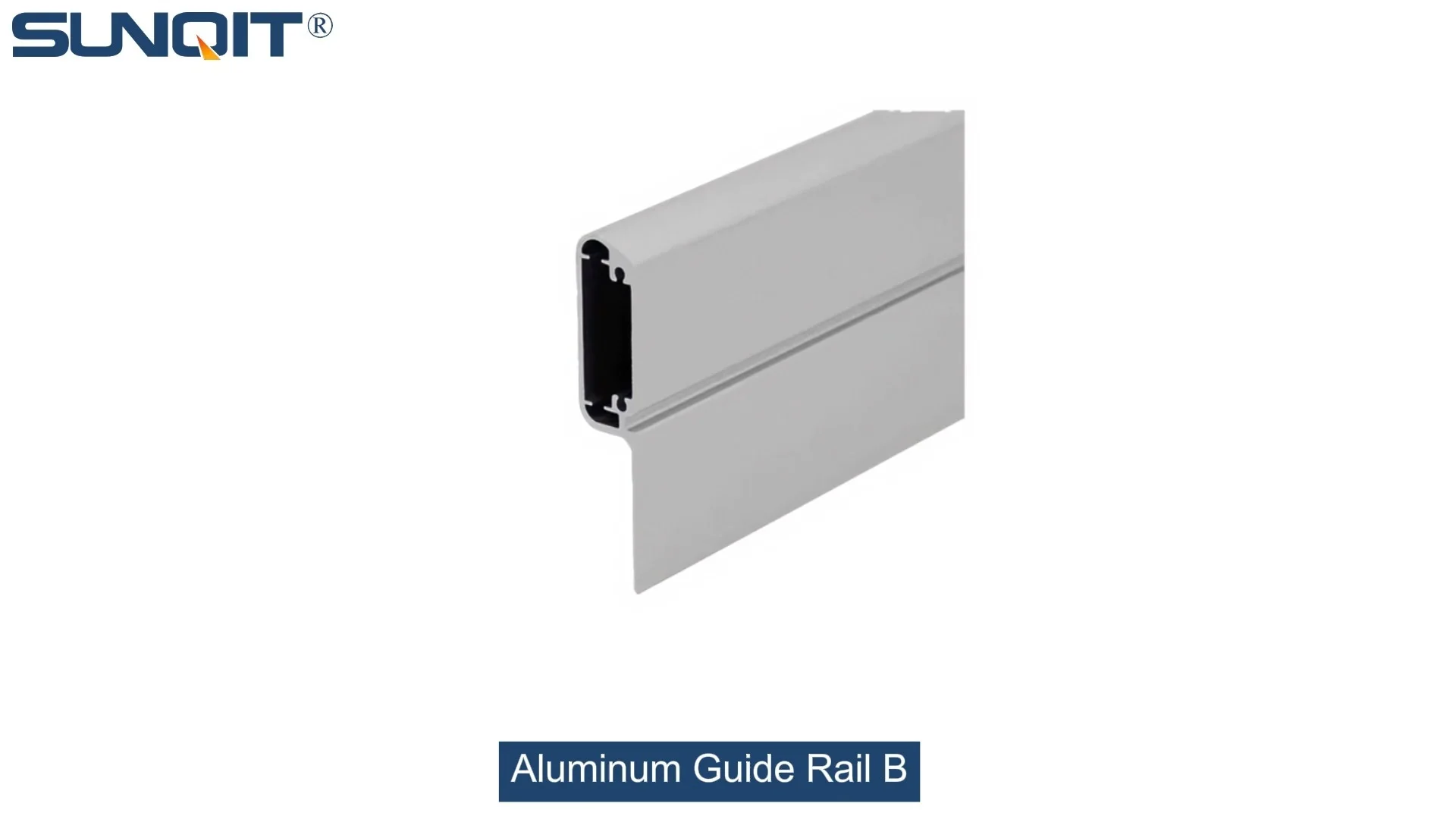
Aluminum Guide Rail B
The aluminum guide rails hold the transport goods securely on the roller track. For installation, the guide rails are simply pushed over the roller tracks.To protect sensitive products.
In the fast-paced world of 3C manufacturing—where precision, speed, and adaptability can make or break a company's success—every second of downtime or inefficiency ripples through the entire production chain. Imagine a facility where assembly lines hum with activity, workers move with practiced rhythm, and components flow seamlessly from one station to the next. Now, contrast that with a reality many 3C plants face: bottlenecks at material transfer points, rigid workstations that can't keep up with frequent product design changes, and the constant pressure to reduce waste while increasing output. This was the challenge facing a leading 3C assembly plant we'll call "TechNova" (a pseudonym to protect client confidentiality) before they turned to a lean solution centered on Aluminum Guide Rail B. What followed was a transformation that didn't just fix their immediate problems—it redefined how they approach manufacturing efficiency.
The Challenge: Stagnation in a Dynamic Industry
TechNova, a mid-sized 3C assembly plant specializing in smartphone and tablet components, had built a reputation for quality but was struggling to keep pace with the industry's relentless demand for faster turnaround and greater flexibility. Their production floor, like many older facilities, relied on a patchwork of traditional steel conveyors, fixed wooden workbenches, and manual material handling processes. By 2024, three critical pain points had become impossible to ignore:
1. Bottlenecks at Material Transfer Zones: The plant's existing steel roller tracks were heavy, prone to rust in the humid factory environment, and difficult to adjust. At key transfer points between assembly stations, components often jammed, causing line stoppages that averaged 12 minutes per hour. Workers reported spending nearly 15% of their shift manually unjamming tracks or rerouting materials—time that should have been spent on value-added tasks like assembly or quality checks.
2. Rigid Workstations Unable to Adapt to Product Changes: With new smartphone models launching every 6–8 months, TechNova's fixed workbenches became a liability. Each redesign required costly modifications: cutting steel frames, welding new supports, or even replacing entire stations. In 2023 alone, they spent over $80,000 on workstation reconfigurations, not including the downtime lost during these overhauls.
3. Unsustainable Waste in Material Handling: The plant's reliance on disposable packaging and single-use transport tools clashed with both their internal sustainability goals and increasing customer pressure to reduce carbon footprints. Their old conveyor system, for example, used non-recyclable plastic guides that cracked easily, leading to frequent replacements and a growing waste stream.
"We were stuck in a cycle," said Maria Gonzalez, TechNova's Production Manager, during our initial consultation. "Every time we tried to speed up one part of the line, another would break down. Our workers were frustrated—they could see the inefficiencies but couldn't fix them with the tools they had. We needed something that could grow and change with us, not hold us back."
The Solution: A Lean Ecosystem Built Around Aluminum Guide Rail B
After a thorough assessment of TechNova's workflows, product lines, and long-term goals, the solution emerged not as a single piece of equipment, but as an integrated lean system. At its core was Aluminum Guide Rail B, chosen for its unique combination of durability, flexibility, and sustainability. But it didn't stand alone: it was paired with lean pipe workbenches, flow racks, and a modular conveyor system to create a cohesive ecosystem designed to address all three pain points.
Why Aluminum Guide Rail B? Unlike traditional steel rails, Aluminum Guide Rail B offered three key advantages for TechNova's environment: its lightweight aluminum construction (40% lighter than steel) made installation and adjustments easy, even for a small team; its corrosion-resistant finish eliminated rust-related jams; and its modular design—with pre-drilled holes and compatible connectors—meant it could be reconfigured in hours, not days. "We could see right away how it would solve the transfer bottlenecks," noted Raj Patel, TechNova's Maintenance Supervisor. "But what really sold us was how it played well with other components."
To complement the guide rails, we recommended custom lean pipe workbenches at each assembly station. These workbenches, built with aluminum lean pipes and internal rotary aluminum joints, featured adjustable heights, tool holders, and ESD (Electrostatic Discharge) surfaces to protect sensitive 3C components. Unlike their wooden predecessors, they could be disassembled and reconfigured with basic hand tools, allowing TechNova to adapt to new product designs in a fraction of the time.
Flow racks, positioned at strategic points along the line, replaced static shelving, using gravity to feed components directly to workstations. Paired with Aluminum Guide Rail B, these racks created a "pull system" where materials arrived exactly when needed, reducing inventory buildup and the risk of damage from overstocking. Finally, a low-profile conveyor system—integrated with the guide rails—connected the flow racks to the workbenches, automating material transport and freeing workers from manual handling.

Implementation: From Blueprint to Production
Implementing a new system in a live production environment is never without challenges, but careful planning and collaboration made the transition smoother than TechNova's team had anticipated. The process unfolded in four key phases:
Phase 1: Assessment and Custom Design (2 Weeks)
Our team spent two weeks on-site, mapping every step of TechNova's assembly process—from incoming component storage to final product testing. We measured workflows, interviewed workers about pain points, and analyzed production data to identify the most critical bottlenecks. Using this data, we created a 3D model of the proposed system, incorporating Aluminum Guide Rail B, lean pipe workbenches, flow racks, and conveyors. "The 3D model was a game-changer," said Gonzalez. "Our team could visualize exactly how the new system would work, which helped get everyone on board."
Phase 2: Phased Installation (3 Weeks)
To avoid disrupting full production, we installed the system in phases, starting with the most problematic section: the mid-assembly transfer zone where jams were most frequent. The first step was removing the old steel rails—a task that, thanks to Aluminum Guide Rail B's lightweight design, took just two days instead of the projected five. Next, we mounted the new aluminum rails, secured the flow racks, and assembled the lean pipe workbenches. Each night, after the second shift ended, our installation team worked alongside TechNova's maintenance crew to minimize downtime. By the end of week three, the entire line was operational.
Phase 3: Worker Training and Adjustment (1 Week)
Even the best equipment fails if workers don't know how to use it. We held daily training sessions, focusing on two key skills: basic reconfiguration of the Aluminum Guide Rail B and lean pipe workbenches, and troubleshooting common issues like misaligned rollers. "We were worried the learning curve would be steep," Patel admitted, "but the system is so intuitive. Within a day, our lead operators were showing new hires how to adjust the rails. By the end of the week, they were even suggesting improvements we hadn't thought of."
Phase 4: Fine-Tuning and Optimization (Ongoing)
Lean manufacturing is never "finished"—it's a continuous improvement process. In the months following installation, we worked with TechNova to gather feedback and make small adjustments: adding extra support brackets to high-traffic rail sections, adjusting flow rack angles to speed up material flow, and even modifying workbench heights to reduce worker fatigue. "The fact that we could tweak the system on the fly was revolutionary," Gonzalez said. "Before, a small change would take weeks. Now, we can do it over a lunch break."

The Results: More Than Numbers—A Culture of Efficiency
Six months after implementation, the impact of the Aluminum Guide Rail B-centered lean solution was clear—in both hard data and softer, equally important cultural shifts. Let's start with the numbers:
| Metric | Before Implementation | After Implementation | Improvement |
|---|---|---|---|
| Production Line Downtime | 12 minutes/hour | 3.5 minutes/hour | 70.8% reduction |
| Material Transfer Time | 45 seconds/component | 28 seconds/component | 37.8% reduction |
| Workstation Reconfiguration Cost | $80,000/year | $12,000/year | 85% reduction |
| Worker Productivity (Units/Shift) | 180 units/worker | 245 units/worker | 36.1% increase |
| Material Waste (kg/month) | 420 kg | 180 kg | 57.1% reduction |
But beyond the metrics, something deeper shifted at TechNova. Workers, once frustrated by inefficiencies, now took pride in optimizing their stations. "I used to dread product changeovers," said Lin Wei, a senior assembly line worker with 8 years at TechNova. "Now, I help design the new workstation setup. Last month, my team suggested adding a second flow rack to our section, and it cut our material retrieval time in half. It feels good to be heard—and to see our ideas make a difference."
The plant also saw unexpected benefits, like a 22% reduction in workplace injuries related to manual material handling, and a 15% improvement in on-time deliveries to clients. "Our customers have noticed the difference," Gonzalez noted. "One major client even asked us to share our process improvements—they were so impressed by how quickly we could adapt to their design changes."

Why This Works: The Synergy of Lean Components
What made TechNova's transformation successful wasn't just Aluminum Guide Rail B, but how it worked in harmony with the lean pipe workbenches, flow racks, and conveyors to create a holistic lean solution. Each component addressed a specific need, but together, they formed a system that was greater than the sum of its parts:
Aluminum Guide Rail B: The backbone of the system, solving transfer bottlenecks with its lightweight, corrosion-resistant design and easy adjustability.
Lean Pipe Workbenches: Provided the flexibility to adapt to product changes, reducing reconfiguration costs and downtime.
Flow Racks: Eliminated overstocking and manual retrieval, ensuring components arrived exactly when needed.
Conveyors: Automated material transport, freeing workers to focus on skilled tasks and reducing physical strain.
"It's like upgrading from a bicycle to a well-tuned sports car," Patel joked. "Each part—engine, wheels, suspension—matters, but together, they deliver a ride that's faster, smoother, and more reliable."
Conclusion: Lean Isn't Just a Tool—It's a Mindset
TechNova's experience offers a powerful lesson for 3C manufacturers and beyond: in an industry defined by constant change, the right lean solution isn't just about buying equipment—it's about building a culture of adaptability. Aluminum Guide Rail B, paired with complementary lean components, didn't just fix their immediate problems; it gave them the tools to keep improving, to respond quickly to new challenges, and to empower their workers to take ownership of efficiency.
As Gonzalez put it: "We didn't just install a new rail system—we installed a new way of thinking. Now, when we face a problem, we don't see a roadblock; we see an opportunity to optimize. That's the true power of lean."
For manufacturers struggling with similar challenges—whether in 3C assembly, medical device production, or any industry where flexibility and efficiency are critical—the path forward is clear: invest in solutions that grow with you, prioritize sustainability, and put your team at the center of the process. Aluminum Guide Rail B and the broader lean system it enables isn't just a product; it's a partner in progress.