- Company Articles
- Products and Technology
- Application Cases
- Case Study: Roller Track Placon Mount Center Support Bracket Improving Efficiency in a 3C Factory

Case Study: Roller Track Placon Mount Center Support Bracket Improving Efficiency in a 3C Factory
Related Product
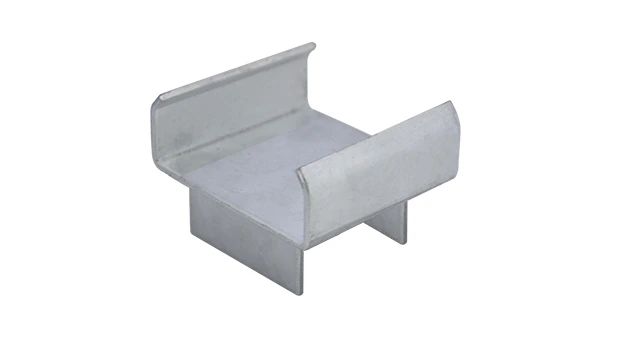
Roller Track Placon Mount Center Support Bracket
Roller track placon mount work as a connector for roller track and pipe or aluminum profile in rack syetem, it is a necessary parts in rack system which widely used in industrial plant and logistic,warehouse storage.
In the fast-paced world of 3C manufacturing—where precision, speed, and adaptability can make or break a company's success—every second counts. Assembly lines hum around the clock, components zip between workstations, and deadlines loom like storm clouds. Yet for many factories, outdated material handling systems act as invisible anchors, dragging down productivity, increasing operational costs, and creating bottlenecks that ripple through the entire production chain. This is the story of how one 3C assembly plant in southern China broke free from these constraints, thanks to a strategic upgrade centered on the roller track placon mount center support bracket —a seemingly modest component that became the linchpin of a dramatic efficiency overhaul.
The Factory: A Snapshot of 3C Manufacturing Realities
Our case study focuses on "TechLink Precision," a mid-sized 3C assembly factory specializing in smartphone and tablet components. With a 5,000-square-meter facility and 300 employees, TechLink produces over 50,000 precision parts daily for major electronics brands. By early 2024, however, the factory was grappling with a familiar set of challenges: aging material handling systems that couldn't keep up with rising demand, frequent workflow disruptions, and a growing sense that their operations were stuck in a cycle of "good enough" rather than "excellent."
At the heart of TechLink's struggles was its outdated roller track system, which spanned 12 assembly lines. Designed over a decade prior, the system relied on flimsy plastic supports and mismatched components sourced from multiple suppliers. "We were constantly putting out fires," recalls Li Jiawei, TechLink's Production Manager. "One day, a roller track would jam because a support bracket snapped under the weight of heavy component bins. The next, parts would slide off the track because the alignment was off. Our maintenance team was spending 15+ hours a week just fixing these issues, and our line workers were losing valuable time waiting for materials or manually hauling bins—time we couldn't afford to lose."
The Breaking Point: When "Minor" Issues Became Major Problems
The tipping point came in March 2024, during a peak production run for a new tablet model. A critical roller track section, used to transport circuit board assemblies, collapsed mid-shift due to a failed support bracket. The incident halted two assembly lines for over three hours, resulting in a production loss of 2,000 units and a tense meeting with the client. "That was the moment we knew patchwork fixes weren't enough," says Zhang Wei, TechLink's Operations Director. "We needed a complete rethink of how we move materials through the factory."
A post-incident audit revealed three root causes:
- Unstable Support Structures: The existing roller tracks relied on generic metal brackets that lacked structural integrity, especially when supporting heavy loads (up to 80kg per meter) during high-speed operation.
- Poor Alignment: Inconsistent bracket heights and spacing led to uneven roller tracks, causing components to jam or slide off—particularly problematic for delicate 3C parts like microchips and connectors.
- Inflexibility: The fixed bracket design made it impossible to adjust track heights or angles to accommodate new product lines, forcing workers to use temporary workarounds that wasted time and increased error risk.

Seeking a Solution: The Journey to a Custom Lean System
TechLink's leadership team began researching suppliers specializing in lean manufacturing solutions, prioritizing those with deep experience in 3C assembly. After reviewing proposals from five vendors, they partnered with a supplier known for its lean solution expertise and customizable aluminum-based systems—a decision driven by the supplier's willingness to conduct an on-site assessment rather than offering a one-size-fits-all product.
The supplier's engineering team spent three days at TechLink, mapping workflows, measuring existing equipment, and interviewing line supervisors and operators. "They didn't just look at the broken bracket—they asked, 'How do your workers interact with this track? What changes do you anticipate in the next 12 months?'" Zhang notes. "That level of attention to our specific needs made all the difference."
The Custom Proposal: Beyond Brackets—A Holistic Lean Ecosystem
The supplier's final proposal centered on three pillars, with the roller track placon mount center support bracket as the critical component:
1. Stabilizing the Foundation: Roller Track Placon Mount Center Support Bracket
The star of the solution was a specialized roller track placon mount center support bracket —engineered to address TechLink's stability and alignment issues. Unlike generic brackets, this component featured:
- Reinforced Aluminum Construction: Made from high-grade 6063 aluminum alloy, the bracket offered superior strength-to-weight ratio, supporting up to 120kg per meter without bending or warping.
- Precision Height Adjustment: A built-in slot design allowed micro-adjustments (±5mm) to ensure perfect track alignment, eliminating jams caused by uneven surfaces.
- Modular Compatibility: The bracket could be mounted on both aluminum profiles and flat surfaces, making it adaptable to TechLink's existing floor layout and future expansions.
2. Optimizing Flow: Integrated Flow Rack and Conveyor Systems
To complement the new brackets, the supplier recommended upgrading two key systems:
Flow Racks with ESD Protection: Replacing static metal shelving with flow rack units equipped with anti-static (ESD) rollers to safely transport sensitive electronic components. The flow racks, paired with the stabilized roller tracks, created a gravity-fed system that reduced manual material handling by 40%.
Flexible Conveyor Belts: Adding adjustable-speed conveyor sections between assembly stations, powered by variable-frequency drives to match production pacing. The conveyors, supported by the same placon mount brackets, integrated seamlessly with the roller tracks, creating a continuous material flow from warehouse to packaging.
3. Enhancing Workstations: Lean Pipe Workbenches for Ergonomics
Finally, the proposal included upgrading 15 assembly workstations to lean pipe workbench units, customized with:
- Height-adjustable legs to reduce worker fatigue during long shifts.
- Integrated tool holders and ESD mats to organize equipment and protect components from static damage.
- Modular side panels that could be reconfigured as product designs changed—aligning with TechLink's goal of supporting 10+ new product lines annually.
Implementation: From Blueprint to Production
The project kicked off in June 2024, with a phased implementation plan to avoid disrupting ongoing production. The supplier's installation team worked in two shifts—day shifts focused on non-critical areas, night shifts on main assembly lines—to minimize downtime.
Key steps included:
- Site Preparation (Week 1): Removing old brackets and tracks, cleaning installation areas, and marking precise mounting points using laser alignment tools.
- Bracket and Track Installation (Weeks 2–3): Mounting over 300 placon mount center support brackets and 150 meters of new roller track. Each bracket was tested for load capacity using calibrated weights to ensure compliance with safety standards.
- Flow Rack and Conveyor Integration (Weeks 4–5): Assembling flow racks and conveyor systems, then syncing them with the roller tracks via the new brackets. ESD testing was conducted to verify anti-static performance (target: <10^9 ohms).
- Workbench Upgrades (Week 6): Installing lean pipe workbenches and training workers on new ergonomic features, such as adjustable height controls and tool organization systems.
- Testing and Calibration (Week 7): Running trial production runs with dummy components to fine-tune conveyor speeds, track alignment, and flow rack angles. Adjustments were made based on operator feedback—for example, increasing the incline of one flow rack by 2 degrees to improve component flow.
"The installation team was incredible—they even stayed late to help us meet a tight deadline for a new product launch. They didn't just install equipment; they taught our maintenance team how to adjust the brackets and troubleshoot minor issues, which gave us long-term independence." — Li Jiawei, Production Manager at TechLink
Results: By the Numbers
Six months after full implementation, the results were transformative. The table below compares key metrics before and after the upgrade:
| Metric | Before Upgrade | After Upgrade | Improvement |
|---|---|---|---|
| Production Output (Units/Day) | 50,000 | 62,000 | +24% |
| Material Handling Time (Hours/Shift) | 12 | 5 | -58% |
| Track-Related Downtime (Hours/Month) | 18 | 2 | -89% |
| Component Damage Rate | 2.1% | 0.4% | -81% |
| Worker Fatigue Complaints (Per Month) | 15 | 3 | -80% |
| Client On-Time Delivery Rate | 87% | 99.5% | +14.4% |
Beyond the numbers, the cultural impact was equally significant. "Our operators used to dread the afternoon shift because of the constant track jams," says Zhang. "Now, the lines run smoothly, and we've seen a noticeable boost in morale. People are more engaged, and suggestions for process improvements have doubled—because they're no longer focused on fixing problems; they're thinking about how to get better."
Why It Worked: The Engineering Behind the Success
The roller track placon mount center support bracket emerged as the unsung hero of the project. Its robust aluminum construction eliminated bracket failures, while precision adjustment features ensured the roller tracks remained perfectly aligned—even under the stress of continuous operation. "We tested the brackets with 150% of our maximum load for a week, and they didn't budge," notes Zhang. "That level of durability gave us the confidence to increase production speeds without worrying about breakdowns."
The integration of flow rack and conveyor systems further amplified results by creating a "pull-based" material flow—components arrived at workstations exactly when needed, reducing inventory buildup and freeing up 15% of factory floor space for new assembly lines. The lean pipe workbench upgrades also played a role, with operators reporting a 30% reduction in time spent searching for tools, thanks to built-in organizers and ESD-safe storage.
Lessons for Other 3C Factories
TechLink's experience offers three key takeaways for manufacturers facing similar challenges:
- Invest in the Right Foundations: ()..
- Prioritize Customization: 3C manufacturing is diverse—what works for a smartphone plant may not work for a laptop assembler. Seek suppliers who offer lean solution tailored to your specific products, workflows, and growth plans.
- Involve Your Team: Operators and maintenance staff have invaluable insights into pain points. Their feedback during design and testing phases ensures solutions are practical and adopted widely.
Conclusion: From Bottlenecks to Breakthroughs
TechLink's transformation story is a testament to the power of strategic lean manufacturing upgrades. By focusing on a critical pain point—unstable roller tracks—and addressing it with a holistic solution centered on the roller track placon mount center support bracket , the factory turned operational bottlenecks into competitive advantages. Today, TechLink has expanded its client base, increased profit margins by 8%, and is planning to replicate the model in its second facility.
For 3C manufacturers navigating the pressures of speed, precision, and adaptability, the message is clear: efficiency lies not just in big-ticket machinery, but in the thoughtful integration of durable, flexible components. As Zhang Wei puts it: "We didn't just buy brackets and racks—we invested in a system that grows with us. That's the true value of a lean solution."