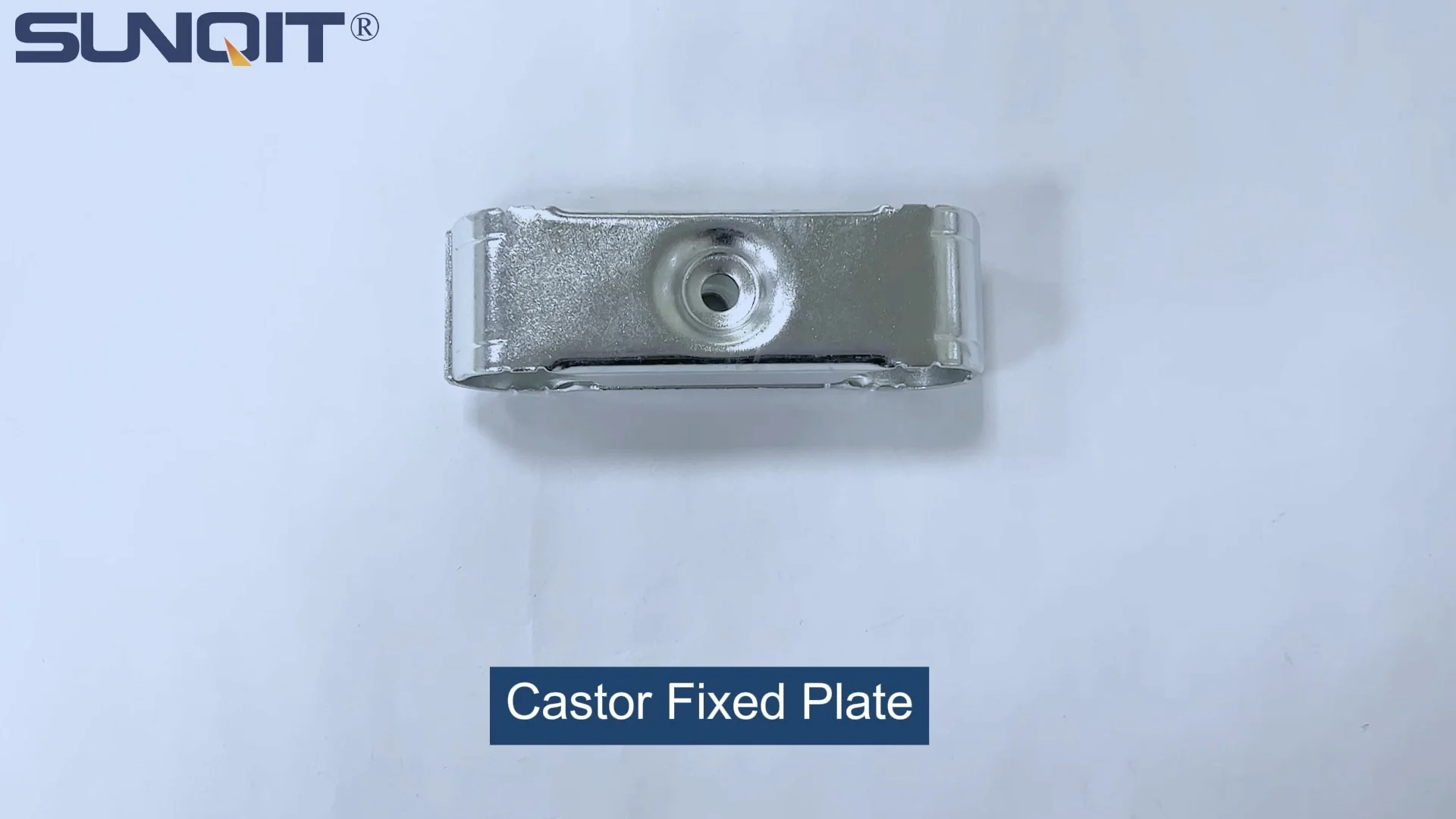
Powder coating is a newer kid on the block compared to zinc plating, but it's quickly gained popularity for its durability and versatility. Instead of using a liquid bath, powder coating applies a dry powder to the metal surface, which is then cured to form a hard, protective layer. Let's take a closer look.
How Powder Coating Works
The powder coating process starts similarly to zinc plating: the castor fixed plate is cleaned thoroughly to remove contaminants. Then, instead of submerging it in a bath, a spray gun is used to apply a fine powder (typically made of resin, pigments, and additives) to the surface. The powder is electrostatically charged, which makes it stick to the metal like a magnet. After spraying, the plate is baked in an oven at high temperatures (usually 350-400°F), causing the powder to melt, flow, and cure into a smooth, hard coating. The result? A thick, even finish that's available in almost any color imaginable.
The Pros of Powder-Coated Coatings
1.
Exceptional Durability:
Powder coatings are thick—usually 50-150 microns thick, which is 2-6 times thicker than zinc plating. This extra thickness makes them highly resistant to scratches, dents, and corrosion. A powder-coated castor fixed plate can withstand heavy impacts (like being hit by a forklift), constant friction (from moving trolleys), and exposure to moisture, making it ideal for tough industrial settings.
2.
Wide Color and Texture Options:
Want your castor fixed plates to match your brand's colors? Or maybe a textured finish to hide fingerprints? Powder coating delivers. From bright yellows and blues to matte blacks and metallic finishes, the options are nearly endless. This makes it a favorite for workbench manufacturers who want their products to be both functional and visually cohesive.
3.
Chemical and UV Resistance:
Powder coatings are resistant to many chemicals, including oils, solvents, and mild acids. They also hold up well to UV rays, so they won't fade or chalk if used outdoors (though they're still best suited for covered outdoor areas). This makes them a solid choice for factories with chemical exposure, outdoor loading docks, or agricultural equipment.
4.
Low Maintenance:
Unlike zinc-plated plates, which may need occasional touch-ups, powder-coated plates are easy to care for. A quick wipe with a damp cloth is usually all it takes to keep them clean, and they rarely require repainting or repairs unless severely damaged.
The Cons of Powder-Coated Coatings
1.
Higher Cost:
Powder coating is more expensive than zinc plating, both in terms of materials and labor. The process requires specialized equipment (spray guns, ovens) and longer curing times, which drives up production costs. For budget-sensitive projects, this can be a dealbreaker.
2.
Thicker Coating May Affect Fit:
The thick layer of powder coating can add a small amount of thickness to the castor fixed plate. In some cases, this might affect how the plate fits with other caster accessories (like bolts or brackets). Manufacturers need to account for this extra thickness during design to ensure a proper fit.
3.
Not Conductive:
Powder coatings are insulators, which means they don't conduct electricity. This makes them a poor choice for equipment that needs to be grounded, such as ESD workstations in electronics manufacturing.
Best Use Cases for Powder-Coated Castor Fixed Plates
Powder-coated castor fixed plates are the way to go for heavy-duty, long-term applications. Think: industrial workbenches in manufacturing plants, material racks in warehouses, outdoor equipment (like garden carts or construction tools), or any setting where durability, color matching, or chemical resistance is a priority. They're also a great investment for equipment that's expected to last 5+ years, as the initial higher cost pays off in reduced maintenance and replacement expenses.