- Company Articles
- Products and Technology
- Product knowledge
- Castor Fixed Plate Environmental Impact: Recyclable Material Options

Castor Fixed Plate Environmental Impact: Recyclable Material Options
Related Product
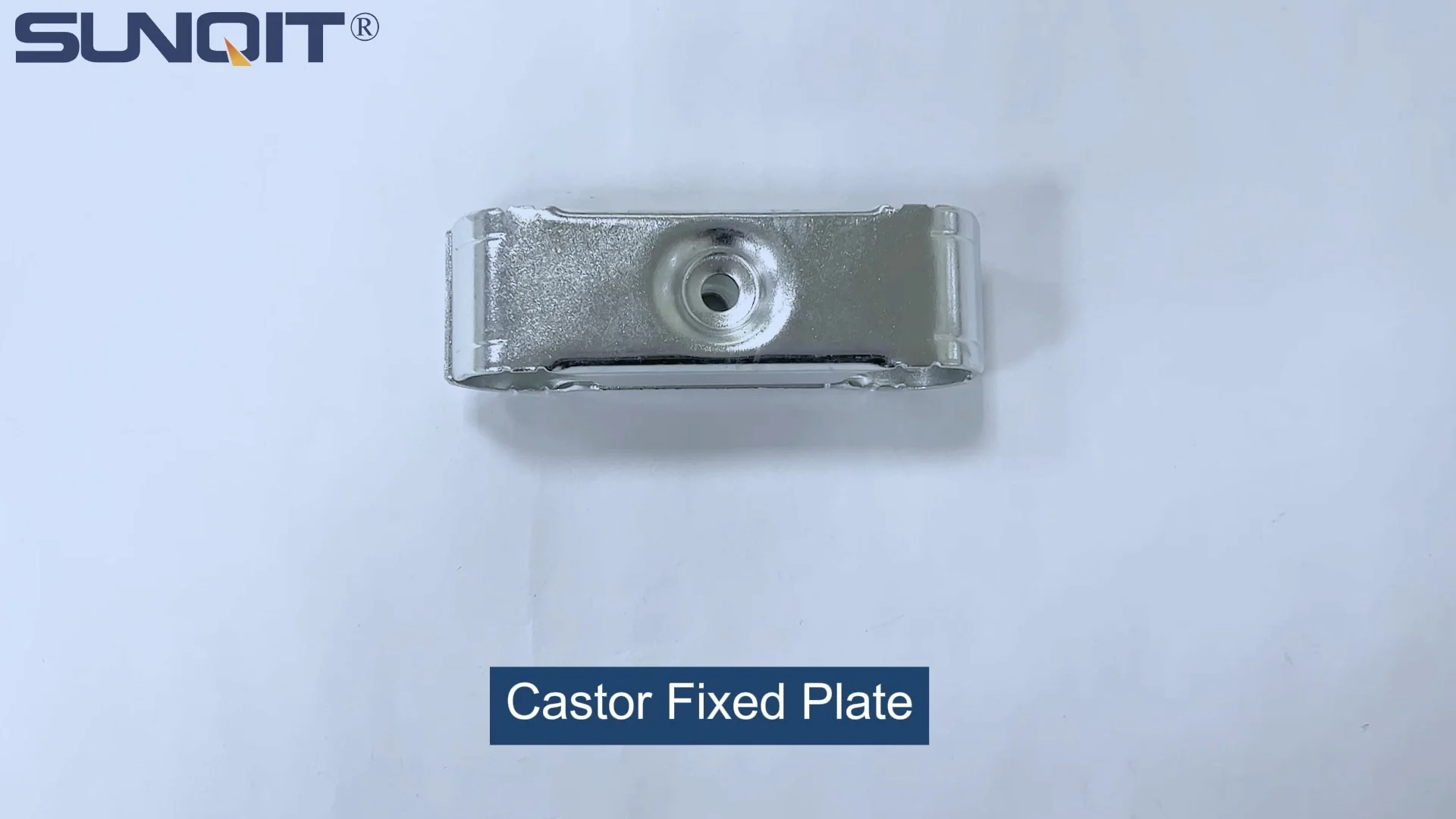
Castor Fixed Plate
Castor fixed plate, used for castor installation, one castor need two pcs castor plate to fix under the workbench, flow rack, and hand trolley.
In today's manufacturing landscape, sustainability isn't just a buzzword—it's a critical imperative. Every component, no matter how small, plays a role in the industry's environmental footprint. Take the humble castor fixed plate, for example. This unassuming piece of hardware, often overlooked, is essential for securing casters (wheels) to equipment like workbenches, turnover trolleys, and material racks. Yet, its environmental impact—from production to disposal—can be significant if made from non-recyclable materials. As businesses increasingly adopt lean system principles and prioritize eco-friendly practices, the choice of materials for such components has never been more important. In this article, we'll explore the environmental impact of traditional castor fixed plates, dive into recyclable material options that align with modern sustainability goals, and highlight how these choices benefit both the planet and your bottom line.
What Is a Castor Fixed Plate, and Why Does It Matter?
Before delving into environmental impact, let's clarify what a castor fixed plate is and why it's a staple in industrial settings. Part of the broader category of caster and accessories , a castor fixed plate is a flat, often metal or plastic component designed to attach casters to the base of equipment. Think of it as the bridge between a workbench leg and a caster wheel: it distributes weight evenly, ensures stability, and prevents the caster from detaching under heavy loads. Whether you're moving a loaded turnover trolley across a factory floor or adjusting the position of an ESD workstation, the fixed plate is what keeps everything secure.
These plates come in various sizes and designs, tailored to different equipment types. For instance, a lightweight hand trolley might use a small, plastic fixed plate, while a heavy-duty aluminum workbench requires a robust metal version. Over time, as equipment is retired, upgraded, or replaced, these plates often end up in landfills—unless they're made from materials that can be recycled or repurposed. That's where the environmental impact comes into play.
The Hidden Environmental Cost of Traditional Materials
Traditional castor fixed plates are typically made from galvanized steel, carbon steel, or low-grade plastics. While these materials are cheap and readily available, their lifecycle environmental cost is substantial. Let's break it down:
1. Resource Extraction and Production Emissions
Galvanized steel, for example, starts with iron ore mining—a process that disrupts ecosystems, consumes massive amounts of energy, and releases greenhouse gases. The steel is then smelted, rolled, and coated with zinc (galvanization) to prevent rust. Each step adds to the carbon footprint: producing one ton of steel emits approximately 1.8 tons of CO2, according to the World Steel Association. Low-grade plastics, often derived from petroleum, fare no better. Extracting and refining oil, then polymerizing it into plastic, releases toxic chemicals and contributes to climate change.
2. Limited Recyclability and Waste
When equipment reaches the end of its life, traditional fixed plates are rarely recycled. Galvanized steel, while technically recyclable, is often contaminated with coatings or adhesives that make separation costly. Many recycling facilities avoid it, leading to most plates ending up in landfills. Plastics, especially mixed or low-quality types, are even harder to recycle; only 9% of all plastic waste globally is recycled, per the UN Environment Programme. The rest persists in landfills for centuries or breaks down into microplastics, polluting soil and water.
3. Maintenance and Replacement Cycles
Low-quality materials also wear out faster. A plastic fixed plate might crack under heavy loads, while uncoated steel rusts in humid factory environments. Frequent replacements mean more production, more transportation, and more waste—compounding the environmental impact over time. For businesses using lean system principles, this inefficiency contradicts the goal of minimizing waste and maximizing resource use.

Recyclable Material Options: A Greener Path Forward
The good news is that sustainable alternatives exist. Modern manufacturing has embraced materials that offer the durability needed for castor fixed plates while prioritizing recyclability. Let's explore the top options, their benefits, and how they align with eco-friendly practices.
Aluminum: The Recyclable Workhorse
Aluminum has emerged as a frontrunner in sustainable manufacturing, and for good reason. Unlike steel, aluminum is 100% recyclable—meaning it can be melted down and reused indefinitely without losing quality. Recycling aluminum saves 95% of the energy required to produce it from raw bauxite ore, according to the Aluminum Association. That translates to a 90% reduction in CO2 emissions compared to virgin aluminum production.
For castor fixed plates, aluminum alloys like 6061 or 6063 are ideal. These alloys combine strength (comparable to mild steel) with lightweight properties, making them easy to handle and install. They're also naturally corrosion-resistant, eliminating the need for toxic coatings like galvanization. Many aluminum fixed plates are made from recycled content—some suppliers use up to 70% post-consumer or post-industrial scrap, further reducing their footprint.
Aluminum's compatibility with aluminum profile systems is another advantage. In lean manufacturing setups, equipment like workbenches and material racks is often built using modular aluminum profiles. Using aluminum fixed plates ensures the entire system is recyclable as a whole; when the equipment is retired, the plates, profiles, and other components can be melted down together, simplifying the recycling process.
Stainless Steel: Durability Meets Recyclability
Stainless steel is another strong contender, especially for heavy-duty applications. While its production is energy-intensive (similar to carbon steel), it offers unmatched durability—often lasting decades with minimal maintenance. This longevity reduces replacement cycles, offsetting initial emissions.
Most importantly, stainless steel is highly recyclable. Over 80% of stainless steel scrap is recycled globally, according to the International Stainless Steel Forum. Its alloy composition (iron, chromium, nickel) is stable, so it can be recycled repeatedly without degradation. For castor fixed plates, grades like 304 (food-grade) or 316 (marine-grade, for corrosive environments) are popular. These plates are often part of stainless steel pipe series systems, where their recyclability aligns with the industry's push for circularity.
Recycled Plastics: Closing the Loop
For lighter-duty applications, recycled plastics—like high-density polyethylene (HDPE) or polypropylene (PP)—are viable options. These plastics are made from post-consumer waste (e.g., plastic bottles, packaging) that would otherwise end up in landfills. Advances in recycling technology have improved their strength and durability; some recycled HDPE grades now match the performance of virgin plastics at a lower cost.
Recycled plastic fixed plates are ideal for environments where weight is a concern, such as medical carts or lightweight hand trolleys. They're also resistant to chemicals and moisture, making them suitable for cleanrooms or food processing facilities. While not as strong as metal, they offer a low-carbon alternative for non-heavy-duty use cases.
Hybrid Materials: Combining the Best of Both Worlds
Some innovative suppliers are experimenting with hybrid materials, such as aluminum-reinforced recycled plastic or stainless steel-plated recycled aluminum. These composites aim to balance strength, weight, and recyclability. For example, a recycled plastic plate with an aluminum core offers the corrosion resistance of plastic and the structural integrity of metal. While still niche, these hybrids could become more common as sustainability demands grow.

Comparing Recyclable Materials: A Side-by-Side Look
To help businesses choose the right material for their needs, let's compare the key attributes of recyclable options versus traditional materials:
| Material | Recyclability Rate (%) | Production CO2 Footprint (kg CO2/kg) | Typical Applications | Key Environmental Benefits |
|---|---|---|---|---|
| Traditional Galvanized Steel | 30-40 (contamination-dependent) | 1.8-2.2 | Heavy machinery, outdoor equipment | Low cost; limited sustainability benefits |
| Aluminum (6061 Alloy, 70% Recycled) | 100 | 0.2-0.3 (vs. 5.5 for virgin) | Workbenches, aluminum profile systems, trolleys | Energy savings (95% vs. virgin); corrosion-resistant; fully recyclable |
| Stainless Steel (304 Grade) | 80-90 | 2.5-3.0 | Heavy-duty racks, marine environments | Long lifespan (50+ years); 100% recyclable; low maintenance |
| Recycled HDPE Plastic | 85-90 (when properly sorted) | 0.8-1.2 (vs. 2.0 for virgin) | Lightweight trolleys, medical equipment | Reduces plastic waste; low embodied energy; chemical-resistant |

Beyond Materials: The Role of Lean Systems and Supplier Partnerships
Choosing recyclable materials is just one piece of the puzzle. To maximize sustainability, businesses should also consider how these components fit into broader lean system practices. Lean manufacturing focuses on eliminating waste—including material waste, energy use, and inefficiency. By integrating recyclable fixed plates into lean workflows, companies can create a closed-loop system where components are reused, recycled, or repurposed rather than discarded.
Working with the right suppliers is critical. Reputable lean pipe and accessories suppliers prioritize sustainability, offering fixed plates made from recycled materials and providing take-back programs for old components. For example, some suppliers will collect used aluminum plates, melt them down, and use the recycled aluminum to produce new ones—closing the loop and reducing reliance on virgin resources. When evaluating suppliers, look for certifications like ISO 14001 (environmental management) or ECOLABEL, which indicate a commitment to sustainability.
Modular design is another lean principle that supports sustainability. Fixed plates that are compatible with multiple caster types, workbench models, or trolley designs reduce the need for custom parts. This standardization minimizes waste from overproduction and makes recycling easier, as components are interchangeable and can be reused across different systems.
Real-World Impact: Case Studies in Sustainable Switching
Many businesses have already made the switch to recyclable castor fixed plates—and the results are encouraging. Let's look at two examples:
Case Study 1: Automotive Manufacturer Adopts Aluminum Plates
A mid-sized automotive parts manufacturer in Michigan was using galvanized steel fixed plates on its assembly line workbenches. Each year, it replaced approximately 500 worn or rusted plates, which ended up in landfills. In 2022, the company switched to aluminum fixed plates made from 80% recycled content. The results: over two years, it reduced CO2 emissions by 12 tons (from production and transportation), eliminated landfill waste from plate disposal, and saw a 30% reduction in replacement costs due to aluminum's corrosion resistance. The plates also integrated seamlessly with the company's existing aluminum profile workbenches, simplifying recycling when the workbenches are eventually retired.
Case Study 2: E-Commerce Fulfillment Center Uses Recycled Plastic
A large e-commerce fulfillment center in California needed lightweight, durable fixed plates for its battery-powered trolleys. Traditional plastic plates cracked under heavy loads, leading to frequent replacements. The center switched to recycled HDPE plates, made from post-consumer plastic bottles. The new plates were 20% lighter, reducing trolley energy use by 5%, and their flexibility reduced cracking by 75%. Over three years, the center diverted 12,000 plastic bottles from landfills and saved $45,000 in replacement costs.
Future Trends: Innovations in Recyclable Materials
The future of castor fixed plates lies in even more sustainable materials and manufacturing processes. Here are a few trends to watch:
Bio-Based Composites
Researchers are developing composites made from renewable resources like hemp fiber, bamboo, or recycled wood pulp mixed with bioplastics. These materials are biodegradable, carbon-neutral, and offer strength comparable to traditional plastics. While still in early stages, they could replace recycled plastics in low-load applications.
3D Printing with Recycled Filaments
3D printing (additive manufacturing) allows for precise, on-demand production of fixed plates using recycled plastic or metal filaments. This reduces material waste (since only the needed amount is used) and enables customization without the cost of molds. Some companies are already 3D-printing aluminum fixed plates from recycled powder, cutting production time and emissions.
Smart Materials with Embedded Recyclability
Materials science is advancing to create "design for recycling" (DfR) components. For example, aluminum plates with QR codes that store material composition data, making it easier for recyclers to sort and process them. Or plastics embedded with enzymes that help break them down into recyclable monomers when exposed to specific conditions.
Conclusion: Small Components, Big Impact
Castor fixed plates may seem like minor components, but their collective environmental impact is significant. By choosing recyclable materials like aluminum, stainless steel, or recycled plastics, businesses can reduce their carbon footprint, minimize waste, and align with lean system principles. The benefits extend beyond the environment: durability, lower lifecycle costs, and improved brand reputation as sustainability leaders.
As we move toward a circular economy, every decision matters. Whether you're a manufacturer building workbenches, a warehouse operator upgrading trolleys, or a supplier sourcing components, prioritizing recyclable castor fixed plates is a simple yet powerful step. After all, sustainability isn't about perfection—it's about progress. And progress starts with the choices we make today, even for the smallest parts of our operations.