- Company Articles
- Products and Technology
- Product knowledge
- Castor Fixed Plate Explained: Key Role in Flexible Production Equipment Mobility

Castor Fixed Plate Explained: Key Role in Flexible Production Equipment Mobility
Related Product
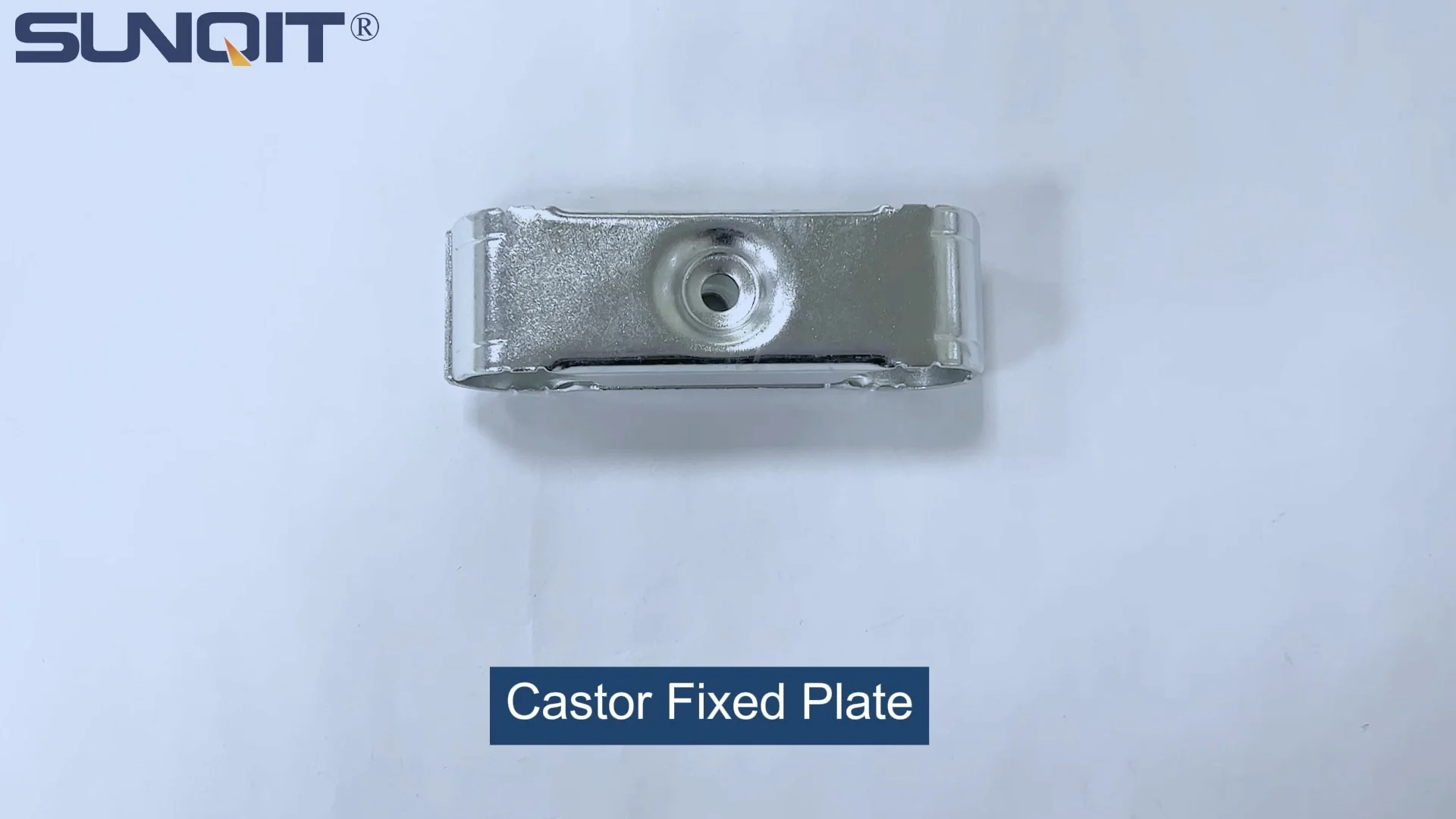
Castor Fixed Plate
Castor fixed plate, used for castor installation, one castor need two pcs castor plate to fix under the workbench, flow rack, and hand trolley.
Walk into any modern manufacturing facility, and you'll notice a subtle yet powerful trend: everything moves. Workbenches shift to accommodate new assembly lines, material racks glide between stations, and turnover trolleys weave through aisles carrying components—all with the kind of fluidity that feels almost orchestrated. This isn't just chaos controlled; it's the result of intentional design, where even the smallest components play outsized roles in keeping operations running smoothly. Enter the castor fixed plate: a humble, often overlooked piece of hardware that acts as the unsung hero of equipment mobility. In this article, we'll pull back the curtain on this critical component, exploring how it enables the flexibility that modern lean systems demand, why it matters for everything from workbenches to heavy-duty racks, and how choosing the right one can transform your production floor from static to dynamic.
What Is a Castor Fixed Plate, Anyway?
Let's start with the basics. A castor fixed plate is exactly what it sounds like: a flat, sturdy mounting plate designed to secure casters (those swiveling wheels you see on carts and workbenches) to the base of equipment. Think of it as the bridge between your workstation and its wheels—without it, casters would wobble, loosen, or even detach, turning a mobile asset into a stationary liability.
At first glance, it might seem simple: a metal (or sometimes plastic) plate with pre-drilled holes for bolts or screws. But don't let its simplicity fool you. The design is surprisingly nuanced. Most plates are rectangular or square, with holes spaced to match standard caster mounting patterns—after all, if the holes don't align with your caster's base, the plate is useless. The thickness of the plate matters too: a flimsy plate might bend under heavy loads, while an overly thick one adds unnecessary weight. It's a balance of strength and practicality.
Materials matter here, and the choice often comes down to the job at hand. Steel plates are the workhorses, prized for their high load capacity and durability—ideal for heavy equipment like material racks or industrial workbenches that might carry hundreds of pounds. Aluminum plates, on the other hand, are lighter and resistant to corrosion, making them a favorite for cleanrooms or environments where rust is a concern. Even plastic plates have their place, though they're typically reserved for light-duty use, like small utility carts or mobile shelving in offices.
But why not just bolt the caster directly to the equipment frame? You could, but frames—especially those made from aluminum profiles or lean pipes—often aren't thick enough to handle the stress of repeated movement. The castor fixed plate distributes the weight of the equipment (and its contents) across a larger surface area, reducing strain on the frame and preventing cracks or warping over time. It's like using a coaster under a heavy mug: small, but essential for protecting the surface underneath.
Why Mobility Matters: The Castor Fixed Plate in Lean Systems
Lean manufacturing isn't just a buzzword—it's a philosophy built on efficiency, adaptability, and eliminating waste. At its core is the idea that production should flow like water: smoothly, without interruptions, and responsive to changing demands. Mobility is the lifeblood of this flow. If your workbench can't move to where the assembly is happening, or your material rack can't shift to make space for a new machine, you're stuck with wasted time, inefficient layouts, and frustrated teams.
This is where the castor fixed plate shines. By securely attaching casters to equipment, it turns static structures into dynamic tools that can be reconfigured in minutes. Imagine a production line that needs to switch from assembling smartphones to tablets. With fixed, immovable workbenches, this might take hours—disassembling, moving, reassembling. But with workbenches mounted on casters via sturdy fixed plates? Teams can roll them into new positions, lock the brakes, and be back to work in minutes. That's the difference between a facility that adapts and one that falls behind.
It's not just about speed, either. In lean systems, every inch of space counts. A turnover trolley and rack that can be wheeled out of the way during peak hours, then brought back when needed, frees up valuable floor space. A flow rack with casters (secured by fixed plates) can be positioned right next to the assembly line during the day, then moved to a storage area overnight. These small adjustments add up, reducing the "waste of motion" that plagues static layouts and keeping teams focused on value-adding tasks, not navigating obstacles.

Working in Tandem: Castor Fixed Plates and Other Components
A castor fixed plate doesn't work alone. It's part of a ecosystem of components that together enable mobility. Let's break down its key partnerships:
Casters and Caster Accessories
The most obvious partner is the caster itself. The fixed plate acts as the interface between the caster and the equipment frame, so compatibility is key. Casters come in all shapes and sizes—swivel, rigid, heavy-duty, light-duty—and each has a specific mounting pattern (the distance between the bolt holes). A good fixed plate will match these patterns, ensuring a snug, secure fit. But it's not just about the plate and caster: caster accessories like lock washers, bolts, and brake levers also rely on the plate for stability. A loose bolt here, a misaligned hole there, and the whole system fails. That's why manufacturers often sell fixed plates as part of caster mounting kits, taking the guesswork out of pairing components.
Aluminum Profiles and Aluminum Profile Accessories
Modern production equipment is increasingly built with aluminum extrusion profiles—lightweight, strong, and infinitely customizable. These profiles have T-slots that let you attach everything from shelves to tool holders, and yes, castor fixed plates. For aluminum frames, fixed plates are often designed with tabs or brackets that slide into these T-slots, secured with aluminum profile accessories like T-nuts and bolts. This modularity is a game-changer: instead of welding plates to steel frames (a permanent, inflexible solution), teams can bolt on fixed plates, swap them out if needed, and reconfigure equipment on the fly. It's lean manufacturing in action—adaptable, reusable, and designed for change.
Equipment Frames: Workbenches, Racks, and Trolleys
Finally, the equipment itself. Whether it's a simple workbench, a heavy-duty material rack, or a turnover trolley, the frame must be compatible with the fixed plate. Steel frames might require weld-on plates for maximum strength, while aluminum frames use bolt-on plates. Even the thickness of the frame matters: a thin frame might need a larger plate to distribute weight, while a thick frame can handle a smaller, more compact plate. The goal? A seamless connection that feels like the plate is part of the equipment, not an afterthought.

Real-World Applications: Where Castor Fixed Plates Make a Difference
To truly understand the impact of castor fixed plates, let's look at their role in three common pieces of production equipment:
Workbenches: From Static to Stationary (When Needed)
A workbench is the heart of any assembly operation. It's where teams spend hours piecing together products, so it needs to be sturdy, ergonomic, and—these days—mobile. A workbench mounted on casters (with fixed plates) can be adjusted for height, moved to accommodate team members, or repositioned to align with a new workflow. But mobility without stability is dangerous: imagine a workbench with loose casters sliding around while someone is using power tools. The fixed plate ensures that even when the bench is moving, the casters stay firmly attached, and when locked, the bench stays put. For ESD workstations (used in electronics manufacturing), where static control is critical, a secure fixed plate also prevents gaps that could disrupt grounding—another example of how this small component impacts safety and quality.
Turnover Trolley and Rack: Hauling Heavy Loads Safely
Turnover trolleys and racks are workhorses, carrying everything from raw materials to finished products across the factory floor. They often bear heavy loads—sometimes hundreds of pounds—and need to move smoothly over uneven surfaces. A weak fixed plate here is a disaster waiting to happen: a caster could detach mid-transport, spilling components or causing injury. That's why these trolleys and racks use thick, steel fixed plates with reinforced mounting holes. The plates distribute the weight of the load evenly across the casters, preventing stress points and ensuring that even when the trolley hits a bump, the connection holds. It's not just about mobility; it's about reliability, even under pressure.
Flow Racks: Keeping Materials Moving
Flow racks are designed to keep materials moving from the back to the front, ready for assembly. But what if the rack itself needs to move? Maybe the assembly line shifts, or a new machine is installed nearby. A flow rack with casters (secured by fixed plates) can be repositioned to stay in sync with the workflow. The fixed plates here need to handle not just the weight of the rack and materials, but also the vibration from the rolling of items on the rack's roller tracks. A well-designed plate absorbs this vibration, preventing bolts from loosening over time and ensuring the rack stays stable, even when fully loaded.

Choosing the Right Castor Fixed Plate: Key Considerations
Not all castor fixed plates are created equal. Choosing the right one depends on your equipment, environment, and load requirements. Here's what to keep in mind:
| Factor | What to Look For | Example Use Case |
|---|---|---|
| Load Capacity | Calculate the total weight of the equipment plus its maximum load. Choose a plate rated for at least 120% of this weight to account for dynamic stress (e.g., moving over bumps). | A heavy-duty material rack carrying 500 lbs needs a plate rated for 600+ lbs. |
| Material | Steel for heavy loads and durability; aluminum for lightweight, corrosion-resistant needs; plastic for light-duty, non-conductive applications. | Food processing facilities might use stainless steel plates to resist corrosion from cleaning chemicals. |
| Mounting Type | Bolt-on (most common, easy to replace); weld-on (permanent, high strength); T-slot compatible (for aluminum profiles). | An aluminum profile workbench would use a T-slot compatible plate with aluminum profile accessories. |
| Size and Hole Pattern | Match the plate size to the caster's mounting plate and the equipment frame. Standard hole patterns include 4-bolt (square) or 5-bolt (star) configurations. | A 4-inch caster with a 3-inch bolt pattern needs a plate with holes spaced 3 inches apart. |
| Environment | Indoor vs. outdoor? Exposed to moisture, chemicals, or extreme temperatures? Choose a plate with a protective coating (e.g., powder coating for steel) if needed. | Outdoor storage racks might use galvanized steel plates to resist rust. |
It's also worth considering the "hidden" costs of choosing the wrong plate. A cheap, low-quality plate might save money upfront, but if it bends or fails, you're looking at downtime, replacement costs, and potential safety risks. Investing in a high-quality plate from a reputable supplier—one that tests for load capacity and durability—pays off in the long run.
Installation and Maintenance: Keeping Your Plates (and Equipment) Moving
Even the best castor fixed plate won't perform well if installed incorrectly. Here's how to ensure a secure, long-lasting setup:
Installation Tips
- Clean the surface: Dirt, grease, or rust on the equipment frame can prevent the plate from sitting flush. Wipe it down with a degreaser before mounting.
- Use the right hardware: Always use bolts or screws rated for the plate's load capacity. Lock washers or thread locker (e.g., Loctite) prevent loosening from vibration.
- Tighten evenly: Tighten bolts in a crisscross pattern to ensure the plate sits flat and doesn't warp.
- Test before use: After installation, give the equipment a gentle push and check for wobbling. If it shifts unevenly, the plate might be loose or misaligned.
Maintenance
Like any component, castor fixed plates need regular check-ups to stay in top shape. Add these steps to your preventive maintenance routine:
- Inspect monthly: Look for cracks, bending, or rust. Check that bolts are tight—vibration from movement can loosen them over time.
- Lubricate bolts: If using metal bolts on metal plates, apply a small amount of anti-seize lubricant to prevent corrosion and make future removal easier.
- replace when worn: If the plate is bent, cracked, or the holes are stripped, replace it immediately. Don't try to "make do" with a damaged plate—it's not worth the risk.
The Bottom Line: Small Component, Big Impact
It's easy to overlook the castor fixed plate. It's not flashy, it doesn't have any moving parts, and it's often hidden under equipment. But in the world of flexible production, it's the quiet enabler of efficiency. It turns workbenches into mobile workstations, turnover trolleys into reliable material transporters, and static layouts into adaptable ecosystems that can keep up with the pace of modern manufacturing.
So the next time you see a team rolling a workbench into place, or a trolley gliding smoothly across the factory floor, take a moment to appreciate the small, sturdy plate that's making it all possible. In the end, lean systems aren't just about big machines or fancy software—they're about the details. And when it comes to mobility, the castor fixed plate is one detail that shouldn't be overlooked.