- Company Articles
- Products and Technology
- Installation And Maintenance
- Castor Fixed Plate for Automated Production Lines: Integration Tips

Castor Fixed Plate for Automated Production Lines: Integration Tips
Related Product
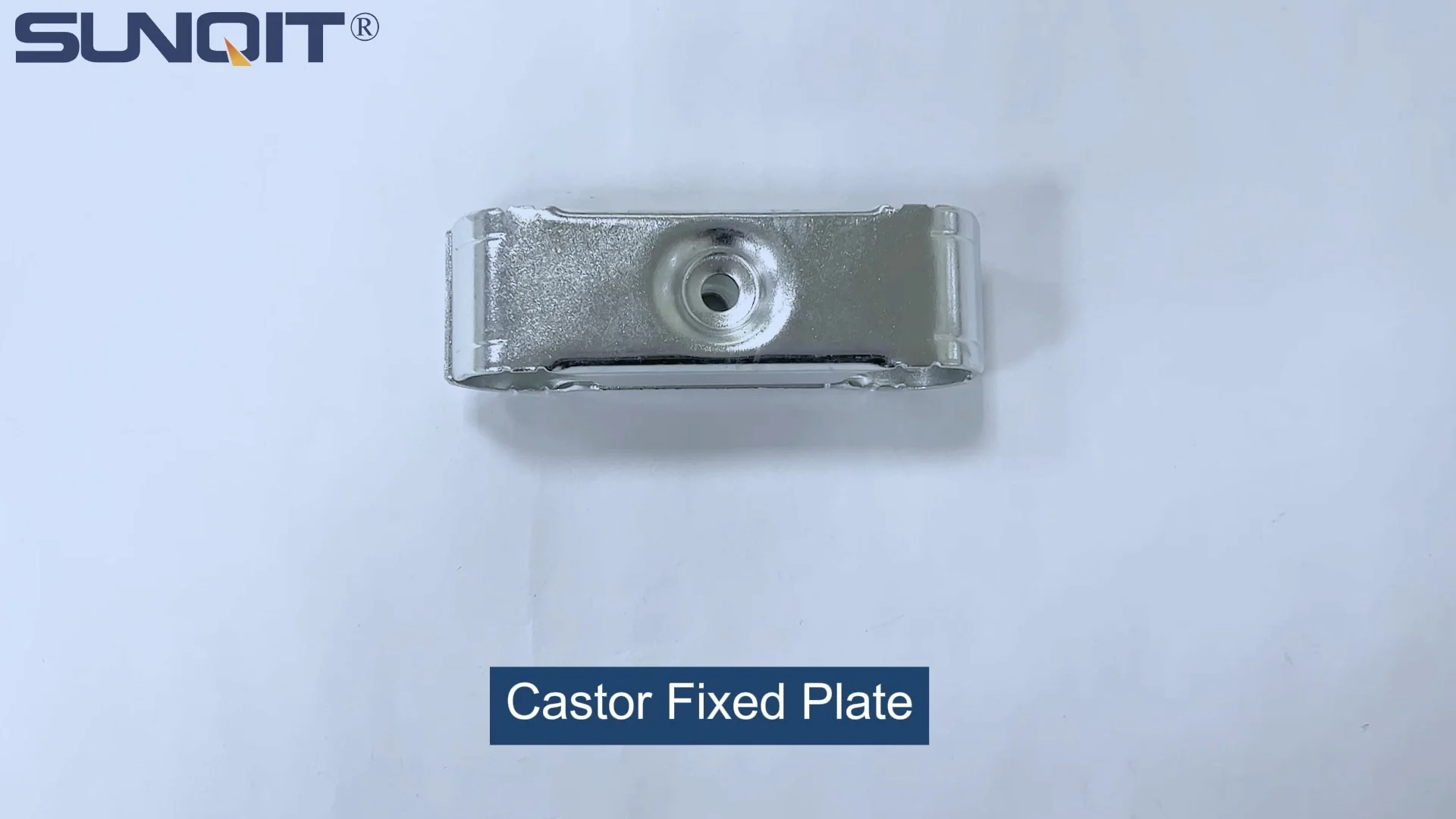
Castor Fixed Plate
Castor fixed plate, used for castor installation, one castor need two pcs castor plate to fix under the workbench, flow rack, and hand trolley.
In the bustling world of automated production lines, where every second counts and efficiency is king, the smooth movement of equipment can make or break daily operations. From material-carrying turnover trolleys gliding between workstations to mobile workbenches adjusting to assembly needs, mobility is the backbone of modern manufacturing. But here's the catch: mobility without stability is a recipe for disaster. A trolley that wobbles, a workbench that shifts, or a material rack that tilts not only disrupts workflow but also risks damaging products, injuring workers, and derailing lean system goals. Enter the unsung hero of this equation: the castor fixed plate. This small but mighty component is the quiet force that bridges moving parts and stationary structures, ensuring that your equipment moves when it should—and stays put when it needs to. In this article, we'll dive into what castor fixed plates are, why they matter in lean-driven environments, and share actionable integration tips to elevate your production line's performance.
What Is a Castor Fixed Plate, Anyway?
Let's start with the basics. A castor fixed plate is exactly what it sounds like: a flat, sturdy mounting component designed to secure casters (those swiveling wheels at the base of equipment) to the frame of your machinery. Think of it as the middleman between your caster wheels and your workbench, turnover trolley, or material rack. Without it, attaching casters directly to thin or uneven equipment frames would lead to instability, premature wear, and frequent breakdowns.
These plates come in various shapes, sizes, and materials, but their core job remains the same: distribute weight evenly, absorb shocks from movement, and provide a secure anchor point for casters. Most are made from durable materials like steel (for heavy loads) or aluminum (for lighter, corrosion-resistant applications), and they often feature pre-drilled holes to align with standard caster bolt patterns and equipment frames. They're part of the broader "caster and accessories" ecosystem, working alongside caster wheels, brakes, and mounting hardware to create a reliable mobility solution.
Why Castor Fixed Plates Matter in Lean Systems
If you're familiar with lean system principles, you know the focus is on eliminating waste—whether that's time, materials, or unnecessary movement. A well-integrated castor fixed plate directly supports these goals by ensuring that your mobile equipment operates at peak efficiency. Here's how:
- Stability = Less Downtime: Wobbly equipment leads to jams, spills, and broken parts. A quality fixed plate keeps casters aligned, reducing the risk of sudden stops or malfunctions that disrupt production.
- Extended Equipment Lifespan: By distributing weight evenly, fixed plates prevent uneven wear on casters and equipment frames. This means fewer replacements, lower maintenance costs, and less waste—all lean wins.
- Safer Work Environments: Unstable trolleys or workbenches are a safety hazard. Fixed plates minimize the risk of tipping or sliding, protecting workers and products alike.
In short, castor fixed plates might not be the most glamorous part of your production line, but they're critical to keeping your lean system running like a well-oiled machine.

5 Integration Tips for Castor Fixed Plates
Now that we understand their importance, let's get practical. Integrating castor fixed plates isn't just about slapping them on and hoping for the best. It requires careful planning to match the plate to your equipment, environment, and workflow. Here are five tips to ensure a seamless, effective integration:
1. Match Load Capacity to Your Application
First things first: know your numbers. The castor fixed plate must support not just the weight of the equipment itself (like a workbench or turnover trolley) but also the maximum load it will carry. For example, a "workbench e (single deck-without caster)" used for assembling small electronics might carry 50kg of tools and parts, while a material rack in an automotive plant could hold hundreds of kilograms of components. Add these together, and you get the total load your fixed plate needs to handle—plus a safety margin (we recommend 20-30% extra) to account for dynamic forces like starting, stopping, or uneven floors.
Don't skimp here. A plate with insufficient load capacity will bend or crack over time, leading to instability and potential failure. Check the manufacturer's specs for both the plate and your casters—they should work in tandem. For heavy-duty applications, opt for steel plates with reinforced edges; for lighter loads, aluminum might suffice.
2. Choose the Right Material for Your Environment
Castor fixed plates aren't one-size-fits-all when it comes to materials. The environment where your equipment operates will dictate the best choice:
- Steel: Ideal for heavy loads (think 500kg+) and dry, industrial settings. Steel is strong and affordable but prone to rust if exposed to moisture.
- Aluminum: Great for lighter loads, cleanrooms, or environments with moisture (like food processing plants). Aluminum is corrosion-resistant and lightweight, though less rigid than steel.
- Stainless Steel: The gold standard for harsh environments (chemical exposure, high humidity). It's pricier but offers unbeatable durability in tough conditions.
For example, if you're integrating a turnover trolley and rack in a pharmaceutical cleanroom, an aluminum or stainless steel plate would be far better than steel, which could corrode or shed particles.
3. Align with Equipment Frames for a Perfect Fit
A castor fixed plate is only as good as its alignment with your equipment's frame. Misalignment—even by a few millimeters—can cause uneven weight distribution, leading to caster wobble or premature wear. To avoid this:
- Check Frame Thickness: The plate should be thick enough to attach securely without bending the frame. For thin aluminum frames (common in lightweight workbenches), a thinner plate with more mounting points is better.
- Use Pre-Drilled Plates: Many manufacturers offer plates with pre-drilled holes that match standard equipment and caster bolt patterns. This eliminates guesswork and ensures a snug fit.
- Test Fit Before Final Installation: Attach the plate loosely first, then check for gaps or rocking. If the plate doesn't sit flat, use shims or adjust the mounting holes (if possible) to correct it.
4. Invest in Quality Fasteners
Even the best castor fixed plate will fail if paired with cheap or ill-fitting fasteners. The bolts, nuts, and washers you use must be strong enough to handle the load and compatible with both the plate and your equipment frame. For steel plates, use high-tensile steel bolts; for aluminum, opt for bolts that won't corrode (like stainless steel). Avoid over-tightening, which can strip threads or crack the plate, and always use lock washers or thread-locking fluid to prevent loosening from vibration.
5. Test Under Real-World Conditions
Finally, don't skip the testing phase. After installing the castor fixed plates, simulate real-world use: load the equipment to its maximum capacity, roll it over typical floor surfaces (including cracks or uneven spots), and test the brakes (if your casters have them). Watch for signs of stress, like bending plates or squeaking casters, and make adjustments as needed. This step might take extra time upfront, but it's far cheaper than fixing problems after they've disrupted production.

Comparing Castor Fixed Plate Options: A Quick Reference Table
| Material | Typical Load Capacity | Best For | Pros | Cons |
|---|---|---|---|---|
| Steel | 500kg+ | Heavy workbenches, industrial trolleys | Strong, affordable, high load capacity | Prone to rust, heavy |
| Aluminum | 100-300kg | Cleanrooms, light-duty trolleys, food processing | Lightweight, corrosion-resistant | Less rigid, lower load capacity |
| Stainless Steel | 300-800kg | Wet environments, chemical exposure | Durable, rust-proof, versatile | Expensive, heavier than aluminum |

Case Study: How One Manufacturer Improved Efficiency with Better Fixed Plates
To put these tips into context, let's look at a real-world example. A mid-sized automotive parts manufacturer was struggling with frequent breakdowns of their turnover trolleys, which carried heavy engine components between assembly stations. The trolleys were using generic steel plates that weren't rated for their 600kg load, leading to bent plates, wobbly casters, and weekly maintenance stops. Production managers estimated the downtime was costing them 10-15 hours per week—hardly lean.
After consulting with a caster and accessories supplier, they switched to heavy-duty steel castor fixed plates with a 800kg load capacity, pre-drilled to align with their trolley frames. They also upgraded to high-tensile bolts and added lock washers to prevent loosening. The result? Downtime dropped by 75%, caster replacements fell from monthly to quarterly, and workers reported feeling safer moving the trolleys. The investment in better fixed plates paid for itself in just two months.
Final Thoughts: Small Component, Big Impact
Castor fixed plates may not be the star of your production line, but they're the backbone that keeps your mobile equipment—and your lean system—on track. By choosing the right material, matching load capacity, ensuring alignment, using quality fasteners, and testing thoroughly, you can transform a component into a driver of efficiency, safety, and cost savings.
So the next time you're evaluating your automated production line, don't overlook the little things. A strong, well-integrated castor fixed plate might be the missing piece that takes your operations from good to great.