- Company Articles
- Products and Technology
- Product knowledge
- Castor Fixed Plate for Automotive Paint Shops: Chemical Resistance Features

Castor Fixed Plate for Automotive Paint Shops: Chemical Resistance Features
Related Product
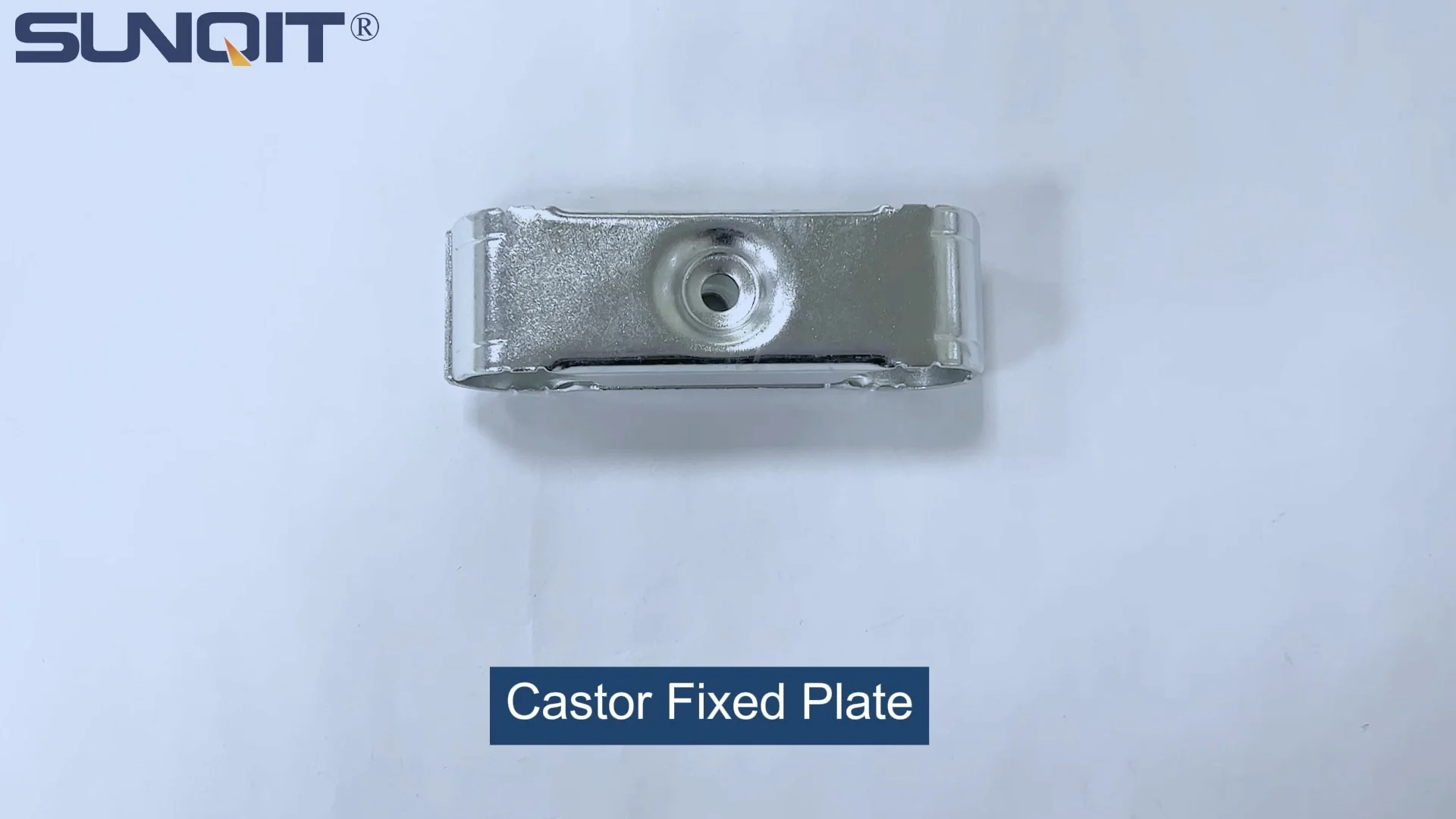
Castor Fixed Plate
Castor fixed plate, used for castor installation, one castor need two pcs castor plate to fix under the workbench, flow rack, and hand trolley.
Walk into any automotive paint shop, and you'll immediately sense the controlled chaos: the hum of ventilation systems, the sharp tang of fresh paint, and the steady movement of workbenches, trolleys, and material racks gliding across the floor. In this high-stakes environment, where precision and efficiency directly impact production timelines, every piece of equipment plays a critical role—including the unsung heroes that keep things moving: castor fixed plates. These small but mighty components might not grab headlines, but they're the backbone of mobility in paint shops, ensuring that workbenches, tool carts, and material racks can be repositioned quickly without compromising stability. Yet, in an environment flooded with harsh chemicals, solvents, and paints, not just any castor fixed plate will do. Chemical resistance isn't just a "nice-to-have" here—it's a make-or-break feature that determines whether your equipment lasts a month or a decade. Let's dive into why these unassuming plates are so vital, what makes them resistant to paint shop chemicals, and how choosing the right one can transform your workflow.
The Automotive Paint Shop: A Battlefield for Equipment
To understand why chemical resistance matters for castor fixed plates, you first need to grasp the unique challenges of an automotive paint shop. This isn't your average workshop—think of it as a chemical lab crossed with a manufacturing floor. Daily, technicians work with a cocktail of substances designed to bond, protect, and beautify car surfaces, and nearly all of them are tough on equipment. Let's break down the usual suspects:
Solvents and Thinners
Paints, primers, and clear coats rarely come ready to use. They're mixed with solvents like isopropyl alcohol, xylene, or acetone to adjust viscosity, and thinners to ensure smooth application. These chemicals are excellent at dissolving paint—but they're just as good at dissolving weaker materials like untreated steel or low-grade plastics. A single spill or even prolonged exposure to fumes can corrode metal, warp plastic, or degrade adhesives in standard castor components.
Paints and Coatings
Automotive paints are formulated to be durable, which means they're also highly adhesive. Over time, stray paint droplets build up on equipment, including castor fixed plates. If the plate's surface isn't resistant, the paint can bond permanently, creating uneven surfaces that jam casters or make movement jerky. Worse, when technicians try to scrape off dried paint, they might damage the plate's protective layer, leaving it vulnerable to future chemical attacks.
Cleaning Agents
Paint shops are strict about cleanliness—dust or debris in paint can ruin a finish. That means daily cleaning with industrial-grade detergents, degreasers, and sometimes even acidic or alkaline solutions. These cleaners are tough on grime, but they're equally tough on metal. A castor fixed plate that can't stand up to a regular wipe-down with a degreaser will start to rust or corrode in no time.
Humidity and Temperature Swings
Many paint shops use climate control to ensure paint dries evenly, but that doesn't eliminate moisture entirely. Humidity, combined with chemical residues, creates the perfect storm for corrosion. Add in occasional temperature spikes from paint dryers or heat lamps, and you've got a recipe for material fatigue. Metals expand and contract, plastics become brittle, and joints loosen—all of which can turn a reliable castor fixed plate into a liability.
What Exactly Is a Castor Fixed Plate?
Before we dive deeper into chemical resistance, let's clarify what a castor fixed plate is and why it's so important. In simple terms, it's the metal or composite base that connects a caster wheel to the equipment it's moving—think of it as the "bridge" between the wheel and the workbench, trolley, or rack. Its job is twofold: to distribute the equipment's weight evenly across the caster (preventing the wheel from bending or breaking under load) and to keep the caster securely attached, even when the equipment is moved over uneven floors or bumped into walls.
But here's the thing: not all fixed plates are created equal. A basic castor fixed plate might be a thin steel sheet with a few holes drilled for bolts. That works in a dry, clean environment like an office supply closet, but in a paint shop? It's a disaster waiting to happen. A high-quality, chemical-resistant castor fixed plate, on the other hand, is engineered with materials and design features that stand up to the shop's harsh conditions. It's thicker, often coated or made from corrosion-resistant alloys, and designed to shed chemicals rather than absorb them.

Why Chemical Resistance Isn't Optional
You might be thinking: "Can't we just replace castor fixed plates when they wear out?" In theory, yes—but in practice, the cost of frequent replacements, downtime, and safety risks makes it a terrible trade-off. Let's break down the consequences of skimping on chemical resistance:
Downtime and Lost Productivity
When a castor fixed plate fails—whether it's due to corrosion, warping, or paint buildup—the equipment it's attached to becomes immobile. A stuck workbench or trolley can bring a production line to a halt while technicians troubleshoot. In a shop where every minute counts, even an hour of downtime can cost thousands in lost output. Multiply that by multiple failures per year, and the numbers add up fast.
Safety Risks
A compromised castor fixed plate isn't just an inconvenience—it's a hazard. If the plate bends or breaks under load, the equipment can tip, spilling chemicals or tools. Uneven movement due to warped plates increases the risk of trips and falls. And corroded plates can weaken the entire caster assembly, leading to sudden failures that injure workers or damage vehicles being painted.
Increased Maintenance Costs
Even if the plate doesn't fail outright, weak chemical resistance means more frequent maintenance. Technicians will spend hours cleaning, repairing, or replacing plates, casters, and related caster accessories. Over time, these "minor" repairs add up to more than the cost of investing in a high-quality, chemical-resistant plate upfront.

Key Features of Chemical-Resistant Castor Fixed Plates
So, what makes a castor fixed plate "chemical-resistant"? It's not just one feature—it's a combination of materials, design, and coatings that work together to repel chemicals and withstand the shop's environment. Let's explore the most critical elements:
Material: The Foundation of Resistance
The material a castor fixed plate is made from is its first line of defense. Here's how the most common options stack up in paint shop conditions:
| Material | Chemical Resistance | Durability | Weight | Cost | Best For |
|---|---|---|---|---|---|
| Stainless Steel (304 or 316 Grade) | Excellent—resists solvents, acids, and paint buildup | High—resists rust and corrosion even with frequent exposure | Heavy | Moderate to High | High-chemical areas (paint mixing stations, solvent storage zones) |
| Aluminum (Anodized) | Very Good—resists most solvents and paints; less effective against strong acids | High—anodized layer prevents corrosion; lightweight but strong | Light | Moderate | General paint shop use, especially on mobile equipment (trolleys, lightweight workbenches) |
| Carbon Steel (Epoxy-Coated) | Good—coating repels chemicals, but vulnerable if scratched | Moderate—coating can wear off over time; steel rusts if exposed | Heavy | Low to Moderate | Low-chemical areas (storage racks, non-paint handling equipment) |
| Plastic (Nylon or Polypropylene) | Good for solvents, poor for strong acids; prone to paint adhesion | Low—can warp under heat or heavy loads | Very Light | Low | Light-duty, low-chemical environments only |
Surface Finish: Shedding Chemicals, Not Absorbing Them
Even the best materials need a little help. A smooth, non-porous surface finish is critical for chemical resistance. Think of it like a Teflon pan—chemicals and paint can't bond to the surface, so they bead up and wipe off easily. Many high-quality plates use polished stainless steel or anodized aluminum (which creates a hard, smooth oxide layer) for this reason. Avoid rough finishes or uncoated metals, which act like sponges for chemicals and paint.
Reinforced Edges and Sealed Joints
Chemicals love to sneak into cracks and crevices. That's why top-tier castor fixed plates have reinforced edges and sealed joints. Welds are ground smooth to eliminate gaps, and bolt holes are countersunk or covered with protective caps to prevent chemical ingress. This design not only extends the plate's life but also makes cleaning easier—no hidden spots for paint or solvent residue to build up.
Compatibility with Adjustable Leveling Feet
Many paint shop workbenches and racks use adjustable leveling feet to stay stable on uneven floors. A good castor fixed plate is designed to work seamlessly with these feet, with pre-drilled holes or mounting brackets that align perfectly. This ensures that even when the equipment is stationary, the plate remains supported and protected from moisture that can seep up from the floor—a common issue in shops with frequent cleaning.

Choosing the Right Material: A Closer Look
While the table above gives a general overview, let's dig deeper into the top two materials for chemical-resistant castor fixed plates: stainless steel and anodized aluminum. Both are excellent choices, but each has unique strengths that make them better suited for specific scenarios.
Stainless Steel: The Heavy-Duty Champion
Stainless steel is the gold standard for chemical resistance in paint shops, and for good reason. Its chromium content forms a passive oxide layer that resists rust and corrosion, even when exposed to harsh solvents. The two most common grades are 304 and 316. 304 is great for general use, while 316 (which includes molybdenum) offers extra protection against saltwater and strong acids—ideal for shops near coastal areas or those using acidic cleaning agents.
The downside? Stainless steel is heavy. That extra weight can make equipment harder to move, especially if you're using smaller casters. It's also more expensive upfront, though its longevity often offsets the cost. If you're outfitting a paint mixing station or a rack that holds heavy paint drums, stainless steel is worth the investment.
Anodized Aluminum: The Lightweight Performer
Anodized aluminum is a close second, and in many cases, the better choice for mobile equipment. The anodization process electrochemically bonds a layer of aluminum oxide to the surface, creating a hard, scratch-resistant barrier that repels most solvents and paints. It's significantly lighter than stainless steel, making trolleys and workbenches easier to maneuver—a big plus in busy shops where equipment is moved constantly.
Aluminum's Achilles' heel? It's less resistant to strong acids. If your shop uses sulfuric or hydrochloric acid-based cleaners, aluminum might corrode over time. But for most paint shops, which rely on solvents and mild detergents, it's more than up to the task. Plus, it's more affordable than stainless steel, making it a great option for outfitting multiple pieces of equipment.
Design Innovations: Beyond Material
Even the best material can fail if the plate's design is flawed. Manufacturers are constantly innovating to make castor fixed plates more resistant, durable, and user-friendly. Here are a few standout design features to look for:
Drainage Channels
Ever notice how water pools on flat surfaces? Chemicals do the same. Some advanced castor fixed plates feature subtle drainage channels that direct spills and cleaning fluids away from the plate and caster assembly. This prevents pooling, which can lead to corrosion or paint buildup. The channels are shallow enough not to weaken the plate but deep enough to guide liquids toward the edges, where they can drip off harmlessly.
Rounded Corners
Sharp corners are a double whammy: they're easy to scratch (damaging protective coatings) and hard to clean (paint and chemicals get trapped in the angles). Modern plates often have rounded corners, which are not only safer (fewer cuts from sharp edges) but also shed chemicals more effectively. A quick wipe with a cloth removes most residues, reducing maintenance time.
Modular Mounting Systems
Not all casters are the same, and neither is the equipment they're attached to. Some manufacturers offer castor fixed plates with modular mounting holes, allowing them to fit a variety of caster sizes and styles. This flexibility is a huge advantage when replacing old plates or upgrading to heavier-duty casters. It also means you can standardize on one plate design across multiple equipment types, simplifying inventory and maintenance.
Installation and Maintenance: Getting the Most Out of Your Plates
Even the best castor fixed plate won't perform well if it's installed incorrectly or neglected. Here's how to ensure yours last as long as possible:
Installation Tips
First, always use the right hardware. Stainless steel plates should be mounted with stainless steel bolts to avoid galvanic corrosion (a reaction between dissimilar metals). For aluminum plates, use aluminum or coated steel bolts. Tighten bolts evenly to prevent warping—over-tightening on one side can bend the plate, creating gaps where chemicals can seep in.
Second, align the plate properly with the caster and equipment. Misalignment can cause uneven weight distribution, leading to premature wear. If your equipment uses adjustable leveling feet, make sure they're set correctly before mounting the plate—this ensures the plate sits flat and doesn't flex under load.
Maintenance Best Practices
Regular cleaning is key. Wipe down castor fixed plates daily with a mild detergent and a soft cloth to remove paint splatters and chemical residues. Avoid abrasive scrubbers, which can scratch protective coatings. For stubborn paint buildup, use a plastic scraper (never metal!) to gently lift off the paint, then wipe with a solvent-resistant cleaner.
Inspect plates monthly for signs of damage: cracks, corrosion, or loose bolts. Tighten bolts as needed, and replace any plate that shows significant wear. Remember, a small repair now can prevent a catastrophic failure later.
How Castor Fixed Plates Stack Up to Other Components
Castor fixed plates are just one part of the mobility system in a paint shop. How do they compare to other components like casters themselves or adjustable leveling feet?
Castor Fixed Plates vs. Casters
Casters get all the attention, but they're only as good as the plates they're mounted on. A high-quality caster with a cheap, non-resistant plate will fail quickly. Think of it like a car: the wheels (casters) are important, but they need a strong axle (fixed plate) to function. Investing in both ensures smooth, reliable movement.
Castor Fixed Plates vs. Adjustable Leveling Feet
Adjustable leveling feet keep equipment stable when stationary, while castor fixed plates enable mobility. They're complementary, not competing. Many shops use equipment with both: leveling feet to lock the equipment in place during use, and casters (mounted on fixed plates) for repositioning. The key is ensuring both components are chemical-resistant—otherwise, one weak link can compromise the entire system.
Real-World Success: A Paint Shop's Transformation
To put this all in perspective, let's look at a real example. A mid-sized automotive paint shop in Michigan was struggling with frequent castor failures on their workbenches and material trolleys. Technicians were spending 2-3 hours per week replacing corroded plates and casters, and downtime was costing them $500 per hour. The shop was using standard carbon steel plates, which rusted quickly after exposure to solvents and paint thinners.
After consulting with a supplier, they switched to 304 stainless steel castor fixed plates paired with anodized aluminum casters. The initial investment was higher—about $200 per plate vs. $50 for the old steel ones—but the results were dramatic. In the first year, they replaced zero plates. Maintenance time dropped to 30 minutes per month, and downtime due to caster issues vanished. The shop estimated the upgrade paid for itself in less than six months, and the plates are still going strong three years later.
Future Trends: What's Next for Chemical-Resistant Castor Technology?
As automotive paint shops adopt more advanced coatings and stricter safety standards, castor fixed plate technology is evolving to keep up. Here are a few trends to watch:
Nanocoatings
Researchers are developing nanoscale coatings that bond to metal surfaces, creating an ultra-thin, super-slippery layer that repels chemicals and paint. These coatings could extend the life of aluminum and steel plates even further, making them nearly impervious to corrosion.
Smart Plates with Sensors
Imagine a castor fixed plate with built-in sensors that detect corrosion or stress and send alerts to a maintenance app. Early prototypes are in development, and they could revolutionize predictive maintenance—allowing shops to replace plates before they fail.
Eco-Friendly Materials
With sustainability becoming a priority, manufacturers are exploring recycled stainless steel and aluminum alloys that maintain chemical resistance while reducing environmental impact. Some are even experimenting with plant-based coatings as alternatives to traditional epoxies.
Final Thoughts: Invest in the Foundation
Castor fixed plates might be small, but their impact on an automotive paint shop's efficiency, safety, and bottom line is huge. In a environment where chemicals, moisture, and constant movement test every piece of equipment, choosing a chemical-resistant plate isn't just smart—it's essential. Whether you opt for stainless steel for heavy-duty areas or anodized aluminum for mobile equipment, the key is to prioritize materials and design features that repel chemicals, resist corrosion, and stand up to daily wear and tear.
Remember, the best castor fixed plate is one you never have to think about. It does its job quietly, keeping your equipment moving smoothly and your shop running efficiently. So next time you're outfitting your paint shop, don't overlook these unsung heroes—they might just be the best investment you make.