- Company Articles
- Products and Technology
- Product knowledge
- Castor Fixed Plate for Automotive Parts Carts: Withstanding Daily Wear

Castor Fixed Plate for Automotive Parts Carts: Withstanding Daily Wear
Related Product
Castor Fixed Plate
Castor fixed plate, used for castor installation, one castor need two pcs castor plate to fix under the workbench, flow rack, and hand trolley.
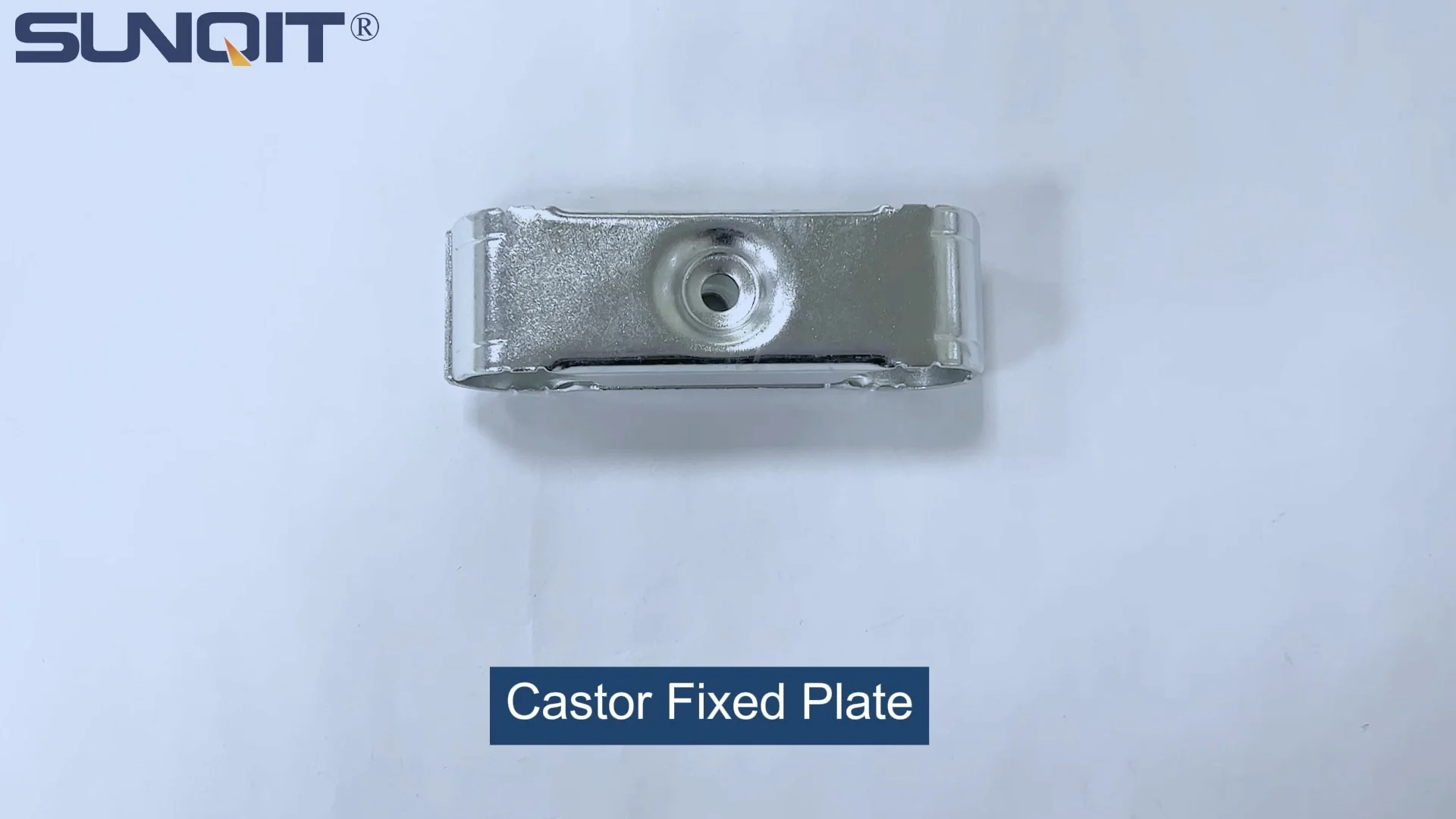
The unsung hero keeping your workshop moving, one reliable roll at a time
The Quiet Backbone of Busy Automotive Workshops
Walk into any automotive manufacturing plant or repair shop, and you'll hear the hum of productivity: drills whirring, tools clinking, and the steady roll of carts ferrying parts. From engine blocks to small screws, these carts are the lifelines of the operation, ensuring components reach the right station at the right time. But amid the chaos, there's a tiny yet critical component working behind the scenes—the castor fixed plate. It's not flashy, it rarely gets noticed, but when it fails, everything grinds to a halt.
Think about the last time you struggled with a wobbly shopping cart. Now multiply that frustration by a hundred: heavy metal parts instead of groceries, a deadline looming, and a team relying on smooth workflows. A faulty castor fixed plate doesn't just slow things down—it risks damaged inventory, missed schedules, and even employee injuries. In automotive settings, where precision and reliability are non-negotiable, this small piece of hardware carries an outsized responsibility.
This article dives into the world of castor fixed plates for automotive parts carts. We'll explore why they matter, what makes a high-quality one, and how investing in the right components—like durable caster accessories and well-designed turnover trolley and rack systems—can transform a workshop from chaotic to (efficient). Because in the end, it's the little things that keep the big machines running.
What Exactly Is a Castor Fixed Plate?
Let's start with the basics. A castor fixed plate is a flat, sturdy piece of material—usually metal—that connects the caster wheel to the base of a cart. Picture it as the bridge between the wheel and the cart's frame: it bolts to the cart's underside and provides a stable platform for the caster to attach to. Without it, the caster would wobble, the wheel might detach, and the cart would become unusable.
You'll find these plates on nearly every wheeled cart in an automotive shop, from small parts carriers to heavy-duty turnover trolley and rack units. They come in various shapes and sizes, but their core job remains the same: to distribute weight evenly, absorb shocks from rough floors, and keep the caster securely in place through thousands of rolls, stops, and turns.
But not all castor fixed plates are created equal. A cheap, thin plate might work for a lightweight home cart, but in an automotive environment—where carts often carry 200kg+ loads, navigate oil-stained concrete, and endure daily use—it's a recipe for disaster. That's why understanding what makes a plate "high-quality" is key to avoiding costly breakdowns.

Why Automotive Workshops Demand Extra Durability
Automotive workshops are harsh places for equipment. Let's break down the challenges a castor fixed plate faces daily:
- Heavy Loads: A single cart might carry multiple brake assemblies, transmission parts, or even engine blocks—easily exceeding 300kg. The fixed plate must distribute this weight without bending or cracking.
- Frequent Movement: Carts aren't just rolled occasionally; they're pushed, pulled, and maneuvered dozens of times a day. Each jolt, stop, or turn puts stress on the plate and its mounting bolts.
- Rough Surfaces: Workshop floors are rarely smooth. Oil spills, metal shavings, and uneven concrete mean wheels hit bumps and debris, transferring impact to the fixed plate.
- Chemical Exposure: Oil, grease, cleaning solvents, and coolants can corrode metal over time. A plate without proper protection will rust, weakening its structure.
- Temperature Swings: From hot engines to air-conditioned storage areas, temperature changes cause materials to expand and contract, testing the plate's integrity.
In short, automotive environments are tough on equipment. A castor fixed plate that works in a retail store or office won't cut it here. This is where specialized caster accessories and heavy-duty designs become essential.

Key Features of a Reliable Castor Fixed Plate
So, what should you look for in a castor fixed plate for automotive parts carts? Let's break down the critical features:
1. Material Matters: Steel, Stainless Steel, or Aluminum?
The material of the fixed plate directly impacts its strength, weight, and resistance to corrosion. Here's how the options stack up:
| Material | Thickness Range (mm) | Typical Load Capacity (kg) | Corrosion Resistance | Best For |
|---|---|---|---|---|
| Carbon Steel | 3–8mm | 200–800 | Low (needs coating) | Heavy loads, dry environments |
| Stainless Steel | 3–6mm | 150–600 | High (resists oil, chemicals) | Wet/chemical-exposed areas |
| Aluminum | 4–10mm | 100–400 | Medium (naturally resistant) | Light-to-medium loads, clean rooms |
For most automotive workshops, stainless steel or coated carbon steel is the go-to. Stainless steel handles chemicals and moisture, while coated carbon steel (like zinc-plated or powder-coated) offers strength at a lower cost.
2. Design: Thickness, Mounting Holes, and Reinforcements
A thicker plate isn't always better—balance is key. A plate that's too thick adds unnecessary weight, while one that's too thin bends under pressure. Most high-quality plates range from 4–8mm thick for automotive use.
Mounting holes are another critical detail. They should be precisely positioned to align with both the cart frame and the caster's mounting pattern. Look for plates with reinforced hole edges (like countersinking or bushing) to prevent bolts from stripping the metal over time.
Some plates also include ribs or gussets —extra metal ridges that add rigidity without increasing thickness. These are especially useful for carts that carry uneven loads, as they prevent the plate from warping.
3. Load Rating: Never Skimp on Capacity
Every castor fixed plate has a maximum load rating, usually listed in kilograms. Always choose a plate with a rating higher than the cart's typical load. For example, if your cart carries 300kg, opt for a plate rated for 450kg or more. This "safety margin" accounts for sudden impacts (like hitting a bump) that temporarily increase stress.
Remember: The total load is distributed across all four casters. A cart with four plates should have each plate rated for at least ¼ of the total load (plus the margin). Cutting corners here is a recipe for failure.

The Ripple Effect of a Sturdy Castor Fixed Plate
It's easy to think of a castor fixed plate as just another part, but its impact ripples through the entire workshop. Here's how a reliable plate transforms daily operations:
1. Smoother Workflows, Fewer Delays
A wobbly cart isn't just annoying—it's a productivity killer. Mechanics waste time wrestling with unsteady equipment, and parts get delayed as carts are sidelined for repairs. A sturdy fixed plate means carts glide smoothly, so parts reach stations on time, and teams stay focused on their work.
2. Safer Work Environments
A failed castor fixed plate can lead to carts tipping over, spilling heavy parts. This risks injury to employees and damage to expensive components. In one study, over 20% of workshop accidents in automotive plants are linked to faulty material handling equipment—many traceable to weak or broken castor components.
A reliable plate also reduces strain on employees. Pushing a smooth-rolling cart requires less effort than fighting a wobbly one, lowering the risk of back injuries and fatigue.
3. Lower Maintenance Costs
Cheap plates bend, rust, or crack, leading to frequent replacements. A high-quality plate, on the other hand, can last 5–10 years with minimal upkeep. Over time, this saves money on replacement parts, labor, and downtime.
4. Happier, More Motivated Teams
It's the little things that affect morale. When tools and equipment work as they should, employees feel valued and trusted. A workshop with reliable carts isn't just more efficient—it's a place where people want to work. And a motivated team is a productive team.
Case Study: How One Workshop Cut Downtime by 40% with Better Castor Fixed Plates
Consider a mid-sized automotive parts manufacturer in Michigan. They were struggling with frequent cart breakdowns—casters kept detaching, and fixed plates bent under the weight of transmission components. Mechanics were spending 2–3 hours a week repairing carts, and two employees had strained backs from pushing wobbly equipment.
The solution? Upgrading to stainless steel castor fixed plates with 6mm thickness, reinforced mounting holes, and a 500kg load rating. They also switched to high-quality caster accessories, including heavy-duty bolts and corrosion-resistant washers.
The results were dramatic: Cart repairs dropped by 40%, and employee-reported back pain decreased by 60%. The workshop manager noted, "We didn't realize how much time we were wasting until the carts stopped breaking. Now, the team can focus on building parts, not fixing equipment."
This isn't an isolated story. Across industries, upgrading to reliable material handling components—like castor fixed plates and turnover trolley and rack systems—consistently boosts efficiency and morale.
Choosing the Right Supplier: Why Quality Starts at the Source
A great castor fixed plate is only as good as its supplier. When shopping for plates (or complete caster systems), look for suppliers who:
- Specialize in Industrial Applications: Suppliers focused on automotive or manufacturing understand the unique demands of workshop environments. Avoid generic "one-size-fits-all" hardware stores.
- Provide Test Data: Reputable suppliers can share load-testing results, material certifications (like stainless steel grades), and durability reports. If a supplier can't prove their plate's rating, walk away.
- Offer Customization: Every workshop has unique carts. A supplier who can adjust plate size, hole patterns, or materials to fit your needs ensures a perfect fit.
- Stock Caster Accessories: The best suppliers sell not just plates, but the bolts, washers, and tools needed for installation. This ensures compatibility and saves you from hunting for parts.
Don't let price be the only factor. A cheap plate might save $10 upfront, but it could cost hundreds in repairs, downtime, or injuries later. As the saying goes: "Buy once, cry once."
Maintenance Tips: Making Your Castor Fixed Plates Last
Even the best castor fixed plates need care. Here's how to extend their lifespan:
- Inspect Regularly: Check plates weekly for cracks, bending, or rust. Tighten loose bolts—they can vibrate free over time, increasing stress on the plate.
- Clean and Lubricate: Wipe plates with a degreaser to remove oil and grime, which trap moisture and cause corrosion. Lubricate caster joints (not the plate itself) to reduce friction during movement.
- replace Damaged Plates Promptly: A small bend or crack will only get worse. replace plates at the first sign of damage to avoid catastrophic failure.
- Train Teams on Proper Use: Even a great plate can fail if employees overload carts or ram them into walls. Educate your team on load limits and safe handling.
Final Thoughts: Invest in the Foundation of Your Workflow
In the grand scheme of automotive manufacturing, castor fixed plates are small—but their role is enormous. They're the foundation of your material handling system, the quiet force that keeps parts moving and teams productive. By choosing high-quality plates, pairing them with the right caster accessories, and maintaining them properly, you're not just buying hardware—you're investing in your workshop's efficiency, safety, and success.
So the next time you see a cart gliding smoothly across the shop, take a moment to appreciate the castor fixed plate. It may not get the glory, but it's the unsung hero keeping your operation rolling.