
Walk into any cold storage warehouse, and you'll immediately feel the bite of sub-zero temperatures—where every breath fogs, and even metal surfaces stick to your skin. These environments are engineering marvels, designed to preserve perishables from farm-fresh produce to frozen meats, but they're also unforgiving to equipment. Pallets, trolleys, and mobile workstations are the lifelines here, moving goods efficiently from receiving to shipping. At the heart of that mobility? Casters. But what keeps those casters securely attached to the equipment, even when temperatures drop to -30°C (-22°F)? The unsung hero: the castor fixed plate. In this article, we'll dive into why freeze-resistant materials matter for these plates, the challenges they face in cold storage, and how choosing the right one can transform your warehouse's efficiency—all while keeping your operations running smoothly, even in the coldest corners.
The Role of Castor Fixed Plates: More Than Just a "Plate"
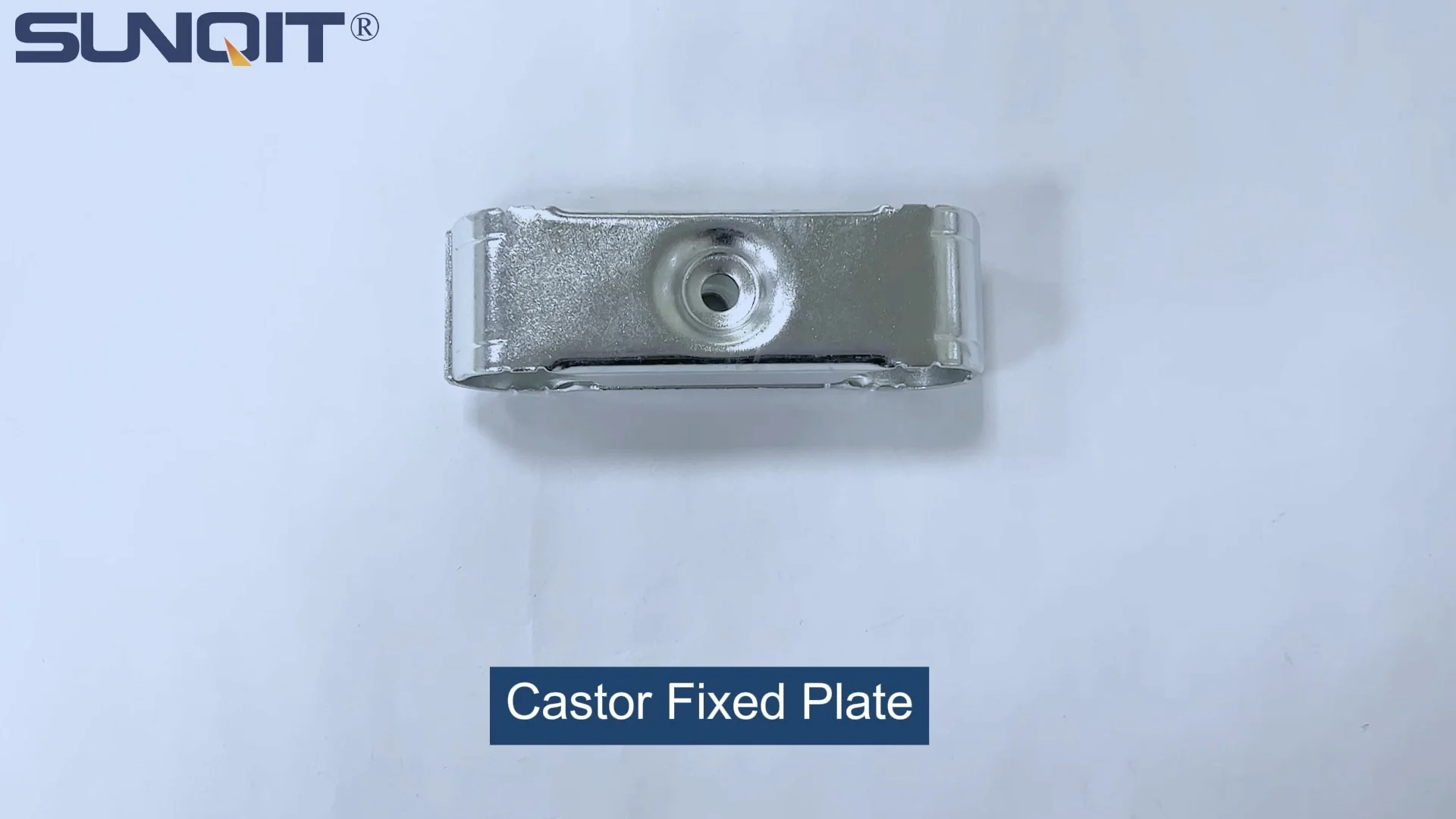
Before we talk about freeze resistance, let's clarify what a castor fixed plate actually does. Think of it as the bridge between your caster wheel and the equipment it's attached to—a metal (or composite) plate that bolts the caster to the bottom of a trolley, rack, or workbench. Its job sounds simple: hold the caster in place. But in cold storage, that "simple" job becomes critical. When temperatures plummet, materials contract, moisture turns to ice, and even small flaws in the fixed plate can lead to catastrophic failure. A loose caster isn't just an inconvenience; it's a safety hazard. A trolley loaded with frozen goods could tip, damaging inventory or injuring workers. In a lean system—where efficiency and waste reduction are paramount—downtime from a broken caster fixed plate can throw off production schedules, delay shipments, and eat into profits. That's why choosing the right material for this small but mighty component is non-negotiable.
Why Cold Storage Breaks "Regular" Fixed Plates
Cold storage isn't just "cold"—it's a perfect storm of conditions that test materials to their limits. Let's break down the challenges:
- Extreme Temperature Fluctuations: Even in "constant" cold storage, doors open and close, letting in warmer air. This causes materials to expand and contract repeatedly—a process called thermal cycling. Over time, this weakens metal, leading to cracks or brittleness.
- Moisture and Condensation: Cold air can't hold as much moisture as warm air, so when equipment moves from a -20°C freezer to a loading dock at 15°C, condensation forms. That moisture freezes when the equipment goes back in, creating ice buildup that can corrode metal or jam moving parts.
- Chemical Exposure: Many cold storage facilities use de-icing agents, sanitizers, or refrigerants that can eat away at unprotected metal. A fixed plate made of plain carbon steel, for example, would start rusting within weeks in this environment.
- Heavy Loads: Frozen goods are dense—think 50kg boxes of frozen vegetables or 100kg pallets of meat. The castor fixed plate has to support not just the weight of the equipment, but the load it's carrying, all while enduring the stress of constant movement on cold, possibly uneven floors.
In short, a castor fixed plate that works fine in a warm warehouse will fail quickly in cold storage. To avoid that, we need materials engineered to stand up to these conditions: freeze-resistant, corrosion-resistant, and tough enough to handle thermal stress.

Freeze-Resistant Materials: Which One is Right for You?
Not all metals are created equal in the cold. Let's compare the most common materials used for castor fixed plates in cold storage, weighing their pros, cons, and best-use scenarios. We'll focus on three front-runners: stainless steel, aluminum alloys, and coated carbon steel. Each has its place, but understanding their properties will help you make the best choice for your facility.
| Material Type | Freeze Resistance (1-10) | Corrosion Resistance | Load Capacity (Typical, kg) | Cost (Relative) | Best For |
|---|---|---|---|---|---|
| Stainless Steel (316 Grade) | 9 | Excellent (resists salt, chemicals, moisture) | 300-800 | High | Extreme cold (-30°C+), high moisture, chemical exposure |
| Aluminum Alloy (6061-T6) | 7 | Good (natural oxide layer resists corrosion) | 150-500 | Medium | Moderate cold (-10°C to -20°C), lightweight equipment |
| Zinc-Coated Carbon Steel | 6 | Fair (zinc layer wears off over time) | 400-1000 | Low | Mild cold (-5°C to -10°C), dry environments, budget constraints |
| Epoxy-Coated Steel | 7 | Good (coating resists chemicals; prone to chipping) | 300-700 | Medium-Low | Moderate cold, low moisture, where visual appeal matters |
Stainless Steel: The Gold Standard for Extreme Conditions
When it comes to cold storage, stainless steel—especially 316 grade—is hard to beat. Unlike 304 stainless steel (which is common in kitchens), 316 contains molybdenum, a metal that boosts its resistance to corrosion from salt, acids, and moisture. In freezers where condensation and ice are constant, this is a game-changer. Stainless steel also handles thermal cycling well; it doesn't become brittle at low temperatures, so it won't crack or shatter when equipment moves between cold and warm zones. The downside? It's pricey. But for facilities storing seafood (exposed to salt mist), pharmaceuticals (needing strict sanitization), or operating below -25°C, the investment pays off. You'll see fewer replacements, less downtime, and lower long-term maintenance costs.
Aluminum Alloys: Lightweight and Corrosion-Resistant (With Limits)
Aluminum is a popular choice for mobile equipment because it's lightweight—easy to push even when loaded. Alloys like 6061-T6 are heat-treated to be strong, and they form a natural oxide layer that resists corrosion. In moderate cold (-10°C to -20°C), aluminum fixed plates work well, especially for lighter equipment like picking trolleys or small turnover racks. However, aluminum becomes more brittle at extremely low temperatures (below -25°C), so it's not ideal for deep freezers. It also has a lower load capacity than steel, so if you're moving heavy pallets, you might need a thicker plate or reinforcement.
Coated Carbon Steel: Budget-Friendly but High-Maintenance
Carbon steel is strong and cheap, but it rusts easily—hence the coatings. Zinc plating (galvanization) or epoxy coatings add a layer of protection, but in cold, moist environments, that layer can chip or wear off. Once the steel is exposed, rust sets in quickly, weakening the plate. This is a viable option for mild cold (above -10°C) and dry storage, but don't expect it to last more than a year or two in a busy freezer. If you're on a tight budget, consider it as a temporary solution, but plan to upgrade to stainless steel or aluminum down the line.

Key Features to Look for in a Freeze-Resistant Castor Fixed Plate
Material is just the start. When shopping for castor fixed plates, keep an eye out for these features to ensure they'll hold up in cold storage:
1. Thickness Matters
A thin plate (less than 3mm) might save weight, but it won't stand up to heavy loads or repeated stress. Aim for at least 4-6mm thickness for cold storage applications—thicker if you're moving over 500kg regularly.
2. Pre-Drilled Holes with Deburred Edges
Holes for bolts should be pre-drilled and smooth (no sharp edges). In cold temperatures, sharp edges can act as stress points, leading to cracks. Also, ensure the holes are compatible with your caster bolts—mismatched sizes can lead to loose fittings.
3. Rounded Corners
Sharp corners are another stress point. Rounded corners distribute weight more evenly and reduce the risk of cracking during thermal cycling.
4. Compatibility with Caster and Accessories
Not all casters fit all plates. Check that the fixed plate is designed for your caster type—swivel, rigid, heavy-duty, etc. Also, consider accessories like lock washers or anti-vibration pads, which can help keep the plate secure in bumpy environments.

Installation and Maintenance: Protecting Your Investment
Even the best castor fixed plate will fail if installed or maintained poorly. Here's how to get the most out of your freeze-resistant plates:
Installation Tips
- Clean the Surface: Before installing, wipe down the equipment base and the fixed plate with a dry cloth to remove ice, frost, or debris. Moisture trapped between the plate and equipment can freeze, causing gaps or corrosion.
- Use Stainless Steel Bolts: Even if your plate is stainless steel, using regular steel bolts will lead to galvanic corrosion (a chemical reaction between dissimilar metals). Spend the extra on stainless steel bolts and lock washers.
- Torque Properly: Over-tightening bolts can warp the plate or strip threads; under-tightening leaves room for movement. Check the manufacturer's torque specs and use a torque wrench to get it right.
Maintenance Routine
- Inspect Monthly: Check for cracks, rust, or loose bolts. In high-traffic areas, inspect every two weeks. Look for ice buildup around the plate—if ice is forming, it could mean moisture is seeping in.
- Lubricate Bolts: Use a silicone-based lubricant on bolts and threads to prevent them from seizing in the cold. Avoid oil-based lubricants, which can thicken and become gummy at low temps.
- replace Damaged Plates Immediately: A cracked or rusted plate is a ticking time bomb. Don't wait for it to fail—swap it out at the first sign of damage.
Case Study: How Upgrading to Stainless Steel Fixed Plates Transformed a Frozen Food Warehouse
Let's put this all into perspective with a real-world example. A mid-sized frozen food distributor in the Midwest was struggling with constant caster failures in their -25°C (-13°F) warehouse. Their trolleys and material racks used zinc-coated steel fixed plates, which were rusting and cracking within 6-8 months. Each failure led to 2-3 hours of downtime to replace the plate and caster, not to mention the risk of damaged inventory. The maintenance team was spending 10+ hours a month just on caster-related repairs.
In 2023, they switched to 316 stainless steel castor fixed plates (paired with heavy-duty casters from their trusted caster and accessories supplier). The initial cost was higher—about 3x the price of the zinc-coated plates—but the results spoke for themselves. After six months:
- Downtime from caster failures dropped by 75%.
- Maintenance hours spent on casters fell to 2 hours per month.
- No more inventory damage from tipping trolleys.
- Workers reported feeling safer and more efficient, as equipment moved smoothly without unexpected jams.
The warehouse manager estimated the upgrade paid for itself within a year, thanks to reduced downtime and lower maintenance costs. "We used to see the maintenance team fixing casters every other week," he said. "Now, I barely think about them. It's amazing how a small part like a fixed plate can make such a big difference."
Conclusion: Don't Overlook the Little Things in Cold Storage
In cold storage, where every detail matters, the castor fixed plate is a reminder that even the smallest components can have a huge impact on efficiency, safety, and profitability. Choosing a freeze-resistant material—like stainless steel for extreme conditions or aluminum for moderate cold—isn't just a purchase; it's an investment in your operation's reliability. Pair it with proper installation, regular maintenance, and quality caster and accessories, and you'll keep your equipment rolling smoothly, even when the mercury drops.
So, the next time you're evaluating your cold storage equipment, take a minute to look down at the casters. What's holding them in place? If it's a rusted, thin steel plate, it might be time for an upgrade. Your team, your inventory, and your bottom line will thank you.