- Company Articles
- Products and Technology
- Product knowledge
- Castor Fixed Plate for Heavy-Duty Conveyors: Long-Term Reliability

Castor Fixed Plate for Heavy-Duty Conveyors: Long-Term Reliability
Related Product
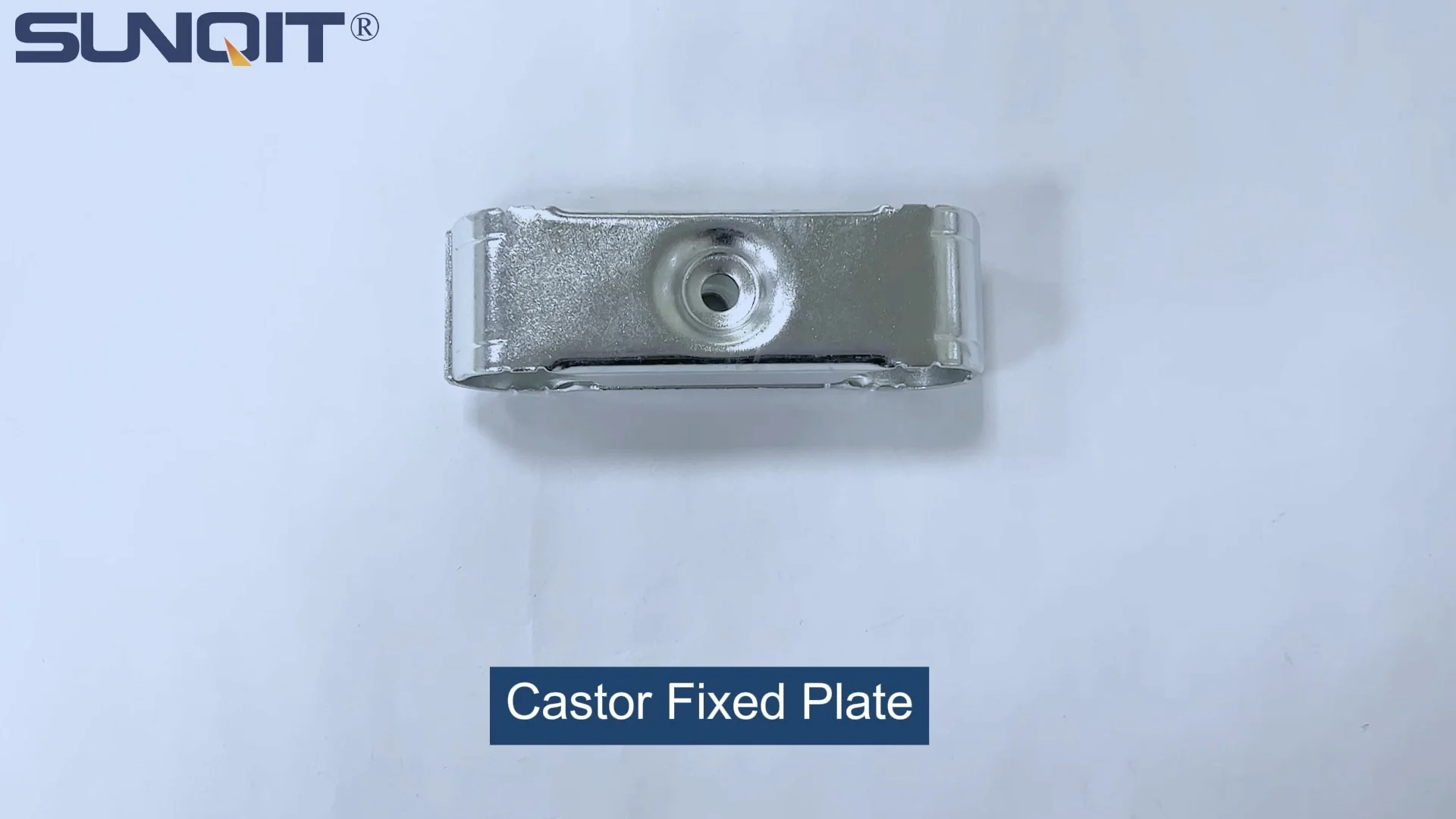
Castor Fixed Plate
Castor fixed plate, used for castor installation, one castor need two pcs castor plate to fix under the workbench, flow rack, and hand trolley.
Walk through any high-volume manufacturing facility, and you'll quickly spot the backbone of daily operations: conveyors. These unassuming systems hum along, moving everything from bulky engine parts to delicate electronics, often under relentless pressure to keep up with production targets. But here's the thing about conveyors—their reliability hinges on far more than just the big, obvious components like motors or belts. It's the small, often overlooked parts that can make or break their performance. One such unsung hero? The castor fixed plate. In this article, we'll dive into why this humble component is critical for heavy-duty conveyors, how it ensures long-term reliability, and what to look for when choosing one for your operation.
What Even Is a Castor Fixed Plate? (And Why Should You Care?)
Let's start with the basics. A castor fixed plate is exactly what it sounds like: a sturdy, flat plate designed to secure caster wheels to the base of a conveyor or heavy equipment. Think of it as the bridge between the caster and the conveyor frame—its job is to distribute weight evenly, absorb vibrations, and keep the caster firmly in place, even when the conveyor is hauling loads that weigh hundreds (or thousands) of pounds. Without a reliable fixed plate, casters can wobble, loosen, or even break off over time—leading to jams, downtime, and costly repairs.
In heavy-duty settings—like automotive assembly lines, warehouse distribution centers, or industrial manufacturing plants—this becomes even more critical. Imagine a conveyor moving steel beams or engine blocks: the constant stress of heavy loads, frequent starts and stops, and the occasional bump or misalignment can turn a weak fixed plate into a ticking time bomb. That's why choosing the right castor fixed plate isn't just about checking a box on a parts list; it's about protecting your operation's efficiency, safety, and bottom line.
Materials Matter: Why the Right Build Makes All the Difference
Not all castor fixed plates are created equal. The material they're made from directly impacts their strength, durability, and ability to stand up to harsh environments. Let's break down the most common options and when to use them:
| Material | Key Strengths | Best For |
|---|---|---|
| Steel | Exceptional load capacity, high tensile strength, resistant to bending under heavy weights. | Extremely heavy loads (500+ lbs), high-impact environments like metal fabrication. |
| Aluminum | Lightweight yet strong, corrosion-resistant, ideal for reducing overall conveyor weight. | Moderate loads (200-500 lbs), clean environments like food processing or electronics assembly. |
| Reinforced Plastic | Corrosion-proof, non-conductive, gentle on delicate loads (no scratching). | Light loads (under 200 lbs), wet environments or where electrical insulation is needed. |
For most heavy-duty conveyor applications, steel or aluminum are the go-to choices. Steel plates are the workhorses—they're tough, affordable, and can handle the kind of abuse that would warp or crack weaker materials. Aluminum, on the other hand, shines in settings where weight matters. If your conveyor needs to be mobile or integrated with aluminum profile frames (a common setup in modern factories), an aluminum fixed plate can reduce strain on motors and make installation easier without sacrificing durability.

Design Features That Boost Long-Term Reliability
Beyond material, the design of a castor fixed plate plays a huge role in how well it performs over time. Here are the key features to look for:
1. Weight Distribution & Thickness
A good fixed plate doesn't just hold the caster—it spreads the load across the conveyor frame. Look for plates with a thickness of at least 3/16 inch (for steel) or ¼ inch (for aluminum) to prevent bending. Some manufacturers also add ribbing or gussets (small reinforcing brackets) to critical stress points, like where the caster bolts attach. This extra support can extend the plate's lifespan by years, even under constant use.
2. Bolt Hole Placement & Reinforcement
The holes where bolts secure the plate to the caster and frame are another weak spot. Plates with countersunk holes (which let bolts sit flush) reduce the risk of snags or damage to loads. Even better: plates with reinforced bolt sleeves (metal rings around the holes) to prevent stripping, especially if you need to remove and reattach the caster for maintenance. Trust us—there's nothing more frustrating than a stripped bolt hole bringing your conveyor to a halt.
3. Compatibility with Conveyor & Caster Types
Conveyors come in all shapes and sizes—from roller track systems that slide products along to belt conveyors that carry items up inclines. Your fixed plate needs to match both the caster (swivel, rigid, braked) and the conveyor's frame design. For example, if your conveyor uses aluminum profile frames (a popular choice for modular setups), look for plates with slots or T-slot compatible hardware that align with the profile's grooves. Mismatched plates can lead to instability, uneven wear, and even damage to the conveyor itself.

Real-World Impact: How a Reliable Fixed Plate Saves Time & Money
Don't just take our word for it—let's look at a real example. A mid-sized automotive parts manufacturer recently reached out to us after struggling with frequent conveyor breakdowns. Their assembly line used roller track conveyors to move gearboxes, each weighing around 300 lbs. Every few weeks, a caster would loosen, causing the conveyor to tilt and jam. The maintenance team was spending hours fixing it, and production delays were costing the company thousands in lost output.
After inspecting their setup, we noticed they were using generic, thin steel fixed plates with no reinforcement. We recommended upgrading to heavy-duty steel plates with ribbed edges and reinforced bolt sleeves, designed specifically for roller track conveyors. Six months later, the manufacturer reported zero caster-related breakdowns. Their maintenance team's time was freed up for other tasks, and production targets were consistently met. The upgrade cost a few hundred dollars—but the savings in downtime and labor? Tens of thousands.
This isn't an isolated case. In warehouse distribution centers, where conveyors run 24/7, a single caster failure can disrupt an entire shipping schedule. In food processing plants, a rusted or weakened plate could even lead to contamination if parts break off. The message is clear: investing in a quality castor fixed plate is an investment in reliability.

Maintenance Tips to Extend Your Fixed Plate's Lifespan
Even the best fixed plate needs a little care to stay in top shape. Here are simple steps to keep yours working for years:
- Inspect Regularly: Once a month, check for signs of wear—cracks, bending, or loose bolts. Tighten bolts as needed (but don't over-tighten, which can strip threads).
- Clean & Lubricate: Wipe away dirt, grease, or debris that could corrode the plate or trap moisture. For steel plates in humid environments, a light coat of anti-rust spray can prevent oxidation.
- replace Worn Parts Promptly: If you notice a bolt is stripped or the plate is bent, replace it immediately. Waiting can turn a small issue into a major failure.
- Match Loads to Ratings: Don't exceed the plate's weight capacity! If your conveyor starts hauling heavier items, upgrade the plate to match the new load.
Choosing the Right Castor Fixed Plate: What to Ask Your Supplier
Ready to upgrade? When talking to a conveyor supplier or parts manufacturer, ask these key questions to ensure you get the right plate:
- What's the maximum load rating? Make sure it exceeds your conveyor's typical load by at least 20% (to account for unexpected spikes).
- Is it compatible with my conveyor's frame? Mention if you're using aluminum profile, steel, or another material—they should have plates designed to fit.
- What materials and finishes are available? For wet or corrosive environments, ask about galvanized steel or anodized aluminum options.
- Do you offer custom sizes? If your conveyor has unique dimensions, a custom plate might be necessary for a perfect fit.
Final Thoughts: The Small Part That Drives Big Results
In the world of heavy-duty conveyors, it's easy to focus on the flashy components—the high-powered motors, the durable belts, the smart sensors. But as we've seen, the castor fixed plate is the quiet foundation that holds it all together. It's the difference between a conveyor that runs smoothly for years and one that's constantly breaking down. It's the reason your team can focus on production, not repairs. And in the end, it's a small investment that delivers huge returns in reliability, safety, and peace of mind.
So the next time you're evaluating your conveyor system, take a closer look at those fixed plates. They might not get the glory—but they deserve the attention. After all, when it comes to keeping your operation moving, every part counts.