- Company Articles
- Products and Technology
- Product knowledge
- Castor Fixed Plate for Logistics Carts: Reducing Worker Fatigue

Castor Fixed Plate for Logistics Carts: Reducing Worker Fatigue
Related Product
Castor Fixed Plate
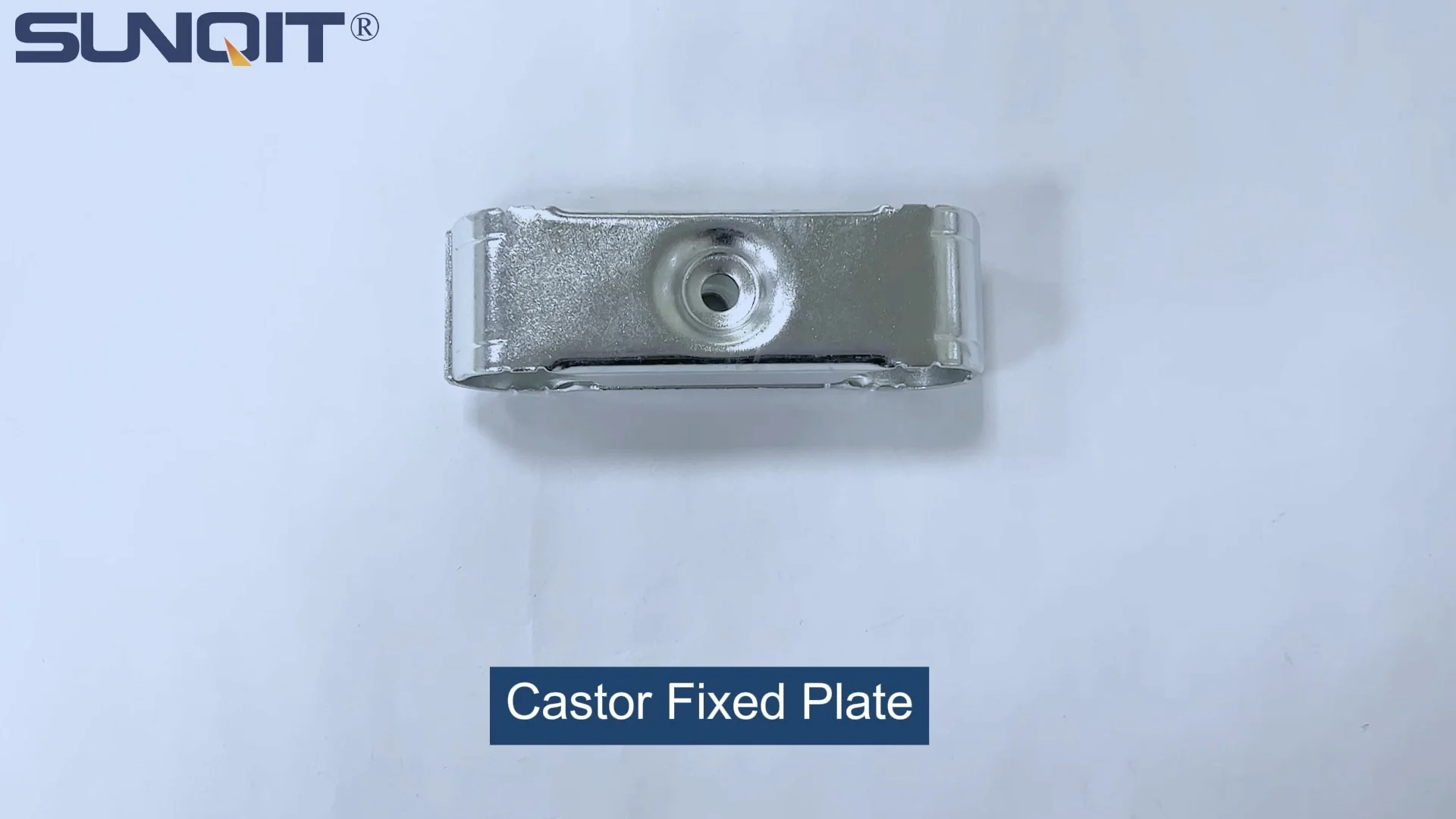
Castor fixed plate, used for castor installation, one castor need two pcs castor plate to fix under the workbench, flow rack, and hand trolley.
Walk through any warehouse, factory, or distribution center, and you'll see them: logistics carts gliding (or sometimes struggling) across the floor, loaded with parts, boxes, or tools. They're the workhorses of material handling, quietly keeping operations moving. But behind every cart is a worker—someone pushing, pulling, or maneuvering it dozens of times a day. What if I told you that the metal plate holding the cart's wheels in place could be the key to making their job easier, safer, and less tiring? That's where the castor fixed plate comes in. In this article, we'll dive into how this small but mighty component is transforming workplaces by reducing worker fatigue, one cart push at a time.
The Hidden Toll of Fatigue in Material Handling
Fatigue in the workplace isn't just a matter of feeling tired—it's a silent productivity killer and a safety risk. According to the National Institute for Occupational Safety and Health (NIOSH), musculoskeletal disorders (MSDs) like back pain, shoulder strain, and wrist injuries are among the most common work-related injuries, with material handling tasks being a leading cause. A significant contributor? The physical effort required to move heavy or unwieldy logistics carts.
Imagine a warehouse associate named Maria. She spends 8 hours a day pushing a 300-pound cart loaded with electronic components from the storage area to the assembly line. The cart's wheels wobble slightly because the plates holding them to the frame are bent. To keep it straight, Maria has to lean to one side, straining her lower back and shoulders. By mid-afternoon, her arms ache, her posture slumps, and she moves slower—slowing down production and increasing her risk of a strain injury. Multiply Maria's experience by hundreds of workers across a facility, and the cost of unaddressed cart instability becomes clear: lost time, higher turnover, and mounting workers' compensation claims.
The problem often boils down to poor cart design, and at the heart of that design is the connection between the cart and its wheels: the castor fixed plate. When this component is flimsy, misaligned, or poorly made, the cart becomes a source of constant physical stress. When it's well-engineered, it transforms the cart into an extension of the worker—smooth, stable, and almost effortless to move.
What Is a Castor Fixed Plate, Anyway?
Let's start with the basics. A caster wheel is the wheel-and-swivel assembly that allows a cart to roll and turn. But without something to secure it to the cart frame, that wheel is useless. Enter the castor fixed plate —a flat, rigid metal (or sometimes aluminum) plate that bolts or welds to the bottom of the cart, providing a stable base for attaching the caster wheel. Think of it as the bridge between the cart's structure and its mobility.
These plates come in various shapes, sizes, and materials, but their core job is simple: distribute the cart's load evenly across the caster wheel, prevent wobbling, and absorb shocks from uneven floors. They're part of the broader category of caster and accessories , which includes everything from wheel bearings to brake mechanisms. While they might seem like a minor detail, their design directly impacts how much force a worker needs to exert to move the cart.
| Material | Load Capacity (lbs) | Durability | Best For |
|---|---|---|---|
| Steel | 500–2,000+ | High (resists bending, corrosion with coating) | Heavy-duty carts, industrial warehouses |
| Aluminum | 300–800 | Moderate (lightweight, corrosion-resistant) | Cleanrooms, food processing, light to medium loads |
| Stainless Steel | 400–1,500 | Very high (resists rust, chemicals) | Pharmaceutical, medical, wet environments |
For example, a steel castor fixed plate is ideal for a cart hauling heavy machinery parts, while an aluminum plate might be better for a lighter cart in a cleanroom where corrosion is a concern. The key is that the plate must be rigid enough to withstand the cart's weight without flexing—because flexing leads to wobbling, and wobbling leads to fatigue.

How Castor Fixed Plates Reduce Worker Fatigue: The Science Behind the Stability
So, how exactly does a well-designed castor fixed plate ease the physical burden on workers? Let's break it down into three key benefits:
1. Even Weight Distribution
When a cart's load is unevenly distributed—say, because one caster plate is bent—the worker has to compensate by applying more force to one side. Over time, this asymmetric effort strains muscles in the back, shoulders, and arms. A flat, sturdy castor fixed plate ensures the cart's weight is spread evenly across all four wheels. This means the worker can push straight ahead with minimal effort, reducing the risk of muscle imbalances and strain.
2. Reduced Vibration and Shock Absorption
Warehouses and factories rarely have perfectly smooth floors. Cracks, uneven concrete, or threshold strips can jolt a cart as it moves, sending shocks up the handle and into the worker's arms and shoulders. A high-quality castor fixed plate, paired with a good caster wheel, acts as a buffer. The plate's rigidity prevents the wheel from tilting excessively over bumps, while features like reinforced edges or rubberized mounts absorb some of the impact. For workers, this means less jarring and more comfortable pushing, even over rough terrain.
3. Improved Maneuverability
A loose or misaligned castor fixed plate can cause the caster wheel to swivel erratically, making the cart hard to steer. Workers end up wrestling with the cart, using extra force to keep it on track. A properly mounted plate keeps the caster wheel aligned, allowing for smooth swiveling and precise control. Think of it like the difference between driving a car with loose steering and one with tight, responsive controls—one feels like a chore, the other like second nature.
For Maria, the warehouse associate, upgrading to steel castor fixed plates meant her cart no longer wobbled. She could push it with one hand, her posture improved, and by the end of her shift, she still had energy left. Her productivity went up, and she stopped dreading the daily cart runs. That's the power of a simple component done right.

Castor Fixed Plates and the Lean System: A Perfect Match
In the world of manufacturing and logistics, lean system principles focus on eliminating waste—whether it's wasted time, materials, or effort. Worker fatigue is a form of waste too: it wastes energy, slows down processes, and increases the risk of errors. Castor fixed plates play a quiet but critical role in supporting lean goals by turning material handling from a drain on resources into a streamlined, efficient process.
Here's how they fit into the lean puzzle:
- Reduced Cycle Times: A cart that's easy to push moves faster. Workers spend less time transporting materials and more time on value-added tasks, like assembling products or picking orders.
- Lower Maintenance Costs: Durable castor fixed plates reduce wear and tear on caster wheels and cart frames, meaning fewer breakdowns and less time spent on repairs.
- Improved Safety: Fatigue-related accidents—like dropping loads or colliding with equipment—decrease when workers are less tired. This reduces downtime and keeps lean workflows on track.
- Employee Engagement: When workers feel their comfort and safety are prioritized, morale improves. Engaged employees are more likely to embrace lean practices and contribute ideas for further improvement.
For example, a automotive parts manufacturer in Michigan implemented a lean initiative that included upgrading all logistics carts with heavy-duty steel castor fixed plates. Within six months, they reported a 15% increase in material handling speed and a 25% drop in worker compensation claims related to back strain. The investment in better plates paid for itself through improved efficiency and reduced costs—proof that even small components can drive big lean wins.

Beyond the Cart: Castor Fixed Plates in Workbench and Flow Rack Systems
While logistics carts are the most obvious application, castor fixed plates play a role in other material handling equipment too—including workbench setups and flow rack systems. Mobile workbenches, for instance, rely on casters to move between assembly stations. A wobbly workbench not only makes tasks like soldering or sorting parts harder but also risks spilling tools or materials. A sturdy castor fixed plate keeps the workbench stable, allowing workers to focus on their tasks without worrying about the surface shifting.
Flow racks, which use gravity to move products along roller tracks, sometimes integrate mobile carts at the picking end. These carts need to align perfectly with the rack to ensure smooth product transfer. A misaligned castor fixed plate can throw off this alignment, causing products to get stuck or fall off. By keeping the cart level and steady, the plate ensures seamless flow—another example of how it supports lean material movement.
Maintaining Your Castor Fixed Plates: Simple Steps for Long-Lasting Performance
Even the best castor fixed plates need a little care to keep performing at their best. Here are some maintenance tips to extend their life and keep carts rolling smoothly:
- Inspect Regularly: Once a month, check plates for cracks, bends, or loose bolts. Tighten any loose hardware and replace plates that show signs of damage—don't wait for them to fail.
- Clean Debris: Dust, dirt, and small particles can get trapped between the plate and the cart frame, causing rust or uneven wear. Wipe plates down with a damp cloth and remove any buildup.
- Lubricate Moving Parts: If your caster wheels have swivel mechanisms attached to the plate, apply a light lubricant (like silicone spray) to keep them moving freely. Avoid over-lubricating, as this can attract dirt.
- Check Alignment: If a cart starts wobbling again, use a level to check if the plate is still flat. If not, it may need to be replaced or realigned by a maintenance professional.
By making these steps part of your regular maintenance routine, you'll ensure that your castor fixed plates continue to reduce fatigue and support efficient operations for years to come.
Choosing the Right Castor Fixed Plate: A Buyer's Checklist
Not all castor fixed plates are created equal. When shopping for replacements or new carts, keep these factors in mind to find the best fit for your needs:
- Load Capacity: Calculate the maximum weight your cart will carry (including the cart itself) and choose a plate rated for at least 20% more than that weight to account for unexpected loads.
- Material: As shown in the table earlier, steel is best for heavy loads, aluminum for lightweight or clean environments, and stainless steel for corrosion resistance.
- Mounting Type: Bolt-on plates are easier to replace, while weld-on plates offer a permanent, ultra-strong connection. Choose based on how often you expect to need repairs.
- Floor Type: If your facility has rough or uneven floors, opt for thicker plates with reinforced edges to withstand impacts.
- Compatibility: Ensure the plate fits your existing caster wheels and cart frame. Most manufacturers provide dimensions (like bolt hole spacing) to help with matching.
Don't hesitate to ask suppliers for samples or case studies—reputable caster and accessories providers will be happy to help you find the right plate for your specific application.
Conclusion: Small Component, Big Impact
In the grand scheme of warehouse operations, castor fixed plates might seem like an afterthought. But as we've explored, they're far more than just metal pieces—they're tools for reducing worker fatigue, improving efficiency, and supporting lean system goals. By investing in high-quality plates, you're not just upgrading carts; you're investing in your team's well-being and your company's bottom line.
So the next time you see a logistics cart gliding through your facility, take a moment to appreciate the castor fixed plate holding it all together. And if you notice a cart that's wobbling, straining, or slowing workers down—remember: the solution might be simpler than you think. Sometimes, the smallest components make the biggest difference.