- Company Articles
- Products and Technology
- Product knowledge
- Castor Fixed Plate for Material Rack B: Enhancing Mobility in Warehouses

Castor Fixed Plate for Material Rack B: Enhancing Mobility in Warehouses
Related Product
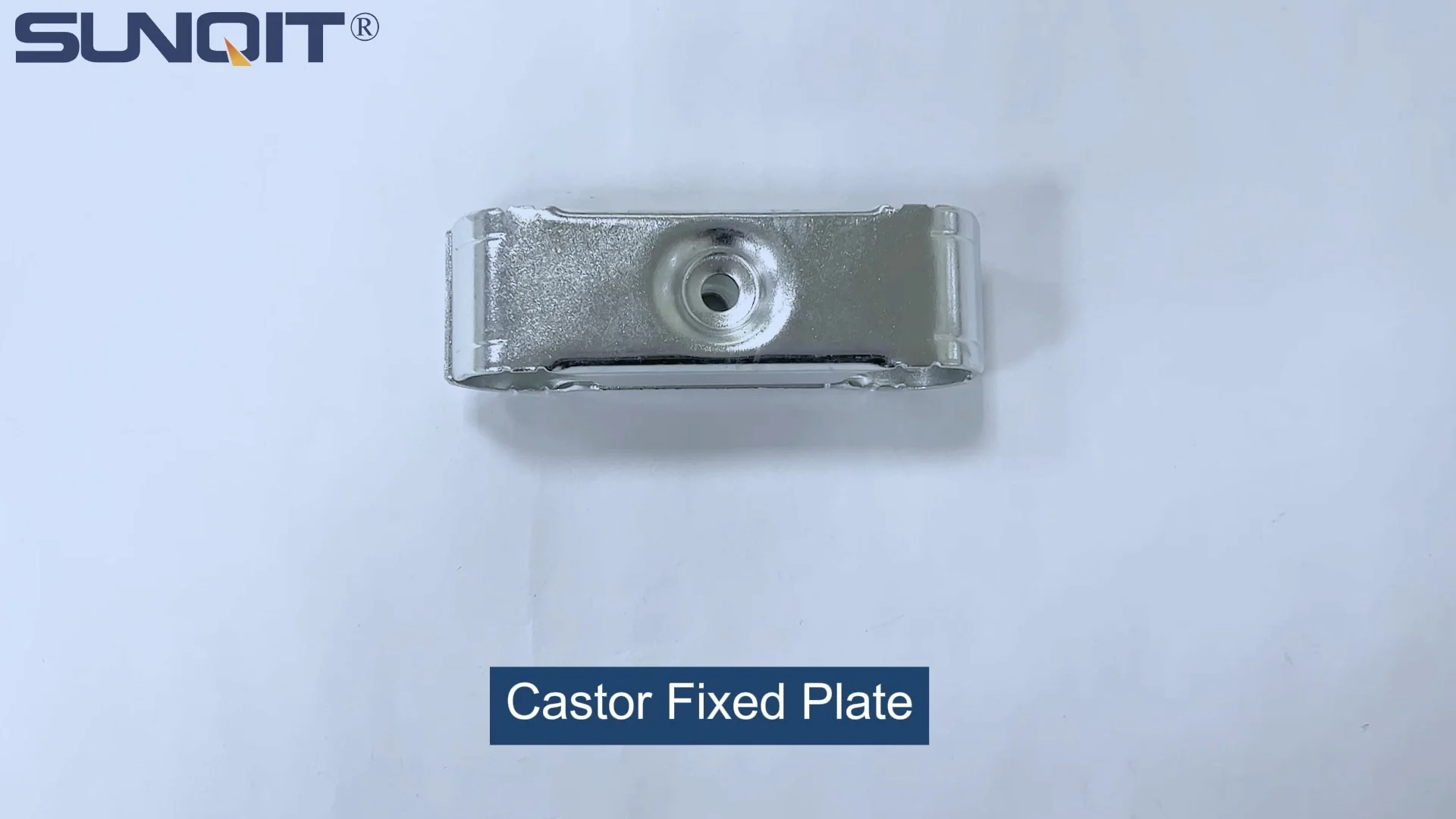
Castor Fixed Plate
Castor fixed plate, used for castor installation, one castor need two pcs castor plate to fix under the workbench, flow rack, and hand trolley.
Walk into any busy warehouse, and you'll quickly notice the unsung rhythm that keeps operations alive: the steady movement of materials. From pallets of inventory to tools and components, the ability to shift items smoothly, safely, and efficiently can make or break a day's productivity. Yet, for many teams, this rhythm is often disrupted by a common challenge: static storage solutions that resist being moved, even when the need arises. Enter the Material Rack B (3 row and 3 floor) —a workhorse of warehouse storage—and a small but mighty component that transforms its functionality: the castor fixed plate . In this article, we'll explore how this unassuming piece, paired with the right caster and accessories , turns rigid storage into a mobile asset, redefining how warehouses handle everything from daily operations to large-scale layout overhauls.
Understanding Material Rack B: A Staple in Modern Storage
Before diving into the magic of castor fixed plates, let's first get to know the star of the show: Material Rack B. Designed with practicality in mind, this rack is a favorite in manufacturing plants, distribution centers, and retail backrooms for good reason. As its full name suggests— Material Rack B (3 row and 3 floor) —it features three horizontal rows and three vertical floors, creating a structured grid that maximizes vertical space while keeping items organized and accessible. Whether storing small parts, tools, or even bulky components, its modular design allows teams to customize shelf heights and configurations to fit their unique needs.
But here's the catch: while Material Rack B excels at holding inventory, its default setup is stationary. Bolted or weighted down to stay in place, it becomes a fixed point in the warehouse landscape. For facilities with stable, long-term storage needs, this is a non-issue. But in today's fast-paced logistics world—where seasonal demand spikes, production line changes, or sudden inventory surges require quick adjustments—static racks can become bottlenecks. Imagine a team needing to rearrange workflow to accommodate a rush order, only to spend hours unbolting, lifting, and repositioning a heavy Material Rack B. Or worse, risking worker strain from manually shifting a loaded rack across the floor. This is where mobility becomes not just a convenience, but a critical factor in operational efficiency.
The Castor Fixed Plate: Small Component, Big Impact
What Is a Castor Fixed Plate, Anyway?
At first glance, a castor fixed plate might seem like little more than a metal or plastic square with holes. But its simplicity is part of its genius. Essentially, it's a mounting bracket designed to securely attach caster wheels to the base of equipment like Material Rack B. Think of it as a bridge between the rack's sturdy frame and the wheels that will carry it. Without this plate, attaching casters directly to the rack's legs could lead to instability—imagine trying to roll a loaded bookshelf with wheels taped to its corners. The fixed plate distributes the rack's weight evenly across the casters, ensuring a stable, wobble-free ride even when fully loaded.
But not all castor fixed plates are created equal. The best ones are engineered to match the specific dimensions and weight capacity of Material Rack B. Made from durable materials like steel or reinforced aluminum, they're built to withstand the daily wear and tear of warehouse environments—scratches, impacts, and the constant stress of supporting heavy loads. Some even come with pre-drilled holes that align perfectly with standard caster bolt patterns, making installation a breeze for maintenance teams (no guesswork or custom drilling required).
How It Works: Turning Static into Mobile
The installation process is surprisingly straightforward. First, the Material Rack B is lifted slightly (using a pallet jack or forklift, depending on size) to create space under its base. Then, the castor fixed plates are bolted securely to the rack's legs—one plate per leg, ensuring balanced weight distribution. Finally, caster wheels (selected based on the rack's weight and the warehouse floor type) are attached to the plates. The result? A once-stationary rack that can now glide across the floor with minimal effort. For added safety, many setups include locking casters, which allow workers to "lock" the rack in place when it reaches its destination, preventing unwanted movement during loading or unloading.
This transformation is game-changing. Suddenly, Material Rack B isn't just a storage unit—it's a turnover trolley and rack hybrid, capable of moving inventory where it's needed, when it's needed. Whether shuffling tools between assembly stations, relocating seasonal stock to a more accessible area, or clearing space for a new production line, the mobile rack becomes an extension of the team's workflow, not a barrier to it.

The Benefits: Why Mobility Matters for Material Rack B
To truly appreciate the impact of castor fixed plates, let's break down the benefits they bring to warehouses using Material Rack B. From time savings to safety improvements, the advantages add up quickly:
| Aspect | Without Castor Fixed Plates | With Castor Fixed Plates | Key Improvement |
|---|---|---|---|
| Relocation Time | 1–2 hours (requires 2–3 workers, unbolting, and manual lifting) | 5–10 minutes (1 worker can push/pull with minimal effort) | 90% reduction in time spent moving racks |
| Worker Strain | High risk of back injuries, muscle strain from lifting/tipping | Low effort; casters absorb friction, reducing physical stress | Significantly lower injury risk |
| Layout Flexibility | Fixed position; changes require full disassembly/reassembly | Easy reconfiguration for seasonal demand, new workflows, or deep cleaning | Adaptable to evolving warehouse needs |
| Inventory Accessibility | Items stuck in "dead zones" if rack is in a suboptimal spot | Rack can be moved to production lines, packing stations, or loading docks | Reduced time wasted fetching items |
Beyond the Table: Real-World Wins
Numbers tell part of the story, but real-world scenarios bring it to life. Take, for example, a mid-sized electronics manufacturing plant that uses Material Rack B to store circuit boards and components. Before adding castor fixed plates, the plant's night shift spent the first hour of their shift manually moving racks from storage to assembly lines—a process that often left workers fatigued before the day even began. After installing plates and casters, a single worker could now roll a fully loaded rack to the line in under 5 minutes. The result? A 30% increase in early-morning productivity and a noticeable drop in worker complaints about soreness.
Another example: a retail distribution center gearing up for the holiday season. With inventory levels doubling, the team needed to rearrange their warehouse to prioritize fast-moving items near packing stations. Without mobile racks, this would have meant days of unstacking, relabeling, and restacking. With Material Rack B on casters, they completed the entire layout overhaul in a single weekend—saving valuable time that could be redirected to fulfilling orders.

Choosing the Right Caster and Accessories for Material Rack B
A castor fixed plate is only as good as the casters and accessories paired with it. To ensure optimal performance, warehouses need to consider a few key factors when selecting components:
1. Weight Capacity: Match the Rack's Load
Material Rack B (3 row and 3 floor) can hold hundreds of pounds, depending on its construction. The casters and fixed plate must be rated to handle this weight—plus a safety margin. A good rule of thumb: if the rack's maximum load is 1,000 lbs, choose casters with a combined capacity of at least 1,200 lbs (distributed across 4 casters, that's 300 lbs per caster). Overloading casters can lead to wheel failure, plate bending, or even rack tipping.
2. Floor Type: Smooth vs. Rough Surfaces
Warehouse floors vary—some are polished concrete, others are rough or uneven. For smooth floors, hard rubber or polyurethane casters work best, offering quiet operation and minimal rolling resistance. For rough or cracked floors, pneumatic (air-filled) or heavy-duty steel casters absorb shocks and prevent jamming. Many suppliers offer caster accessories like floor protectors or brake pads to further tailor performance to specific environments.
3. Brake Options: Safety First
Mobility is great, but a rack that rolls unexpectedly is a hazard. Look for casters with reliable brake mechanisms—either total-lock (locks both wheel rotation and swivel) or directional-lock (locks wheel rotation only). Total-lock brakes are ideal for Material Rack B, as they prevent both rolling and swiveling, keeping the rack stable during loading/unloading.

Maintenance Tips: Keeping Your Mobile Rack Rolling Smoothly
Like any equipment, mobile Material Rack B setups need regular care to stay in top shape. Here are a few simple maintenance steps to extend their lifespan:
- Inspect Plates and Casters Monthly: Check for loose bolts, bent plates, or worn wheels. Tighten any loose hardware and replace damaged components immediately.
- Lubricate Caster Bearings: Every 3–6 months, apply a few drops of lubricating oil to caster bearings to reduce friction and prevent squeaking.
- Clean Wheels Regularly: Dust, debris, or small parts can get stuck in wheel grooves, causing uneven rolling. A quick wipe with a brush or cloth keeps wheels moving freely.
- Test Brakes: Ensure brakes engage and release smoothly. If a brake feels sticky, clean the mechanism or replace the brake pad.
Conclusion: Mobility as a Catalyst for Warehouse Excellence
In the grand scheme of warehouse operations, the castor fixed plate might seem like a minor detail. But as we've explored, it's a detail that ripples outward, affecting everything from worker productivity to safety to adaptability. By transforming Material Rack B (3 row and 3 floor) from a static storage unit into a mobile asset, this small component helps warehouses keep pace with the demands of modern logistics.
Whether you're running a bustling e-commerce fulfillment center or a precision manufacturing plant, the ability to move inventory quickly and safely isn't just a luxury—it's a competitive advantage. And it all starts with the right combination of rack, castor fixed plate, and caster and accessories . So the next time you see a Material Rack B gliding across the warehouse floor, take a moment to appreciate the unsung hero underneath: a simple plate that's making big things happen, one roll at a time.