- Company Articles
- Products and Technology
- Product knowledge
- Castor Fixed Plate for Medical Racks: Sterilization Compatibility

Castor Fixed Plate for Medical Racks: Sterilization Compatibility
Related Product
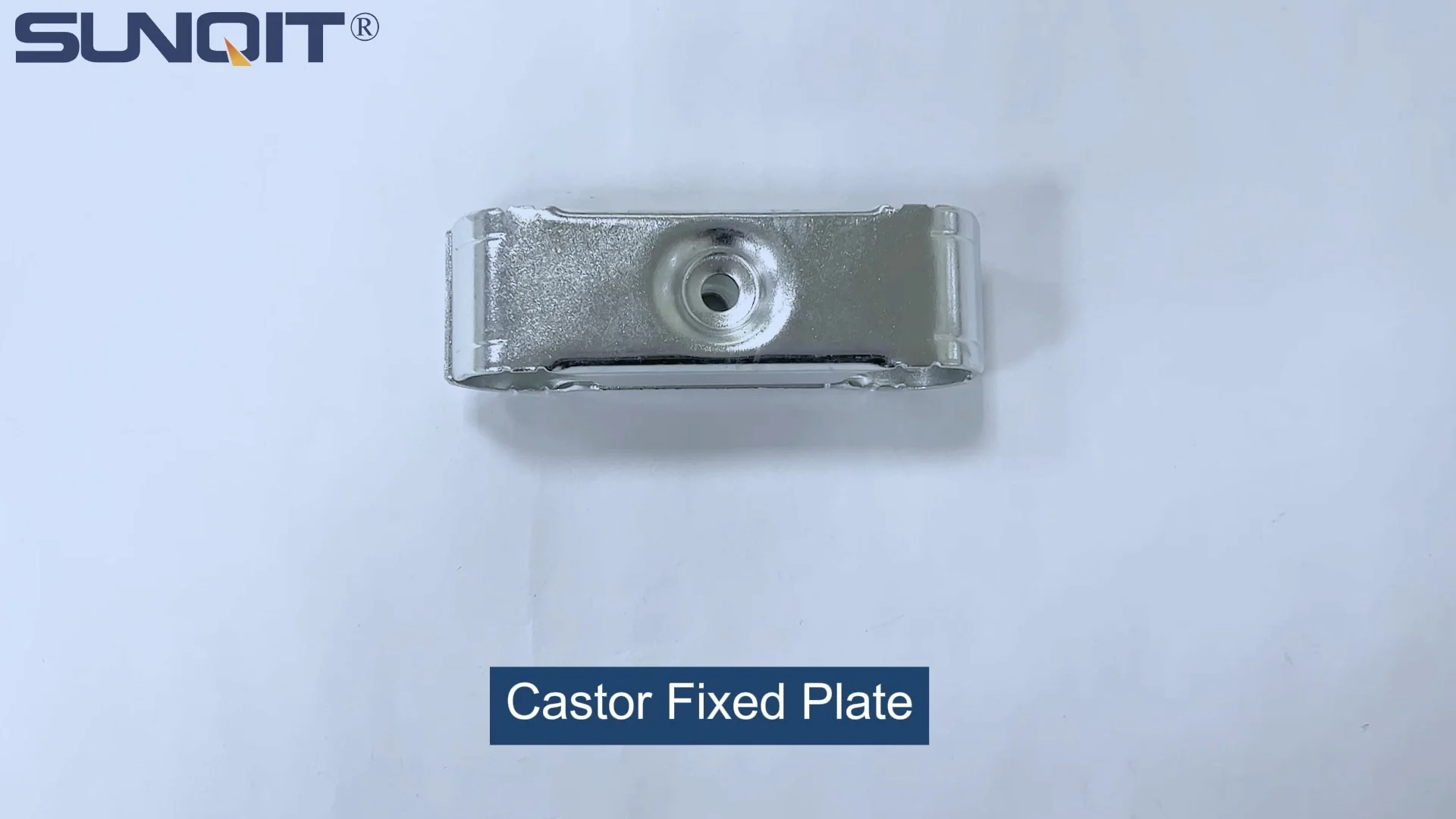
Castor Fixed Plate
Castor fixed plate, used for castor installation, one castor need two pcs castor plate to fix under the workbench, flow rack, and hand trolley.
In the fast-paced environment of a hospital, laboratory, or clinic, every piece of equipment has a role to play in ensuring patient safety and operational efficiency. From the scalpels used in surgery to the carts that transport medications, each component must meet rigorous standards—especially when it comes to cleanliness. Among these often-overlooked components is the castor fixed plate , a small but critical part of medical racks and mobile carts. While it may seem, this unassuming piece of hardware is essential for keeping casters (the wheels) securely attached to the rack, ensuring smooth mobility. But in healthcare settings, mobility is just one concern; sterilization is another. How well does a castor fixed plate hold up to the intense cleaning and sterilization processes that keep pathogens at bay? This article dives into the world of castor fixed plates for medical racks, exploring their role, materials, and most importantly, their compatibility with the sterilization methods that are the backbone of infection control.
What is a Castor Fixed Plate?
Before we delve into sterilization, let's start with the basics: What exactly is a castor fixed plate? In simple terms, it's a flat, often metal or plastic component that acts as a bridge between the caster wheel and the base of a medical rack, cart, or workstation. Think of it as the "anchor" that keeps the caster securely fastened. Without it, the caster might wobble, loosen, or even detach—an unacceptable risk when the rack is carrying sensitive medical supplies, patient samples, or fragile equipment.
As part of caster accessories , the fixed plate comes in various shapes and sizes, depending on the weight capacity of the rack, the type of caster used, and the design of the equipment. Some are small and compact, designed for lightweight carts, while others are thicker and reinforced, built to handle heavy loads like surgical instrument trays or bulk medication storage. Regardless of size, its primary job is stability: to distribute the weight of the rack evenly across the caster, prevent stress fractures, and ensure the wheel smoothly without shifting.
In medical settings, where racks are constantly moved between departments—from operating rooms to labs to patient wards—the castor fixed plate must withstand not only the physical strain of movement but also the repeated exposure to cleaning agents and sterilization processes. This dual demand—durability and sterilization compatibility—makes choosing the right castor fixed plate more than just a matter of engineering; it's a matter of patient safety.
The Role of Castor Fixed Plates in Medical Racks
Medical racks are workhorses of healthcare facilities. They carry everything from IV fluids and wound dressings to lab samples and surgical tools. To do this effectively, they need to be mobile, allowing staff to transport items quickly and efficiently. But mobility without stability is dangerous. A rack that tips, a caster that locks unexpectedly, or a fixed plate that fails could lead to spills, broken equipment, or even injury to patients or staff.
Here's where the castor fixed plate shines: It ensures that the caster remains firmly attached to the rack's base, even when the rack is loaded to capacity or moved over uneven floors (common in older hospitals with tiled or cracked surfaces). By securing the caster's stem or mounting bracket to the rack, the fixed plate prevents lateral movement, reducing the risk of the wheel twisting or detaching. In emergency situations—like rushing a crash cart to a patient in cardiac arrest—this stability can mean the difference between timely care and delay.
But the role of the castor fixed plate extends beyond just physical stability. In healthcare, every surface is a potential breeding ground for pathogens like bacteria, viruses, and fungi. Medical racks are no exception: They're wheeled through hallways, stored in supply rooms, and placed next to patient beds, picking up contaminants along the way. To prevent these contaminants from spreading, racks must be regularly sterilized. This is where the fixed plate's design and material become critical. If it can't withstand high temperatures, harsh chemicals, or moisture, it may degrade over time—cracking, corroding, or becoming porous. These flaws can trap bacteria, making even the most thorough sterilization process ineffective.

Sterilization in Healthcare: Why It Matters
Sterilization is the cornerstone of infection control in healthcare. It's the process of eliminating all forms of microbial life, including spores, which are highly resistant to cleaning. According to the World Health Organization (WHO), healthcare-associated infections (HAIs) affect an estimated 1 in 10 patients worldwide, leading to prolonged hospital stays, increased healthcare costs, and in severe cases, death. Many of these infections are linked to contaminated surfaces—including medical equipment like racks and carts.
In healthcare settings, sterilization isn't optional; it's mandated by regulatory bodies like the FDA (U.S. Food and Drug Administration) and CDC (Centers for Disease Control and Prevention). These agencies set strict guidelines for how equipment should be cleaned, disinfected, and sterilized, depending on its use. For example, a rack used to transport surgical instruments (which come into contact with sterile tissue) requires a higher level of sterilization than one used for storing non-critical items like bed linens.
The challenge? Different sterilization methods use different agents—heat, chemicals, radiation, or steam—to kill pathogens. Each method has its own set of requirements, and not all materials can withstand them. A castor fixed plate made from a material that melts under high heat, for instance, would be useless in an autoclave (a common steam sterilization tool). Similarly, a plate that corrodes when exposed to hydrogen peroxide vapor (a chemical sterilant) would quickly fail, compromising both the rack's stability and its cleanliness.

Materials of Castor Fixed Plates: A Focus on Sterilization
The key to a castor fixed plate's sterilization compatibility lies in its material. Manufacturers typically use one of three materials: stainless steel, aluminum, or plastic. Each has its own strengths and weaknesses, especially when it comes to withstanding sterilization. Let's take a closer look at each:
Stainless Steel: The Gold Standard for Durability
When it comes to healthcare equipment, stainless steel is often the first choice—and for good reason. Part of the stainless steel pipe series , stainless steel is an alloy of iron, chromium, and other metals (like nickel or molybdenum) that forms a protective oxide layer on its surface. This layer resists corrosion, rust, and staining, even when exposed to moisture and chemicals—two common byproducts of sterilization.
Stainless steel castor fixed plates are particularly popular in settings where autoclaving is the primary sterilization method. Autoclaves use high-pressure steam (typically 121–134°C) to kill pathogens, and stainless steel can withstand these temperatures repeatedly without warping, melting, or losing structural integrity. Its smooth, non-porous surface also makes it easy to clean—no tiny cracks or crevices for bacteria to hide in. For example, 304 stainless steel (a common grade in healthcare) contains 18% chromium and 8% nickel, giving it excellent resistance to both corrosion and heat.
Aluminum: Lightweight but Less Resilient
Aluminum, often derived from aluminum profile or extruded aluminum, is another material used for castor fixed plates. It's lightweight, which can be an advantage for mobile racks that need to be moved frequently by staff. Aluminum is also naturally resistant to corrosion, thanks to a thin oxide layer that forms when it's exposed to air. However, this layer is not as robust as stainless steel's, making aluminum more vulnerable to chemical attack from strong sterilants like bleach or hydrogen peroxide.
One of the biggest drawbacks of aluminum for medical applications is its lower melting point (around 660°C, compared to stainless steel's 1400°C+). While this is well above autoclave temperatures, repeated exposure to high heat can cause the material to weaken over time, leading to warping or cracking. Aluminum also tends to scratch more easily than stainless steel, and scratches can create tiny crevices where bacteria can accumulate—undermining sterilization efforts.
Plastic: Cost-Effective but Limited
Plastic (e.g., polypropylene, nylon) is sometimes used for castor fixed plates in low-cost or light-duty medical racks. It's affordable, lightweight, and comes in a variety of colors, which can help with organizational labeling (e.g., color-coding racks for different departments). However, plastic has significant limitations when it comes to sterilization compatibility.
Most plastics cannot withstand high heat; autoclaving a plastic fixed plate would cause it to melt or deform. Even chemical sterilants can be problematic: Some plastics absorb chemicals over time, leading to discoloration, brittleness, or leaching of harmful substances. Additionally, plastic is porous compared to metal, meaning it can trap moisture and bacteria even after cleaning. For these reasons, plastic fixed plates are generally reserved for non-critical applications where sterilization is infrequent or uses mild disinfectants (e.g., alcohol wipes).
| Material | Common Sterilization Methods | Compatibility Rating | Pros | Cons |
|---|---|---|---|---|
| Stainless Steel (Stainless Steel Pipe Series) | Autoclaving, Chemical (H₂O₂, bleach), UV light | High | Corrosion-resistant, heat-resistant, smooth surface (easy to clean), durable | Heavier than aluminum/plastic, higher cost |
| Aluminum (Aluminum Profile) | Chemical (mild), UV light | Medium | Lightweight, corrosion-resistant (oxide layer), affordable | Prone to scratching, poor heat resistance, vulnerable to strong chemicals |
| Plastic | Chemical (mild, e.g., alcohol), UV light | Low | Lightweight, low cost, color options | Porous, heat-sensitive, chemical absorption, prone to wear |

Sterilization Methods & Compatibility with Castor Fixed Plates
Now that we've explored the materials, let's examine how each common sterilization method interacts with castor fixed plates. Understanding these interactions is key to choosing the right plate for a specific healthcare setting.
Autoclaving: Steam Sterilization
Autoclaving is the most widely used sterilization method in healthcare. It works by exposing items to saturated steam under pressure, which reaches temperatures of 121°C (250°F) or higher. This high heat kills even the most resistant spores (e.g., Clostridium difficile , a bacterium that causes severe diarrhea). Autoclaving is fast, effective, and environmentally friendly (it uses only water and heat), making it ideal for instruments, surgical tools, and yes—medical racks.
For castor fixed plates, autoclaving is only feasible if the material can withstand high heat and moisture. Stainless steel is the clear winner here: Its high melting point and corrosion resistance mean it can be autoclaved hundreds of times without degradation. Aluminum, on the other hand, may warp or weaken after repeated autoclaving cycles, especially if it's thin or poorly alloyed. Plastic plates? They're out of the question—autoclave temperatures will melt or distort them.
Chemical Sterilization: Hydrogen Peroxide Vapor & Beyond
When items can't withstand high heat (e.g., electronic equipment), chemical sterilization is often used. Common chemical sterilants include hydrogen peroxide vapor (HPV), ethylene oxide (EtO), and peracetic acid. These agents work by breaking down the cell walls of pathogens, effectively killing them.
Stainless steel fixed plates handle chemical sterilization well, as most chemicals don't corrode or damage the oxide layer. However, some harsh chemicals (like concentrated bleach) can cause pitting if left in contact with stainless steel for extended periods, so proper rinsing is essential. Aluminum plates are more vulnerable: HPV, for example, can react with aluminum's oxide layer over time, leading to discoloration or pitting. Plastic plates may absorb chemicals, causing them to become brittle or leach additives into the environment—both safety concerns.
UV Light Sterilization
Ultraviolet (UV) light sterilization uses short-wavelength UV-C light to destroy the DNA of pathogens, rendering them unable to reproduce. It's often used for surface disinfection in labs, pharmacies, or patient rooms, and can be applied to medical racks as a supplementary sterilization step.
UV light is generally safe for all castor fixed plate materials, as it doesn't generate heat or use chemicals. However, it has a major limitation: It only sterilizes surfaces it can directly reach. If the fixed plate has crevices, shadows, or is covered by dust or debris, UV light won't penetrate those areas—leaving pathogens behind. For this reason, UV sterilization is rarely used alone; it's typically paired with manual cleaning or another sterilization method.
Manual Cleaning & Disinfection
Even with advanced sterilization methods, manual cleaning is the first line of defense. Staff often wipe down medical racks with disinfectant wipes, sprays, or soapy water to remove visible dirt and debris before sterilization. For castor fixed plates, this step is critical—any organic matter (e.g., blood, tissue, or dust) left on the surface can shield pathogens from sterilants, making the process less effective.
Stainless steel plates are easiest to clean manually: Their smooth surface allows wipes or cloths to glide over them, removing debris without leaving residue. Aluminum plates, while also smooth, may scratch if abrasive cleaners are used, creating hideouts for bacteria. Plastic plates can be tricky, as their porous surface may trap moisture or cleaning agents, leading to odors or bacterial growth over time.
Challenges in Sterilization Compatibility
While materials play a big role in sterilization compatibility, they're not the only factor. Design, manufacturing quality, and even the way the castor fixed plate is installed can affect how well it holds up to sterilization. Let's explore some of the key challenges:
Crevices and Hard-to-Reach Areas
One of the biggest enemies of sterilization is complexity. A castor fixed plate with intricate designs—like deep threads, sharp corners, or overlapping edges—can create tiny crevices where water, dirt, or bacteria can hide. During autoclaving, steam may not penetrate these areas, leaving pathogens alive. Similarly, chemical sterilants may not reach into tight spaces, reducing their effectiveness.
For example, a fixed plate with a bolt hole that's not properly deburred (smoothed) may have sharp edges that trap lint or skin cells. Over time, these trapped particles can become a breeding ground for bacteria, even if the plate is "sterilized" regularly. To combat this, manufacturers are increasingly designing fixed plates with rounded edges, minimal crevices, and smooth surfaces—features that make cleaning and sterilization easier.
Material Degradation Over Time
Even the most durable materials can degrade with repeated sterilization. Stainless steel, while robust, may develop surface discoloration (a process called "tea staining") if exposed to high levels of chloride (found in some disinfectants). Aluminum may corrode if its oxide layer is compromised by chemicals or scratches. Plastic plates can become brittle and crack after prolonged exposure to UV light or chemicals.
This degradation isn't just cosmetic; it can affect the fixed plate's structural integrity. A cracked plastic plate, for instance, may no longer hold the caster securely, increasing the risk of the rack tipping. To mitigate this, healthcare facilities must inspect castor fixed plates regularly—looking for signs of wear like cracks, corrosion, or warping—and replace them when necessary.
Compatibility with Multiple Sterilization Methods
Many healthcare facilities use more than one sterilization method, depending on the situation. A medical rack might be autoclaved after transporting surgical instruments, wiped down with chemical disinfectant after use in a patient room, and treated with UV light overnight in storage. This "multi-method" approach can be tough on castor fixed plates, as each method stresses the material differently.
For example, a stainless steel plate that handles autoclaving well may still be vulnerable to pitting if exposed to bleach-based disinfectants. An aluminum plate that resists mild chemicals may warp if accidentally exposed to high heat during an autoclave cycle. This means facilities must carefully match the fixed plate material to the specific sterilization methods they use—or risk premature failure.
Design Considerations for Enhanced Sterilization Compatibility
To address the challenges above, manufacturers are rethinking how castor fixed plates are designed. The goal? To create plates that are not only strong and stable but also easy to sterilize . Here are some key design features that enhance compatibility:
Smooth, Seamless Surfaces
The fewer crevices, the better. Modern castor fixed plates often feature seamless, one-piece construction, eliminating joints or welds where bacteria can hide. Some manufacturers even use laser cutting or CNC machining to ensure edges are perfectly smooth and rounded, reducing the risk of trapped debris.
Corrosion-Resistant Coatings
For aluminum plates, a protective coating (like anodization) can enhance corrosion resistance. Anodizing creates a thicker, more durable oxide layer on the aluminum surface, making it more resistant to chemicals and scratches. Similarly, stainless steel plates may be coated with a passivation layer (a chemical treatment that enhances the oxide layer) to boost corrosion resistance.
Modular Design for Easy Disassembly
Some medical racks feature modular castor systems, where the fixed plate can be easily removed for sterilization. This allows staff to take the plate off, clean it thoroughly, and reattach it—ensuring no hidden areas are missed. While this adds a step to the maintenance process, it significantly improves sterilization effectiveness, especially for racks used in high-risk areas like operating rooms.
Heat-Resistant Fasteners
The bolts, screws, or rivets used to attach the castor fixed plate to the rack are just as important as the plate itself. If these fasteners are made from a material that can't withstand sterilization (e.g., regular steel), they may rust or corrode, compromising both the plate's stability and the rack's cleanliness. For this reason, high-quality medical racks use stainless steel or titanium fasteners, which are heat- and corrosion-resistant.
Case Study: How a Hospital Improved Sterilization with Stainless Steel Fixed Plates
To put this all into perspective, let's look at a real-world example. A large urban hospital was struggling with frequent HAIs linked to contaminated mobile medication carts. An investigation revealed that the carts' plastic castor fixed plates were the culprit: Over time, the plates had developed tiny cracks from repeated cleaning with bleach wipes, and these cracks were harboring bacteria like Staphylococcus aureus .
The hospital's infection control team recommended switching to stainless steel fixed plates (from the stainless steel pipe series ), citing their durability and resistance to corrosion. The new plates were designed with smooth, rounded edges and seamless construction to minimize crevices. After installing the stainless steel plates, the hospital tracked contamination rates on the carts for six months. The result? A 42% reduction in bacterial colonies on the castor area, and a corresponding drop in HAIs related to medication cart use.
This case study highlights a simple truth: Even small changes to components like castor fixed plates can have a big impact on patient safety. By prioritizing sterilization compatibility, healthcare facilities can reduce infection risks while ensuring their equipment remains functional and reliable.
Maintenance Best Practices for Castor Fixed Plates
Choosing the right castor fixed plate is just the first step; proper maintenance is essential to ensuring long-term sterilization compatibility. Here are some best practices for healthcare facilities:
- Inspect Regularly: Check fixed plates for signs of wear—cracks, corrosion, scratches, or loose fasteners—at least once a month (more frequently for high-use racks).
- Clean Thoroughly Before Sterilization: Remove all visible debris with soap and water or a mild detergent before sterilizing. This ensures sterilants can reach the surface.
- Follow Sterilization Guidelines: Use the sterilization method recommended by the manufacturer for the plate's material. Avoid mixing methods unless confirmed to be safe.
- replace When Needed: Don't wait for a fixed plate to fail completely. If it shows signs of degradation (e.g., corrosion, warping), replace it immediately to prevent accidents or contamination.
- Train Staff: Ensure staff know how to properly clean and sterilize racks, including the castor area. Emphasize the importance of not ignoring "small" components like fixed plates.
Future Trends: Innovations in Castor Fixed Plate Design
As healthcare continues to evolve, so too will the technology behind medical equipment components. Here are a few emerging trends that could shape the future of castor fixed plates:
Antimicrobial Coatings
Researchers are developing antimicrobial coatings that can be applied to castor fixed plates (and other surfaces) to inhibit bacterial growth. These coatings, often containing silver ions or copper, work by disrupting the cell membranes of pathogens, preventing them from multiplying. While not a replacement for sterilization, they could add an extra layer of protection between cleaning cycles.
Smart Sensors
Imagine a castor fixed plate with a built-in sensor that monitors temperature, moisture, or chemical exposure during sterilization. If the plate is exposed to conditions outside its compatibility range (e.g., too much heat), the sensor could alert staff—preventing damage and ensuring proper sterilization.
Sustainable Materials
With a growing focus on sustainability, manufacturers are exploring eco-friendly materials for castor fixed plates. For example, recycled stainless steel or aluminum could reduce environmental impact without compromising performance. Biodegradable plastics are also being tested, though their sterilization compatibility remains a challenge.
Conclusion: Small Component, Big Impact
The castor fixed plate may be small, but its role in healthcare is enormous. As a critical part of medical racks and mobile carts, it ensures stability and mobility—two essential qualities in fast-paced healthcare settings. But in a world where infection control is paramount, its ability to withstand sterilization is just as important. By choosing the right material (like stainless steel from the stainless steel pipe series ), prioritizing thoughtful design, and following proper maintenance practices, healthcare facilities can ensure their castor fixed plates don't just move equipment—they protect patients.
As we've seen, sterilization compatibility isn't an afterthought; it's a design imperative. From autoclaving to chemical sterilization, each method demands materials and construction that can stand up to intense conditions. And while challenges like crevices and material degradation exist, innovations in design and technology are helping to overcome them.
In the end, the next time you see a medical rack gliding through a hospital hallway, take a moment to appreciate the unsung heroes like the castor fixed plate. It may not grab headlines, but it's working behind the scenes to keep patients safe, staff efficient, and healthcare facilities running smoothly.