- Company Articles
- Products and Technology
- Product knowledge
- Castor Fixed Plate for Warehouse Logistics: Optimizing Material Flow

Castor Fixed Plate for Warehouse Logistics: Optimizing Material Flow
Related Product
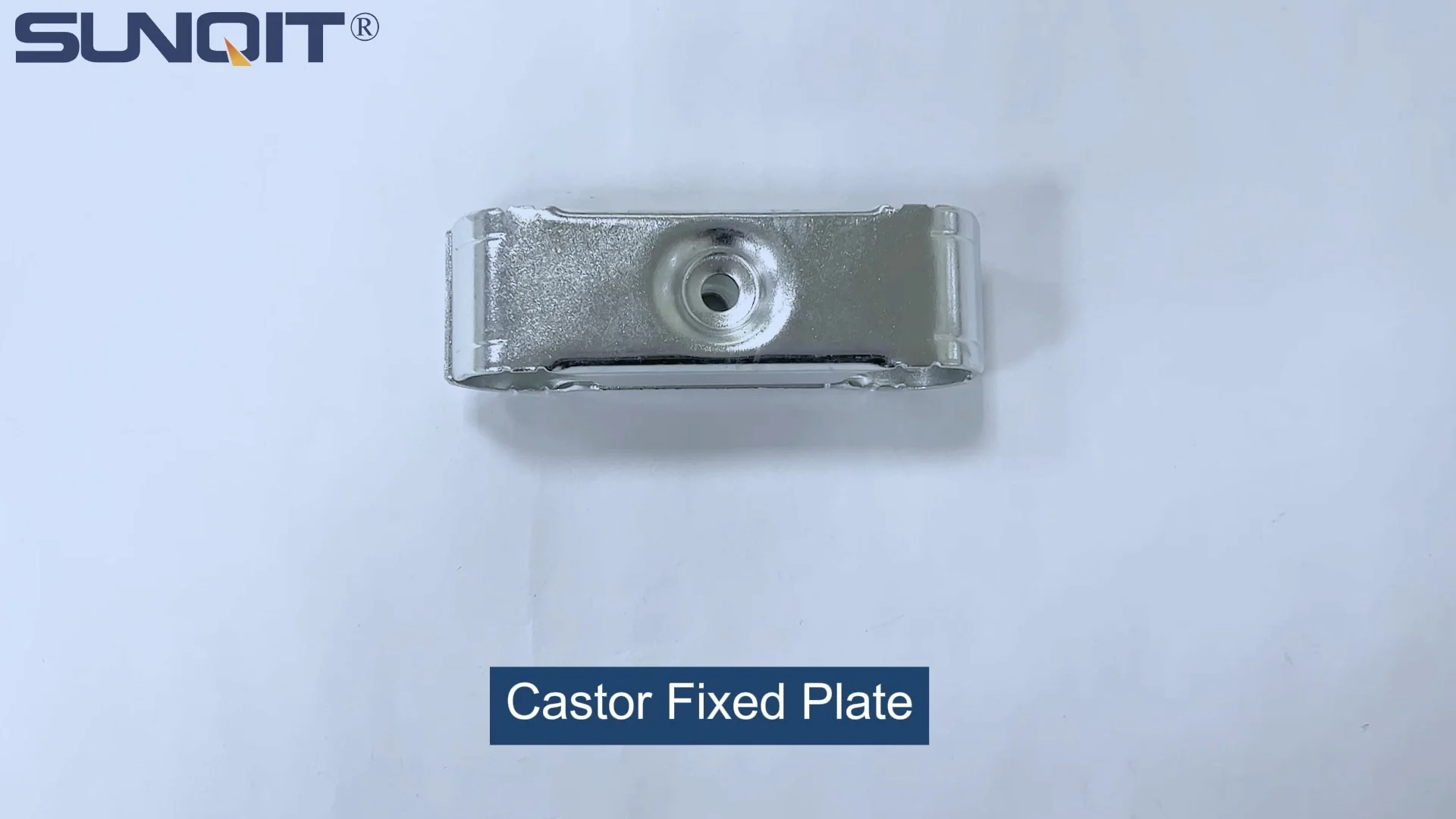
Castor Fixed Plate
Castor fixed plate, used for castor installation, one castor need two pcs castor plate to fix under the workbench, flow rack, and hand trolley.
1. The Pulse of Warehouse Logistics: Why Material Flow Matters
Walk into any busy warehouse, and you'll feel it immediately—the hum of activity, the rhythmic movement of goods, the quiet urgency of workers ensuring products reach their next stop on time. This orchestration of movement is what we call "material flow," and it's the lifeblood of any logistics operation. When material flow is smooth, warehouses run like well-tuned symphonies: orders ship faster, labor costs drop, and customers stay happy. But when it stumbles—whether due to clunky equipment, inefficient layouts, or unstable mobility—bottlenecks form, deadlines slip, and frustration rises.
For decades, warehouse managers have focused on big-ticket solutions: automated conveyor belts, robotic pickers, or high-tech inventory systems. These tools are undeniably powerful, but they often overlook a quieter, more foundational element of material flow: mobility. Think about it: Even the most advanced conveyor system can't reach every corner of a warehouse. Workers still need to move workbenches, transport parts on trolleys, or reposition material racks to adapt to shifting demands. That's where mobility solutions—specifically, castor systems—step in. And at the heart of those systems lies an unsung hero: the castor fixed plate.
"Mobility isn't just about moving things from A to B—it's about moving them efficiently , safely , and adaptably . A weak link in the mobility chain—like a loose castor or a flimsy fixed plate—can turn a simple task into a time-consuming headache." – Sarah Lopez, Logistics Operations Manager with 15 years in automotive manufacturing
2. The Role of Caster Systems: Beyond "Just Wheels"
When we talk about "casters," most people picture the small wheels under a office chair or a shopping cart. But in industrial settings like warehouses, casters are far more than just "wheels." They're engineered systems designed to carry heavy loads, withstand constant use, and provide precise control over movement. A typical industrial caster system includes three key parts: the wheel itself (often a
caster wheel
made of rubber, polyurethane, or steel), the swivel mechanism that allows rotation, and the fixed plate that anchors the entire system to the equipment—whether it's a workbench, a turnover trolley, or a material rack.
The fixed plate might seem like a simple metal piece, but its role is critical. It's the bridge between the caster and the equipment, distributing weight evenly to prevent tipping, ensuring the caster stays securely attached during movement, and absorbing shocks from uneven warehouse floors. Imagine trying to push a loaded workbench across a concrete floor: if the fixed plate is bent or poorly attached, the caster could wobble, jam, or even detach—putting workers at risk and grinding operations to a halt. In short, the fixed plate is what turns a set of wheels into a reliable mobility solution.

3. What Is a Castor Fixed Plate? Breaking Down the Basics
Let's start with the fundamentals: A castor fixed plate (sometimes called a "caster mounting plate") is a flat or angled metal (or composite) component that bolts or welds to the bottom of equipment, providing a stable base for attaching casters. Its design varies based on the equipment it's paired with—whether it's a lightweight aluminum workbench or a heavy-duty stainless steel material rack—but all fixed plates share a common goal: to create a secure, rigid connection that can handle the stresses of daily warehouse use.
Key features of a quality castor fixed plate include:
- Material Thickness: Thicker plates (typically 3-8mm for industrial use) offer better load-bearing capacity. Thinner plates may save cost but risk bending under heavy loads.
- Mounting Holes: Pre-drilled holes aligned with standard caster bolt patterns, ensuring easy installation. Misaligned holes can lead to uneven weight distribution.
- Edge Reinforcement: Bent or flanged edges to increase rigidity, preventing the plate from warping when pushed or pulled.
- Surface Treatment: Coatings like zinc plating or powder coating to resist corrosion, especially in humid or dusty warehouse environments.
For example, a
workbench
used in electronics assembly might pair a lightweight aluminum fixed plate with non-marking caster wheels to protect sensitive components, while a steel fixed plate with heavy-duty casters would be better suited for a turnover trolley carrying 500kg of automotive parts. The fixed plate adapts to the equipment's needs, ensuring mobility without sacrificing stability.

4. Material Matters: Choosing the Right Fixed Plate for Your Warehouse
Not all fixed plates are created equal—and much of that comes down to material. The two most common options in warehouse logistics are steel and aluminum, each with its own strengths and trade-offs. Let's break them down:
| Material | Load Capacity (Typical Range) | Weight (Per Square Foot) | Corrosion Resistance | Best For |
|---|---|---|---|---|
| Steel (Carbon or Stainless) | 500-2,000+ lbs per plate | 15-20 lbs | Low (carbon steel); High (stainless steel) | Heavy-duty equipment (metal racks, industrial trolleys) |
| Aluminum (6061 or 6063 Alloy) | 200-800 lbs per plate | 5-8 lbs | High (natural oxide layer) | Light-to-medium duty (workbenches, lean pipe structures) |
| Reinforced Plastic (Nylon/Polypropylene) | 100-300 lbs per plate | 2-4 lbs | Very High | Cleanrooms, food processing (resists chemicals, easy to sanitize) |
Steel fixed plates are the workhorses of heavy industry. Their high load capacity makes them ideal for equipment like 3-row, 3-floor material racks (often called "rack B" in warehouse jargon) that carry bulk inventory. Stainless steel variants are popular in cold-storage warehouses or pharmaceutical facilities, where corrosion resistance is non-negotiable. However, steel's weight can be a drawback: a steel-plated trolley is harder to push, which can tire workers and slow down material flow.
Aluminum fixed plates, on the other hand, shine in lean manufacturing and light-to-medium applications. Paired with
aluminum profile
workbenches or
lean pipe
structures (modular systems made of lightweight pipes and joints), aluminum plates reduce overall equipment weight, making it easier for workers to reposition tools or trolleys. Their natural corrosion resistance also makes them a good fit for warehouses with high humidity, like those storing food or beverages. The trade-off? They can't handle as much weight as steel, so they're best for loads under 800 lbs.
Pro Tip: When choosing a fixed plate material, balance load capacity with maneuverability. A warehouse with narrow aisles might prioritize aluminum for easier turning, while a facility moving pallets of bricks will need the strength of steel.

5. Types of Castor Fixed Plates: Tailoring to Warehouse Needs
Fixed plates aren't one-size-fits-all. Their design adapts to the equipment they support and the tasks they perform. Here are the most common types you'll find in modern warehouses:
Flat Fixed Plates:
The most versatile option, with a simple rectangular or square shape. They're used for equipment that needs stable, straightforward mobility—think standard workbenches or tool carts. Most flat plates have 4-6 mounting holes for attaching casters, and they work well with both swivel and rigid casters.
Angled Fixed Plates:
Designed for equipment with sloped or curved bases, like some material racks or specialty trolleys. The angled design ensures the caster aligns vertically with the equipment, preventing wobbling. For example, a
roller track
system that feeds parts to an assembly line might use angled plates to attach casters to the track's frame, allowing workers to adjust the track's position without disassembly.
Heavy-Duty Reinforced Plates:
Built with extra thickness (8mm+ for steel) and ribbed edges to handle extreme loads. These are common in automotive or construction warehouses, where equipment might carry engines, steel beams, or other heavy items. They often pair with dual-wheel casters to distribute weight further.
Adjustable Fixed Plates:
Feature slots instead of fixed holes, letting workers the caster position to accommodate uneven loads or custom equipment. This flexibility is valuable in lean manufacturing settings, where layouts change frequently to optimize workflow. For example, a lean pipe workstation might use adjustable plates to reposition casters based on whether it's holding small electronics or larger mechanical parts.
6. The Benefits of Upgrading to Quality Castor Fixed Plates
Now that we understand what castor fixed plates are and how they're designed, let's dive into why investing in quality plates matters for warehouse logistics. The benefits go far beyond "just better wheels"—they ripple through every aspect of operations:
1. Reduced Downtime:
A bent or cracked fixed plate can bring a trolley or workbench to a halt, requiring repairs and delaying tasks. Quality plates (made from durable materials like aluminum profile or stainless steel) resist bending and corrosion, lasting 5-10 years with minimal maintenance. This means fewer breakdowns and more time spent moving materials, not fixing equipment.
2. Improved Safety:
Loose or unstable casters are a leading cause of workplace accidents—from trips and falls to equipment tipping. Fixed plates with secure mounting and even weight distribution keep casters firmly attached, reducing the risk of injury. For example, a food warehouse using aluminum fixed plates with non-slip caster wheels can prevent trolleys from sliding on wet floors, protecting both workers and products.
3. Enhanced Flexibility:
Modern warehouses need to adapt quickly—seasonal demand spikes, new product lines, or layout changes all require equipment to move. Quality fixed plates make reconfiguration easy: workers can push a lean pipe workstation from one assembly line to another, or adjust a roller track's position to feed parts to a new machine. This agility helps warehouses stay competitive in fast-changing markets.
4. Lower Labor Costs:
Pushing a wobbly trolley or a workbench with misaligned casters takes more effort, tiring workers and slowing them down. A smooth-moving system with well-mounted casters reduces physical strain, letting workers move more materials in less time. Over a year, this can add up to hundreds of saved labor hours.
7. Integration with Warehouse Systems: Fixed Plates and the Bigger Picture
Castor fixed plates don't work in isolation—they're part of a larger ecosystem of warehouse tools and systems. Let's look at how they integrate with two key components: lean pipe structures and roller track systems.
Lean Pipe Structures:
Lean manufacturing principles emphasize minimizing waste and maximizing efficiency, and lean pipe (also called "kitchen pipe" for its resemblance to plumbing pipes) is a cornerstone of this approach. Made from steel or aluminum tubes and modular joints, lean pipe systems let warehouses build custom workbenches, trolleys, and racks quickly and cheaply. Fixed plates play a vital role here: they attach casters to the bottom of lean pipe frames, turning static structures into mobile workstations. For example, a electronics manufacturer might build a lean pipe workbench with a aluminum fixed plate and swivel casters, allowing workers to roll the bench to different assembly stations as needed.
Roller Track Systems:
Roller tracks use gravity or manual pushing to move items along a series of rollers, making them ideal for feeding parts to assembly lines or sorting packages. While many roller tracks are fixed to the floor, mobile versions (used for small-batch production or temporary workflows) rely on fixed plates to attach casters. This lets workers adjust the track's angle or position to match the assembly line's needs. For instance, a toy manufacturer might use a mobile roller track with angled fixed plates to feed plastic parts to different stations during peak production, then reposition the track for storage when demand slows.
"The beauty of fixed plates is their versatility. We use them with lean pipe workbenches, roller tracks, and even turnover racks—they're the common thread that makes our warehouse adaptable. When we need to rearrange for a new product launch, we don't have to buy new equipment; we just reposition what we have, thanks to sturdy fixed plates." – Mike Chen, Warehouse Manager at a consumer goods company
8. Installation Guide: How to Mount Castor Fixed Plates Like a Pro
Even the best fixed plate won't perform well if it's installed incorrectly. Here's a step-by-step guide to ensuring a secure, long-lasting installation:
Step 1: Gather Tools and Materials
You'll need: a drill/driver, matching drill bits, bolts (grade 8 or higher for heavy loads), washers, a level, a tape measure, and a wrench. For aluminum plates, use aluminum-compatible bolts to avoid galvanic corrosion.
Step 2: Prepare the Equipment Surface
Clean the bottom of the equipment (workbench, trolley, etc.) to remove dirt, rust, or paint. If the surface is uneven, use shims to level it—an unlevel base will cause the fixed plate to bend over time.
Step 3: Mark Mounting Holes
Place the fixed plate on the equipment and mark the hole positions with a pencil. Double-check alignment using a level—misaligned holes will lead to uneven weight distribution.
Step 4: Drill Holes and Attach the Plate
Drill pilot holes (slightly smaller than the bolts) into the equipment, then bolt the fixed plate in place. Tighten bolts evenly (in a crisscross pattern) to prevent warping. For steel plates, use lock washers to prevent bolts from loosening due to vibration.
Step 5: Attach Casters and Test
Bolt the casters to the fixed plate, ensuring they're aligned with the equipment's direction of movement. Push the equipment across the warehouse floor to test for wobbling or sticking—if it moves smoothly, you're done! If not, check for loose bolts or uneven mounting.
Common mistakes to avoid: Using under-sized bolts (they'll snap under load), skipping pilot holes (can crack the equipment or plate), or overtightening bolts (stripping threads). Take your time with installation—it's worth the effort to prevent issues later.
9. Maintenance Tips: Keeping Your Fixed Plates (and Casters) in Top Shape
A little maintenance goes a long way in extending the life of your castor fixed plates. Here's a quick checklist to follow:
Weekly Inspections:
Check for loose bolts, bent plates, or cracks. Tighten any loose bolts with a wrench—vibration from movement can loosen them over time. If you notice a bent plate, replace it immediately; a bent plate will stress the casters and equipment, leading to more damage.
Monthly Cleaning:
Wipe down fixed plates with a damp cloth to remove dirt, grease, or debris. For steel plates, apply a rust inhibitor if you notice signs of corrosion. For aluminum plates, avoid abrasive cleaners—they can scratch the oxide layer that protects against rust.
Quarterly Lubrication:
While the fixed plate itself doesn't need lubrication, the caster wheels and swivel mechanisms do. Apply a silicone-based lubricant to caster bearings and swivel joints to keep movement smooth. Avoid oil-based lubricants—they attract dirt and gum up the works.
Annual Load Testing:
If your equipment carries heavy loads, test the fixed plate's integrity by gradually increasing the load to its maximum capacity. If the plate bends or the bolts loosen, upgrade to a heavier-duty plate.
Case Study: How One Manufacturer Cut Downtime by 40% with Upgraded Fixed Plates
ABC Manufacturing, a mid-sized automotive parts supplier, was struggling with frequent delays in its assembly line. Workers spent hours each day moving heavy steel workbenches (loaded with tools and parts) between stations, but the workbenches often got stuck due to wobbly casters and bent fixed plates. The maintenance team was replacing casters weekly, and downtime was costing the company $10,000 per month in lost productivity.
After a consultation, ABC upgraded to aluminum profile workbenches paired with 6mm-thick aluminum fixed plates and heavy-duty swivel casters. The new plates distributed weight evenly, and the aluminum material reduced the workbench's overall weight, making it easier to push. Within three months, the results were clear:
- Downtime from caster/ plate issues dropped by 40%.
- Workers reported less physical strain, leading to a 15% increase in daily parts assembled.
- Caster replacement costs fell by 75% (from $500/week to $125/week).
"We thought the problem was the casters, but it was really the fixed plates," said ABC's Operations Director. "The new aluminum plates are strong enough to handle our loads but light enough to move easily. It's a small change that made a huge difference."
10. Future Trends: Where Castor Fixed Plates Are Headed
As warehouses embrace automation and smart technology, castor fixed plates are evolving too. Here are three trends to watch:
Lightweight, High-Strength Materials:
Manufacturers are developing new alloys (like aluminum-lithium) and composites that offer steel-like strength at half the weight. These materials will make fixed plates even more versatile, allowing for lighter equipment without sacrificing durability.
Smart Casters with Built-In Sensors:
Imagine fixed plates with sensors that track load weight, movement frequency, or even caster wear. This data could alert managers when a plate is overloaded or a caster needs replacement, preventing breakdowns before they happen. Some companies are already testing prototype "smart plates" that connect to warehouse management systems via Bluetooth.
Sustainability:
With warehouses focusing on eco-friendly practices, fixed plates made from recycled aluminum or steel are becoming more common. Manufacturers are also designing plates for easy disassembly, so they can be recycled at the end of their life instead of ending up in landfills.
11. Conclusion: The Unsung Hero of Warehouse Efficiency
In the grand scheme of warehouse logistics, castor fixed plates might not get the same attention as automated robots or AI-powered inventory systems. But as we've seen, they're the quiet backbone of material flow—turning static equipment into mobile, adaptable tools that keep operations running smoothly. From aluminum profile workbenches to heavy-duty roller track systems, fixed plates ensure that mobility is safe, reliable, and efficient.
So the next time you walk through a warehouse and see a workbench gliding smoothly across the floor, or a trolley loaded with parts moving effortlessly to an assembly line, take a moment to appreciate the fixed plate underneath. It's proof that even the smallest components can make a big difference in the world of logistics.
Whether you're running a small distribution center or a large manufacturing facility, investing in quality castor fixed plates is an investment in efficiency, safety, and adaptability. After all, in warehouse logistics, the best solutions are often the ones that keep things moving—one plate at a time.